

Understanding the Role of Newest Dewax Casting in Food Machinery
Table of Contents
1. Introduction to Dewax Casting Technology
2. The Basics of Food Machinery Manufacturing
3. Advantages of Using Dewax Casting in Food Machinery
4. The Process of Dewax Casting Explained
4.1 Step-by-Step Guide to Dewax Casting
4.2 Comparison with Traditional Casting Methods
5. Applications of Dewax Casting in the Food Industry
6. Challenges and Considerations in Dewax Casting
7. Future Trends in Dewax Casting Technology
8. FAQs about Dewax Casting in Food Machinery
9. Conclusion
1. Introduction to Dewax Casting Technology
Dewax casting, also known as lost-wax casting, is a precise metal casting process that has gained significant traction in various industries, particularly in food machinery manufacturing. This method allows for the creation of intricate metal parts with superior surface finishes and tighter tolerances compared to traditional casting techniques. As the food industry demands higher standards of efficiency and quality, understanding the role of dewax casting is essential for manufacturers seeking to stay competitive.
2. The Basics of Food Machinery Manufacturing
Food machinery encompasses a wide range of equipment used in the processing, packaging, and distribution of food products. Machinery such as mixers, conveyors, and packaging machines play vital roles in ensuring the efficiency and safety of food production. The manufacturing of these machines demands precision engineering and reliable materials, making the choice of casting methods crucial.
3. Advantages of Using Dewax Casting in Food Machinery
The application of dewax casting brings several advantages to food machinery manufacturing. Some of these include:
- **Precision Engineering**: Dewax casting allows for the creation of complex shapes with high dimensional accuracy. This precision is critical in food machinery, where even minor deviations can lead to operational inefficiencies.
- **High-Quality Surface Finish**: Parts produced via dewax casting exhibit a smoother surface finish, reducing the need for post-processing. This characteristic is particularly important in food applications, where hygiene and cleanliness are paramount.
- **Material Versatility**: Dewax casting can accommodate a wide range of materials, including various alloys that enhance the durability and performance of food machinery.
- **Cost-Effectiveness**: While the initial setup for dewax casting may be higher compared to traditional methods, the long-term savings due to reduced waste and increased efficiency can be substantial.
4. The Process of Dewax Casting Explained
To fully appreciate the benefits of dewax casting, it is essential to understand its process. The dewax casting method involves several key steps that ensure accuracy and quality.
4.1 Step-by-Step Guide to Dewax Casting
1. **Mold Creation**: A wax pattern of the desired part is created and then coated with a ceramic shell.
2. **Wax Removal**: The mold is heated, allowing the wax to melt and drain away, hence the term "dewax."
3. **Filling the Mold**: Molten metal is poured into the mold to form the desired part.
4. **Cooling and Shell Removal**: Once the metal cools and solidifies, the ceramic shell is broken away to reveal the cast part.
5. **Finishing Touches**: Any necessary finishing work is completed, such as polishing or machining.
4.2 Comparison with Traditional Casting Methods
Compared to traditional sand casting, which often results in rough surfaces and less intricate designs, dewax casting offers superior detail and finish. Manufacturers can produce parts with thinner walls and complex geometries that would be challenging to achieve using other methods.
5. Applications of Dewax Casting in the Food Industry
Dewax casting has a broad range of applications in the food industry. Notably:
- **Food Processing Equipment**: Components such as blades, gears, and housings can be made using dewax casting, improving the reliability and lifespan of machinery.
- **Packaging Machinery**: Dewax casting is employed in creating parts that must withstand high levels of stress and wear, ensuring seamless operation in packaging lines.
- **Hygienic Designs**: The smooth surfaces achieved through dewax casting reduce the likelihood of bacteria accumulation, making it ideal for food-related applications.
6. Challenges and Considerations in Dewax Casting
While dewax casting offers numerous benefits, challenges remain. Some key considerations include:
- **Initial Setup Costs**: The cost of creating molds and patterns can be higher compared to traditional casting methods.
- **Complexity of the Process**: Each step in the dewax casting process must be meticulously controlled to avoid defects.
- **Material Limitations**: Not all materials are suitable for dewax casting, and finding the right alloy is essential for optimal performance.
7. Future Trends in Dewax Casting Technology
As the food industry continues to evolve, so does the technology behind dewax casting. Future trends may include:
- **Automation**: Increased automation in the dewax casting process to enhance efficiency and reduce labor costs.
- **Sustainability**: Growing emphasis on eco-friendly materials and processes, including the use of recycled metals in casting.
- **Custom Casting Solutions**: The rise of on-demand manufacturing and customization in food machinery, allowing for tailored solutions that meet specific industry needs.
8. FAQs about Dewax Casting in Food Machinery
**Q1: What materials are best suited for dewax casting in food machinery?**
A1: Common materials include stainless steel, aluminum alloys, and other non-corrosive metals that meet food safety standards.
**Q2: How does dewax casting compare to 3D printing for food machinery parts?**
A2: While 3D printing offers flexibility, dewax casting provides superior surface finish and mechanical properties for high-stress applications.
**Q3: What industries besides food can benefit from dewax casting?**
A3: Industries such as aerospace, automotive, and medical device manufacturing also benefit greatly from the precision and quality of dewax casting.
**Q4: Can dewax casting be used for large components?**
A4: Yes, dewax casting can produce large components, though considerations around mold design and material selection are crucial.
**Q5: What quality control measures are in place for dewax casting?**
A5: Rigorous quality control measures, including inspection of wax patterns, mold integrity checks, and final part inspections, ensure high standards are met.
9. Conclusion
In conclusion, the newest advancements in dewax casting technology are revolutionizing the food machinery industry. By providing unparalleled precision, superior surface finishes, and versatile material choices, dewax casting is set to become the preferred method for manufacturing high-quality food machinery components. As the industry adapts to evolving standards and demands, embracing this innovative casting technique will enable manufacturers to not only enhance productivity but also ensure the safety and quality of food products. Understanding the role of dewax casting is no longer an option but a necessity for those looking to thrive in the competitive landscape of food machinery manufacturing.

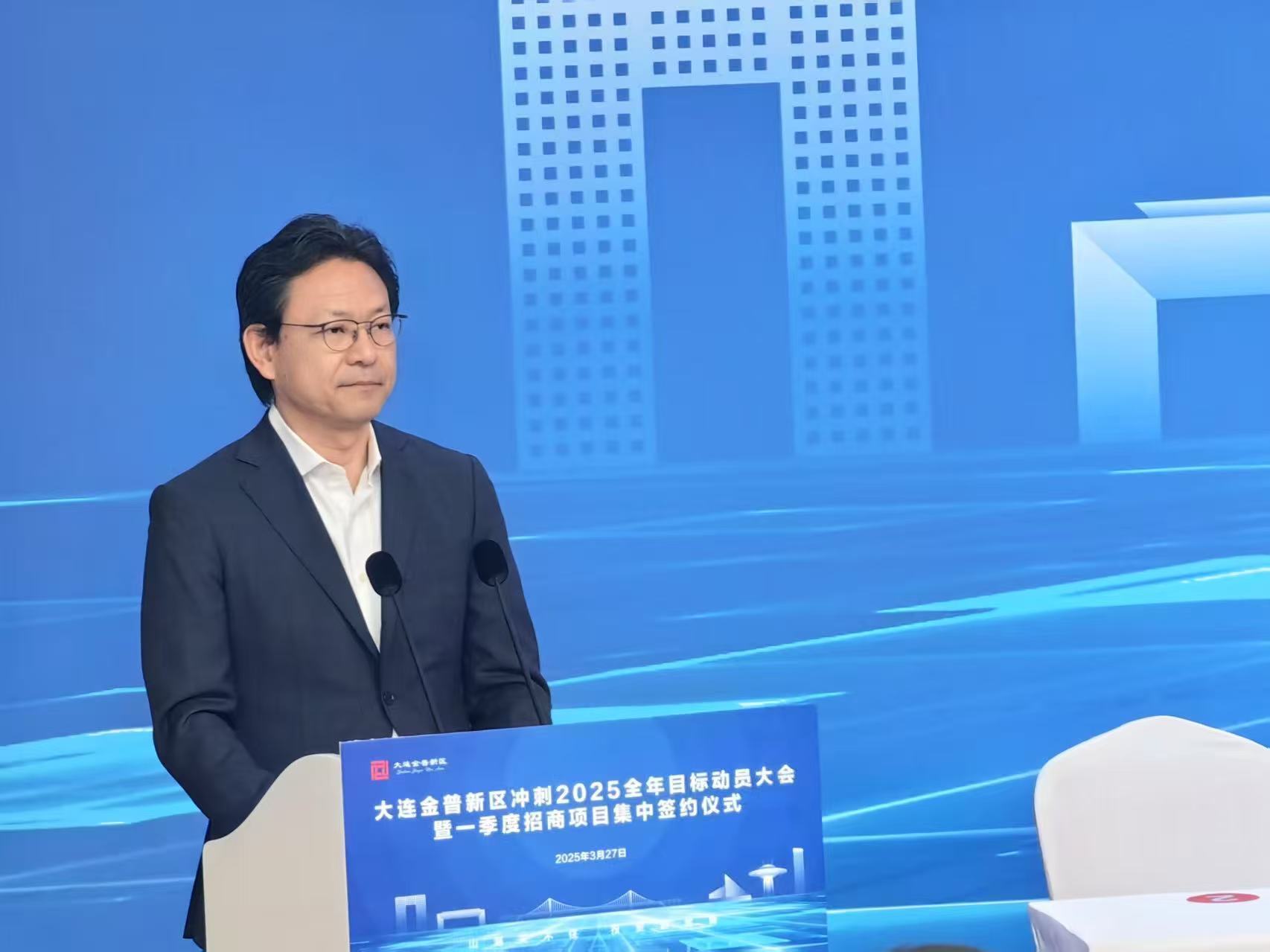
Dalian Sakabe was invited to participate in the Dalian investment promotion project ceremony
On March 27, 2025, Dalian Sakabe, as an advanced foreign-funded enterprise in Dalian, was invited to participate in the investment promotion project ceremony of Dalian China.
2025/04/01
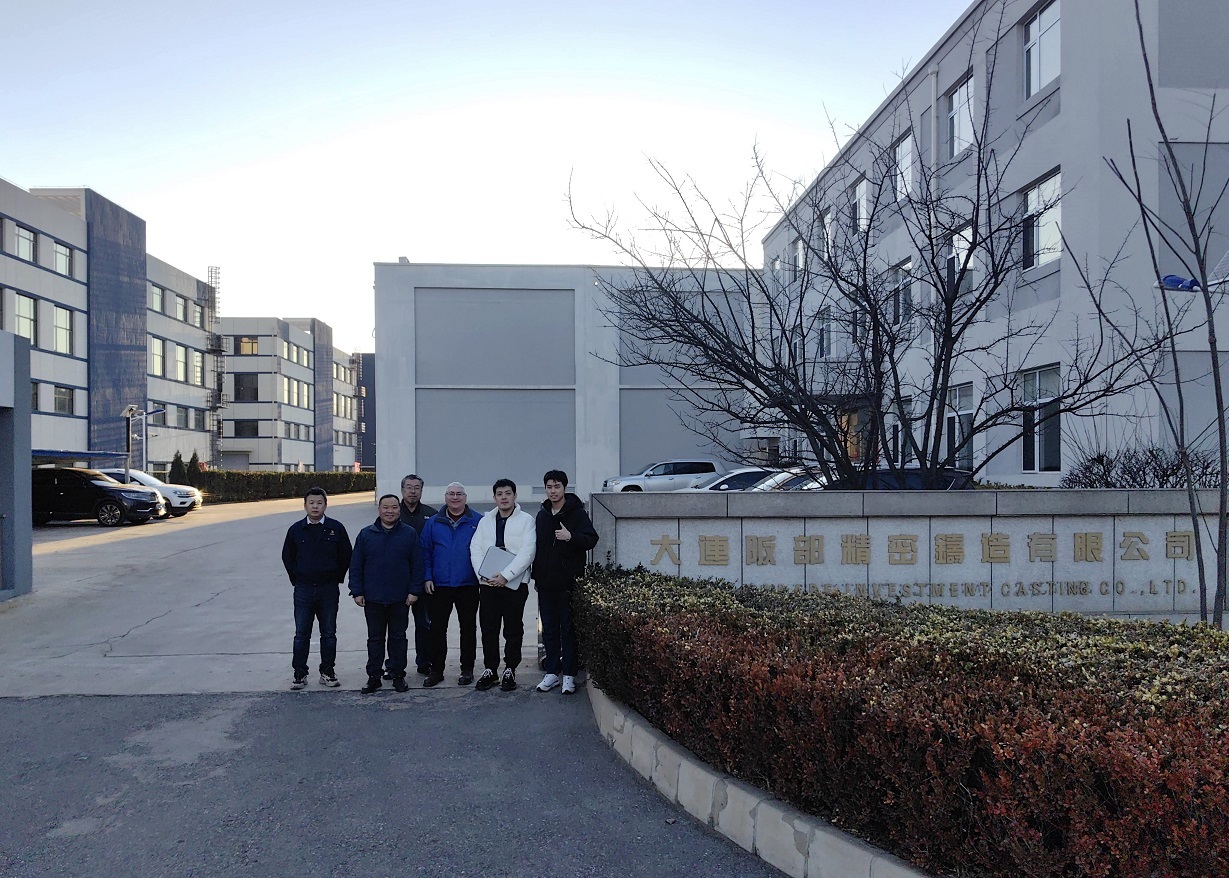
It is pleased that partner NME come to visit us Sakabe foundry
It is pleased that partner NME come to visit us Sakabe foundry. We share the same philosophy about quality standards, product positioning, environmental protection, and sustainable development. It's lucky to meet like-minded partners!
2025/02/19
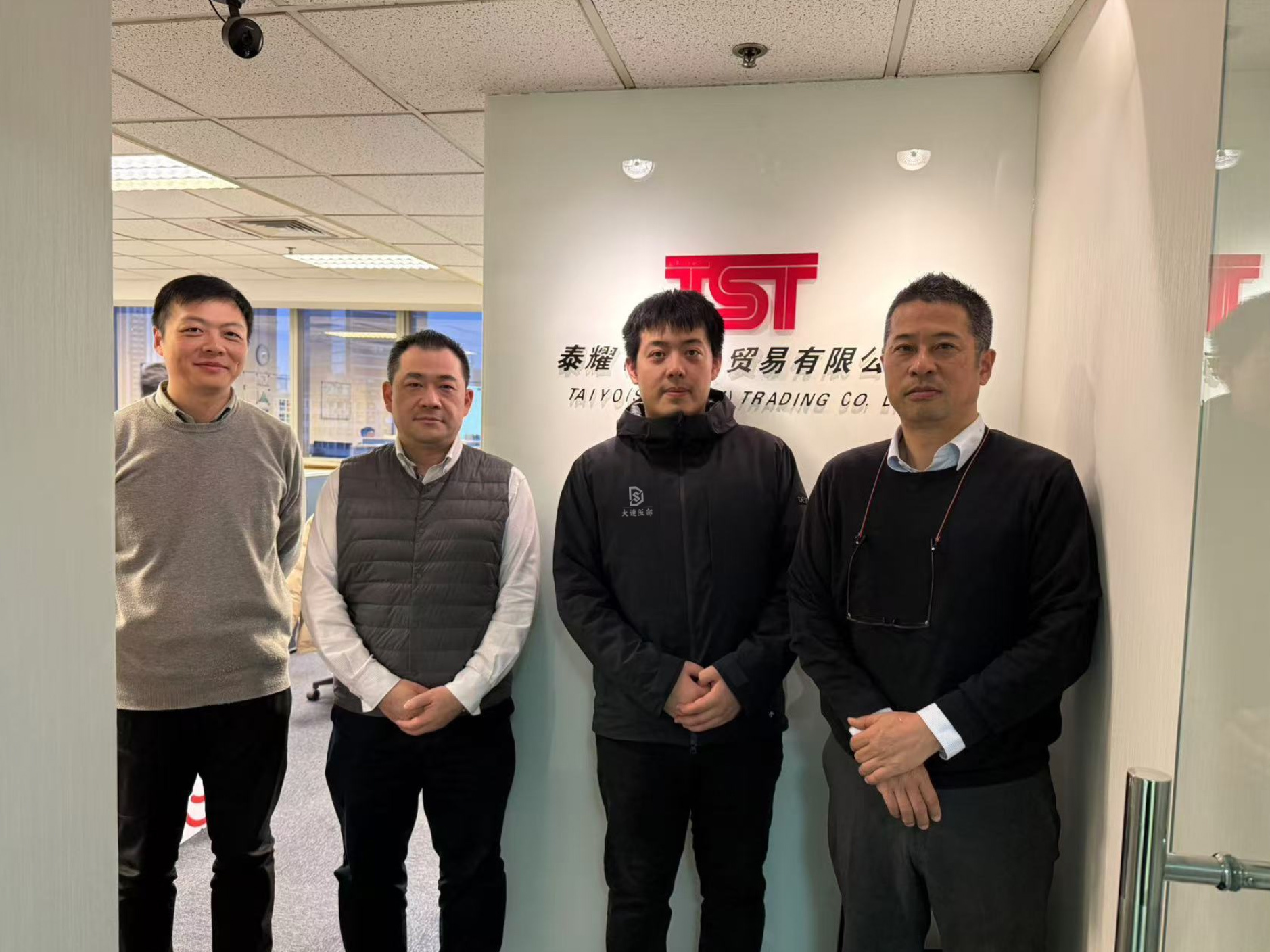
Great meeting with partner in Shanghai
Dalian Sakabe paying visit to our partner TST in Shanghai. Had discussions and plans for long term co-operation. Great thanks for your support!
2025/01/02
CONTACT US
Tel: +86 136-5494-1611
E-mail: alexzheng@sakabe.cn
Office Address:
No.18 Dongbei Qi Street, Jinpu New Area, Dalian, Liaoning, China
Factory Address:
No.26 Fuan Street, Jinpu New Area, Dalian, Liaoning, China
