


Best Practices in Quality Dewax Casting for Sewing Machine Manufacturing
Table of Contents
1. Understanding Dewax Casting in Sewing Machine Manufacturing
2. Importance of Quality in Dewax Casting
3. Selecting the Right Materials for Dewax Casting
3.1 Types of Materials Used in Casting
3.2 Material Testing and Quality Assurance
4. The Dewax Casting Process: Step-by-Step
4.1 Creating the Wax Pattern
4.2 Shell Building Techniques
4.3 Dewaxing Methods
5. Optimizing the Casting Environment
5.1 Temperature Control
5.2 Humidity Management
6. Quality Control Measures
6.1 Inspection Procedures
6.2 Testing for Defects
7. Common Challenges in Dewax Casting and How to Overcome Them
8. Future Trends in Dewax Casting for Sewing Machine Manufacturing
9. Frequently Asked Questions (FAQs)
10. Conclusion
1. Understanding Dewax Casting in Sewing Machine Manufacturing
Dewax casting, also known as lost-wax casting, is a precision casting method widely employed in the manufacturing of sewing machine components. This technique allows for intricate designs and high dimensional accuracy, making it ideal for producing complex parts that require tight tolerances. In sewing machine manufacturing, the performance and durability of components are paramount, and dewax casting provides an effective solution to meet these demands.
2. Importance of Quality in Dewax Casting
Quality control in dewax casting is critical to ensure that the final products meet industry standards and customer expectations. High-quality casting not only enhances the mechanical properties of the components but also reduces the likelihood of failures during operation. Implementing best practices in quality dewax casting can lead to improved performance, lower rejection rates, and increased customer satisfaction.
3. Selecting the Right Materials for Dewax Casting
Choosing the appropriate materials is a crucial step in achieving high-quality dewax castings for sewing machines. The selection process involves considering various factors, including the mechanical properties, melting point, and compatibility with the casting process.
3.1 Types of Materials Used in Casting
Common materials used in dewax casting include:
- **Aluminum Alloys**: Lightweight and corrosion-resistant, ideal for various sewing machine components.
- **Steel Alloys**: Known for their high strength and durability, suitable for load-bearing parts.
- **Bronze Alloys**: Offer excellent wear resistance and are often used in gears and bearings.
3.2 Material Testing and Quality Assurance
Before proceeding with the casting process, it is essential to conduct thorough testing of the selected materials. This includes chemical composition analysis, tensile strength tests, and microstructural examinations. Implementing a robust quality assurance program ensures that only materials that meet the required specifications are used in the casting process.
4. The Dewax Casting Process: Step-by-Step
The dewax casting process involves several key steps that must be executed with precision to ensure high-quality outcomes.
4.1 Creating the Wax Pattern
The process begins with the creation of a wax pattern, which is a precise replica of the final component. The pattern can be made using various techniques, including injection molding or CNC machining, depending on the complexity of the part.
4.2 Shell Building Techniques
Once the wax pattern is ready, a ceramic shell is built around it. This involves coating the wax pattern with a fine mixture of sand and ceramic material, followed by curing to harden the shell. The thickness of the shell is crucial, as it influences the final casting's strength and surface finish.
4.3 Dewaxing Methods
The next step is dewaxing, which involves melting away the wax pattern. This can be achieved through several methods:
- **Thermal Dewaxing**: Heating the shell in an oven to melt and drain the wax.
- **Steam Dewaxing**: Using steam to soften and remove the wax for more complex shapes.
Both methods have their advantages, and the choice depends on the specific requirements of the casting.
5. Optimizing the Casting Environment
Creating the right environment for dewax casting is vital for achieving consistent quality and minimizing defects.
5.1 Temperature Control
Maintaining optimal temperatures during both the dewaxing and pouring processes is essential. Fluctuations in temperature can lead to thermal stresses, causing cracks or defects in the final product.
5.2 Humidity Management
Humidity can also affect the quality of the casting. Excess moisture can lead to defects such as porosity. Therefore, it is crucial to control humidity levels in the workshop to ensure a smooth casting process.
6. Quality Control Measures
Implementing effective quality control measures is essential to identify and rectify defects early in the casting process.
6.1 Inspection Procedures
Regular inspections should be conducted at various stages of the casting process. This includes checking the wax patterns, the ceramic shells, and the final castings for any inconsistencies or defects.
6.2 Testing for Defects
Utilizing non-destructive testing methods, such as ultrasonic testing or X-ray inspection, can help identify internal defects without damaging the components. This proactive approach ensures that only high-quality parts are delivered to customers.
7. Common Challenges in Dewax Casting and How to Overcome Them
Like any manufacturing process, dewax casting comes with its own set of challenges. Understanding these challenges and implementing strategies to overcome them is essential for maintaining quality.
- **Defects in Wax Patterns**: Ensure precise machining and regular maintenance of the molds to avoid imperfections.
- **Shell Cracking**: Monitor the curing process and maintain consistent temperatures to prevent cracking.
- **Inconsistent Pouring**: Implement controlled pouring techniques to minimize turbulence and ensure even filling of molds.
8. Future Trends in Dewax Casting for Sewing Machine Manufacturing
As technology continues to evolve, so do the methods and practices in dewax casting. Here are some emerging trends that are shaping the future of this manufacturing process:
- **3D Printing of Patterns**: Utilizing 3D printing technology to create intricate and complex wax patterns can reduce lead times and enhance design flexibility.
- **Advanced Materials**: Research into new alloys and composite materials can lead to improved performance characteristics and greater efficiency in the casting process.
- **Automation and AI**: The integration of automation and artificial intelligence can enhance precision, reduce manual errors, and streamline the casting process.
9. Frequently Asked Questions (FAQs)
1. What is dewax casting, and how is it used in sewing machine manufacturing?
Dewax casting, or lost-wax casting, is a precision casting method that allows for the production of complex shapes and high-dimensional accuracy. It is widely used in sewing machine manufacturing for creating various components, ensuring durability and performance.
2. What are the advantages of using dewax casting?
The advantages include high accuracy, the ability to create intricate designs, and strong mechanical properties. It also reduces material waste compared to other casting methods.
3. How can I ensure the quality of my dewax castings?
Implementing strict quality control measures, selecting the right materials, and optimizing the casting process are key strategies to ensure high-quality dewax castings.
4. What common defects can occur in dewax casting?
Common defects include porosity, cracks, and dimensional inaccuracies. Regular inspections and using advanced testing methods can help identify and mitigate these issues.
5. What is the future of dewax casting in the manufacturing industry?
The future includes the adoption of new technologies such as 3D printing for pattern creation, advanced materials for improved performance, and automation for enhanced precision and efficiency.
10. Conclusion
In conclusion, implementing best practices in quality dewax casting for sewing machine manufacturing is paramount for producing high-quality components that meet industry standards. By selecting the right materials, optimizing the casting process, and maintaining strict quality control measures, manufacturers can enhance the performance and reliability of their products. As technology advances, embracing new techniques and trends will further improve the efficiency and effectiveness of dewax casting, positioning manufacturers for success in a competitive market.

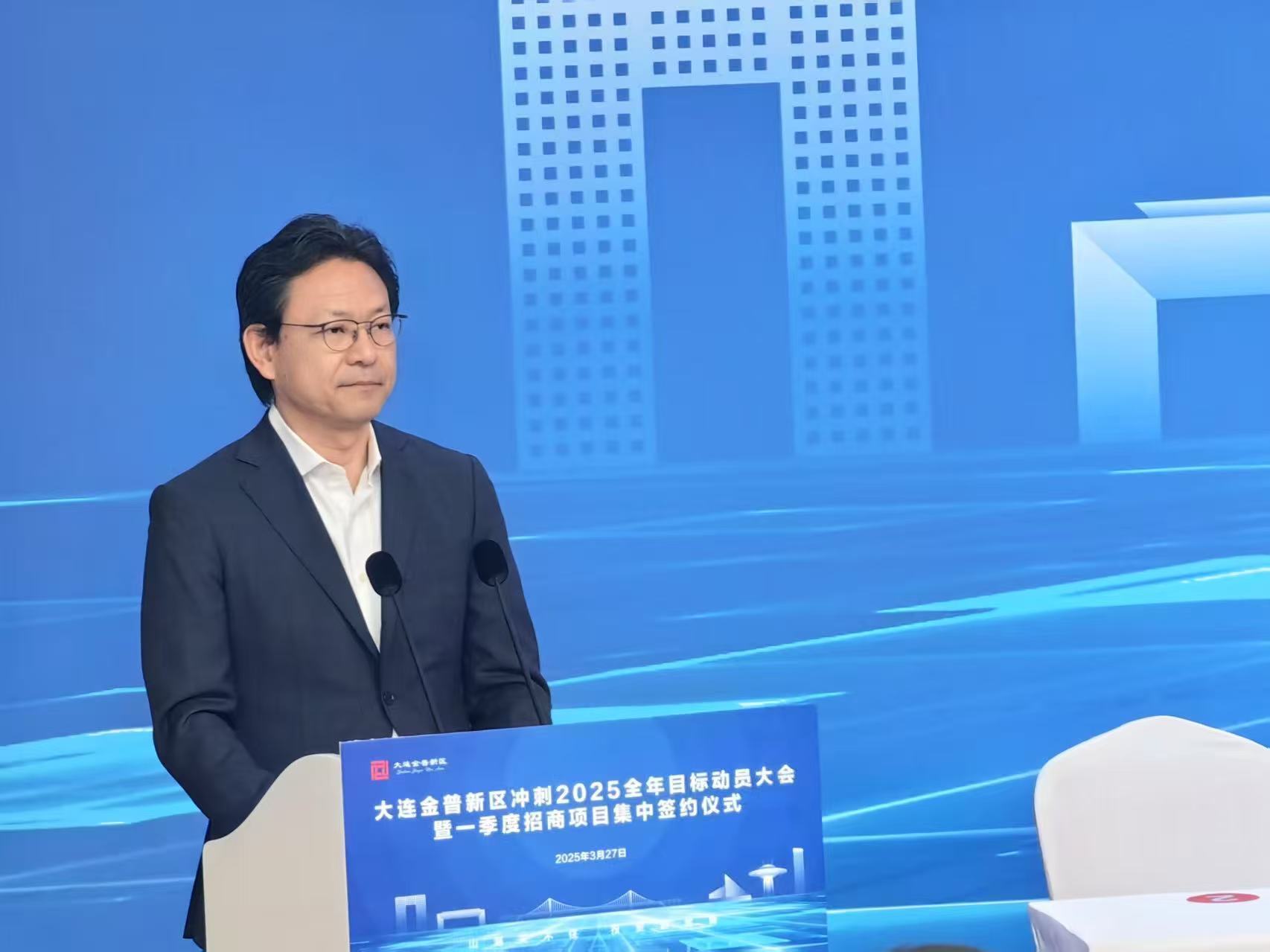
Dalian Sakabe was invited to participate in the Dalian investment promotion project ceremony
On March 27, 2025, Dalian Sakabe, as an advanced foreign-funded enterprise in Dalian, was invited to participate in the investment promotion project ceremony of Dalian China.
2025/04/01
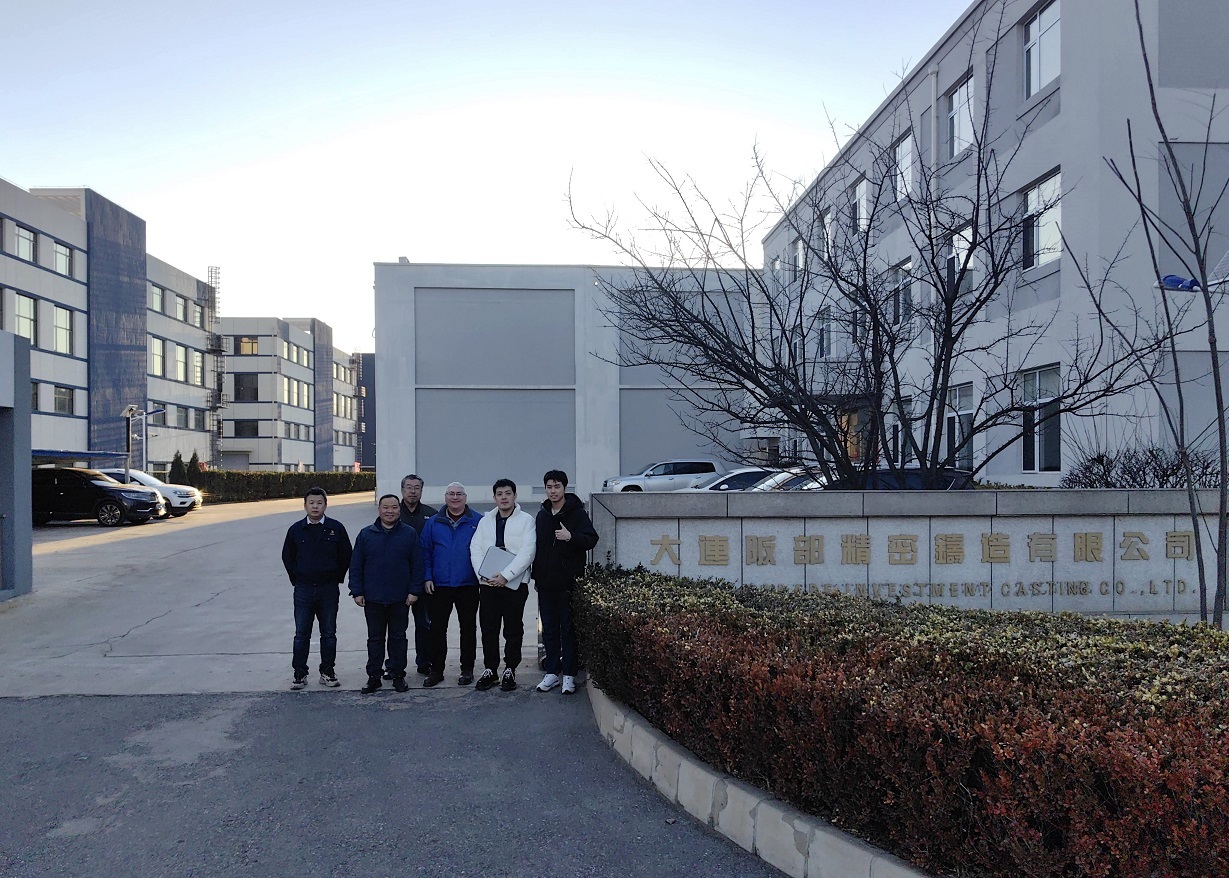
It is pleased that partner NME come to visit us Sakabe foundry
It is pleased that partner NME come to visit us Sakabe foundry. We share the same philosophy about quality standards, product positioning, environmental protection, and sustainable development. It's lucky to meet like-minded partners!
2025/02/19
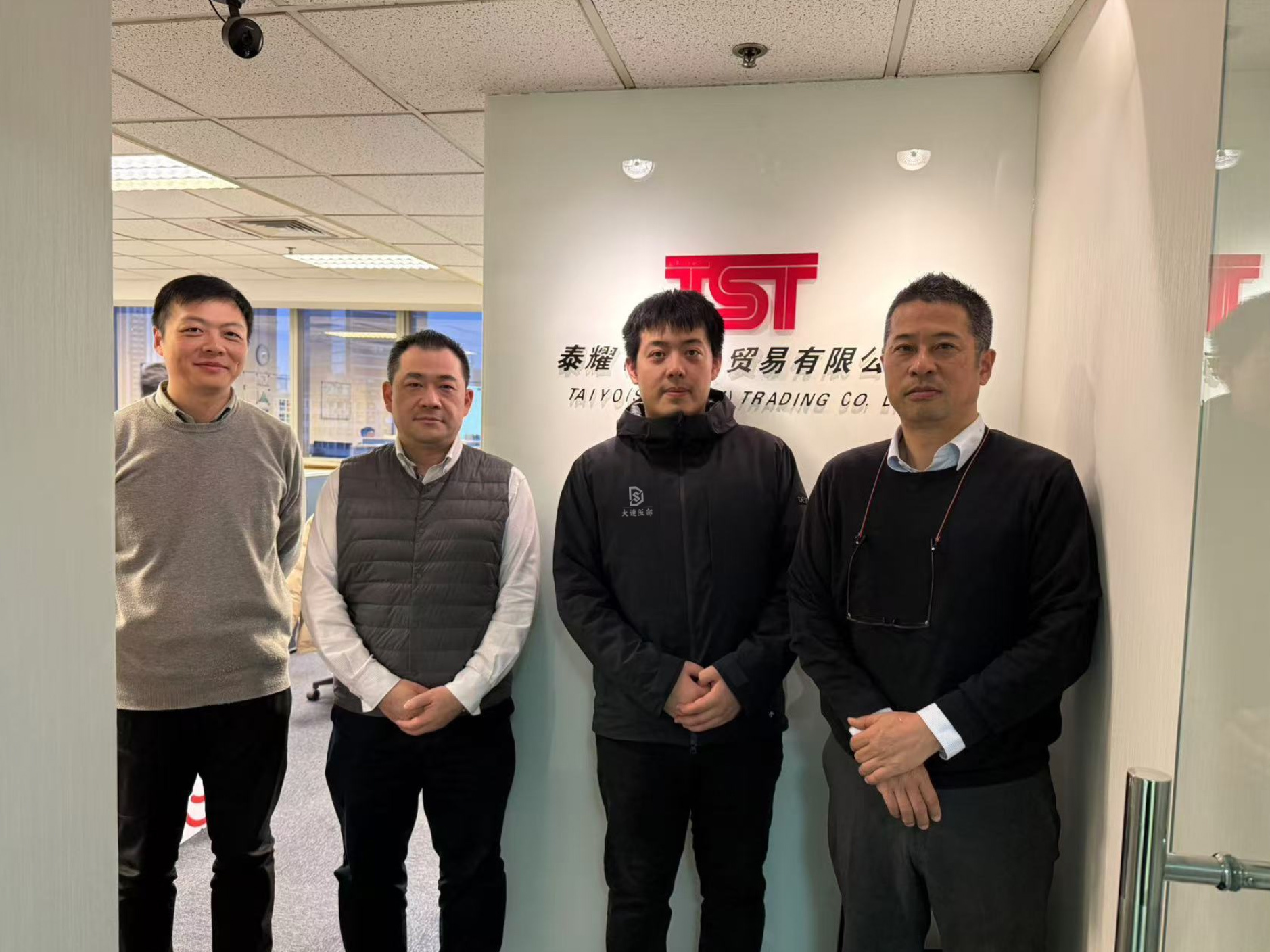
Great meeting with partner in Shanghai
Dalian Sakabe paying visit to our partner TST in Shanghai. Had discussions and plans for long term co-operation. Great thanks for your support!
2025/01/02
CONTACT US
Tel: +86 136-5494-1611
E-mail: alexzheng@sakabe.cn
Office Address:
No.18 Dongbei Qi Street, Jinpu New Area, Dalian, Liaoning, China
Factory Address:
No.26 Fuan Street, Jinpu New Area, Dalian, Liaoning, China
