


At its core, dewax casting involves the creation of a wax model of the desired part, which is then encased in a ceramic shell. Once the shell is hardened, the wax is melted and drained away, leaving a cavity that serves as a mold for the final part. This process allows for the production of intricate shapes and fine details that are often difficult to achieve with traditional casting methods. In the context of food machinery, this is particularly important, as many components must fit together precisely in order to function effectively and maintain hygiene standards.
One of the primary advantages of advanced dewax casting is the ability to use high-performance alloys that resist corrosion and wear. Food machinery operates in challenging environments, often exposed to moisture, chemicals, and high temperatures. The durability of parts produced through this casting method ensures that they can withstand such conditions without compromising performance. This longevity not only reduces maintenance costs but also minimizes downtime, which is especially critical in food production settings.
Moreover, advanced dewax casting promotes a smoother surface finish, which is vital for preventing bacteria growth in food machinery. The minimized porosity in these cast parts contributes to easier cleaning and sanitation, thereby enhancing food safety. Manufacturers can also achieve tighter tolerances with this method, leading to improved fit and function of components in machinery, which is essential for operational efficiency.
Environmental considerations are also a significant aspect of advanced dewax casting. As industries strive to reduce their carbon footprint, this casting technique stands out due to its lower waste generation compared to conventional methods. The wax used in the process can be recycled, and the ceramic shell can often be reused, aligning with sustainable manufacturing practices that are becoming increasingly important in the food processing sector.
In conclusion, advanced dewax casting is a transformative technique for producing high-quality food machinery parts. Its ability to create intricate designs with durable materials, combined with benefits in hygiene and sustainability, makes it an ideal choice for manufacturers in the food industry. As technology continues to evolve, embracing advanced casting methods will be key to ensuring that food machinery meets the highest standards of quality and efficiency.
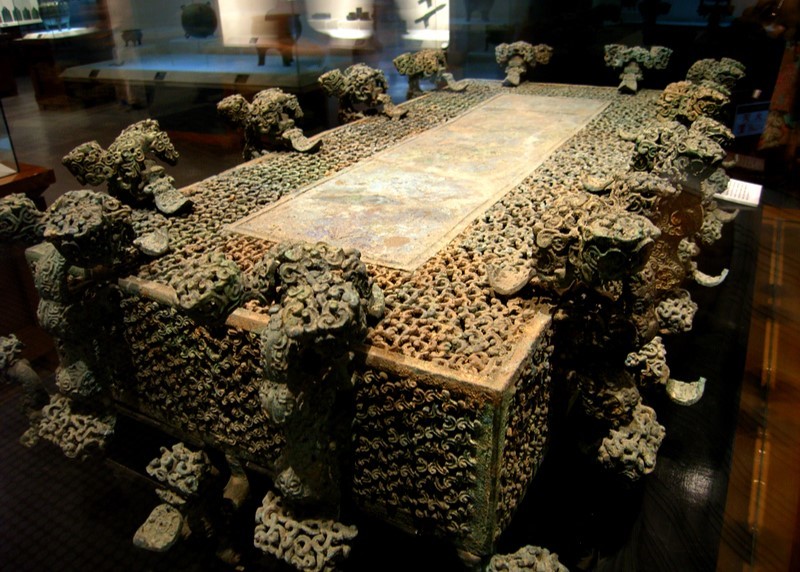
Introduction to investment casting manufacturing technique
Investment casting, also known as wax loss casting, is a long-standing metal forming process. The copper ban during the Spring and Autumn period in China was the earliest known lost wax casting method. The first step is to make a mold, using the mold to inject liquid wax into the mold to form a wax mold. Then, the wax mold is pasted into a pouring system according to the casting process, and the entire pouring system is made into a silica sol shell. After dewaxing, the entire shell becomes a cavity, and the cavity shell can be poured with molten steel after calcination. After cooling, the steel material product is formed. Subsequently, through processes such as cutting and grinding, sandblasting, heat treatment, correction, welding repair, electroplating, and machining, the cast products required by the customer are formed.
2024/10/08

Dalian is a beautiful coastal city in Northeast China, with beautiful scenery and pleasant climate. It is an important industrial production base, an international shipping center in Northeast Asia.
2024/07/11
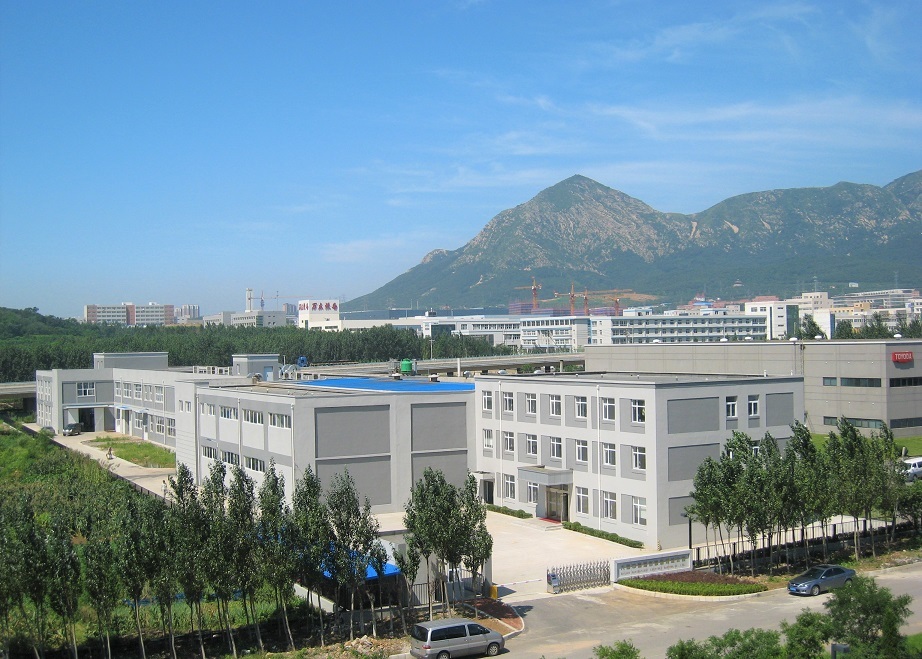
Dalian Sakabe has own foundry factory and focus on providing high-quality precision casting products to domestic and foreign customers since its establishment in 2005.
2024/10/08
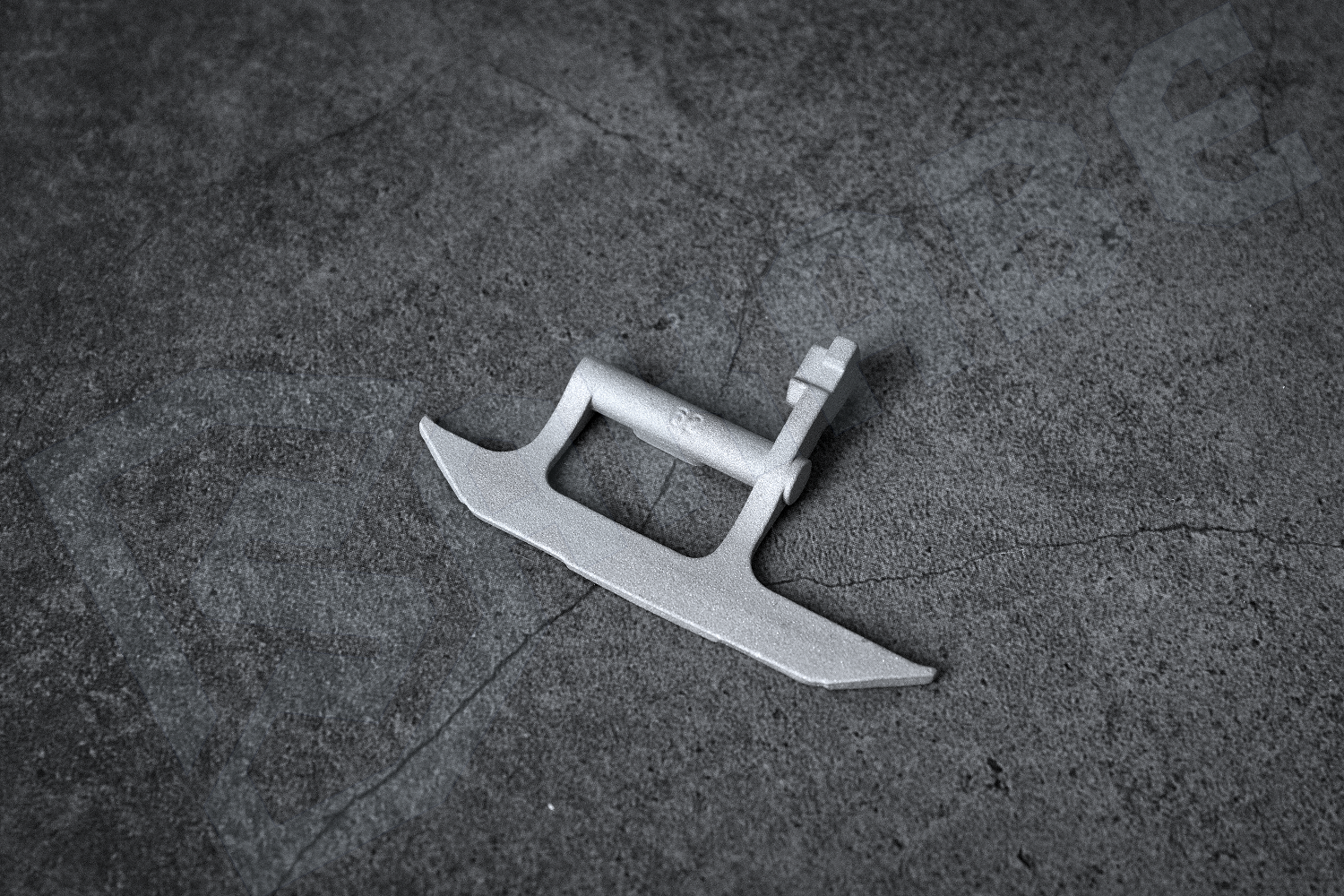
The Crucial Role of Casting Material Trays in Advanced Manufacturing
In the ever-evolving landscape of manufacturing, optimizing heat treatment processes through the strategic use of casting material trays is paramount
2025/09/19
CONTACT US
Tel: +86 136-5494-1611
E-mail: alexzheng@sakabe.cn
Office Address:
No.18 Dongbei Qi Street, Jinpu New Area, Dalian, Liaoning, China
Factory Address:
No.26 Fuan Street, Jinpu New Area, Dalian, Liaoning, China
