

The dewaxing process begins by creating a precise wax pattern that represents the final product. This pattern is then coated with a ceramic shell to form a mold. The key step, dewaxing, involves heating the mold to a temperature that causes the wax to melt and drain away, leaving a cavity in the shape of the desired component. This process is crucial, as it ensures that the mold is clean and ready for the next step—pouring the molten metal.
One of the most significant advantages of fancy dewax casting is its ability to create components that are not only visually appealing but also functionally superior. The technique allows for tight tolerances and excellent surface finishes, which are essential for fluid chemical equipment. This ensures that the manufactured parts can withstand the demanding conditions often encountered in chemical processing environments. Additionally, this casting method is particularly advantageous when producing parts that require complex shapes, as it minimizes the need for additional machining processes.
Moreover, fancy dewax casting offers improved material properties. The process allows for the use of various alloys and metals, which can enhance the strength and durability of the finished product. This flexibility in material selection is a vital aspect for manufacturers looking to optimize their designs for specific applications, especially in the fluid chemical sector.
Incorporating fancy dewax casting into your manufacturing processes not only elevates the quality of your equipment but also positions your business as a leader in innovation. Understanding the intricacies of this casting technique will provide you with a competitive edge, enabling you to meet the evolving demands of the fluid chemical equipment market effectively.
In conclusion, fancy dewax casting is an invaluable technique in the mechanical hardware processing industry, particularly for the production of fluid chemical equipment. Its unique advantages in precision, material properties, and design flexibility make it an attractive option for manufacturers aiming to enhance their product offerings. By embracing this method, companies can ensure they are well-equipped to tackle the challenges of modern engineering.
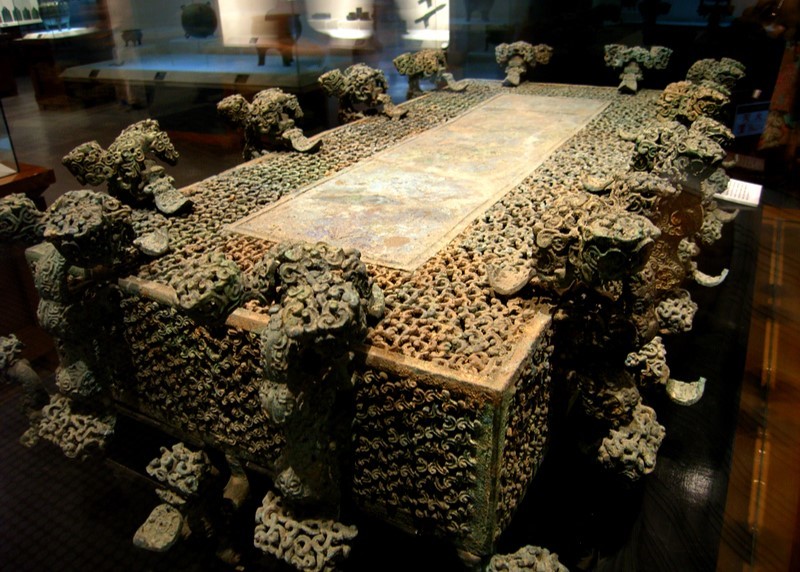
Introduction to investment casting manufacturing technique
Investment casting, also known as wax loss casting, is a long-standing metal forming process. The copper ban during the Spring and Autumn period in China was the earliest known lost wax casting method. The first step is to make a mold, using the mold to inject liquid wax into the mold to form a wax mold. Then, the wax mold is pasted into a pouring system according to the casting process, and the entire pouring system is made into a silica sol shell. After dewaxing, the entire shell becomes a cavity, and the cavity shell can be poured with molten steel after calcination. After cooling, the steel material product is formed. Subsequently, through processes such as cutting and grinding, sandblasting, heat treatment, correction, welding repair, electroplating, and machining, the cast products required by the customer are formed.
2024/10/08

Dalian is a beautiful coastal city in Northeast China, with beautiful scenery and pleasant climate. It is an important industrial production base, an international shipping center in Northeast Asia.
2024/07/11
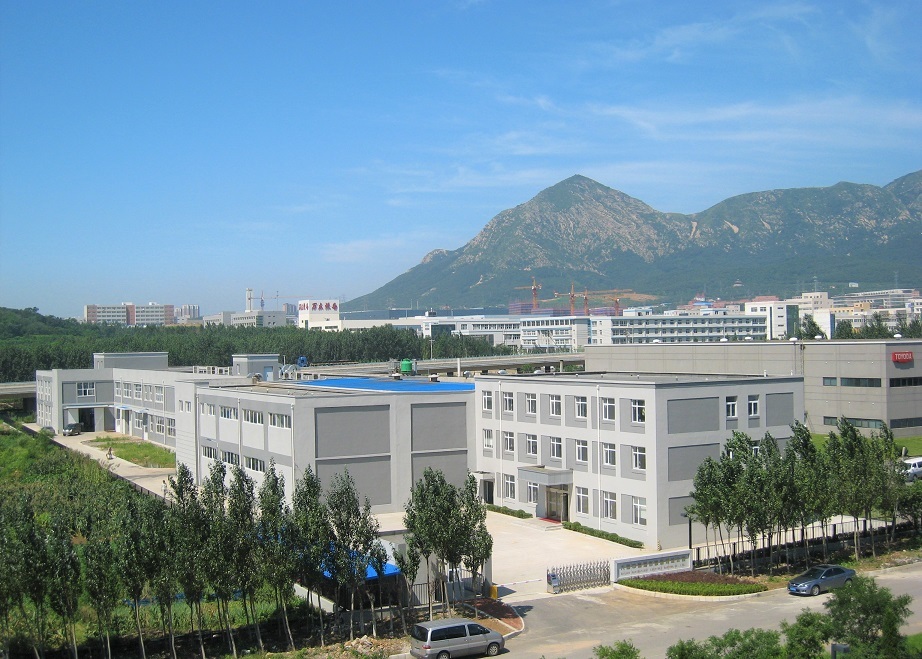
Dalian Sakabe has own foundry factory and focus on providing high-quality precision casting products to domestic and foreign customers since its establishment in 2005.
2024/10/08
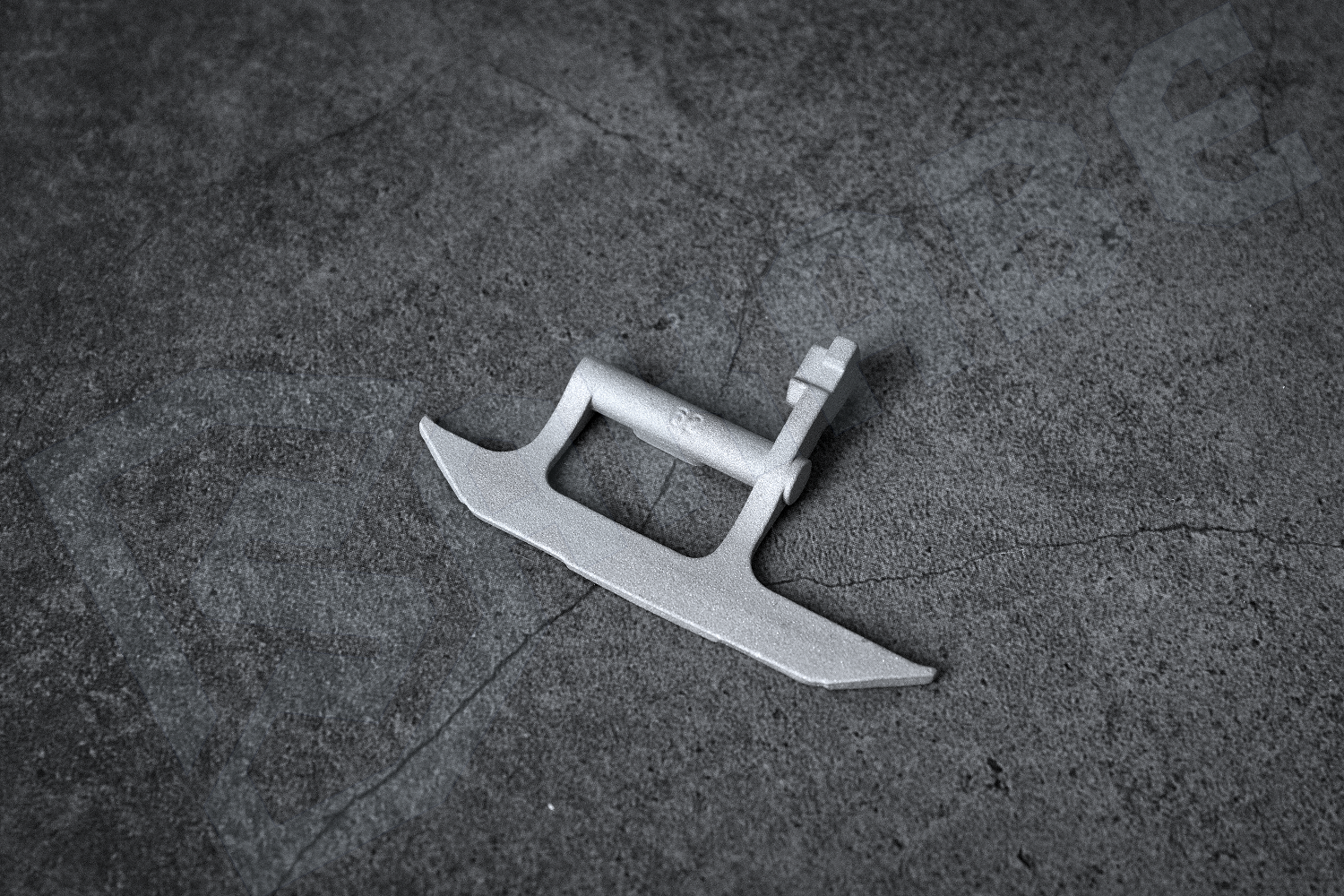
The Crucial Role of Casting Material Trays in Advanced Manufacturing
In the ever-evolving landscape of manufacturing, optimizing heat treatment processes through the strategic use of casting material trays is paramount
2025/09/19
CONTACT US
Tel: +86 136-5494-1611
E-mail: alexzheng@sakabe.cn
Office Address:
No.18 Dongbei Qi Street, Jinpu New Area, Dalian, Liaoning, China
Factory Address:
No.26 Fuan Street, Jinpu New Area, Dalian, Liaoning, China
