

Unveiling the Art of Classy Dewax Casting for Precision Flowmeter Components
Table of Contents
1. Introduction to Dewax Casting in Precision Manufacturing
2. Understanding Flowmeter Components
3. The Dewax Casting Process: A Step-by-Step Guide
3.1 Preparing the Wax Patterns
3.2 Creating the Investment Mold
3.3 Dewaxing: Removing the Wax
3.4 Pouring the Metal
3.5 Finishing Touches: Cleaning and Inspection
4. Advantages of Classy Dewax Casting
4.1 Precision and Accuracy
4.2 Material Versatility
4.3 Cost-Effectiveness
5. Innovations and Trends in Dewax Casting
5.1 Automation in Dewax Casting
5.2 Advanced Materials for Improved Performance
6. Applications of Dewax Casting in Flowmeter Manufacturing
7. Challenges and Solutions in Dewax Casting
8. FAQs about Dewax Casting and Flowmeters
9. Conclusion
1. Introduction to Dewax Casting in Precision Manufacturing
Dewax casting, often referred to as lost wax casting, is an advanced manufacturing technique that allows for the production of highly intricate components with exceptional precision. This method is particularly advantageous in the realm of flowmeter components, where accuracy and reliability are paramount. The process involves creating a wax model of the desired part, encasing it in a mold, and then melting away the wax to leave behind a cavity for metal pouring. This article delves into the art of classy dewax casting, highlighting its importance in crafting precision flowmeter components.
2. Understanding Flowmeter Components
Flowmeters are vital instruments used in various industries to measure the flow rate of liquids and gases. The precision of flowmeter components directly influences the accuracy of the measurements and the overall performance of the device. Key components typically include body, sensors, and calibration mechanisms. The production of these components requires advanced manufacturing techniques like dewax casting, which ensures the tight tolerances and complex geometries that modern flowmeters demand.
3. The Dewax Casting Process: A Step-by-Step Guide
Understanding the dewax casting process is crucial for manufacturers aiming to produce high-quality flowmeter components. Below is a detailed breakdown of the process:
3.1 Preparing the Wax Patterns
The first step in dewax casting involves creating a wax pattern of the desired component. This wax model should accurately reflect the final dimensions and intricate details of the flowmeter part. Manufacturers often use specialized wax materials that can withstand the subsequent processes without deforming.
3.2 Creating the Investment Mold
Once the wax pattern is ready, it is encased in a special investment material to form a mold. This investment material is designed to withstand high temperatures. The wax pattern is placed in a heated chamber to melt away any excess wax, ensuring a clean mold formation.
3.3 Dewaxing: Removing the Wax
Dewaxing involves heating the investment mold to temperatures that melt and evaporate the wax. This step is critical as it creates a precise cavity for the metal to be poured. Proper dewaxing ensures that there are no residual wax remnants that could compromise the integrity of the final component.
3.4 Pouring the Metal
After dewaxing, the mold is ready for metal pouring. Manufacturers typically use metals that exhibit suitable properties for flowmeter components, such as stainless steel or brass. The molten metal is poured into the cavity of the investment mold, filling it to create the final part.
3.5 Finishing Touches: Cleaning and Inspection
Once the metal has cooled and solidified, the investment mold is carefully broken away to reveal the finished component. This is followed by a series of finishing processes, including cleaning, polishing, and inspection to ensure that each part meets the required specifications and quality standards.
4. Advantages of Classy Dewax Casting
Dewax casting presents numerous benefits, making it an attractive option for manufacturers of precision components.
4.1 Precision and Accuracy
One of the most significant advantages of dewax casting is its ability to produce components with exceptional precision. The process allows for intricate designs and complex geometries that are often impossible to achieve through traditional manufacturing methods.
4.2 Material Versatility
Dewax casting can accommodate a wide range of materials, including various metals and alloys. This versatility enables manufacturers to select the best materials suited for specific applications, enhancing the performance and durability of flowmeter components.
4.3 Cost-Effectiveness
While the initial setup for dewax casting may be higher than some other methods, the long-term cost savings are substantial. The precision of the process reduces waste, minimizes the need for secondary operations, and leads to a higher yield of usable components.
5. Innovations and Trends in Dewax Casting
The field of dewax casting continues to evolve with technological advancements and innovations.
5.1 Automation in Dewax Casting
Automation has significantly improved the efficiency and consistency of dewax casting operations. Automated systems for wax pattern creation, mold formation, and metal pouring enhance production rates and reduce labor costs while maintaining high-quality standards.
5.2 Advanced Materials for Improved Performance
Research into advanced materials, including high-performance alloys and engineered polymers, has expanded the possibilities of dewax casting. These materials improve the mechanical properties and corrosion resistance of flowmeter components, leading to enhanced reliability and longevity.
6. Applications of Dewax Casting in Flowmeter Manufacturing
Dewax casting is widely used in the manufacturing of various flowmeter components, including bodies, flanges, and critical internal parts like rotors and impellers. The process's ability to produce complex shapes and maintain tight tolerances is indispensable in creating reliable flow measurement devices in industries such as water treatment, oil and gas, and chemical processing.
7. Challenges and Solutions in Dewax Casting
While dewax casting offers numerous advantages, it also presents certain challenges.
Key challenges include:
1. **Quality Control**: Maintaining consistent quality across all produced components is essential. Utilizing advanced inspection technologies such as laser scanning and 3D imaging can help detect defects early in the process.
2. **Material Selection**: Choosing the appropriate materials for specific applications can be complex. Thorough research and testing can aid manufacturers in selecting the best options for durability and performance.
3. **Operational Efficiency**: Streamlining the dewax casting process can be challenging. Implementing lean manufacturing principles and investing in automation can improve throughput and reduce cycle times.
8. FAQs about Dewax Casting and Flowmeters
**Q1: What types of materials are used in dewax casting for flowmeter components?**
A1: Common materials include stainless steel, brass, and various alloys, chosen based on the required mechanical properties and corrosion resistance.
**Q2: How does dewax casting compare to traditional casting methods?**
A2: Dewax casting allows for greater design flexibility and higher precision, making it suitable for complex components that require tight tolerances.
**Q3: What industries benefit the most from dewax casting?**
A3: Industries such as water treatment, oil and gas, and chemical processing significantly benefit from the precision and reliability of dewax-cast flowmeter components.
**Q4: Are there any limitations to using dewax casting?**
A4: While dewax casting is versatile, it may not be cost-effective for very small production runs due to initial setup costs.
**Q5: How can manufacturers improve the dewax casting process?**
A5: Incorporating automation, advanced materials, and quality control measures can enhance efficiency and product quality in the dewax casting process.
9. Conclusion
Classy dewax casting stands as a testament to the advancements in precision manufacturing, particularly in the creation of flowmeter components. By combining intricate design capabilities with the versatility of materials, this method ensures that components meet the stringent demands of various applications. As innovations continue to emerge in this field, manufacturers who embrace these techniques will undoubtedly enhance their production capabilities, leading to higher accuracy and reliability in flow measurement devices. Understanding and mastering the dewax casting process is vital for anyone seeking to excel in the manufacturing of precision components.

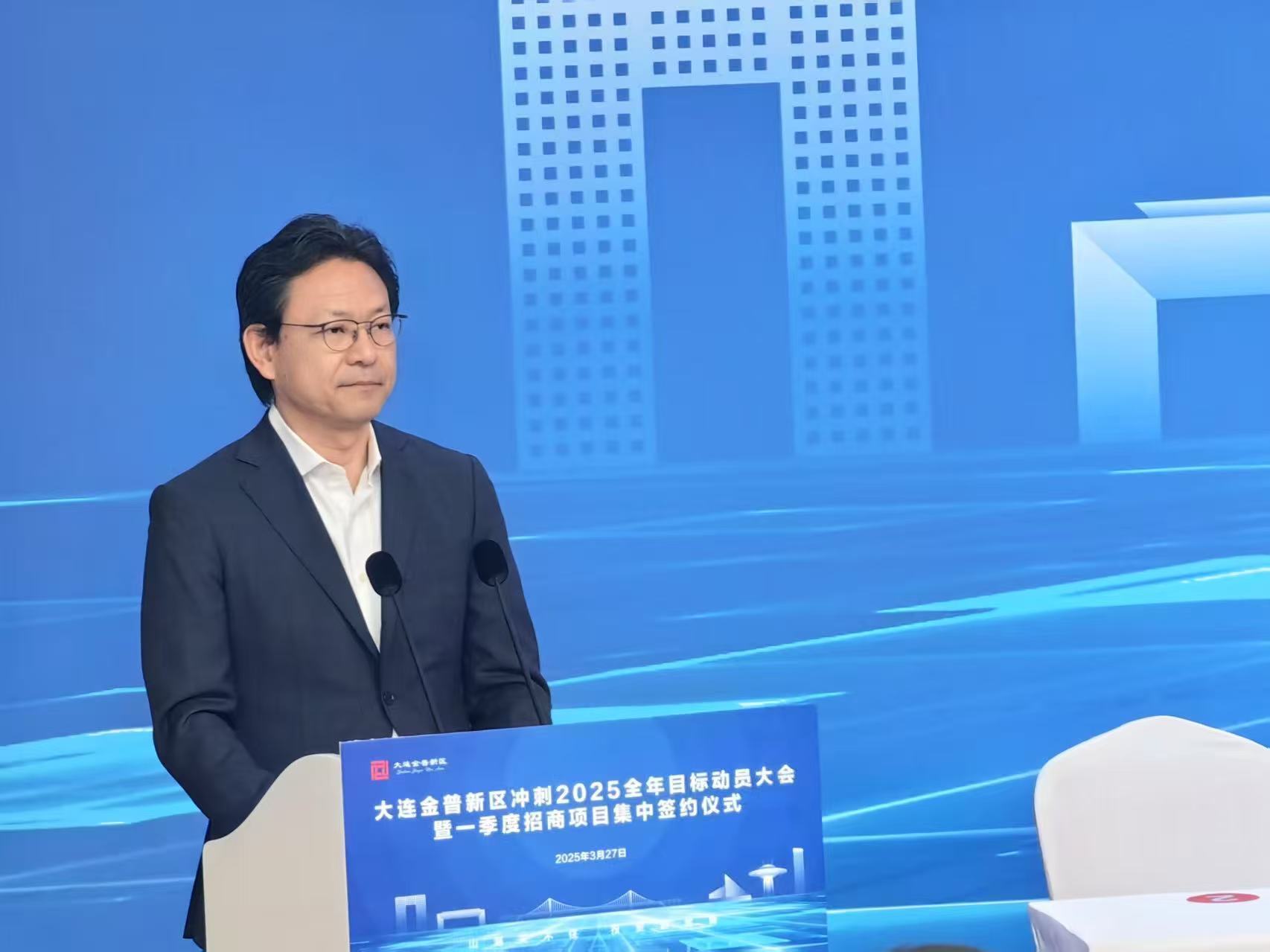
Dalian Sakabe was invited to participate in the Dalian investment promotion project ceremony
On March 27, 2025, Dalian Sakabe, as an advanced foreign-funded enterprise in Dalian, was invited to participate in the investment promotion project ceremony of Dalian China.
2025/04/01
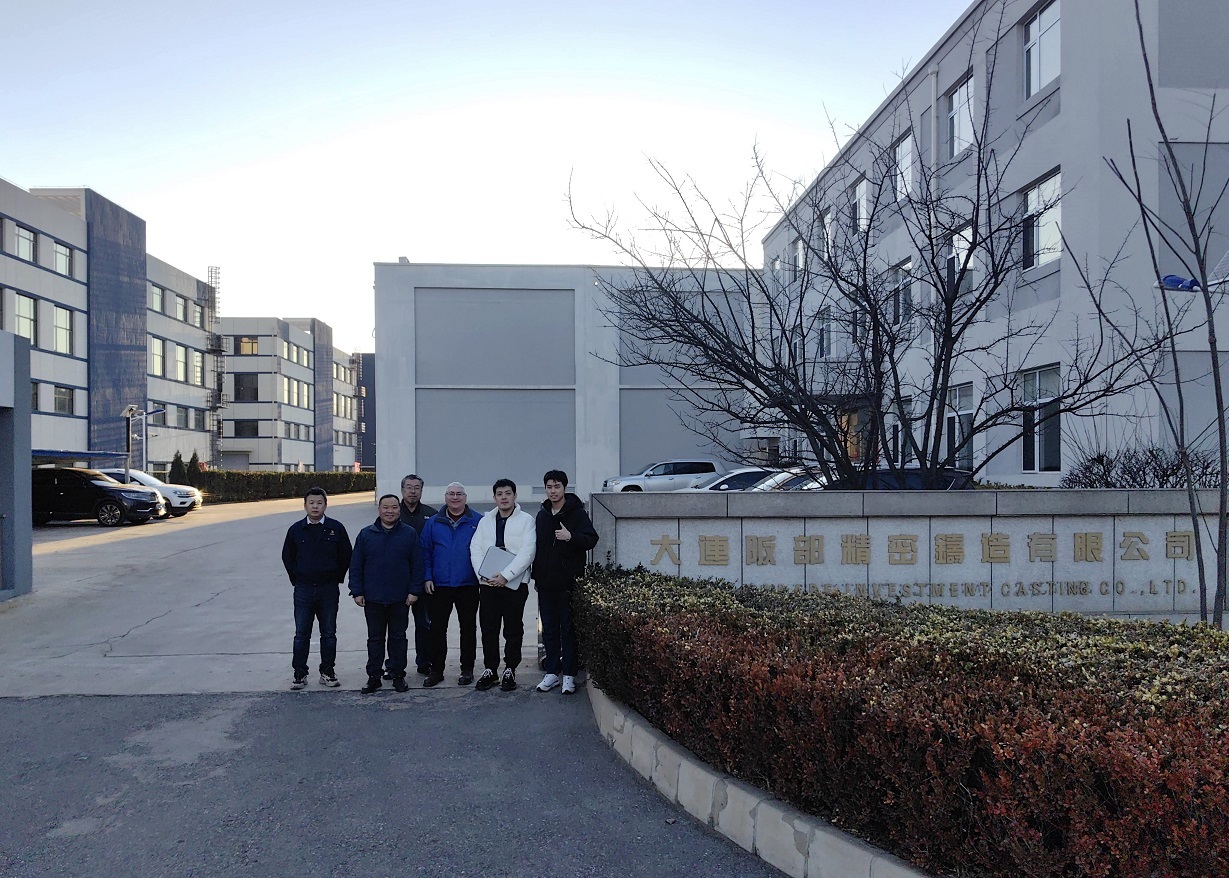
It is pleased that partner NME come to visit us Sakabe foundry
It is pleased that partner NME come to visit us Sakabe foundry. We share the same philosophy about quality standards, product positioning, environmental protection, and sustainable development. It's lucky to meet like-minded partners!
2025/02/19
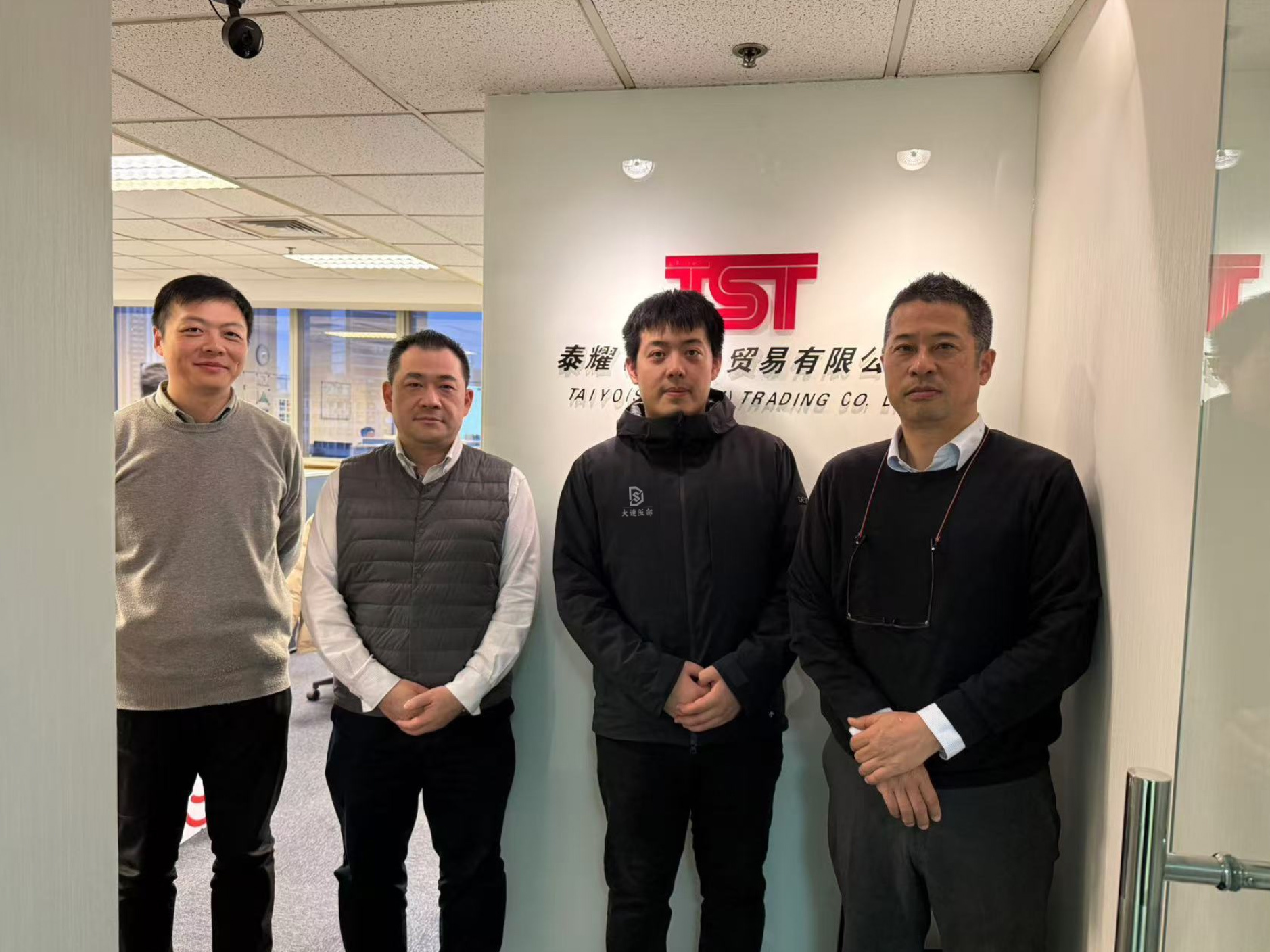
Great meeting with partner in Shanghai
Dalian Sakabe paying visit to our partner TST in Shanghai. Had discussions and plans for long term co-operation. Great thanks for your support!
2025/01/02
CONTACT US
Tel: +86 136-5494-1611
E-mail: alexzheng@sakabe.cn
Office Address:
No.18 Dongbei Qi Street, Jinpu New Area, Dalian, Liaoning, China
Factory Address:
No.26 Fuan Street, Jinpu New Area, Dalian, Liaoning, China
