


Why MIM Casting Is the Future of Precision Manufacturing
Metal Injection Molding (MIM) casting is a highly efficient manufacturing process that combines the principles of traditional injection molding with the capabilities of powder metallurgy. This innovative technique allows for the production of complex metal parts with high precision and excellent surface finish. For businesses in the manufacturing sector, understanding the advantages of buying MIM casting components can be a game changer.
One of the primary benefits of MIM casting is its ability to produce intricate geometries that would be challenging or impossible to achieve through conventional machining methods. This is particularly beneficial for industries that require complex shapes and tight tolerances, such as aerospace, medical, and automotive sectors. The MIM process enables manufacturers to create parts that are lightweight yet robust, making them ideal for high-performance applications.
Another significant advantage of MIM casting is its cost-effectiveness for high-volume production runs. The initial setup costs may be higher than traditional methods, but the ability to produce large quantities of parts with minimal waste leads to lower per-unit costs over time. This makes MIM casting an attractive option for companies looking to optimize their manufacturing processes while maintaining quality.
Moreover, MIM casting allows for a wide range of materials to be used, including stainless steel, titanium, and various alloys. This versatility enables manufacturers to select the most suitable material for their specific application, enhancing the performance and durability of the final product. The process also supports the incorporation of multiple materials, allowing for the design of composite parts that can offer improved functionality.
It is also worth noting that MIM casting contributes to sustainability efforts in manufacturing. The process generates less scrap compared to traditional machining methods, which is beneficial for both cost savings and environmental impact. As industries increasingly focus on reducing their carbon footprint, MIM casting presents a responsible manufacturing option.
Buying MIM casting components can significantly enhance the efficiency and quality of your manufacturing operations. With its ability to produce complex geometries, cost-effectiveness for large production runs, material versatility, and sustainability benefits, MIM casting is an ideal choice for businesses aiming to innovate and improve their manufacturing processes. By considering this advanced technology, companies can stay competitive in an ever-evolving market.
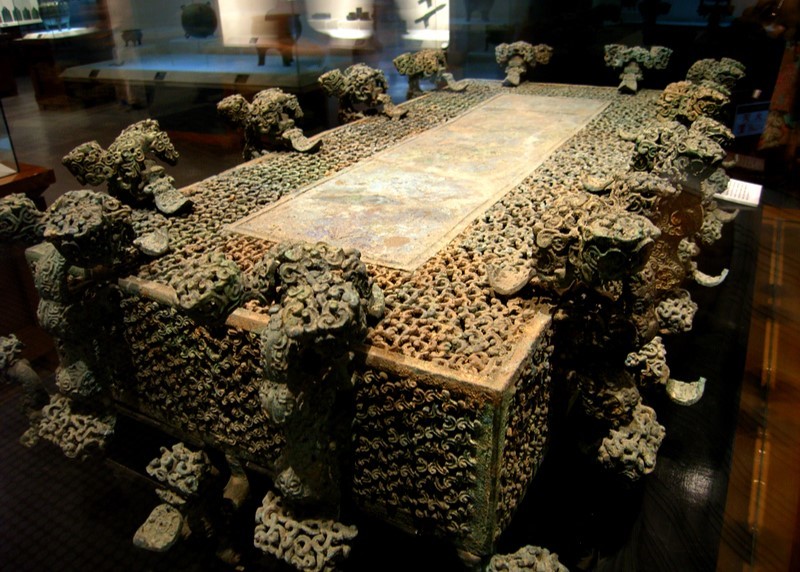
Introduction to investment casting manufacturing technique
Investment casting, also known as wax loss casting, is a long-standing metal forming process. The copper ban during the Spring and Autumn period in China was the earliest known lost wax casting method. The first step is to make a mold, using the mold to inject liquid wax into the mold to form a wax mold. Then, the wax mold is pasted into a pouring system according to the casting process, and the entire pouring system is made into a silica sol shell. After dewaxing, the entire shell becomes a cavity, and the cavity shell can be poured with molten steel after calcination. After cooling, the steel material product is formed. Subsequently, through processes such as cutting and grinding, sandblasting, heat treatment, correction, welding repair, electroplating, and machining, the cast products required by the customer are formed.
2024/10/08

Dalian is a beautiful coastal city in Northeast China, with beautiful scenery and pleasant climate. It is an important industrial production base, an international shipping center in Northeast Asia.
2024/07/11
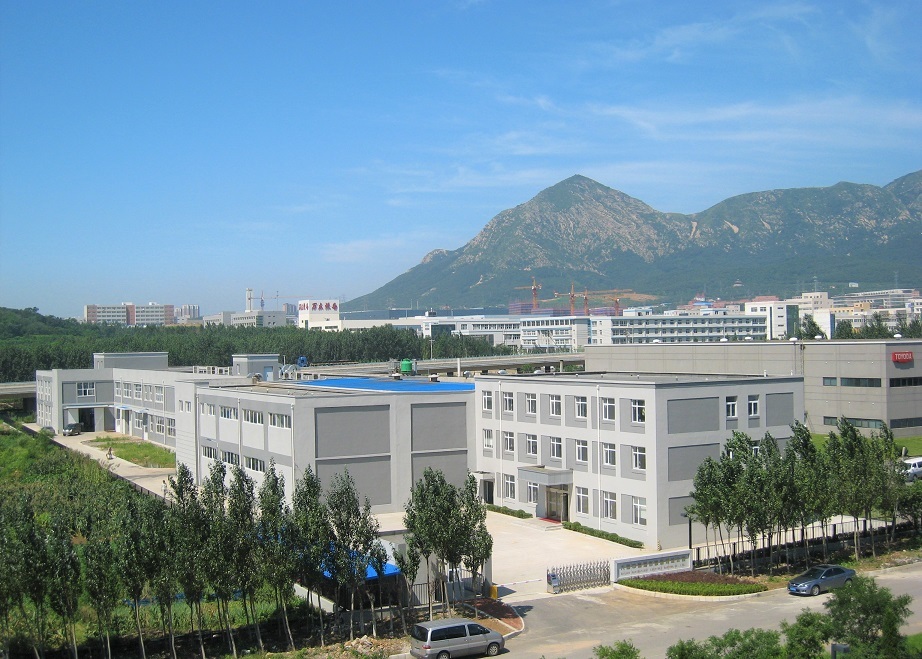
Dalian Sakabe has own foundry factory and focus on providing high-quality precision casting products to domestic and foreign customers since its establishment in 2005.
2024/10/08
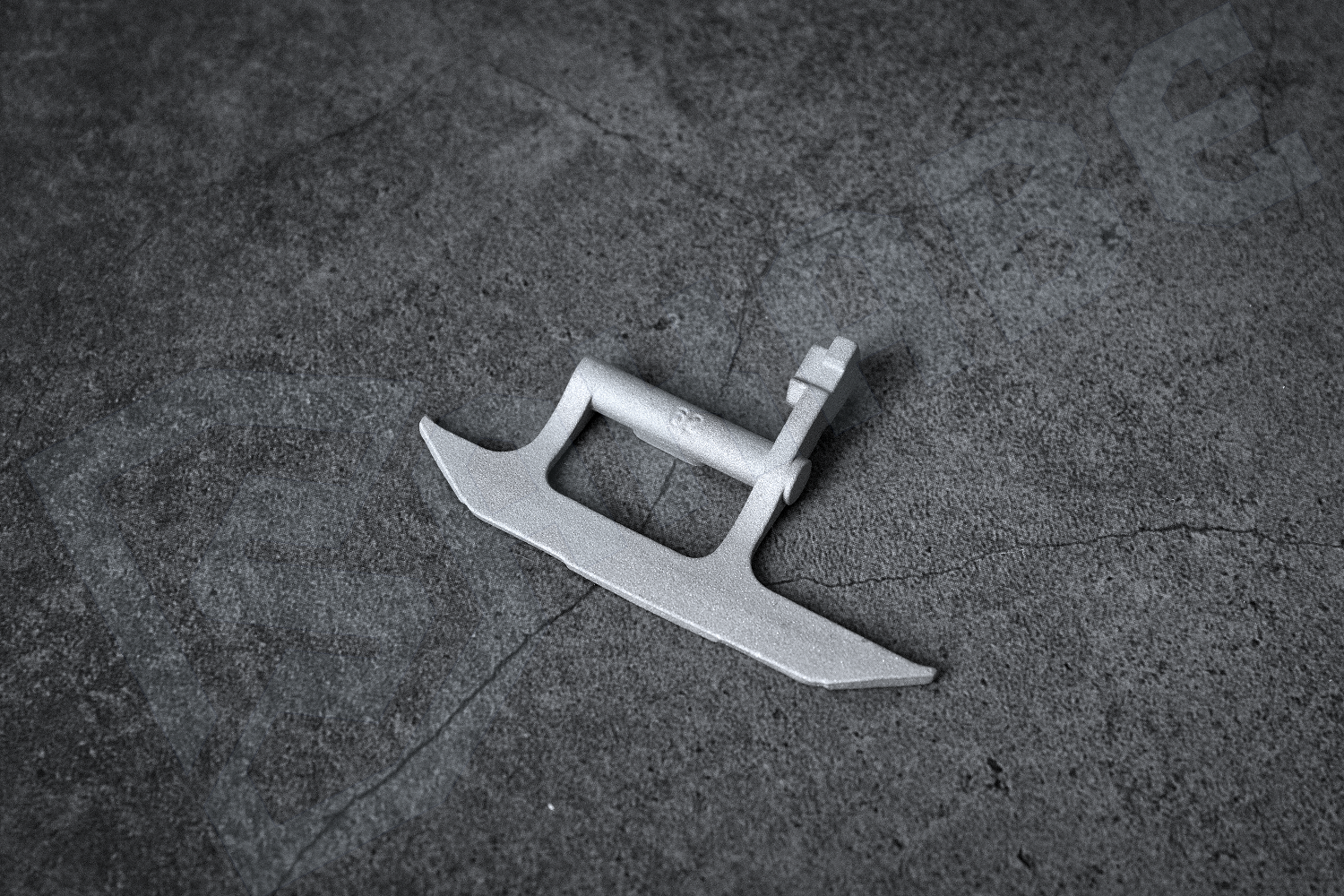
The Crucial Role of Casting Material Trays in Advanced Manufacturing
In the ever-evolving landscape of manufacturing, optimizing heat treatment processes through the strategic use of casting material trays is paramount
2025/09/19
CONTACT US
Tel: +86 136-5494-1611
E-mail: alexzheng@sakabe.cn
Office Address:
No.18 Dongbei Qi Street, Jinpu New Area, Dalian, Liaoning, China
Factory Address:
No.26 Fuan Street, Jinpu New Area, Dalian, Liaoning, China
