


The Future of Beverage Machinery: Innovations in Die-Casting Technology
Table of Contents
- Introduction to Die-Casting in Beverage Machinery
- Understanding the Die-Casting Process
- The Importance of Innovation in Beverage Machinery
- Benefits of Die-Casting Technology in Beverage Production
- Sustainability and Environmental Impact
- Smart Manufacturing and Automation in Die-Casting
- Future Trends in Die-Casting Technology
- Case Studies: Successful Implementations of Die-Casting
- Frequently Asked Questions (FAQs)
- Conclusion
Introduction to Die-Casting in Beverage Machinery
The beverage industry is experiencing a transformative phase as **innovations in die-casting technology** take center stage. Die-casting, a manufacturing process that involves forcing molten metal into a mold, is becoming increasingly crucial for the production of beverage machinery components. This method not only enhances the precision and quality of machine parts but also offers significant advantages in terms of cost-effectiveness and manufacturing efficiency. As we delve into the world of die-casting, we will explore how these advancements are shaping the future of beverage machinery.
Understanding the Die-Casting Process
To appreciate the innovations in die-casting technology, it is essential to understand the **die-casting process** itself. The process begins with the melting of metal alloys, typically aluminum, zinc, or magnesium, which are then injected into a steel mold under high pressure. This method allows for the creation of complex shapes with excellent surface finish and dimensional accuracy.
The Steps Involved in Die-Casting
1. **Melting**: Raw metal is heated to its melting point in a furnace.
2. **Injection**: The molten metal is injected into a mold at high speed and pressure.
3. **Cooling**: The metal solidifies quickly within the mold.
4. **Ejection**: Once solidified, the part is ejected from the mold.
5. **Finishing**: Additional processes such as machining, surface treatment, or assembly may follow.
The Importance of Innovation in Beverage Machinery
In the competitive landscape of the beverage industry, **innovation** is paramount. Companies are constantly seeking ways to improve efficiency, reduce costs, and enhance product quality. The adoption of advanced die-casting technologies plays a critical role in achieving these objectives. By integrating innovative practices, manufacturers can streamline their processes, reduce waste, and respond more effectively to market demands.
Key Drivers of Innovation in Beverage Machinery
- **Consumer Demand**: Increasing consumer expectations for quality and sustainability are pushing manufacturers to innovate continuously.
- **Technological Advancements**: The rise of smart technologies and automation is reshaping production processes.
- **Global Competition**: To remain competitive in a global market, companies must invest in state-of-the-art manufacturing techniques.
Benefits of Die-Casting Technology in Beverage Production
The benefits of **die-casting technology** are manifold, particularly for the beverage industry. Here are some of the key advantages:
Enhanced Precision and Quality
Die-casting allows for highly precise manufacturing, resulting in components that meet strict quality standards. This precision is essential for machinery that must operate efficiently and reliably.
Cost-Effectiveness
The die-casting process is efficient and reduces material waste, thus lowering production costs. The reduction in machining time and the ability to produce complex shapes in a single step further enhance cost-effectiveness.
Rapid Production Rates
Die-casting enables high-volume production, making it ideal for companies needing to meet large orders promptly. The speed of the process allows manufacturers to respond quickly to market changes.
Design Flexibility
Manufacturers can create intricate designs that would be challenging or impossible to achieve with other manufacturing methods. This flexibility allows for innovation in machine design, improving functionality and aesthetic appeal.
Sustainability and Environmental Impact
As environmental concerns grow, the beverage industry is prioritizing **sustainability**. Die-casting technology contributes positively to these efforts in several ways:
Reducing Material Waste
The die-casting process uses minimal raw materials, significantly decreasing waste compared to traditional machining methods. This reduction not only benefits the environment but also lowers costs for manufacturers.
Energy Efficiency
Modern die-casting techniques often incorporate energy-efficient practices, such as using electric furnaces and optimizing melt times. These advances contribute to a lower carbon footprint for beverage machinery production.
Recyclability of Materials
Many of the metals used in die-casting are highly recyclable. The ability to reuse materials helps to further reduce environmental impact and supports a circular economy.
Smart Manufacturing and Automation in Die-Casting
The integration of **smart manufacturing** principles is revolutionizing die-casting processes. Automation and data analytics are enhancing efficiency, quality control, and production monitoring.
Automation in Die-Casting
Automated systems can streamline operations, reduce human error, and increase production speeds. Robotics can perform tasks such as loading and unloading molds, ensuring consistency and precision.
Data Analytics for Continuous Improvement
The use of data analytics allows manufacturers to monitor die-casting processes in real-time, identifying areas for improvement. This continuous feedback loop helps to optimize production and maintain high-quality standards.
Future Trends in Die-Casting Technology
As the beverage industry evolves, several trends are anticipated to shape the future of **die-casting technology**:
Adoption of Advanced Alloys
The development of new metal alloys that offer better performance characteristics will enhance die-casting capabilities. These materials can improve strength, reduce weight, and increase corrosion resistance.
Increased Use of Additive Manufacturing
Additive manufacturing, or 3D printing, is emerging as a complementary technology to die-casting. It allows for rapid prototyping and the production of complex geometries that can be integrated into die-casting processes.
Enhanced Integration of IoT
The Internet of Things (IoT) is set to play a significant role in the future of die-casting. Smart machinery connected to the IoT can provide valuable insights into production performance and enable predictive maintenance.
Case Studies: Successful Implementations of Die-Casting
Examining real-world implementations of die-casting technology can provide insights into its effectiveness. Here are a few notable examples:
Case Study 1: Beverage Equipment Manufacturer
A leading beverage equipment manufacturer adopted advanced die-casting techniques to improve the performance and durability of their machinery. By switching to die-casting for critical components, they achieved a 25% reduction in production costs and a 30% decrease in production time.
Case Study 2: Sustainable Beverage Brand
A sustainable beverage brand focused on eco-friendly production methods incorporated die-casting technology to reduce waste and enhance recyclability. The company reported a significant decrease in their carbon footprint and received positive feedback from consumers for their commitment to sustainability.
Frequently Asked Questions (FAQs)
What is die-casting?
Die-casting is a manufacturing process that involves injecting molten metal into a mold to create precise and complex shapes.
Why is die-casting preferred in beverage machinery production?
Die-casting offers enhanced precision, reduced production costs, rapid production rates, and design flexibility, making it ideal for beverage machinery components.
What metals are commonly used in die-casting?
Aluminum, zinc, and magnesium are the most commonly used metals in die-casting due to their favorable properties.
How does die-casting contribute to sustainability?
Die-casting reduces material waste, enhances energy efficiency, and utilizes recyclable materials, contributing positively to environmental sustainability.
What are the future trends in die-casting technology?
Future trends include the adoption of advanced alloys, increased use of additive manufacturing, and enhanced IoT integration for smart manufacturing.
Conclusion
The future of beverage machinery is brightly illuminated by the innovations in die-casting technology. As manufacturers embrace these advancements, they not only improve production efficiency and sustainability but also enhance product quality and customer satisfaction. By investing in die-casting technology, the beverage industry is poised to meet the challenges of a rapidly evolving market while maintaining its commitment to excellence. As we look ahead, the integration of smart technologies and sustainable practices will continue to shape the landscape of beverage machinery, ensuring a bright and innovative future.
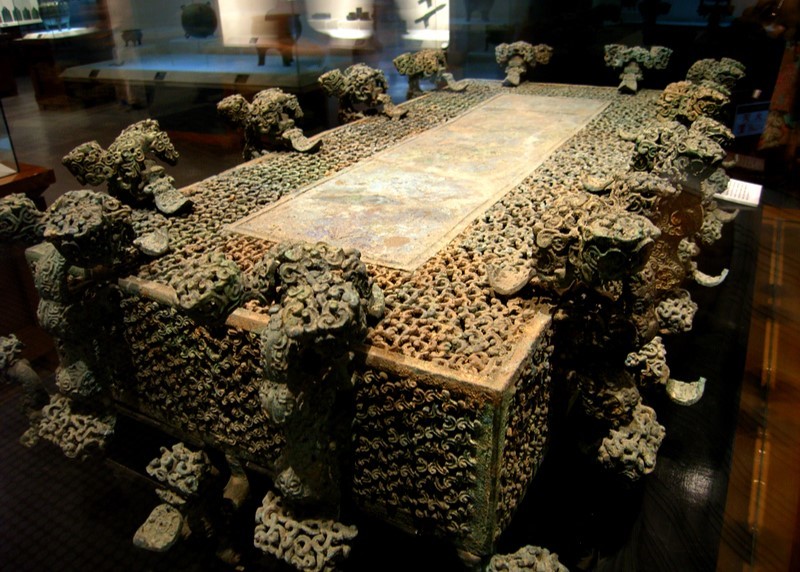
Introduction to investment casting manufacturing technique
Investment casting, also known as wax loss casting, is a long-standing metal forming process. The copper ban during the Spring and Autumn period in China was the earliest known lost wax casting method. The first step is to make a mold, using the mold to inject liquid wax into the mold to form a wax mold. Then, the wax mold is pasted into a pouring system according to the casting process, and the entire pouring system is made into a silica sol shell. After dewaxing, the entire shell becomes a cavity, and the cavity shell can be poured with molten steel after calcination. After cooling, the steel material product is formed. Subsequently, through processes such as cutting and grinding, sandblasting, heat treatment, correction, welding repair, electroplating, and machining, the cast products required by the customer are formed.
2024/10/08

Dalian is a beautiful coastal city in Northeast China, with beautiful scenery and pleasant climate. It is an important industrial production base, an international shipping center in Northeast Asia.
2024/07/11
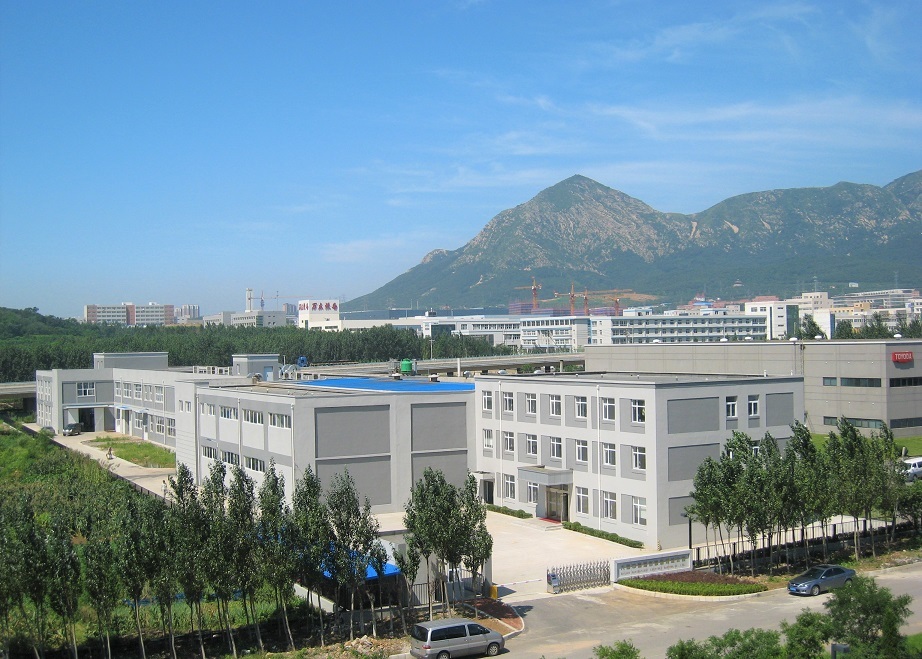
Dalian Sakabe has own foundry factory and focus on providing high-quality precision casting products to domestic and foreign customers since its establishment in 2005.
2024/10/08
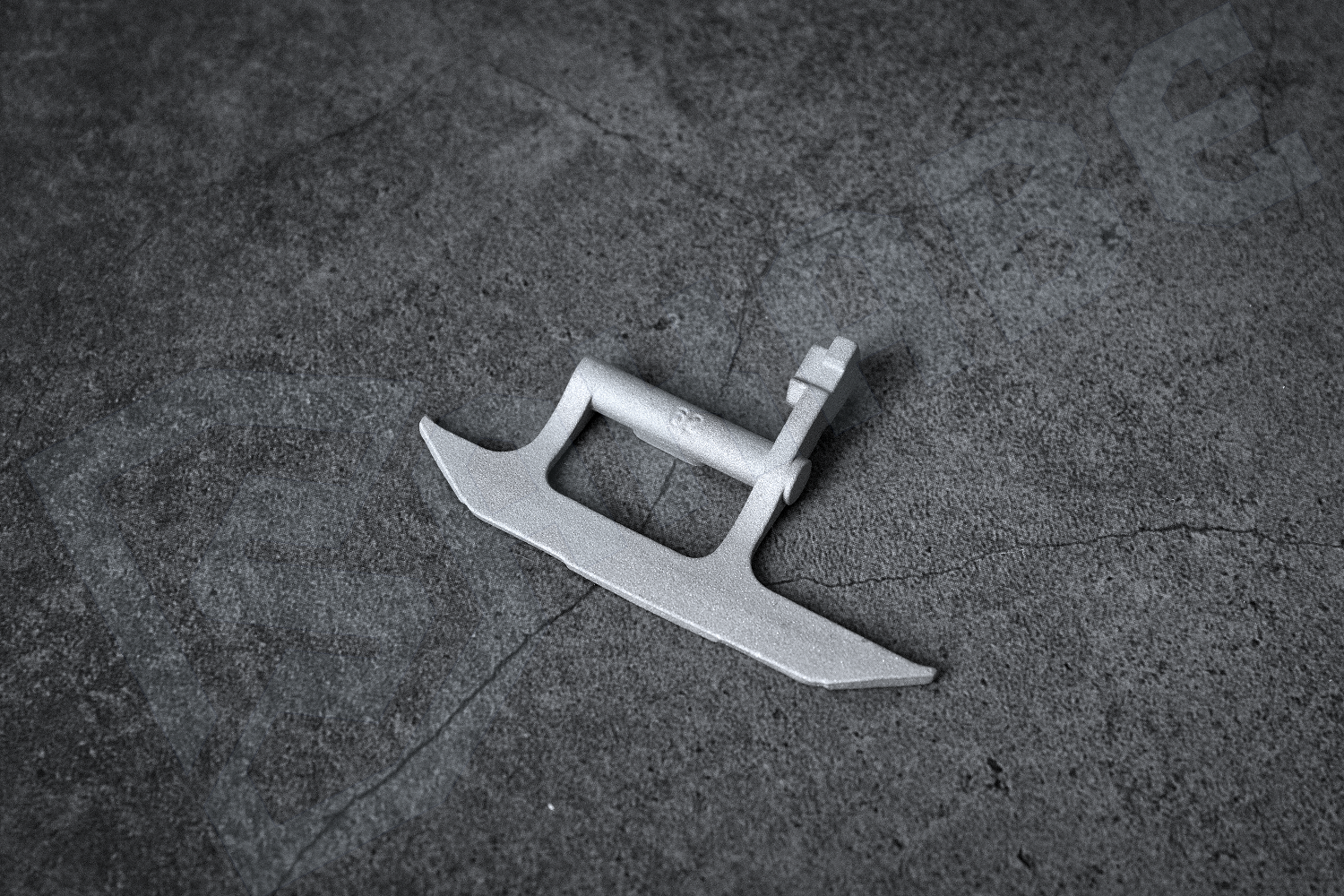
The Crucial Role of Casting Material Trays in Advanced Manufacturing
In the ever-evolving landscape of manufacturing, optimizing heat treatment processes through the strategic use of casting material trays is paramount
2025/09/19
CONTACT US
Tel: +86 136-5494-1611
E-mail: alexzheng@sakabe.cn
Office Address:
No.18 Dongbei Qi Street, Jinpu New Area, Dalian, Liaoning, China
Factory Address:
No.26 Fuan Street, Jinpu New Area, Dalian, Liaoning, China
