

Innovative Applications of Flowmeter Die-Casting Parts in Industrial Settings
Table of Contents
- 1. Introduction to Flowmeter Die-Casting Parts
- 2. Understanding Flowmeters and Their Importance
- 3. The Die-Casting Process Explained
- 4. Innovative Applications of Flowmeter Die-Casting Parts
- 4.3 In the Energy Sector
- 4.4 In the Automotive Industry
1. Introduction to Flowmeter Die-Casting Parts
The evolution of industrial technologies has led to the development of sophisticated components that enhance efficiency and precision. Among these, **flowmeter die-casting parts** stand out for their pivotal role in various industrial applications. These components not only facilitate accurate measurement of fluid flow but also contribute to overall process optimization. As industries strive for increased productivity and reduced operational costs, the implementation of these advanced parts is becoming more prevalent.
2. Understanding Flowmeters and Their Importance
Flowmeters are devices designed to measure the flow rate of liquids or gases within a system. They serve a critical purpose in many industries, including water treatment, oil and gas, and chemical processing, where precise measurement is vital for operational efficiency and safety. The accuracy and reliability of flowmeters directly impact the quality of production processes, making them indispensable tools in modern manufacturing.
3. The Die-Casting Process Explained
Die casting is a manufacturing process that involves forcing molten metal into a mold cavity under high pressure. This technique allows for the production of complex shapes with high dimensional accuracy and a smooth surface finish. The use of die-casting in flowmeter components results in durability and longevity, ensuring that the parts can withstand extreme conditions while maintaining their performance.
4. Innovative Applications of Flowmeter Die-Casting Parts
As industries evolve, so do the applications of flowmeter die-casting parts. Here, we explore some of the most innovative uses:
4.1 In the Manufacturing Industry
In manufacturing, flowmeter die-casting parts are utilized to monitor the flow of raw materials, ensuring optimal mixing and processing. This capability enhances production efficiency, reducing waste and improving quality control.
4.2 In Water Management Systems
Water management systems rely heavily on accurate flow measurement for effective resource management. Flowmeter die-casting parts play a crucial role in monitoring water supply, distribution, and treatment processes, thereby supporting sustainable practices.
4.3 In the Energy Sector
The energy sector employs flowmeter die-casting parts to measure fuel and coolant flow in various applications, such as power generation and oil refining. The precision of these components ensures that processes run smoothly and safely, significantly reducing the risk of accidents.
4.4 In the Automotive Industry
In the automotive sector, flowmeter die-casting components are integral to systems that require precise flow measurements, such as fuel injection and cooling systems. Their reliability contributes to improved vehicle performance and fuel efficiency.
5. Advantages of Using Flowmeter Die-Casting Parts
Flowmeter die-casting parts offer numerous benefits, including:
- **Enhanced Precision**: Die-casting provides high dimensional accuracy, ensuring that flow measurements are reliable.
- **Durability**: These components are designed to withstand harsh conditions, resulting in a longer lifespan.
- **Cost-Effectiveness**: Although the initial investment can be significant, the long-term savings from reduced maintenance and operational efficiency make them a cost-effective choice.
- **Versatility**: Flowmeter die-casting parts can be customized to meet the specific needs of various industries.
6. Challenges and Solutions in Implementation
Despite their advantages, implementing flowmeter die-casting parts is not without challenges. Common issues include:
- **High Initial Costs**: The investment in die-casting technology can be substantial. However, businesses can offset this by focusing on the long-term savings associated with efficiency gains.
- **Complex Manufacturing Processes**: The die-casting process requires precision and expertise. Collaborating with experienced manufacturers can help mitigate these challenges.
- **Material Limitations**: Selecting the right material is crucial for the performance of flowmeter parts. Ongoing research and development are essential to discover new alloys that enhance performance.
7. Future Trends in Flowmeter Die-Casting Technology
The future of flowmeter die-casting technology looks promising, with several trends emerging:
- **Smart Technology Integration**: The incorporation of IoT (Internet of Things) technology enables real-time monitoring and analytics, enhancing flowmeter capabilities.
- **Sustainable Manufacturing Practices**: As industries become more environmentally conscious, there is a growing focus on using sustainable materials and processes in die-casting.
- **Customization and Flexibility**: Advances in 3D printing and modeling may lead to more bespoke solutions that cater to specific industrial requirements.
8. Conclusion
In summary, flowmeter die-casting parts represent a significant advancement in industrial technology. Their applications span various sectors, providing unparalleled precision and reliability in flow measurement. As industries continue to embrace innovation, the demand for these components will only grow. By investing in flowmeter die-casting technology, companies can not only enhance their operational efficiency but also position themselves for future advancements in manufacturing and process management.
9. FAQs
1. What are flowmeter die-casting parts?
Flowmeter die-casting parts are components used in flow measurement devices, manufactured through the die-casting process, which allows for high precision and durability.
2. Why are flowmeters important in industrial settings?
Flowmeters are crucial for accurate measurement of liquid and gas flow, impacting the efficiency and safety of industrial processes.
3. How does the die-casting process work?
The die-casting process involves injecting molten metal into a mold under high pressure, creating intricately shaped parts with excellent surface finish.
4. What industries benefit from flowmeter die-casting parts?
Industries such as manufacturing, water management, energy, and automotive benefit from the use of flowmeter die-casting parts.
5. What are the advantages of using flowmeter die-casting parts?
Advantages include enhanced precision, durability, cost-effectiveness, and versatility tailored to various industrial needs.
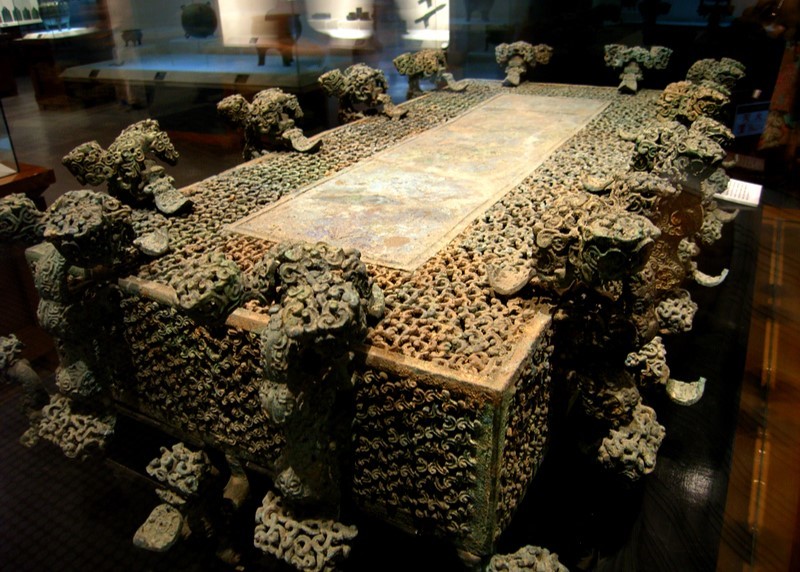
Introduction to investment casting manufacturing technique
Investment casting, also known as wax loss casting, is a long-standing metal forming process. The copper ban during the Spring and Autumn period in China was the earliest known lost wax casting method. The first step is to make a mold, using the mold to inject liquid wax into the mold to form a wax mold. Then, the wax mold is pasted into a pouring system according to the casting process, and the entire pouring system is made into a silica sol shell. After dewaxing, the entire shell becomes a cavity, and the cavity shell can be poured with molten steel after calcination. After cooling, the steel material product is formed. Subsequently, through processes such as cutting and grinding, sandblasting, heat treatment, correction, welding repair, electroplating, and machining, the cast products required by the customer are formed.
2024/10/08

Dalian is a beautiful coastal city in Northeast China, with beautiful scenery and pleasant climate. It is an important industrial production base, an international shipping center in Northeast Asia.
2024/07/11
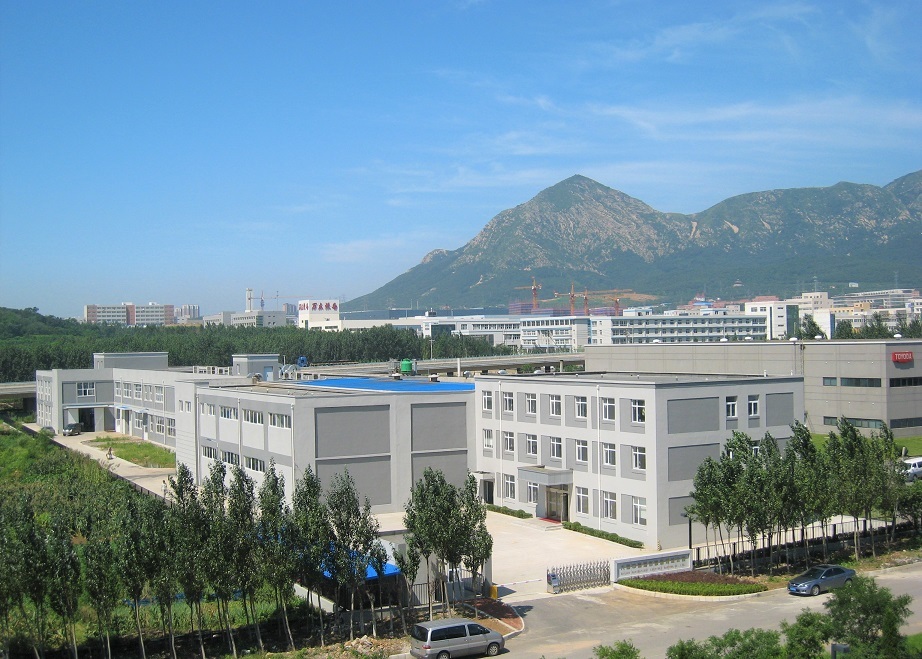
Dalian Sakabe has own foundry factory and focus on providing high-quality precision casting products to domestic and foreign customers since its establishment in 2005.
2024/10/08
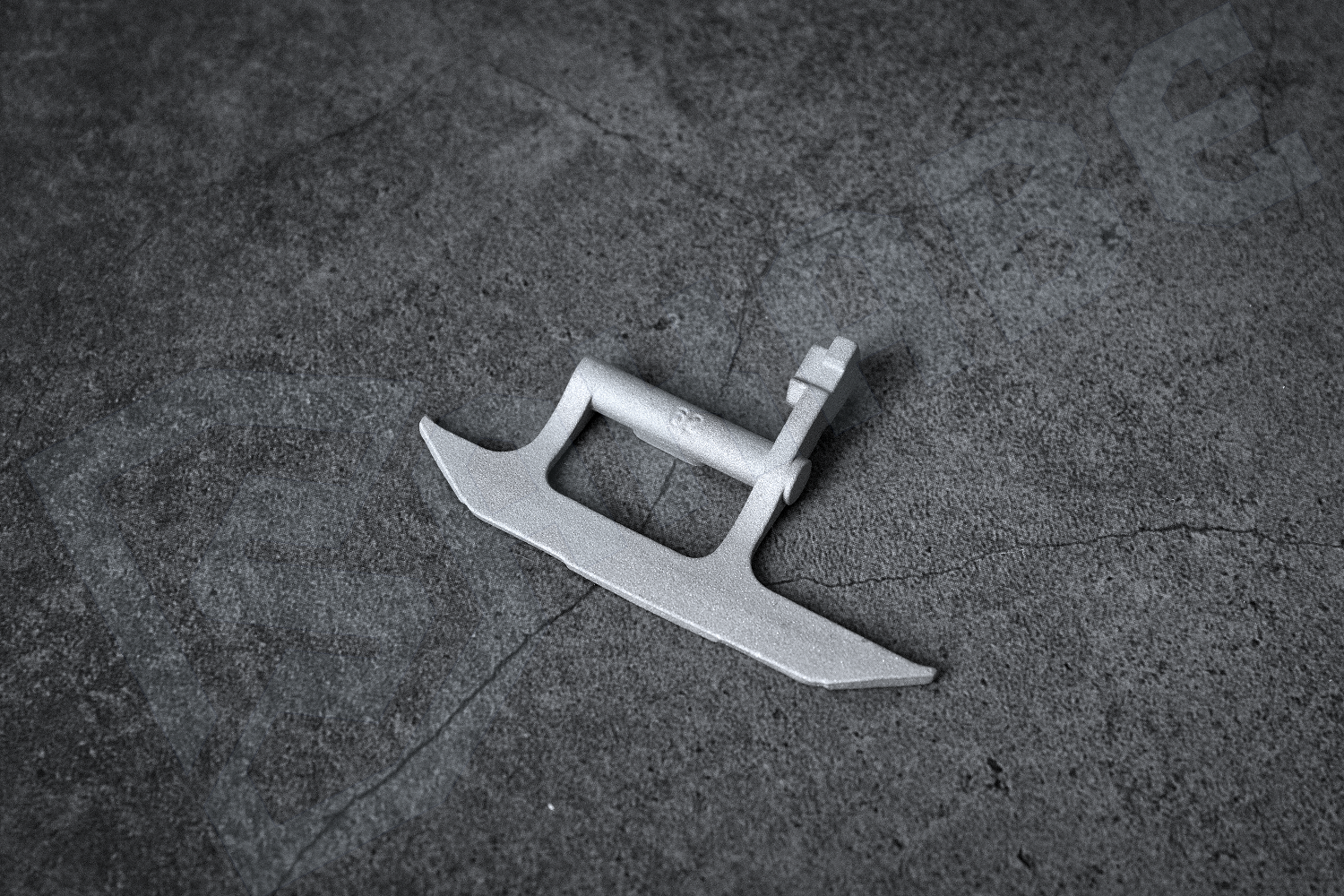
The Crucial Role of Casting Material Trays in Advanced Manufacturing
In the ever-evolving landscape of manufacturing, optimizing heat treatment processes through the strategic use of casting material trays is paramount
2025/09/19
CONTACT US
Tel: +86 136-5494-1611
E-mail: alexzheng@sakabe.cn
Office Address:
No.18 Dongbei Qi Street, Jinpu New Area, Dalian, Liaoning, China
Factory Address:
No.26 Fuan Street, Jinpu New Area, Dalian, Liaoning, China
