


How Sewing Machine Parts Casting Influences Manufacturing Efficiency
Table of Contents
1. Introduction to Sewing Machine Parts Casting
2. The Importance of Efficient Manufacturing Processes
3. Overview of Casting Methods in Sewing Machine Parts Production
3.1 Sand Casting
3.2 Die Casting
3.3 Investment Casting
4. Materials Used in Casting Sewing Machine Parts
4.1 Metals Commonly Used
4.2 Alloys and Their Benefits
5. Enhancing Manufacturing Efficiency Through Casting Techniques
5.1 Reducing Waste and Costs
5.2 Improving Precision and Quality
6. Challenges in Casting Sewing Machine Parts
7. Future Trends in Casting for Manufacturing Efficiency
8. Conclusion
9. FAQs
1. Introduction to Sewing Machine Parts Casting
The manufacturing of sewing machine parts requires precision, durability, and efficiency. Casting plays a crucial role in shaping these parts, significantly influencing the overall manufacturing process. By understanding how different casting techniques impact the production of sewing machine components, manufacturers can optimize efficiency, enhance product quality, and reduce operational costs.
2. The Importance of Efficient Manufacturing Processes
In today's competitive market, efficiency is key to success. Manufacturers strive to minimize production time and costs while maximizing quality. Efficient manufacturing processes lead to shorter lead times, lower operational costs, and enhanced customer satisfaction. Sewing machine parts casting is fundamental in achieving these goals, ensuring that components meet stringent industry standards while being produced in a timely manner.
3. Overview of Casting Methods in Sewing Machine Parts Production
Casting is a process where molten material is poured into a mold to create a specific shape. In the context of sewing machine parts, several casting methods are commonly employed, each with its unique advantages and applications.
3.1 Sand Casting
Sand casting is one of the oldest and most widely used casting methods due to its simplicity and low cost. In this process, a mixture of sand and a binder is formed into a mold. The molten metal is poured into the cavity, and once cooled, the mold is removed. This method is particularly effective for producing large and complex shapes, making it suitable for various sewing machine components.
3.2 Die Casting
Die casting involves forcing molten metal under high pressure into a mold cavity. This method is preferred for producing parts with high dimensional accuracy and a smooth surface finish. Die casting is particularly beneficial for manufacturing small to medium-sized sewing machine parts, allowing for rapid production and consistent quality.
3.3 Investment Casting
Investment casting, also known as precision casting, uses a wax pattern that is coated with a ceramic shell. Once the shell hardens, the wax is melted away, leaving a precise mold for the molten metal. This method is ideal for intricate designs and achieves high precision, making it perfect for detailed sewing machine components.
4. Materials Used in Casting Sewing Machine Parts
The choice of materials in casting significantly affects the performance and durability of sewing machine parts. Understanding the properties of different materials aids manufacturers in selecting the right options for specific applications.
4.1 Metals Commonly Used
Aluminum and zinc are two of the most common metals used in casting sewing machine parts. Aluminum offers excellent strength-to-weight ratio, corrosion resistance, and good thermal conductivity, making it ideal for various applications. Zinc, on the other hand, is known for its low melting point and ease of casting, often used in smaller, intricate components.
4.2 Alloys and Their Benefits
Using alloys in casting can enhance the properties of the final product. For instance, aluminum alloys can improve strength and wear resistance, while brass alloys can provide better corrosion resistance. Selecting the appropriate alloy can significantly influence the durability and performance of sewing machine parts.
5. Enhancing Manufacturing Efficiency Through Casting Techniques
Casting techniques can dramatically influence the efficiency of manufacturing processes. By optimizing these methods, manufacturers can achieve significant improvements in productivity.
5.1 Reducing Waste and Costs
Efficient casting processes minimize material wastage. By employing advanced techniques such as computer-aided design (CAD) and simulation software, manufacturers can optimize mold designs, leading to reduced scrap rates and lower material costs. This proactive approach allows for more sustainable production practices.
5.2 Improving Precision and Quality
Casting methods such as die casting and investment casting offer high precision and consistent quality. By ensuring that each part meets stringent specifications, manufacturers can reduce rework and improve overall production speed. Enhanced quality also translates to higher customer satisfaction and reduced warranty claims.
6. Challenges in Casting Sewing Machine Parts
While casting offers numerous benefits, it is not without challenges. Manufacturers must be aware of potential issues that can arise during the casting process.
One significant challenge is ensuring mold integrity. Mold defects can lead to production delays and increased costs. Additionally, variations in temperature and material flow can affect the final product's quality. Staying ahead of these challenges requires continuous monitoring and adaptation of casting processes.
7. Future Trends in Casting for Manufacturing Efficiency
The future of casting in sewing machine parts manufacturing is bright. As technology advances, new methods and materials are emerging that promise to enhance efficiency further.
Additive manufacturing, for instance, is beginning to influence traditional casting methods. By allowing for more complex geometries and reduced lead times, 3D printing technologies can complement traditional casting processes, enabling manufacturers to create more innovative designs.
Furthermore, the integration of Industry 4.0 technologies, such as IoT and data analytics, will allow for smarter manufacturing processes. By leveraging real-time data, manufacturers can optimize casting operations, leading to enhanced efficiency and reduced downtime.
8. Conclusion
The impact of sewing machine parts casting on manufacturing efficiency is profound. By understanding various casting methods, materials, and challenges, manufacturers can make informed decisions that optimize production processes. Embracing innovative techniques and keeping abreast of industry trends will be paramount in achieving long-term success in the sewing machine manufacturing sector.
9. FAQs
Q1: What is the most commonly used casting method for sewing machine parts?
A1: Sand casting is widely used due to its cost-effectiveness and versatility for producing large and complex shapes.
Q2: How does die casting improve manufacturing efficiency?
A2: Die casting allows for high dimensional accuracy and a smooth surface finish, leading to faster production rates and reduced rework.
Q3: What materials are typically used in casting sewing machine parts?
A3: Common materials include aluminum and zinc, with various alloys used to enhance specific properties.
Q4: What are the main challenges in the casting process?
A4: Key challenges include ensuring mold integrity, managing temperature variations, and preventing material defects.
Q5: How is technology shaping the future of casting in manufacturing?
A5: Advanced technologies such as additive manufacturing and Industry 4.0 integrations are enhancing casting efficiency, allowing for more complex designs and smarter production processes.

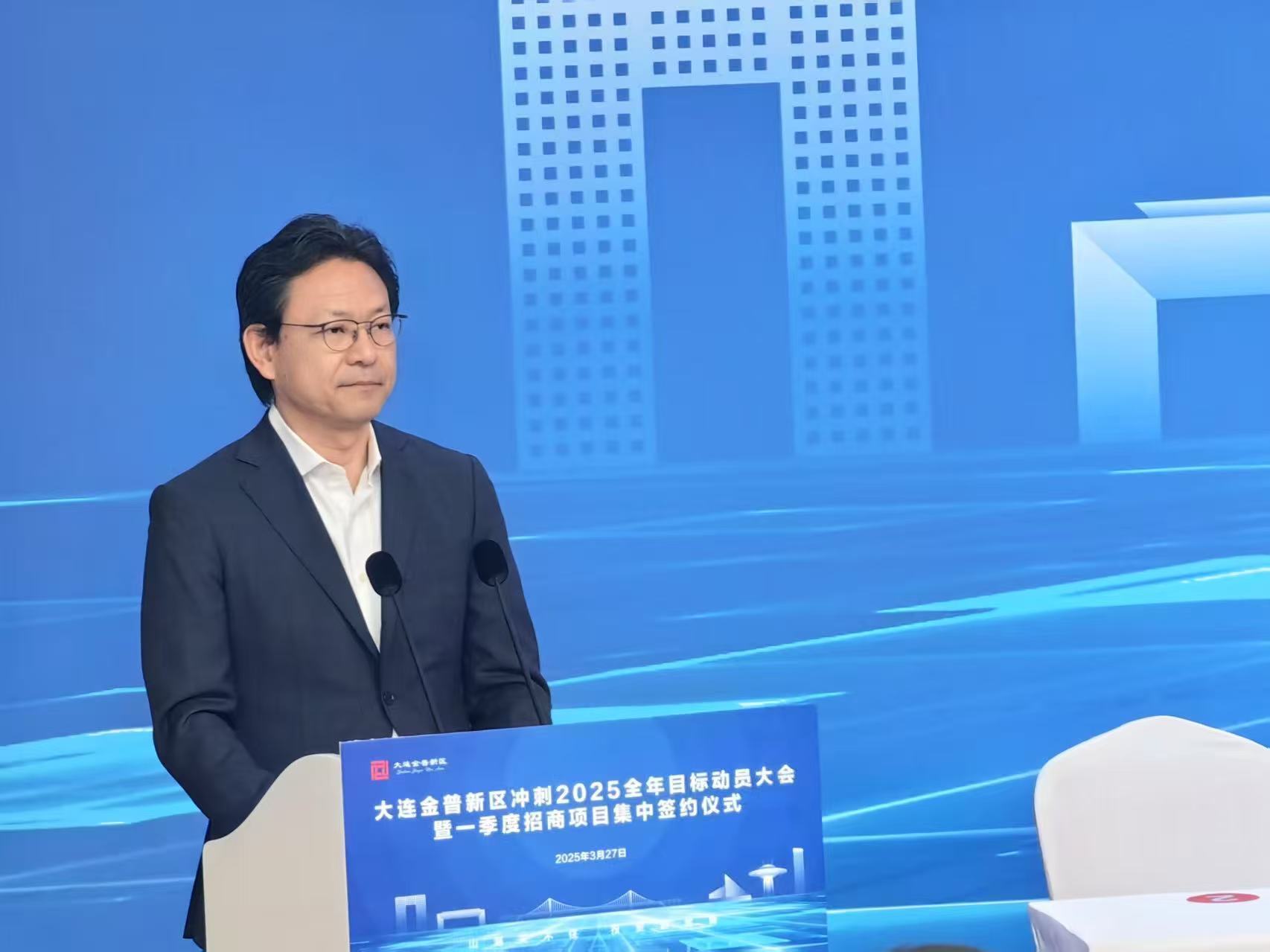
Dalian Sakabe was invited to participate in the Dalian investment promotion project ceremony
On March 27, 2025, Dalian Sakabe, as an advanced foreign-funded enterprise in Dalian, was invited to participate in the investment promotion project ceremony of Dalian China.
2025/04/01

It is pleased that partner NME come to visit us Sakabe foundry
It is pleased that partner NME come to visit us Sakabe foundry. We share the same philosophy about quality standards, product positioning, environmental protection, and sustainable development. It's lucky to meet like-minded partners!
2025/02/19
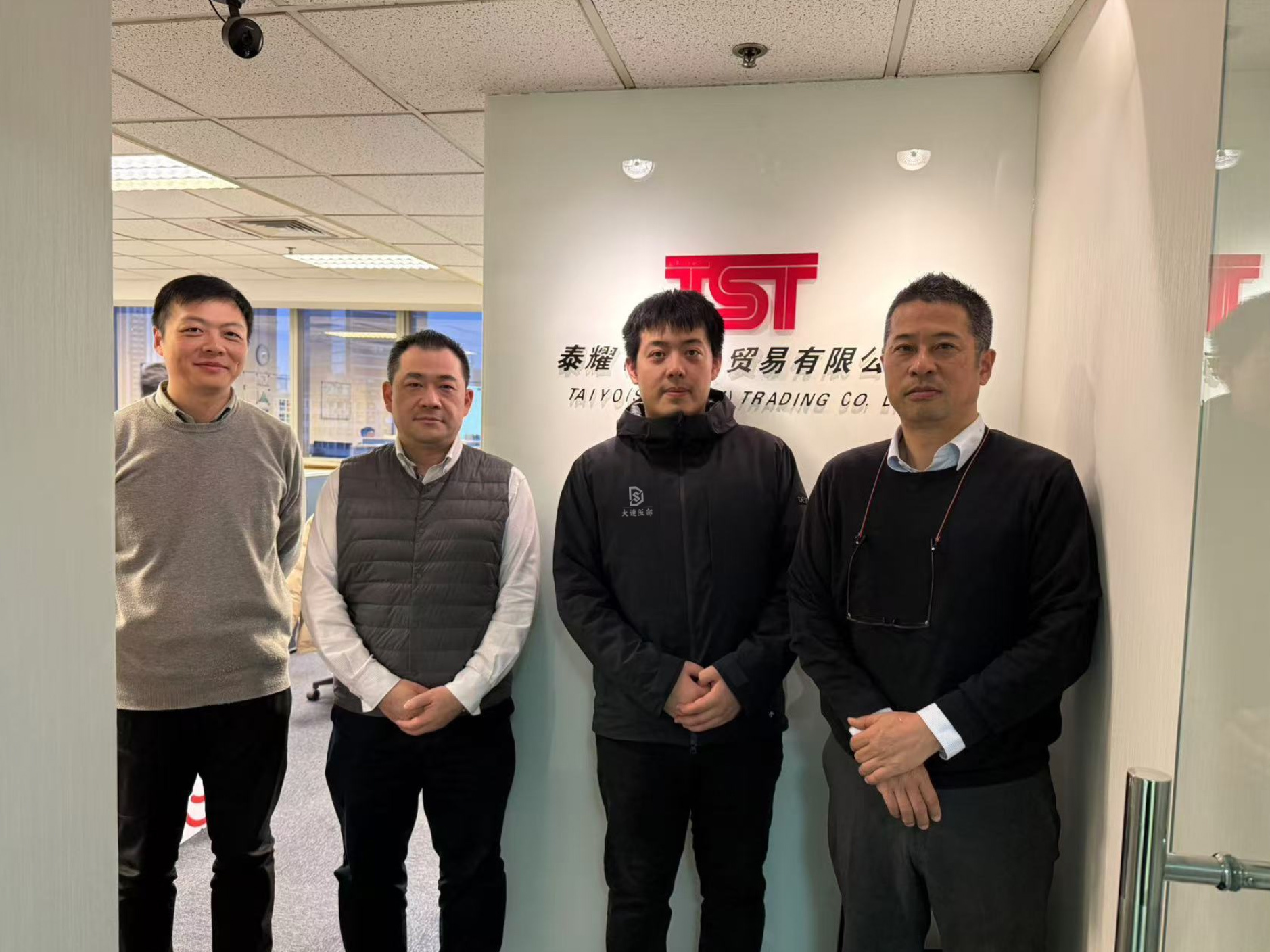
Great meeting with partner in Shanghai
Dalian Sakabe paying visit to our partner TST in Shanghai. Had discussions and plans for long term co-operation. Great thanks for your support!
2025/01/02
CONTACT US
Tel: +86 136-5494-1611
E-mail: alexzheng@sakabe.cn
Office Address:
No.18 Dongbei Qi Street, Jinpu New Area, Dalian, Liaoning, China
Factory Address:
No.26 Fuan Street, Jinpu New Area, Dalian, Liaoning, China
