


Top 5 Applications of Flowmeter Parts Casting in Industry
In today’s fast-paced industrial landscape, precision and reliability in measuring fluid flow are paramount. Flowmeters serve as essential instruments in various sectors, from water treatment to oil and gas. The components that make up these devices, particularly those created through casting, play a vital role in their functionality. In this article, we will explore the **top five applications of flowmeter parts casting** in industry, highlighting their significance and advantages.
Table of Contents
1. Introduction to Flowmeter Parts Casting
2. The Role of Flowmeters in Industrial Applications
3. Application 1: Water Treatment Plants
4. Application 2: Oil and Gas Industry
5. Application 3: Chemical Processing
6. Application 4: Food and Beverage Industry
7. Application 5: HVAC Systems
8. Advantages of Flowmeter Parts Casting
9. Conclusion
10. Frequently Asked Questions (FAQs)
1. Introduction to Flowmeter Parts Casting
Flowmeter parts casting involves the creation of components using metal casting techniques. This manufacturing process allows for the production of intricate shapes and designs that are essential for the operation of flowmeters. The use of casting in producing flowmeter parts ensures **high durability**, **cost-effectiveness**, and **precision**.
Casting methods, such as sand casting, investment casting, and die casting, are utilized to produce flowmeter parts that can withstand harsh industrial environments. These components are critical for measuring the flow rates of liquids and gases, ensuring that industries can operate efficiently.
2. The Role of Flowmeters in Industrial Applications
Flowmeters are vital tools in various industries, providing accurate measurements of fluid flow. They help in monitoring, controlling, and optimizing processes, contributing to enhanced productivity and cost savings. The importance of flowmeters extends to sectors such as water treatment, oil and gas, chemical processing, food and beverage, and HVAC systems.
By tracking flow rates, businesses can manage resources effectively, reduce waste, and ensure compliance with regulatory standards. Flowmeter parts casting plays a crucial role in developing reliable and long-lasting flowmeters that meet the specific needs of these industries.
3. Application 1: Water Treatment Plants
In water treatment plants, flowmeters are essential for monitoring the flow of water through various stages of purification and distribution. The casting of flowmeter parts, such as housings and rotors, ensures that these devices can withstand corrosive environments and high pressures.
**Key Benefits:**
- **Accuracy in Measurement:** Flowmeters provide precise data on water flow, helping operators adjust processes as needed.
- **Regulatory Compliance:** Accurate measurements are essential for meeting environmental regulations and ensuring safe water supply.
- **Cost-Efficiency:** By optimizing flow rates, treatment plants can reduce energy consumption and operational costs.
With effective flow measurement, water treatment facilities can enhance their overall performance and deliver safe, clean water to communities.
4. Application 2: Oil and Gas Industry
The oil and gas sector relies heavily on flowmeters for the measurement of crude oil, natural gas, and refined products. The casting process used to create flowmeter components ensures that these devices can handle extreme conditions, including high temperatures and pressures.
**Key Benefits:**
- **Durability:** Casting materials like stainless steel and alloy metals provide high resistance to wear and corrosion.
- **Safety and Compliance:** Accurate flow measurement is critical for safety and compliance with industry regulations, preventing leaks and environmental hazards.
- **Operational Efficiency:** Flowmeters enable better monitoring of pipeline performance, helping companies to optimize production and reduce downtime.
In this industry, the reliability of flowmeter parts is crucial for maintaining safety and efficiency throughout the entire supply chain.
5. Application 3: Chemical Processing
In chemical processing, flowmeters are essential for managing the flow of various liquids and gases used in production. The casting of flowmeter parts ensures that they can withstand corrosive chemicals and high-pressure environments.
**Key Benefits:**
- **Chemical Resistance:** Cast parts made from specialized alloys offer enhanced resistance to corrosive materials.
- **Precision Control:** Accurate flow measurement allows for better control of chemical reactions, ensuring product quality and consistency.
- **Reduced Waste:** By optimizing flow rates, chemical plants can minimize waste and enhance sustainability efforts.
Flowmeter parts casting thus plays a pivotal role in ensuring safe and efficient chemical processing operations.
6. Application 4: Food and Beverage Industry
In the food and beverage industry, maintaining hygiene and product quality is paramount. Flowmeters help monitor the flow of liquids like water, juices, and other consumables, ensuring that production processes meet health standards. The casting of flowmeter components, such as valves and fittings, is essential for ensuring cleanliness and reliability.
**Key Benefits:**
- **Hygienic Design:** Cast components can be designed to meet strict hygiene standards, reducing the risk of contamination.
- **Accurate Measurements:** Precise flow measurement ensures consistency in product quality.
- **Efficiency:** Effective flow management helps optimize production processes and reduce operational costs.
Overall, flowmeter parts casting is integral to maintaining safety and quality in the food and beverage sector.
7. Application 5: HVAC Systems
Heating, ventilation, and air conditioning (HVAC) systems heavily rely on flowmeters to regulate air and fluid flow. Flowmeter parts derived from casting processes ensure that these devices are reliable and effective in maintaining energy efficiency and comfort in indoor environments.
**Key Benefits:**
- **Energy Efficiency:** Accurate flow measurement helps in optimizing HVAC system performance, leading to lower energy costs.
- **Comfort Control:** Flowmeters enable precise control of temperature and airflow, enhancing indoor comfort.
- **Durability:** Cast components are designed to withstand the rigors of HVAC applications, ensuring long-term reliability.
Incorporating flowmeter parts casting into HVAC systems greatly improves their efficiency and functionality.
8. Advantages of Flowmeter Parts Casting
Flowmeter parts casting offers numerous advantages, making it a preferred choice in various industries.
**Cost-Effectiveness:** Casting allows for the mass production of complex shapes at lower costs compared to other manufacturing methods.
**Design Flexibility:** The casting process enables the production of intricate designs that may be challenging or impossible with other methods.
**High Durability:** Cast materials often possess superior strength and wear resistance, extending the lifespan of flowmeter components.
**Customization:** Casting allows manufacturers to tailor parts to meet specific requirements, enhancing performance across different applications.
Overall, the benefits of flowmeter parts casting contribute to improved efficiency and reliability across various industrial applications.
9. Conclusion
Flowmeter parts casting is a cornerstone of fluid measurement and control in various industries. From water treatment to HVAC systems, the accuracy, durability, and cost-effectiveness of cast components make them invaluable. As industries continue to evolve and demand higher performance, the significance of flowmeter parts casting will only increase, reinforcing its critical role in ensuring operational efficiency and safety.
10. Frequently Asked Questions (FAQs)
**1. What is flowmeter parts casting?**
Flowmeter parts casting is a manufacturing process where metal components for flowmeters are produced using casting techniques, allowing for intricate and durable designs.
**2. Why is casting preferred for flowmeter parts?**
Casting offers advantages like cost-effectiveness, design flexibility, and high durability, making it suitable for manufacturing complex components used in flowmeters.
**3. What industries benefit from flowmeter parts casting?**
Industries such as water treatment, oil and gas, chemical processing, food and beverage, and HVAC systems benefit significantly from flowmeter parts casting.
**4. How does flow measurement impact industrial processes?**
Accurate flow measurement is crucial for optimizing processes, ensuring safety, reducing waste, and meeting regulatory standards.
**5. What materials are typically used in flowmeter parts casting?**
Common materials for flowmeter parts include stainless steel, bronze, and specialized alloys designed to withstand harsh industrial conditions.
By understanding the applications and benefits of flowmeter parts casting, industries can enhance their operational efficiency, safety, and compliance, ultimately driving better performance and productivity.


Dalian Sakabe was invited to participate in the Dalian investment promotion project ceremony
On March 27, 2025, Dalian Sakabe, as an advanced foreign-funded enterprise in Dalian, was invited to participate in the investment promotion project ceremony of Dalian China.
2025/04/01
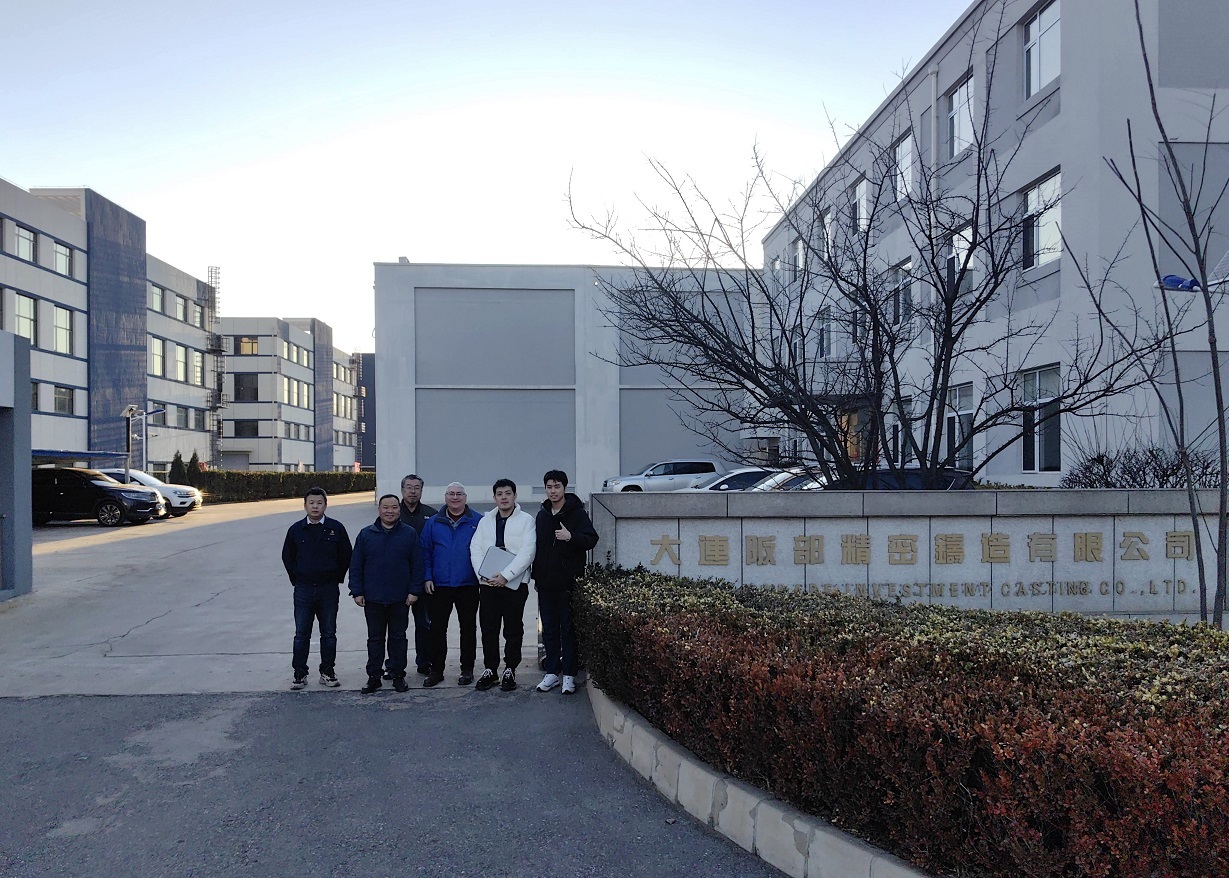
It is pleased that partner NME come to visit us Sakabe foundry
It is pleased that partner NME come to visit us Sakabe foundry. We share the same philosophy about quality standards, product positioning, environmental protection, and sustainable development. It's lucky to meet like-minded partners!
2025/02/19
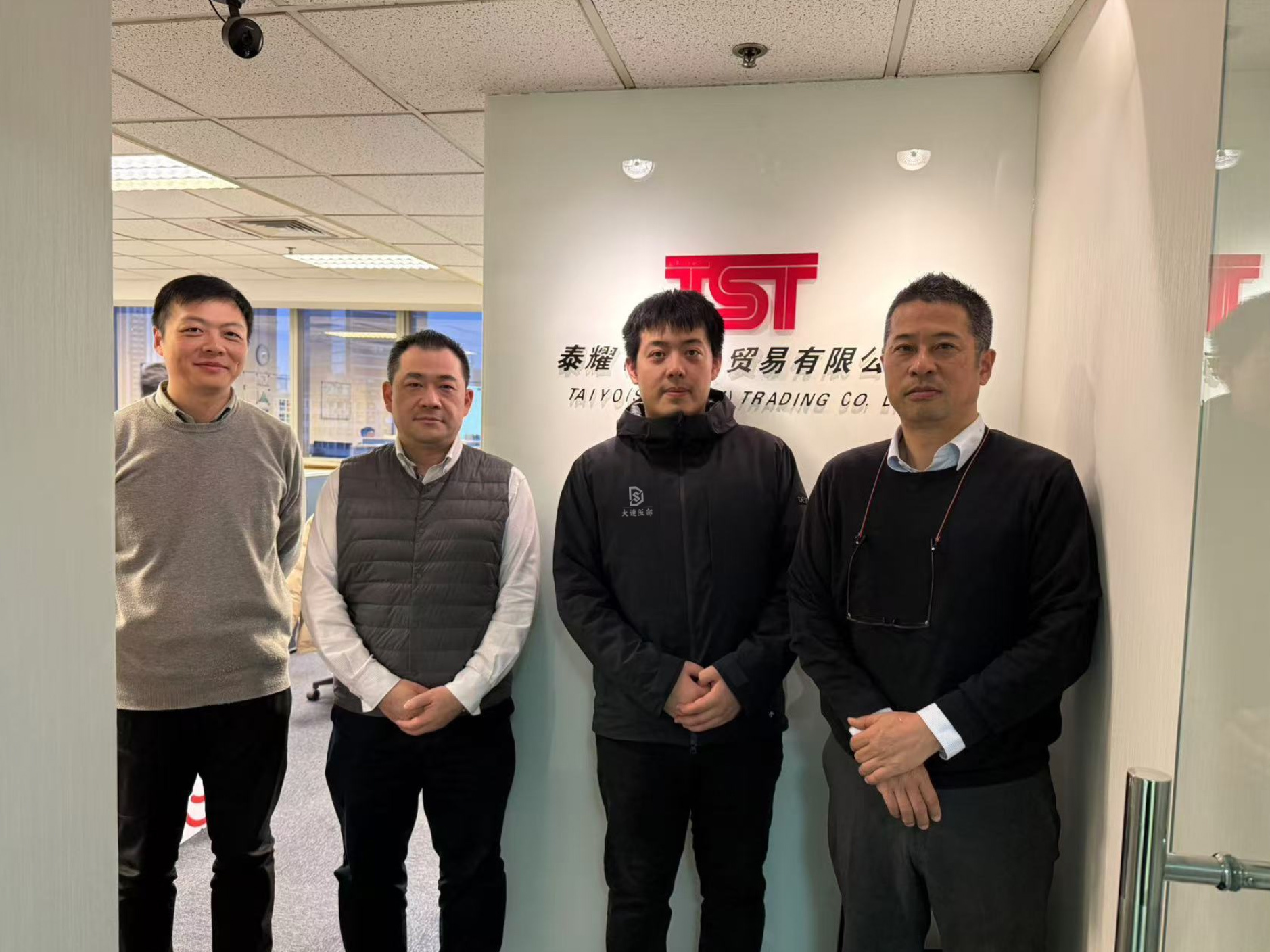
Great meeting with partner in Shanghai
Dalian Sakabe paying visit to our partner TST in Shanghai. Had discussions and plans for long term co-operation. Great thanks for your support!
2025/01/02
CONTACT US
Tel: +86 136-5494-1611
E-mail: alexzheng@sakabe.cn
Office Address:
No.18 Dongbei Qi Street, Jinpu New Area, Dalian, Liaoning, China
Factory Address:
No.26 Fuan Street, Jinpu New Area, Dalian, Liaoning, China
