


One of the primary advantages of using casting for medical equipment parts is its ability to produce complex geometries that may be difficult or impossible to achieve through other manufacturing techniques. Components such as housings, brackets, and specialized fittings often require detailed designs that can be efficiently realized through casting. This not only enhances the functionality of the medical devices but also helps in reducing assembly time and costs.
The materials used in medical equipment parts casting are also crucial. Common materials include aluminum, stainless steel, and various alloys that offer excellent strength-to-weight ratios and corrosion resistance. These materials are chosen not only for their mechanical properties but also for their compatibility with sterilization processes, which are vital in healthcare settings. The use of high-quality, biocompatible materials ensures that the end products meet stringent regulatory standards, which is essential for any medical device.
Moreover, the casting process itself can be tailored to achieve the desired properties of the respective parts. Techniques such as sand casting, investment casting, and die casting each offer unique benefits depending on the specific requirements of the components being manufactured. For instance, investment casting provides superior surface finish and dimensional accuracy, making it a preferred method for intricate medical parts.
In terms of sustainability, modern advancements in casting technologies have led to more efficient processes that minimize waste and energy consumption. Techniques such as recycling scrap metal and utilizing environmentally friendly materials are becoming increasingly important in the industry, aligning with the global push towards sustainable manufacturing practices.
Furthermore, the integration of advanced technologies, such as computer-aided design (CAD) and computer-aided manufacturing (CAM), into the casting process allows for greater precision and reduces the likelihood of defects. This integration enhances the overall quality of medical equipment parts, ensuring they perform reliably in critical applications.
In conclusion, the importance of medical equipment parts casting cannot be overstated. It plays a pivotal role in ensuring that medical devices are not only functional but also safe for patient use. As the healthcare sector continues to evolve, the demand for innovative casting solutions that meet the highest standards will only increase, making it essential for manufacturers to stay ahead of industry trends and technological advancements.

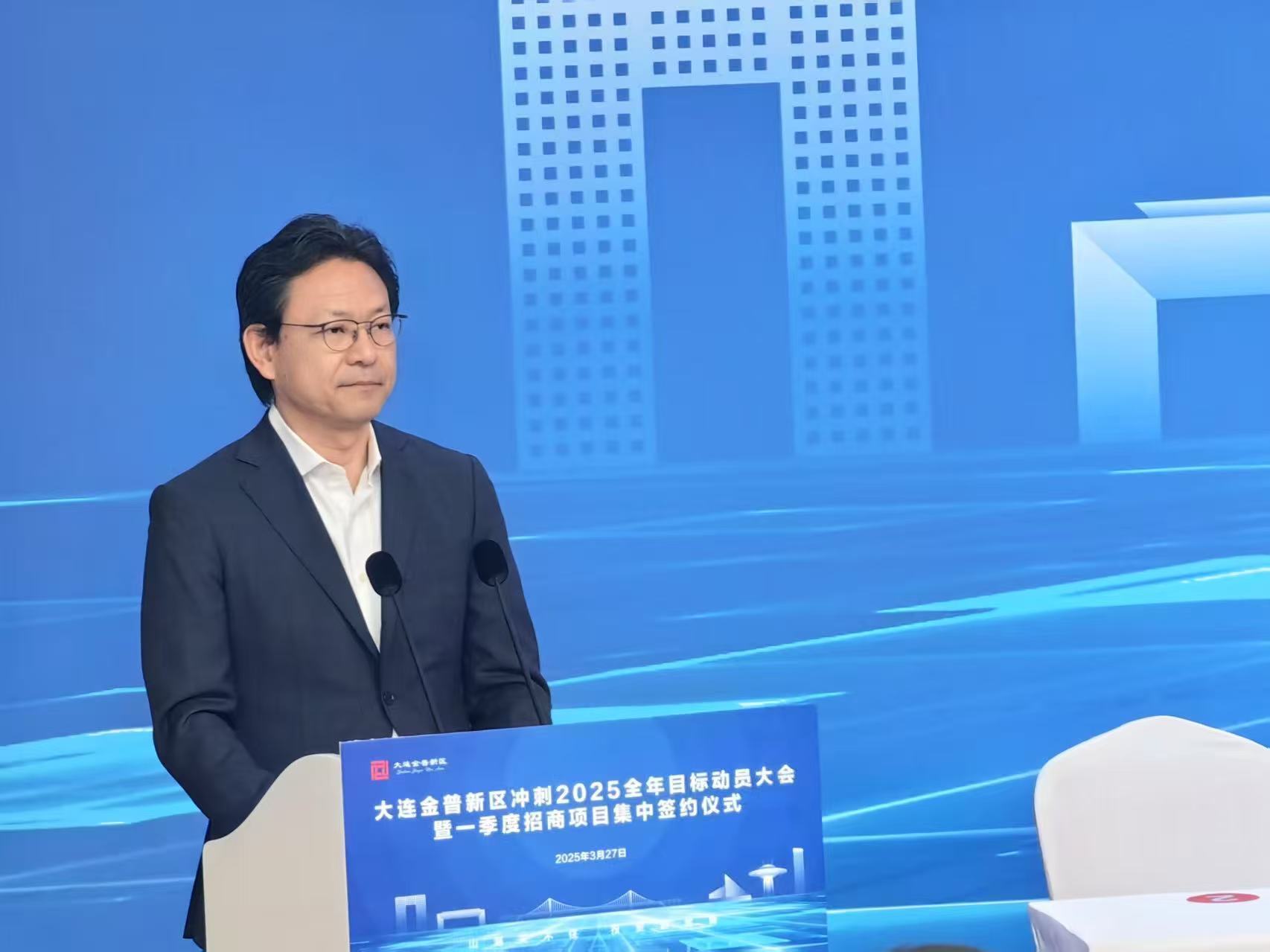
Dalian Sakabe was invited to participate in the Dalian investment promotion project ceremony
On March 27, 2025, Dalian Sakabe, as an advanced foreign-funded enterprise in Dalian, was invited to participate in the investment promotion project ceremony of Dalian China.
2025/04/01
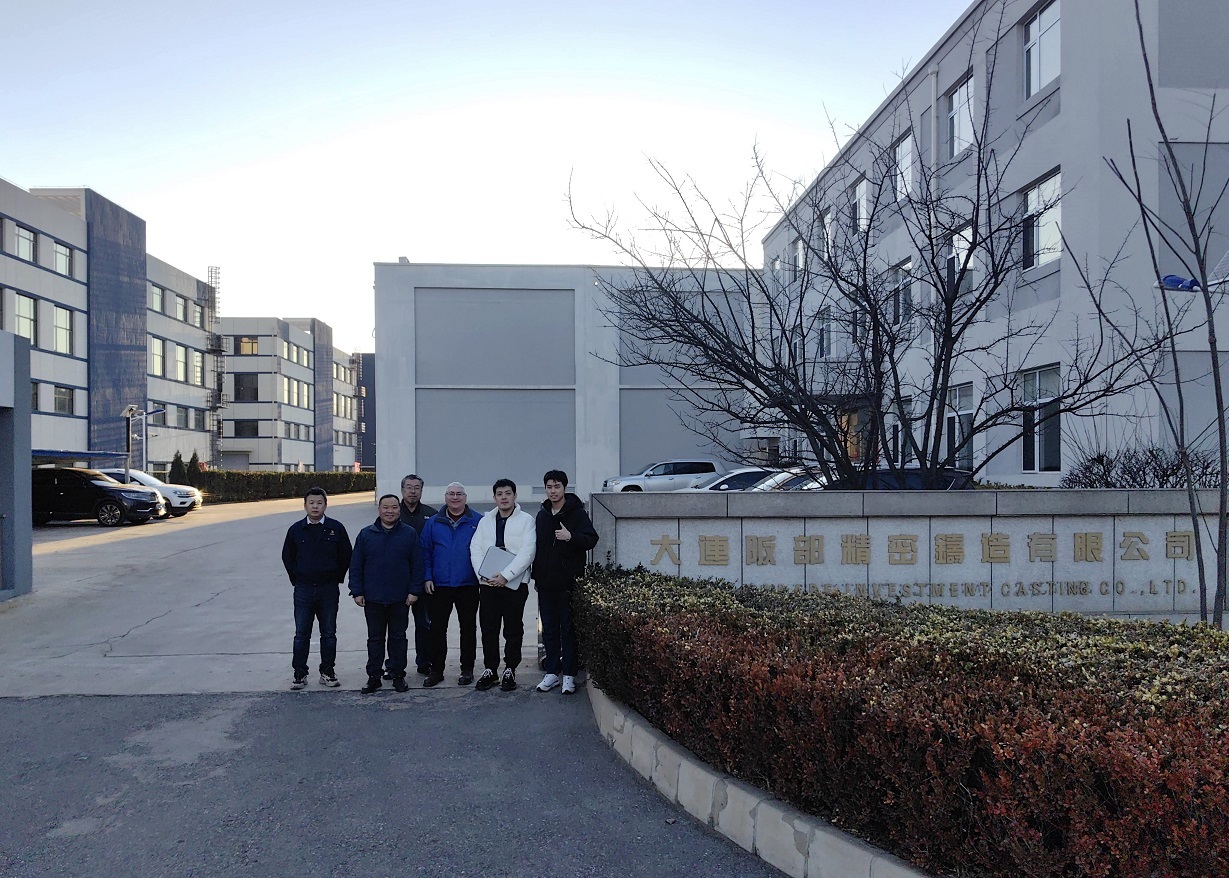
It is pleased that partner NME come to visit us Sakabe foundry
It is pleased that partner NME come to visit us Sakabe foundry. We share the same philosophy about quality standards, product positioning, environmental protection, and sustainable development. It's lucky to meet like-minded partners!
2025/02/19
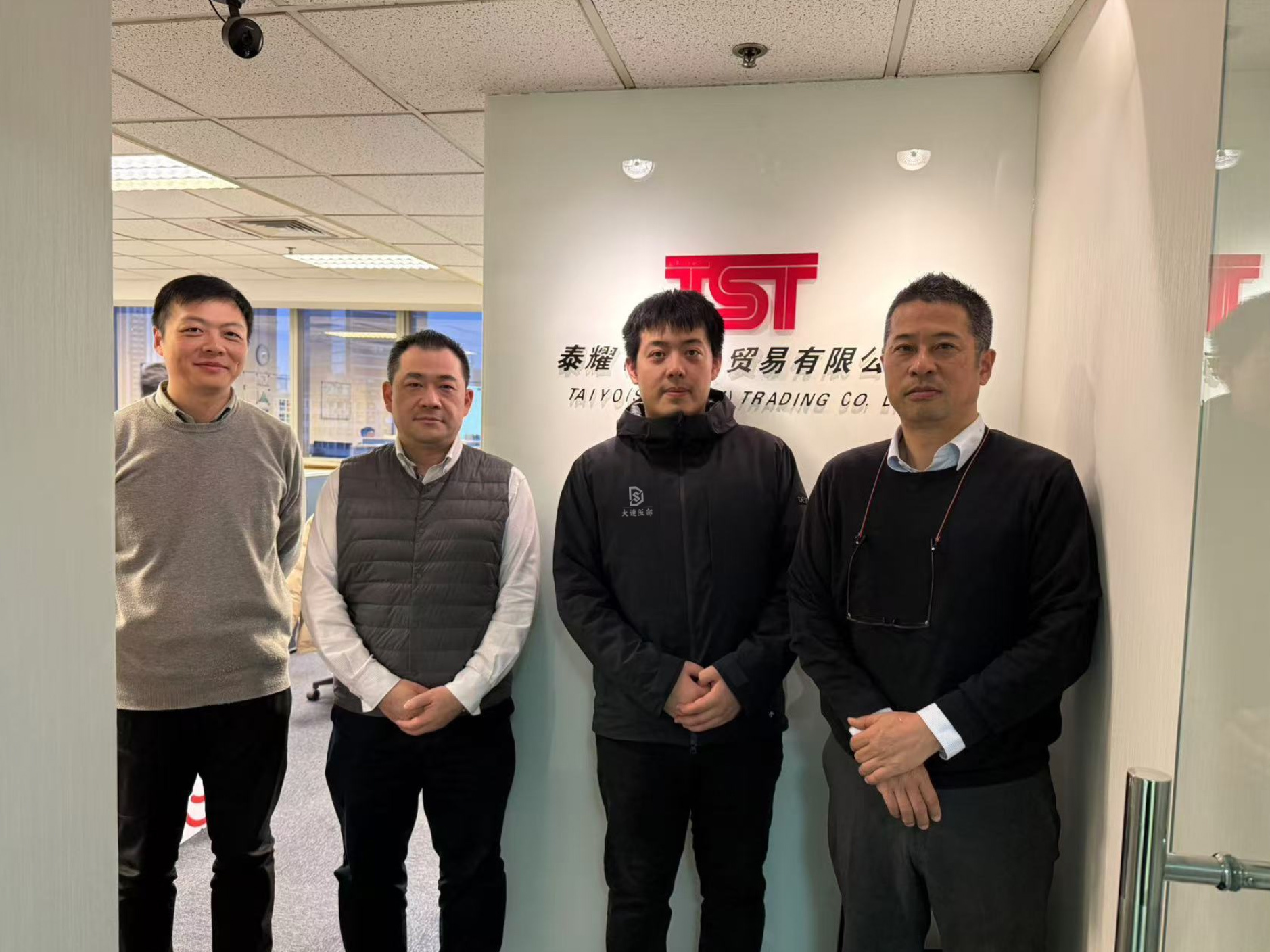
Great meeting with partner in Shanghai
Dalian Sakabe paying visit to our partner TST in Shanghai. Had discussions and plans for long term co-operation. Great thanks for your support!
2025/01/02
CONTACT US
Tel: +86 136-5494-1611
E-mail: alexzheng@sakabe.cn
Office Address:
No.18 Dongbei Qi Street, Jinpu New Area, Dalian, Liaoning, China
Factory Address:
No.26 Fuan Street, Jinpu New Area, Dalian, Liaoning, China
