


Maximize Your Production Output with Heat Treatment Tool Material Tray Frames
When it comes to optimizing production output in industrial settings, **heat treatment tool material tray frames** play a crucial role. Understanding how these components function and the benefits they offer can lead to considerable improvements in efficiency and productivity. In this article, we will explore various aspects of heat treatment tool material tray frames, including their construction, benefits, and best practices for implementation.
Table of Contents
- Understanding Heat Treatment Tool Material Tray Frames
- The Importance of Heat Treatment in Industrial Production
- Benefits of Using Material Tray Frames
- Choosing the Right Material for Tray Frames
- Optimizing Production with Material Tray Frames
- Best Practices for Implementing Tray Frames in Production
- Case Studies and Success Stories
- Frequently Asked Questions
- Conclusion
Understanding Heat Treatment Tool Material Tray Frames
Heat treatment tool material tray frames are specialized fixtures that support the processing of materials during heat treatment cycles. These frames are designed to withstand high temperatures and ensure even heat distribution across the materials being treated. The frames can vary in design and material, depending on the specific requirements of the heat treatment process.
Construction of Material Tray Frames
The construction of these trays involves selecting materials that can tolerate extreme temperatures and resist deformation. **Metal alloys**, such as **stainless steel** and **aluminum**, are commonly used due to their durability and heat resistance. The design of the frames must also accommodate airflow and allow for proper heat penetration, which is essential for effective heat treatment.
Functionality of Material Tray Frames
Material tray frames serve multiple functions:
- **Support**: They provide stability for the materials being treated, preventing warping or damage.
- **Heat Distribution**: Ensuring uniform exposure to heat, which is critical for consistent treatment.
- **Ease of Handling**: Allowing for easier loading and unloading of materials into heat treatment furnaces.
The Importance of Heat Treatment in Industrial Production
Heat treatment is a vital process in many manufacturing industries, particularly those involved in metalworking and components production. The heat treatment process improves material properties, such as strength, toughness, and overall performance. Understanding the significance of this process can help businesses harness its potential.
Enhancing Material Properties
Heat treatment modifies the microstructure of materials, resulting in improved mechanical properties. For instance, steel can be hardened through processes like **quenching** and **tempering**, leading to greater wear resistance and durability. This enhancement ultimately translates to longer-lasting products and reduced maintenance costs.
Reducing Production Costs
While heat treatment may involve initial investment in equipment and materials, the long-term benefits often outweigh these costs. By improving product quality and decreasing the likelihood of defects, businesses can significantly reduce waste and increase profitability.
Benefits of Using Material Tray Frames
Implementing heat treatment tool material tray frames in production offers numerous advantages. These benefits contribute to overall efficiency and productivity, ultimately leading to a more competitive business.
Increased Production Efficiency
Material tray frames maximize space in heat treatment furnaces, allowing for more material to be treated simultaneously. This efficient use of space reduces cycle times and increases overall production output.
Improved Product Quality
With better heat distribution and support, the risk of defects is minimized. As a result, manufacturers enjoy higher quality end products, which can lead to improved customer satisfaction and loyalty.
Enhanced Safety
Using sturdy and reliable tray frames enhances workplace safety. Properly designed frames prevent accidents associated with handling heavy materials and ensure that heat treatment processes can be carried out without risk.
Choosing the Right Material for Tray Frames
Selecting the appropriate material for heat treatment tool material tray frames is critical for achieving optimal performance.
Metal Alloys
As mentioned, **stainless steel** and **aluminum** are popular choices due to their durability. Stainless steel provides excellent resistance to oxidation, while aluminum is lighter and easier to handle.
Coatings and Treatments
In addition to selecting the right base material, applying protective coatings can further enhance the performance of tray frames. **Ceramic coatings** can improve heat resistance and reduce wear, extending the lifespan of the frames.
Optimizing Production with Material Tray Frames
To fully harness the advantages of heat treatment tool material tray frames, manufacturers must consider various strategies to optimize their use.
Design Considerations
The design of tray frames should be tailored to the specific heat treatment process. Factors such as the size and shape of the materials being treated, as well as the heating method employed, should inform the design choices.
Regular Maintenance
Conducting routine inspections and maintenance on tray frames ensures they remain in optimal condition. Regular checks help identify any wear or damage early on, preventing costly downtime.
Best Practices for Implementing Tray Frames in Production
To maximize the effectiveness of material tray frames, businesses should adhere to best practices throughout the implementation process.
Training Staff
Investing in staff training is essential for ensuring safe and effective use of heat treatment tool material tray frames. Employees should understand the correct handling and maintenance procedures.
Integration with Existing Systems
When introducing tray frames, consider their compatibility with existing heat treatment systems. Ensuring a seamless integration minimizes disruptions to production and maximizes the benefits.
Case Studies and Success Stories
Examining real-world examples can provide valuable insights into the effectiveness of heat treatment tool material tray frames.
Manufacturing Success in Aerospace
A leading aerospace manufacturer implemented heat treatment tool frames to enhance the production of turbine blades. By optimizing heat distribution, they achieved significant reductions in cycle time, ultimately increasing production by **25%**.
Improving Automotive Component Production
An automotive parts supplier adopted material tray frames in their heat treatment process, resulting in improved product quality and a **15% reduction in defects**. The enhanced efficiency led to a stronger market position.
Frequently Asked Questions
1. What materials are best for heat treatment tool material tray frames?
For optimal performance, stainless steel and aluminum are preferred due to their heat resistance and durability.
2. How do tray frames improve production efficiency?
Tray frames allow for greater material capacity in heat treatment furnaces, reducing cycle times and increasing output.
3. What maintenance is required for tray frames?
Regular inspections for wear and tear, along with cleaning and handling, are essential for maintaining tray frames.
4. Can tray frames be customized for specific applications?
Yes, tray frames can be designed to meet specific dimensions and requirements based on the materials being treated.
5. What are the safety benefits of using tray frames?
Tray frames provide stable support for materials, reducing the risk of accidents during handling and processing.
Conclusion
In conclusion, implementing **heat treatment tool material tray frames** in your production process can significantly enhance efficiency, improve product quality, and reduce operational costs. By understanding the benefits, selecting the right materials, and adhering to best practices, manufacturers can achieve a competitive edge in the industrial equipment sector. Investing in these innovative solutions will not only optimize your production output but also contribute to the long-term success of your business.
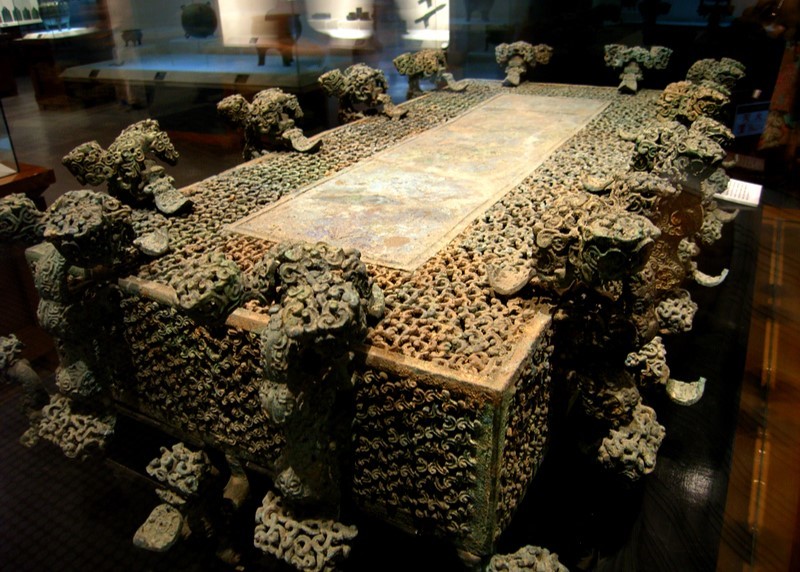
Introduction to investment casting manufacturing technique
Investment casting, also known as wax loss casting, is a long-standing metal forming process. The copper ban during the Spring and Autumn period in China was the earliest known lost wax casting method. The first step is to make a mold, using the mold to inject liquid wax into the mold to form a wax mold. Then, the wax mold is pasted into a pouring system according to the casting process, and the entire pouring system is made into a silica sol shell. After dewaxing, the entire shell becomes a cavity, and the cavity shell can be poured with molten steel after calcination. After cooling, the steel material product is formed. Subsequently, through processes such as cutting and grinding, sandblasting, heat treatment, correction, welding repair, electroplating, and machining, the cast products required by the customer are formed.
2024/10/08

Dalian is a beautiful coastal city in Northeast China, with beautiful scenery and pleasant climate. It is an important industrial production base, an international shipping center in Northeast Asia.
2024/07/11
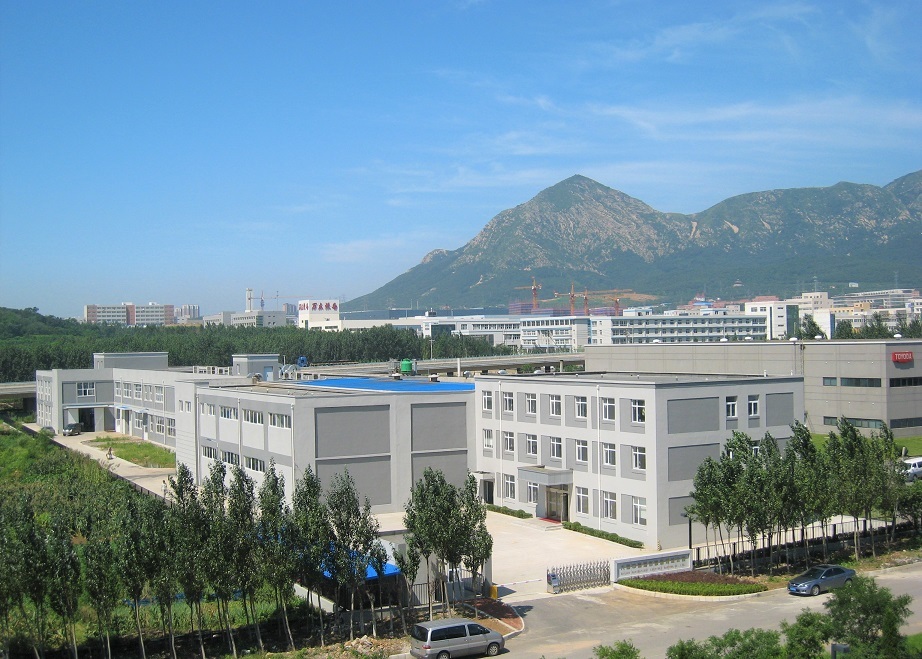
Dalian Sakabe has own foundry factory and focus on providing high-quality precision casting products to domestic and foreign customers since its establishment in 2005.
2024/10/08
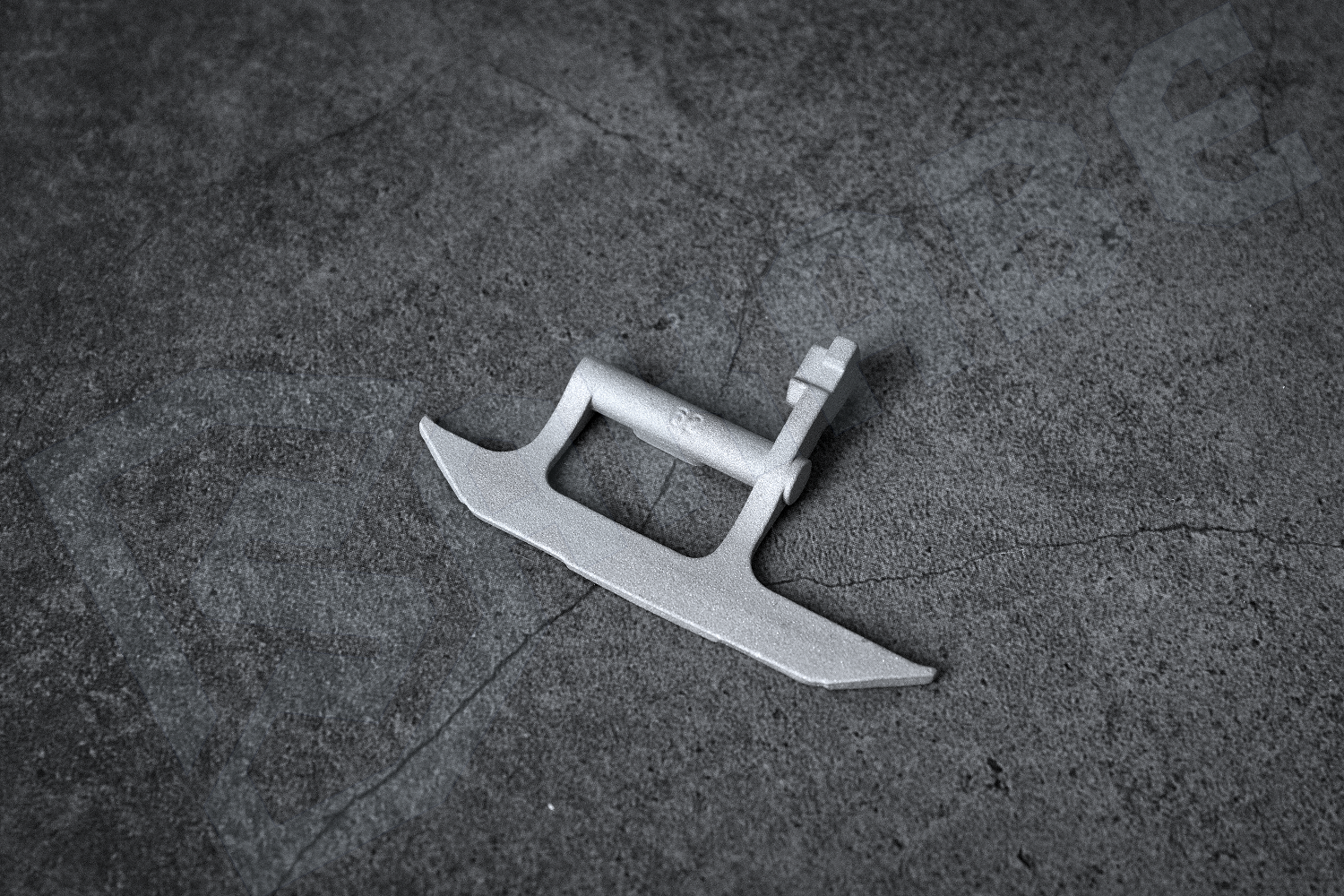
The Crucial Role of Casting Material Trays in Advanced Manufacturing
In the ever-evolving landscape of manufacturing, optimizing heat treatment processes through the strategic use of casting material trays is paramount
2025/09/19
CONTACT US
Tel: +86 136-5494-1611
E-mail: alexzheng@sakabe.cn
Office Address:
No.18 Dongbei Qi Street, Jinpu New Area, Dalian, Liaoning, China
Factory Address:
No.26 Fuan Street, Jinpu New Area, Dalian, Liaoning, China
