

Unlocking Efficiency: The Role of Tooling Casting in Heat Treatment Furnaces
Table of Contents
- Introduction to Tooling Casting and Heat Treatment Furnaces
- Understanding Tooling Casting
- Significance of Tooling Casting in Manufacturing
- Heat Treatment Furnaces Explained
- The Role of Tooling Casting in Heat Treatment Furnaces
- Benefits of Using Tooling Casting in Heat Treatment
- Innovations in Tooling Casting Technology
- Future Trends in Tooling Casting for Heat Treatment Furnaces
- Conclusion
- FAQs About Tooling Casting and Heat Treatment Furnaces
Introduction to Tooling Casting and Heat Treatment Furnaces
In the competitive landscape of manufacturing, the efficiency of heat treatment processes is paramount. As industries strive for quality and cost-effectiveness, **tooling casting** emerges as a crucial component in optimizing **heat treatment furnaces**. This article delves into the intricate role of tooling casting in enhancing the performance and reliability of these furnaces, offering insights into its applications, benefits, and future trends.
Understanding Tooling Casting
Tooling casting is a specialized manufacturing process that involves creating high-precision components through casting methods. This technique allows for the production of complex shapes and forms that can withstand extreme temperatures and pressures. By utilizing metallic alloys and advanced casting technologies, manufacturers can produce tooling that meets stringent industry standards.
There are various types of **tooling casting** processes, including:
Investment Casting
Investment casting, also known as precision casting, involves creating a wax model covered in a ceramic shell. Once the shell hardens, the wax is melted away, leaving a cavity for molten metal. This method is ideal for producing intricate shapes with tight tolerances.
Sand Casting
Sand casting is one of the oldest casting techniques, where sand is used to create molds. This process is versatile and cost-effective, making it suitable for a wide range of applications.
Die Casting
Die casting involves forcing molten metal into a mold at high pressure. This method is often used for producing large quantities of identical parts with excellent surface finishes.
Each of these casting methods has its unique advantages and applications, contributing to the overall efficiency of manufacturing operations, particularly in the context of heat treatment furnaces.
Significance of Tooling Casting in Manufacturing
The significance of tooling casting in manufacturing cannot be overstated. It plays a pivotal role in ensuring precision, consistency, and quality across various sectors. Here are some key points highlighting its importance:
Precision Manufacturing
Tooling casting allows for the production of components with high precision, which is essential in applications requiring tight tolerances. This precision leads to better fitting parts, reducing the need for additional machining and assembly.
Cost-Effectiveness
The efficiency of tooling casting translates to cost savings. By minimizing waste during production and reducing labor costs associated with machining, manufacturers can achieve higher profit margins.
Material Versatility
Tooling casting can accommodate a variety of materials, including ferrous and non-ferrous metals. This versatility enables manufacturers to select the most suitable material for their specific applications, enhancing product performance.
Enhanced Production Speed
With advancements in casting technology, production cycles have significantly shortened. This speed is particularly beneficial in industries that demand rapid turnaround times for components.
Heat Treatment Furnaces Explained
Heat treatment furnaces are specialized equipment used to alter the physical and sometimes chemical properties of materials, particularly metals. The heat treatment process enhances the material's microstructure, resulting in improved strength, hardness, and ductility.
Types of Heat Treatment Processes
There are several heat treatment processes, each tailored for specific applications:
- Annealing: Heating a material and then slowly cooling it to reduce hardness and improve ductility.
- Quenching: Rapidly cooling a hot material, usually in water or oil, to increase hardness.
- Tempering: Reheating a quenched material to reduce brittleness while retaining hardness.
- Normalizing: Heating and then air cooling to refine grain structure and improve consistency.
The effectiveness of these processes heavily relies on the design and efficiency of the heat treatment furnace, where tooling casting plays an integral role.
The Role of Tooling Casting in Heat Treatment Furnaces
The integration of tooling casting in heat treatment furnaces enhances various operational aspects. Here is a closer look at its role:
Precision Components
Tooling casting allows manufacturers to produce components for heat treatment furnaces that are precisely engineered to withstand high temperatures and thermal stresses. This precision is crucial for maintaining operational efficiency and ensuring uniform heating.
Improved Thermal Conductivity
The materials used in tooling casting can be selected for their thermal properties, ensuring efficient heat transfer within the furnace. This characteristic leads to more uniform heating and improved overall performance.
Durability and Longevity
Components made through tooling casting are often more durable than those produced through traditional methods. This durability translates to less frequent replacements, reducing downtime and maintenance costs.
Customization
Tooling casting allows for the customization of components based on specific operational needs. Manufacturers can create bespoke tooling solutions that optimize the performance of their heat treatment furnaces.
Benefits of Using Tooling Casting in Heat Treatment
The advantages of implementing tooling casting technology in heat treatment processes are manifold:
Enhanced Efficiency
Tooling casting contributes to increased operational efficiency by reducing cycle times and minimizing the need for secondary manufacturing processes. This efficiency leads to cost savings and higher productivity.
Quality Improvement
By utilizing high-precision tooling, manufacturers can achieve consistent product quality, resulting in fewer defects and a higher overall standard of production.
Cost Reduction
The initial investment in tooling casting technology can lead to substantial long-term savings. This includes reduced material waste, lower labor costs, and decreased maintenance expenses.
Flexibility in Design
Tooling casting offers flexibility in design, enabling manufacturers to innovate and adapt their products to meet changing market demands. This adaptability is essential in today's fast-paced manufacturing environment.
Innovations in Tooling Casting Technology
Advancements in tooling casting technology continue to shape the landscape of manufacturing. Here are some recent innovations:
Additive Manufacturing
The integration of additive manufacturing techniques with traditional casting methods is revolutionizing tooling production. This hybrid approach allows for the creation of complex geometries that were previously unattainable.
Smart Casting Technologies
The adoption of smart technologies, including IoT sensors and data analytics, is enhancing the monitoring and control of casting processes. This smart approach leads to better quality control and operational insights.
Advanced Materials
New materials with enhanced properties are being developed for tooling casting. These materials offer greater resistance to wear and corrosion, further extending the lifespan of components used in heat treatment furnaces.
Future Trends in Tooling Casting for Heat Treatment Furnaces
Looking ahead, several trends are expected to influence the future of tooling casting in relation to heat treatment furnaces:
Increased Automation
As automation technologies advance, the tooling casting process will increasingly incorporate robotics and AI, streamlining production and reducing human error.
Sustainability Practices
Environmental concerns are driving a shift towards sustainable manufacturing practices. Tooling casting is expected to evolve towards greener solutions, including the use of recycled materials and energy-efficient processes.
Customization and Rapid Prototyping
The demand for customized solutions is growing. Future tooling casting processes will likely focus on rapid prototyping, allowing manufacturers to quickly iterate designs and respond to market demands.
Conclusion
Tooling casting plays an essential role in unlocking efficiency within heat treatment furnaces. By providing precision-engineered components, enhancing thermal performance, and enabling customization, tooling casting significantly contributes to overall manufacturing excellence. As advancements continue in this field, manufacturers who embrace these technologies will be well-positioned to enhance productivity, quality, and cost-effectiveness.
FAQs About Tooling Casting and Heat Treatment Furnaces
1. What is tooling casting?
Tooling casting is a manufacturing process that creates high-precision components through various casting techniques, allowing for the production of complex shapes and forms.
2. How does tooling casting improve heat treatment processes?
Tooling casting enhances heat treatment processes by providing durable, precise components that improve thermal conductivity and operational efficiency.
3. What are the benefits of using tooling casting in manufacturing?
The benefits include enhanced efficiency, improved product quality, cost reduction, and flexibility in design, allowing manufacturers to meet specific operational needs.
4. What innovations are shaping the future of tooling casting?
Recent innovations include additive manufacturing, smart casting technologies, and advanced materials that enhance the capabilities of tooling casting processes.
5. How can manufacturers stay competitive with tooling casting?
By adopting advanced technologies, focusing on sustainability, and being responsive to market demands through customization, manufacturers can maintain a competitive edge in the industry.

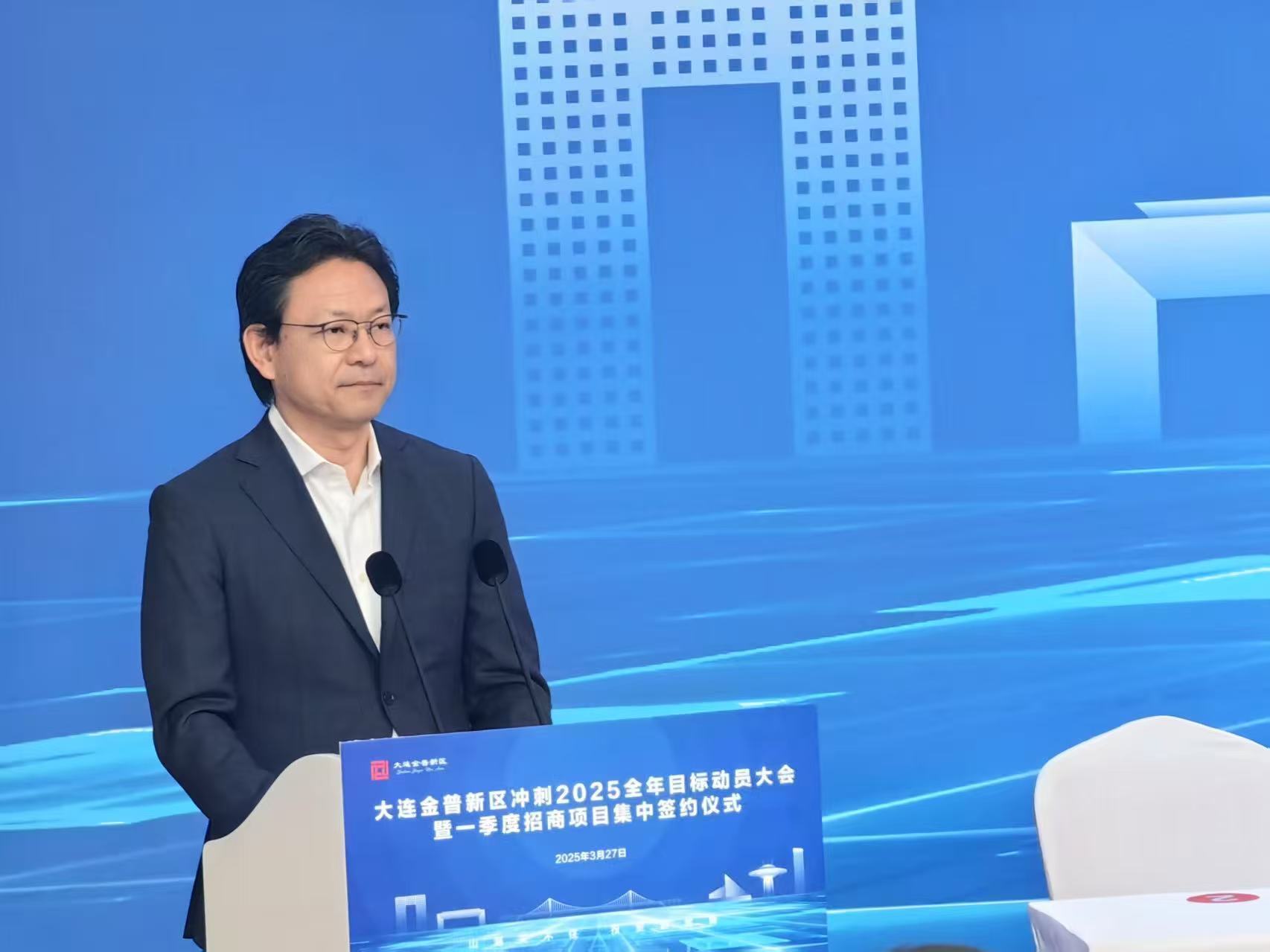
Dalian Sakabe was invited to participate in the Dalian investment promotion project ceremony
On March 27, 2025, Dalian Sakabe, as an advanced foreign-funded enterprise in Dalian, was invited to participate in the investment promotion project ceremony of Dalian China.
2025/04/01
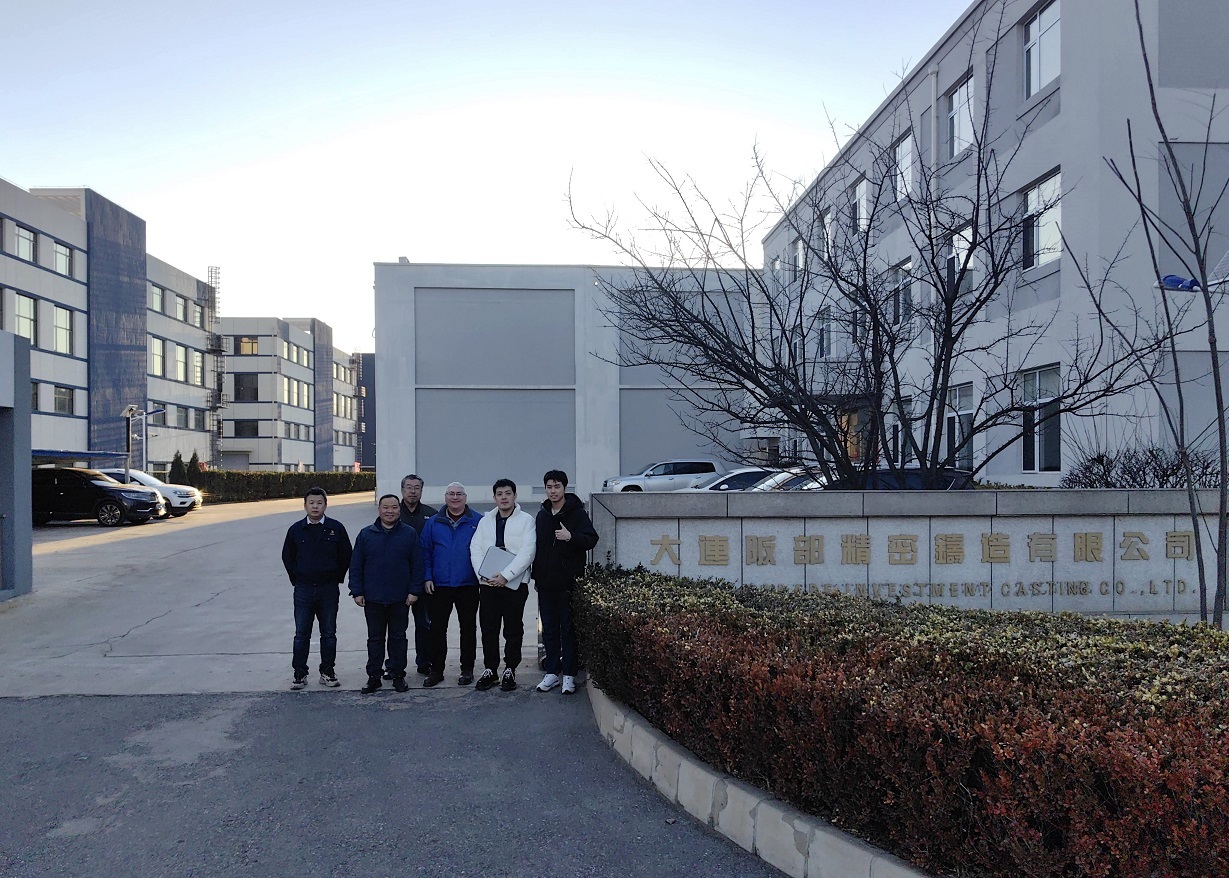
It is pleased that partner NME come to visit us Sakabe foundry
It is pleased that partner NME come to visit us Sakabe foundry. We share the same philosophy about quality standards, product positioning, environmental protection, and sustainable development. It's lucky to meet like-minded partners!
2025/02/19
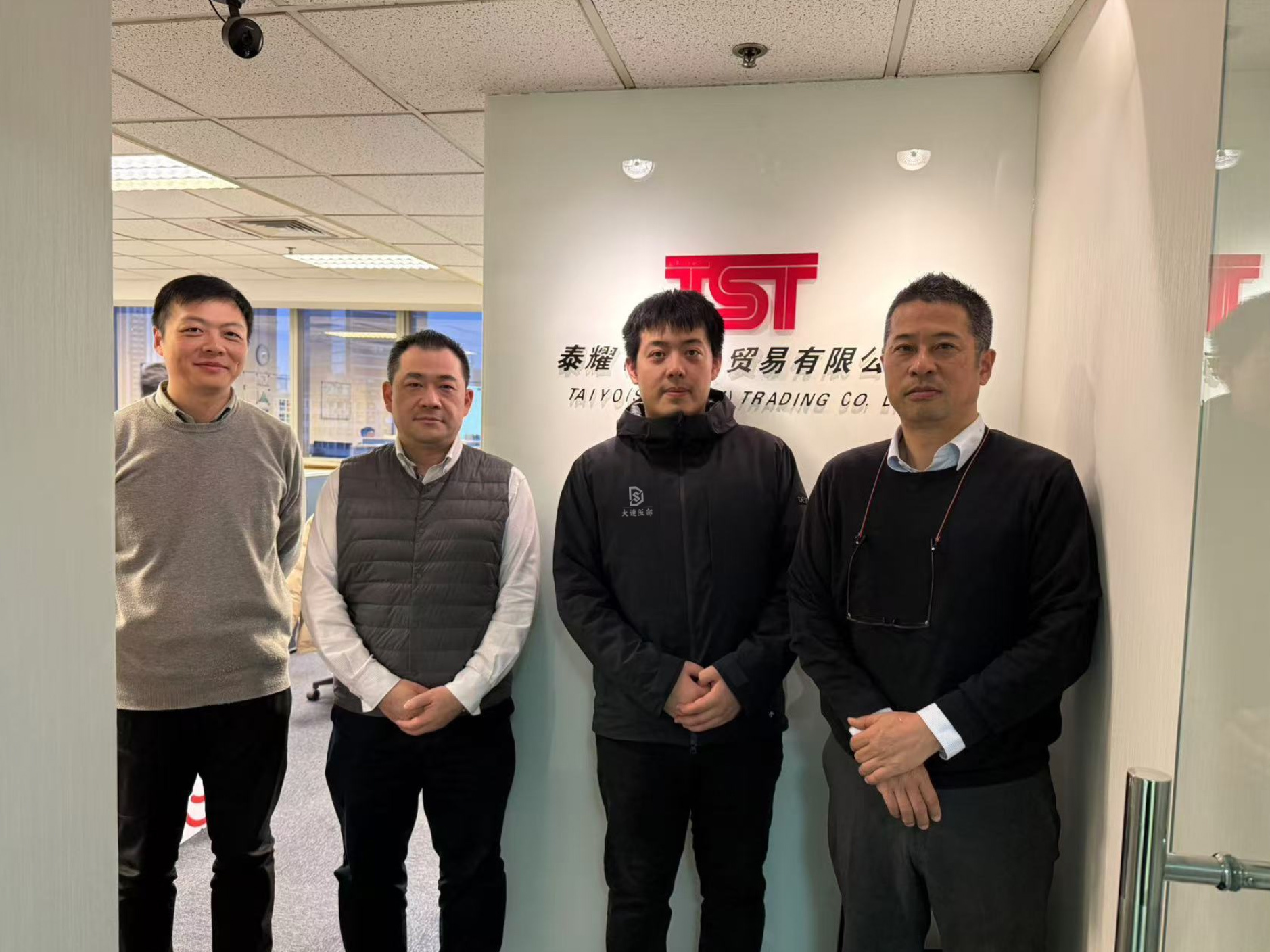
Great meeting with partner in Shanghai
Dalian Sakabe paying visit to our partner TST in Shanghai. Had discussions and plans for long term co-operation. Great thanks for your support!
2025/01/02
CONTACT US
Tel: +86 136-5494-1611
E-mail: alexzheng@sakabe.cn
Office Address:
No.18 Dongbei Qi Street, Jinpu New Area, Dalian, Liaoning, China
Factory Address:
No.26 Fuan Street, Jinpu New Area, Dalian, Liaoning, China
