


Revolutionizing Textile Production with Precision Casting Techniques
Introduction to Precision Casting in Textile Manufacturing
In the ever-evolving world of textile production, the integration of **precision casting techniques** is making waves. As industries strive for higher efficiency, sustainability, and quality, these advanced methods provide a transformative approach to manufacturing. **Precision casting** not only enhances the efficacy of production processes but also contributes to the overall quality of textile products.
This article delves into how precision casting techniques are revolutionizing textile production. We will explore various aspects, including the benefits, key processes, sustainability measures, and future advancements in this domain.
Understanding Precision Casting Techniques
What is Precision Casting?
Precision casting is a manufacturing process that involves pouring molten metal into a mold to create a specific shape. This method allows for high accuracy and detail, making it ideal for producing intricate components. In the textile industry, precision casting is used to create various tools, machinery parts, and equipment that enhance production efficiency.
Types of Precision Casting Processes
There are several types of precision casting processes commonly used in the textile industry:
1. **Investment Casting**: Also known as lost-wax casting, this method involves making a wax model of the desired part, covering it in a heat-resistant material, and then melting away the wax to form a mold.
2. **Sand Casting**: This traditional method uses sand as the mold material. It is suitable for large components and allows for quick production at a lower cost.
3. **Die Casting**: Involves forcing molten metal into a mold under high pressure. This method is ideal for producing large quantities of parts with high precision.
4. **Vacuum Casting**: Employs a vacuum to draw the molten metal into the mold, ensuring a smooth finish and reducing defects.
Benefits of Precision Casting in Textile Production
Enhancing Product Quality
One of the most significant advantages of precision casting is its ability to produce high-quality components. The accuracy of the molds ensures that each part meets strict specifications, reducing the likelihood of defects. This improvement in quality translates to better performance in textile machinery, leading to superior end products.
Cost Efficiency and Resource Management
Precision casting techniques can lead to substantial cost savings in textile production. The process minimizes material waste, as the exact amount of metal required is used. Furthermore, the durability of precision-cast components often results in lower maintenance and replacement costs, contributing to long-term savings.
Streamlining Production Processes
With precision casting, the manufacturing process becomes more streamlined. The ability to produce complex shapes in a single operation reduces the need for multiple machining steps, saving time and labor costs. This efficiency allows textile manufacturers to meet growing demand without compromising on quality.
Implementation of Precision Casting Techniques in Textile Production
Integrating Precision Casting into Existing Systems
For textile manufacturers looking to incorporate precision casting, a thorough assessment of current processes is essential. Identifying areas where precision casting can replace traditional methods will help in optimizing production. Collaboration with precision casting specialists can facilitate this transition, ensuring that the new systems are seamlessly integrated.
Training and Development for Workforce
As with any new technology, training is critical. Employees must be well-versed in operating precision casting machinery and understanding the nuances of the process. Investing in workforce development will enhance productivity and foster a culture of innovation within the organization.
Sustainability in Precision Casting Techniques
Reducing Environmental Impact
The textile industry has faced criticism for its environmental footprint. Precision casting techniques can mitigate this impact significantly. By minimizing waste and improving energy efficiency, manufacturers can adopt more sustainable practices. Furthermore, many precision casting companies are exploring eco-friendly materials, which further supports sustainability goals.
Recycling and Reusing Materials
Another aspect of sustainability in precision casting is the ability to recycle and reuse materials. Metal waste generated during the casting process can often be melted down and repurposed for future projects. This not only conserves resources but also aligns with the growing demand for sustainable manufacturing practices.
Future Innovations in Precision Casting for Textile Production
Emerging Technologies and Trends
As technology continues to advance, the future of precision casting in textile manufacturing looks promising. Innovations such as **3D printing** and **smart manufacturing** are set to revolutionize the industry. These technologies can enhance the capabilities of precision casting, allowing for even greater customization and efficiency.
Adapting to Market Demands
The textile market is constantly evolving, driven by consumer preferences and global trends. Manufacturers must stay ahead by adopting flexible precision casting techniques that can quickly adapt to changing demands. This agility will be crucial in maintaining competitiveness in the industry.
Challenges in Adopting Precision Casting Techniques
Initial Investment Costs
While the long-term benefits of precision casting are clear, the initial investment required for advanced machinery and training can be a barrier for some manufacturers. Careful financial planning and a clear understanding of potential ROI can help overcome this hurdle.
Technological Limitations
Despite its advantages, precision casting may not be suitable for all applications. Certain designs or materials may pose challenges that require alternative solutions. Manufacturers need to evaluate each project individually to determine the best approach.
Conclusion
The integration of **precision casting techniques** into textile production is poised to revolutionize the industry. By enhancing product quality, streamlining operations, and supporting sustainability initiatives, precision casting represents a significant leap forward in manufacturing practices. As technology evolves and new innovations emerge, staying informed and adaptable will be key for manufacturers aiming to thrive in this competitive landscape.
FAQs about Precision Casting in Textile Production
1. What materials can be used in precision casting for textiles?
Precision casting can utilize a variety of metals, including aluminum, zinc, and bronze, depending on the requirements of the textile application.
2. How does precision casting improve sustainability in textile production?
Precision casting reduces material waste, improves energy efficiency, and allows for recycling of materials, all contributing to sustainable manufacturing practices.
3. What are the main advantages of investment casting in textile production?
Investment casting offers high precision, the ability to create complex shapes, and excellent surface finishes, making it ideal for intricate textile machinery components.
4. Can precision casting be integrated into existing textile manufacturing processes?
Yes, precision casting can be integrated into existing systems, but it requires careful assessment and planning to ensure a smooth transition.
5. What future trends can we expect in precision casting for textiles?
Emerging technologies such as 3D printing and smart manufacturing are expected to enhance precision casting capabilities, allowing for greater customization and efficiency in textile production.

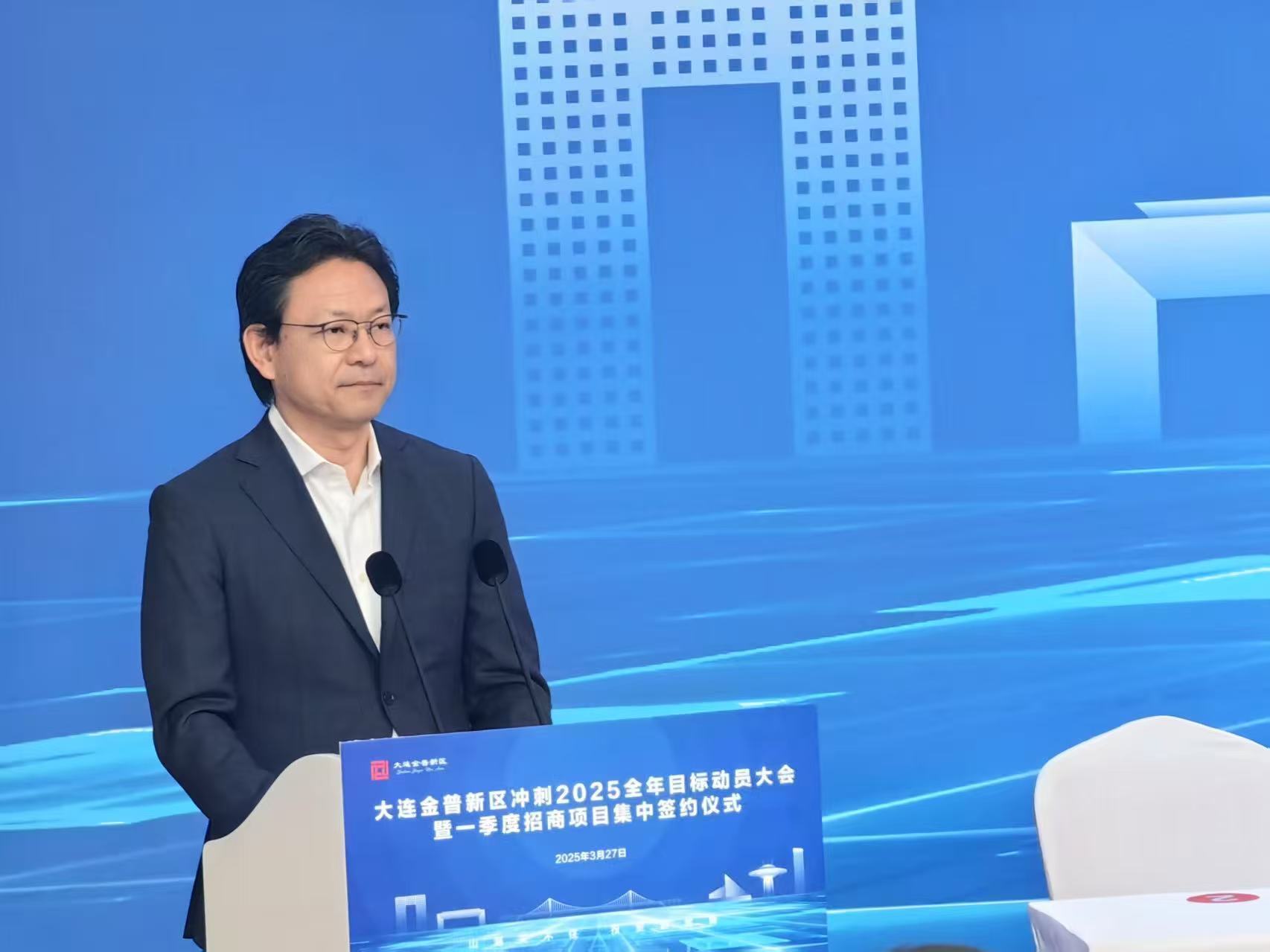
Dalian Sakabe was invited to participate in the Dalian investment promotion project ceremony
On March 27, 2025, Dalian Sakabe, as an advanced foreign-funded enterprise in Dalian, was invited to participate in the investment promotion project ceremony of Dalian China.
2025/04/01
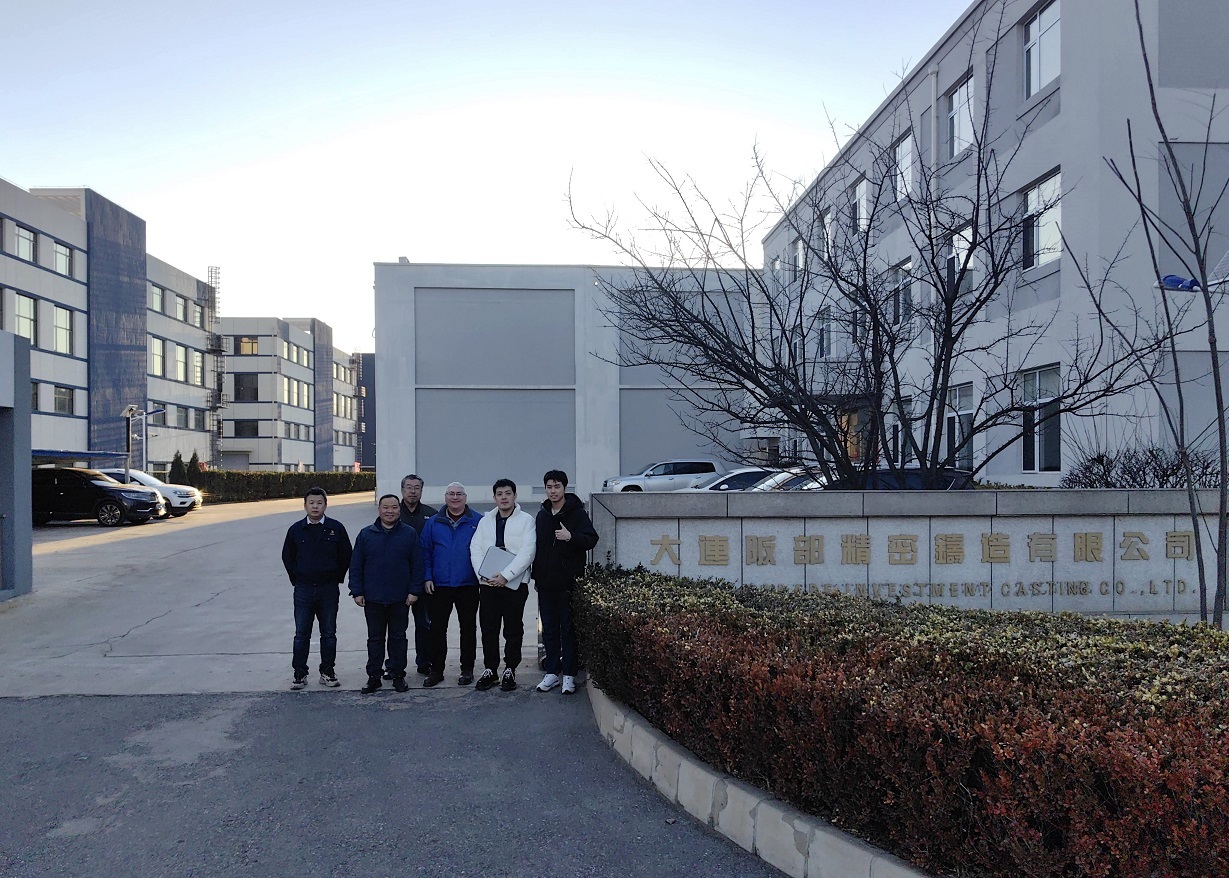
It is pleased that partner NME come to visit us Sakabe foundry
It is pleased that partner NME come to visit us Sakabe foundry. We share the same philosophy about quality standards, product positioning, environmental protection, and sustainable development. It's lucky to meet like-minded partners!
2025/02/19
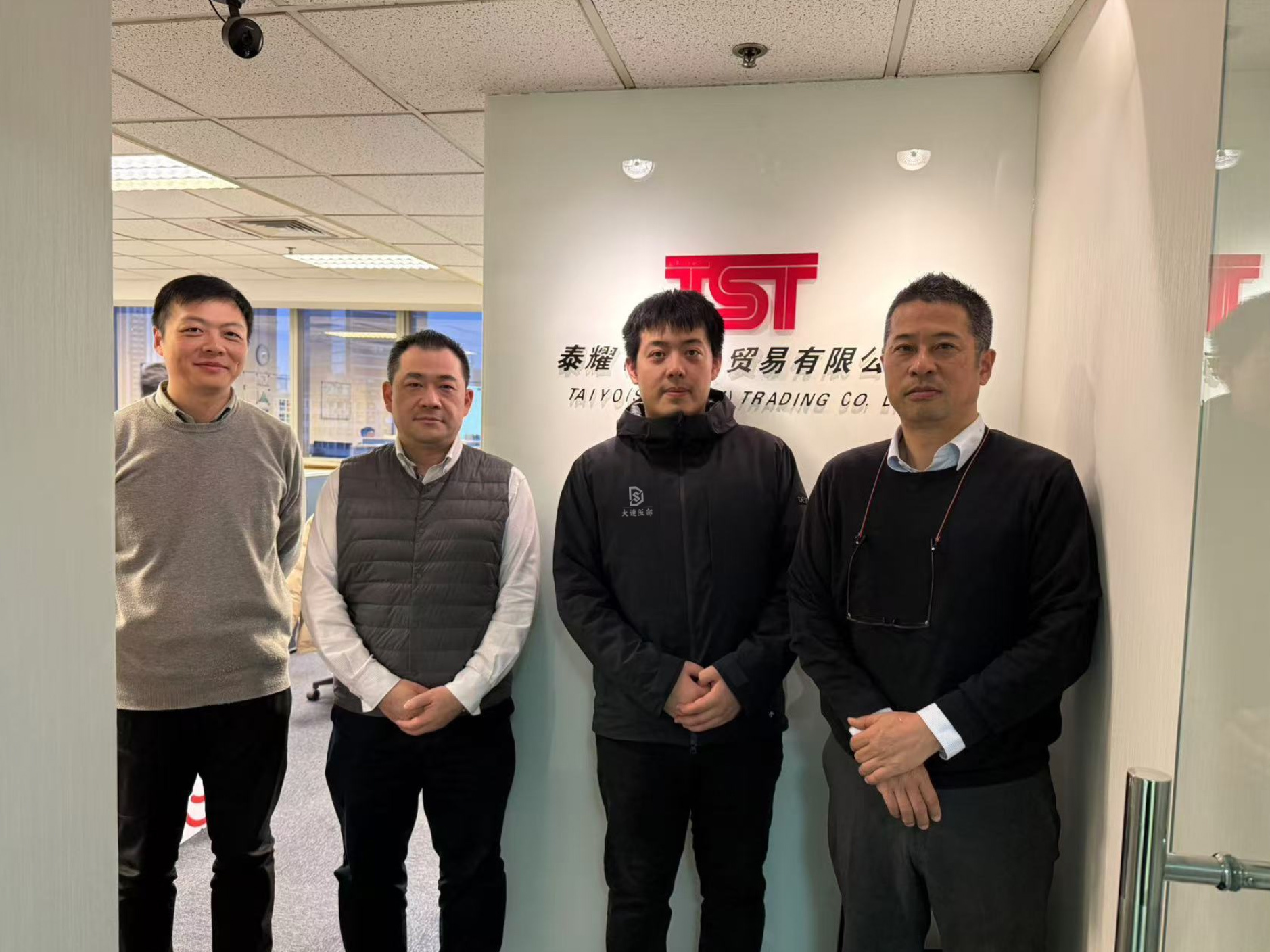
Great meeting with partner in Shanghai
Dalian Sakabe paying visit to our partner TST in Shanghai. Had discussions and plans for long term co-operation. Great thanks for your support!
2025/01/02
CONTACT US
Tel: +86 136-5494-1611
E-mail: alexzheng@sakabe.cn
Office Address:
No.18 Dongbei Qi Street, Jinpu New Area, Dalian, Liaoning, China
Factory Address:
No.26 Fuan Street, Jinpu New Area, Dalian, Liaoning, China
