

Why Quality Casting Parts are Essential in Textile Machinery
Understanding the Role of Casting Parts in Textile Machinery
Casting parts are fundamental to the operation of textile machinery. They represent the backbone of various machines, from spinning and weaving to knitting and finishing. These components are molded from metal or other materials, shaped to meet specific specifications, and designed to handle significant stress and strain.
High-quality casting parts ensure that textile machinery runs efficiently, minimizing the risk of breakdowns and maximizing productivity. The intricate processes involved in textile manufacturing demand precision-engineered parts that can withstand harsh operating conditions while delivering optimal performance.
The Impact of Quality on Machinery Performance
The performance of textile machinery is heavily influenced by the quality of its components. Quality casting parts contribute to:
- **Increased Durability**: High-quality materials and superior manufacturing processes lead to longer-lasting parts that can endure the rigors of daily operation.
- **Enhanced Efficiency**: Well-crafted casting parts fit perfectly and reduce friction, ensuring smooth operation and energy efficiency.
- **Reduced Maintenance**: Quality components minimize wear and tear, resulting in fewer breakdowns and lower maintenance costs.
Why Quality Matters in Casting Parts
Investing in quality casting parts translates to significant advantages in the long term. Here’s why:
1. **Reliability**: Quality parts reduce the likelihood of machine failure, ensuring consistent operational reliability.
2. **Product Consistency**: Machines equipped with superior casting parts produce uniform products, maintaining high standards in textile production.
3. **Cost-Effectiveness**: While high-quality casting parts might have a higher upfront cost, they lead to savings through reduced downtime and maintenance expenses.
The Manufacturing Process of Quality Casting Parts
Understanding how quality casting parts are manufactured helps to appreciate their importance in textile machinery. The manufacturing process includes several crucial stages, each influencing the final product's quality.
1. Material Selection
The first step in producing high-quality casting parts is selecting the right materials. Common materials include:
- Cast iron
- Aluminum alloys
- Steel
Each material has unique properties that suit different types of machinery and applications.
2. Molding Techniques
Casting can be performed using different techniques, such as:
- **Sand Casting**: A traditional method ideal for producing complex shapes.
- **Die Casting**: A process that allows for high-volume production with excellent surface finishes.
Each technique has its advantages and is chosen based on the specific requirements of the textile machinery.
3. Machining and Finishing
After casting, parts often undergo additional machining processes to achieve precise tolerances and enhance surface finishes. This includes:
- **Milling**: To create flat surfaces and complex shapes.
- **Grinding**: For a smooth finish and tighter tolerances.
These processes play a vital role in ensuring that the casting parts fit seamlessly into the machinery, contributing to overall performance.
The Advantages of Using Quality Casting Parts in Textile Machinery
Incorporating quality casting parts into textile machinery offers numerous benefits, including:
1. Enhanced Performance
Quality casting parts are designed to operate smoothly, allowing machinery to function more efficiently. This results in faster production cycles and better use of resources.
2. Improved Safety
Quality components reduce the risk of failure, which can lead to accidents and unsafe working conditions. Reliable machinery is essential for maintaining a safe environment in textile manufacturing facilities.
3. Sustainability
Investing in quality reduces the need for frequent replacements, aligning with sustainability goals by minimizing waste and conserving resources.
Choosing the Right Casting Parts for Your Textile Machinery
When it comes to selecting casting parts for textile machinery, several factors warrant consideration:
1. Compatibility with Machinery
Ensure that the casting parts are compatible with your specific machinery model. Mismatched components can lead to inefficiencies and potential damage.
2. Supplier Reputation
Partnering with reputable suppliers known for high-quality products can significantly impact the longevity and performance of your machinery. Check for certifications and customer reviews before making a decision.
3. Cost vs. Quality
While it might be tempting to opt for cheaper alternatives, remember that quality often trumps cost in the long run. Assess the total cost of ownership, which includes initial investment, maintenance, and expected lifespan.
Common Issues Caused by Poor Quality Casting Parts
Using subpar casting parts can lead to various issues that affect textile machinery performance:
1. Frequent Breakdowns
Inferior quality parts are prone to failure, resulting in frequent breakdowns that disrupt production schedules.
2. Increased Maintenance Costs
Poor-quality components often require more maintenance, leading to increased labor and parts costs.
3. Substandard Product Output
Machinery operating with low-quality casting parts may produce inconsistencies in the final product, damaging brand reputation and customer satisfaction.
Maintaining Quality Standards in Textile Machinery
To ensure that machinery continues to operate at peak performance, maintaining quality standards is crucial. Here are some best practices:
1. Regular Inspections
Implement routine inspections of casting parts to catch wear and tear early, preventing larger issues down the line.
2. Training and Education
Invest in training for your maintenance staff to recognize the signs of wear and understand the importance of quality components.
3. Feedback Loop
Create a feedback loop where operators can report issues with machinery performance. This can help identify problems linked to casting parts early on.
Future Trends in Casting Parts for Textile Machinery
As technology advances, the manufacturing of casting parts continues to evolve. Here are a few trends to watch:
1. Advanced Materials
The development of new materials, such as composites, may lead to lighter and stronger casting parts, improving machinery performance.
2. Automation in Manufacturing
Increased automation in the casting process is likely to enhance precision and reduce production times, leading to higher quality products.
3. Sustainable Practices
The push for sustainability in manufacturing is leading to more environmentally friendly casting processes and materials, aligning with global sustainability goals.
Frequently Asked Questions (FAQs)
1. What are casting parts in textile machinery?
Casting parts are components manufactured by pouring molten material into a mold, allowing them to cool and solidify into the desired shape. They play a crucial role in the functionality of textile machinery.
2. Why should I invest in high-quality casting parts?
Investing in high-quality casting parts ensures reliability, reduces maintenance costs, and enhances machine performance, ultimately leading to increased productivity and profitability.
3. What materials are commonly used for casting parts?
Common materials include cast iron, aluminum alloys, and steel, each selected based on specific application requirements.
4. How can I choose the right supplier for casting parts?
Look for suppliers with a strong reputation, industry certifications, and positive customer reviews. Their expertise can significantly impact the quality of the components you receive.
5. How can I maintain the quality of casting parts in my machinery?
Regular inspections, staff training, and establishing a feedback loop can help maintain the quality and performance of casting parts in your textile machinery.
Conclusion
Quality casting parts are undeniably essential in textile machinery. They not only enhance performance but also contribute to the overall efficiency and safety of textile manufacturing operations. By understanding the significance of these components and investing in high-quality products, manufacturers can ensure their machinery operates optimally, ultimately leading to greater productivity and success in the competitive textile industry. The decision to prioritize quality is not merely a choice; it’s a strategic investment in the future of your operations.

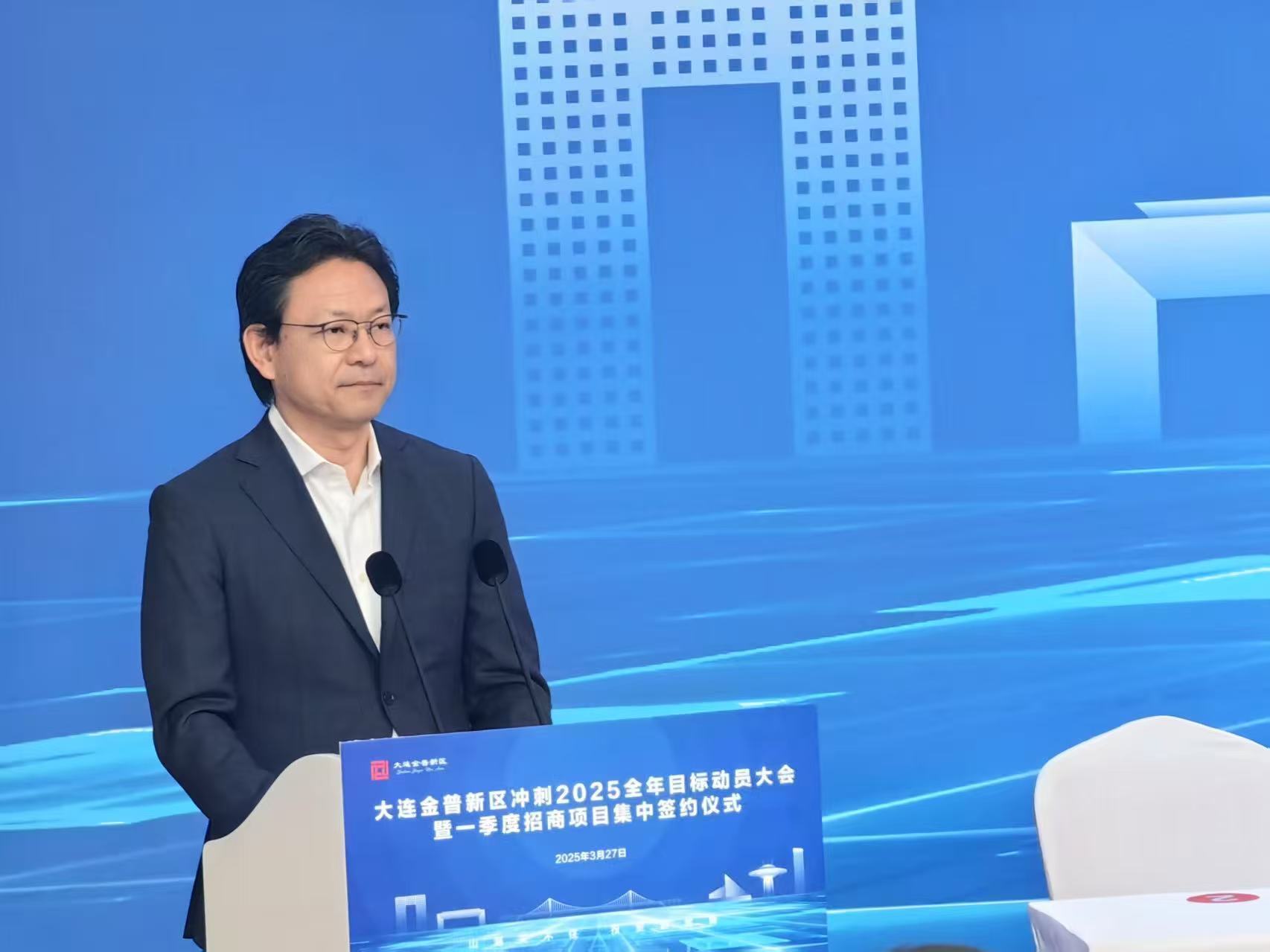
Dalian Sakabe was invited to participate in the Dalian investment promotion project ceremony
On March 27, 2025, Dalian Sakabe, as an advanced foreign-funded enterprise in Dalian, was invited to participate in the investment promotion project ceremony of Dalian China.
2025/04/01
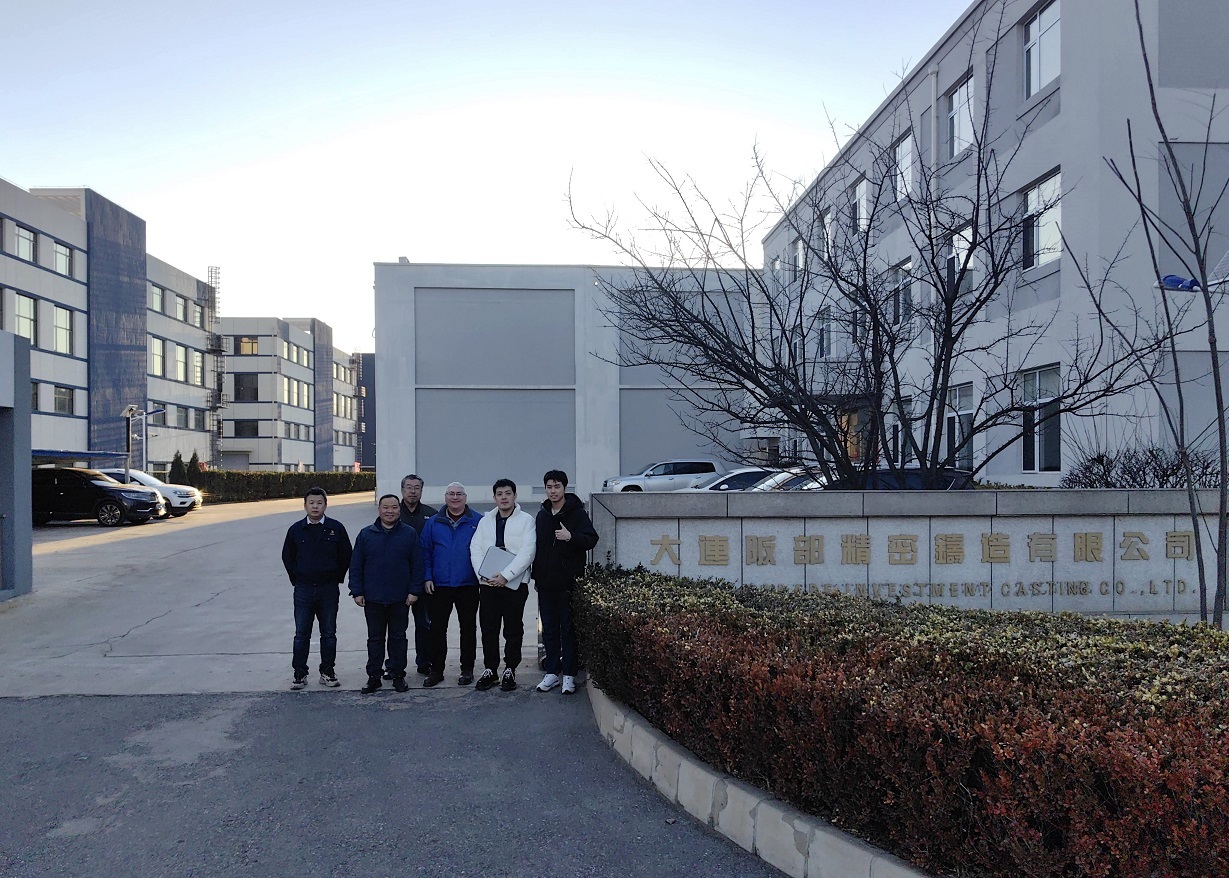
It is pleased that partner NME come to visit us Sakabe foundry
It is pleased that partner NME come to visit us Sakabe foundry. We share the same philosophy about quality standards, product positioning, environmental protection, and sustainable development. It's lucky to meet like-minded partners!
2025/02/19
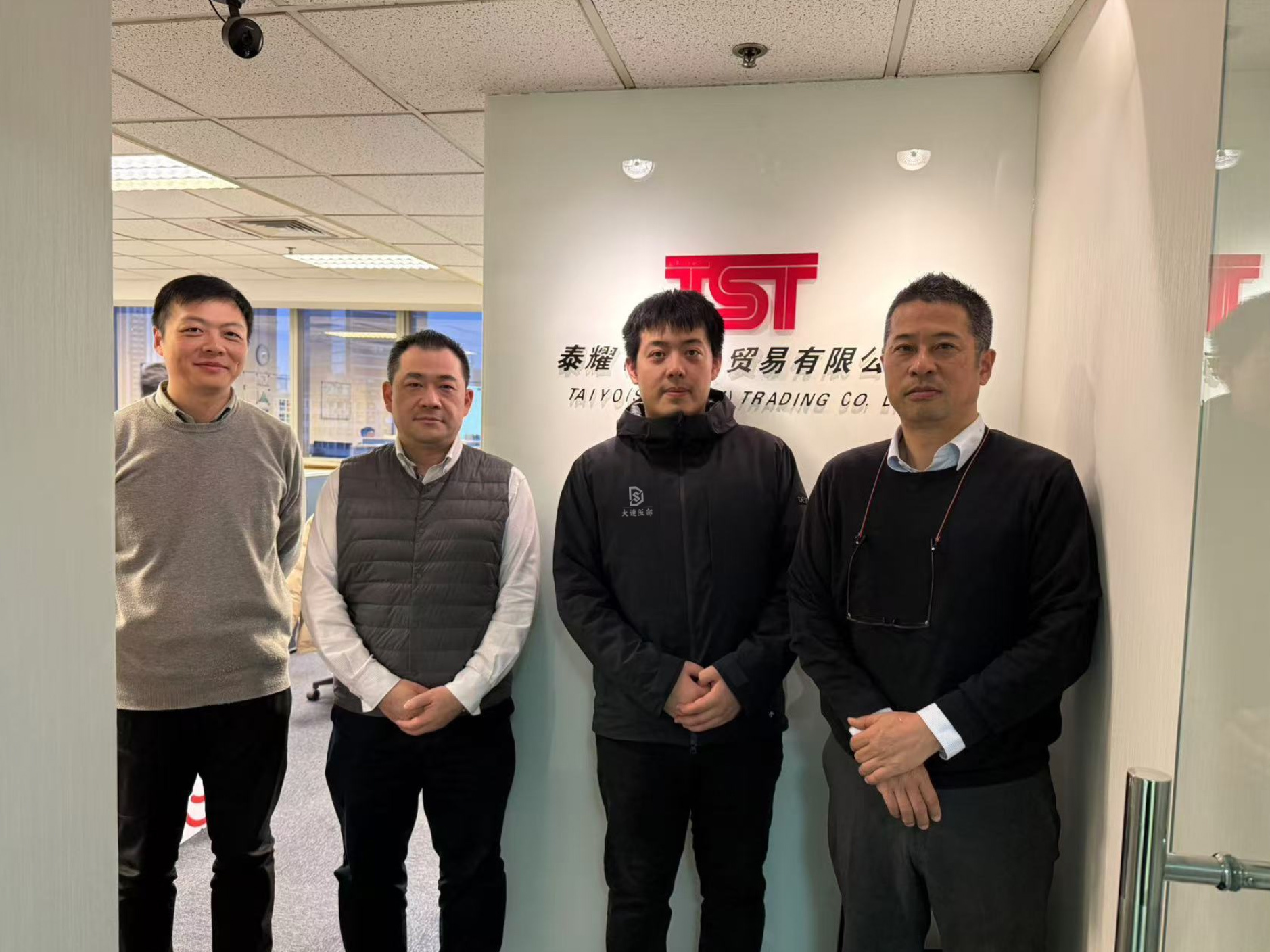
Great meeting with partner in Shanghai
Dalian Sakabe paying visit to our partner TST in Shanghai. Had discussions and plans for long term co-operation. Great thanks for your support!
2025/01/02
CONTACT US
Tel: +86 136-5494-1611
E-mail: alexzheng@sakabe.cn
Office Address:
No.18 Dongbei Qi Street, Jinpu New Area, Dalian, Liaoning, China
Factory Address:
No.26 Fuan Street, Jinpu New Area, Dalian, Liaoning, China
