

Casting is a manufacturing process where liquid material is poured into a mold to create specific shapes. In sewing machines, casting parts typically include the main body, bases, and various internal components. The quality of these castings affects not only the machine's performance but also its longevity. High-quality casting ensures that the sewing machine can withstand the rigors of continuous use, which is crucial in a fast-paced production environment.
When evaluating quality sewing machine casting parts, several factors come into play. First, the material used in casting is critical. Common materials include cast iron and aluminum, each offering different benefits. Cast iron provides excellent vibration dampening and rigidity, making it a popular choice for heavy-duty machines. In contrast, aluminum is lighter and can improve portability and ease of handling. Furthermore, the choice of material can significantly affect the machine's total weight, stability, and ease of maintenance.
Another essential aspect is the manufacturing process itself. Quality control during the casting process ensures that there are no defects such as porosity, shrinkage, or inclusions, which could impair the machine's performance. Advanced techniques such as sand casting, investment casting, or die casting are often employed to produce high-quality sewing machine components. Each method has its advantages and is chosen based on the specific requirements of the sewing machine design.
In addition to material and manufacturing processes, the design of the casting parts is vital. Precision engineering in the design phase allows for better fitting and alignment of components, which can lead to smoother operation and reduced wear over time. Quality sewing machine casting parts will often undergo rigorous testing to ensure they meet industry standards before being integrated into the final product.
Ultimately, choosing quality sewing machine casting parts can have a significant impact on the overall functionality and reliability of sewing machines. They not only enhance the performance of the machinery but also reduce downtime and maintenance costs, contributing to greater productivity in the garment manufacturing industry. When investing in sewing machines and their components, it is crucial to prioritize quality to achieve the best results in production.
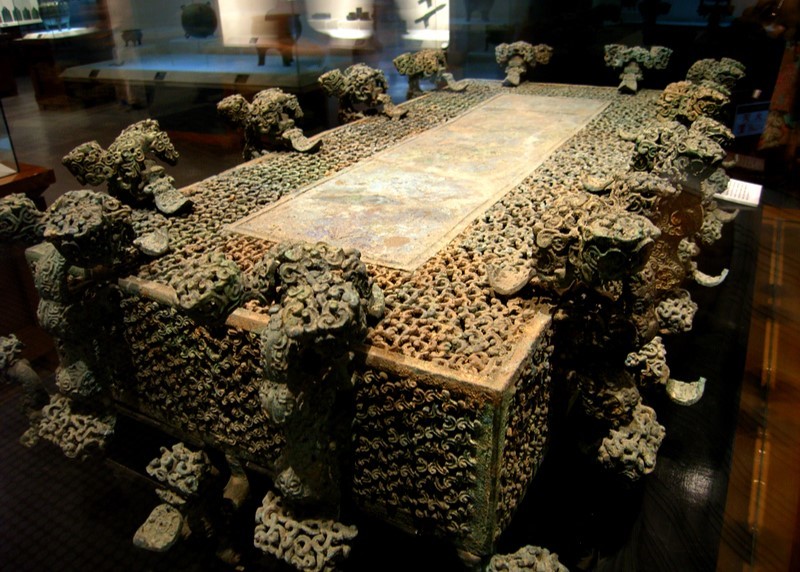
Introduction to investment casting manufacturing technique
Investment casting, also known as wax loss casting, is a long-standing metal forming process. The copper ban during the Spring and Autumn period in China was the earliest known lost wax casting method. The first step is to make a mold, using the mold to inject liquid wax into the mold to form a wax mold. Then, the wax mold is pasted into a pouring system according to the casting process, and the entire pouring system is made into a silica sol shell. After dewaxing, the entire shell becomes a cavity, and the cavity shell can be poured with molten steel after calcination. After cooling, the steel material product is formed. Subsequently, through processes such as cutting and grinding, sandblasting, heat treatment, correction, welding repair, electroplating, and machining, the cast products required by the customer are formed.
2024/10/08

Dalian is a beautiful coastal city in Northeast China, with beautiful scenery and pleasant climate. It is an important industrial production base, an international shipping center in Northeast Asia.
2024/07/11
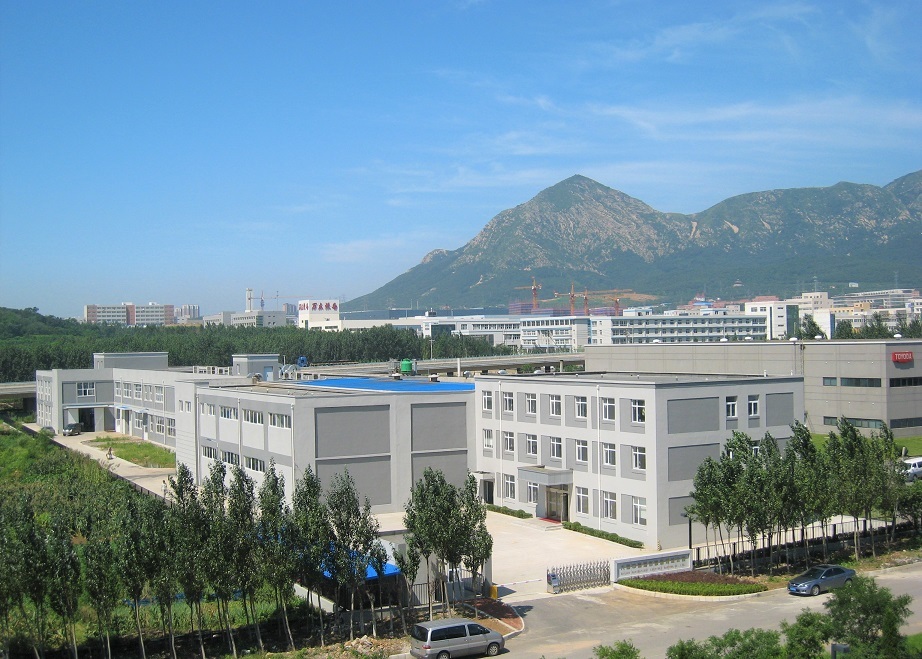
Dalian Sakabe has own foundry factory and focus on providing high-quality precision casting products to domestic and foreign customers since its establishment in 2005.
2024/10/08
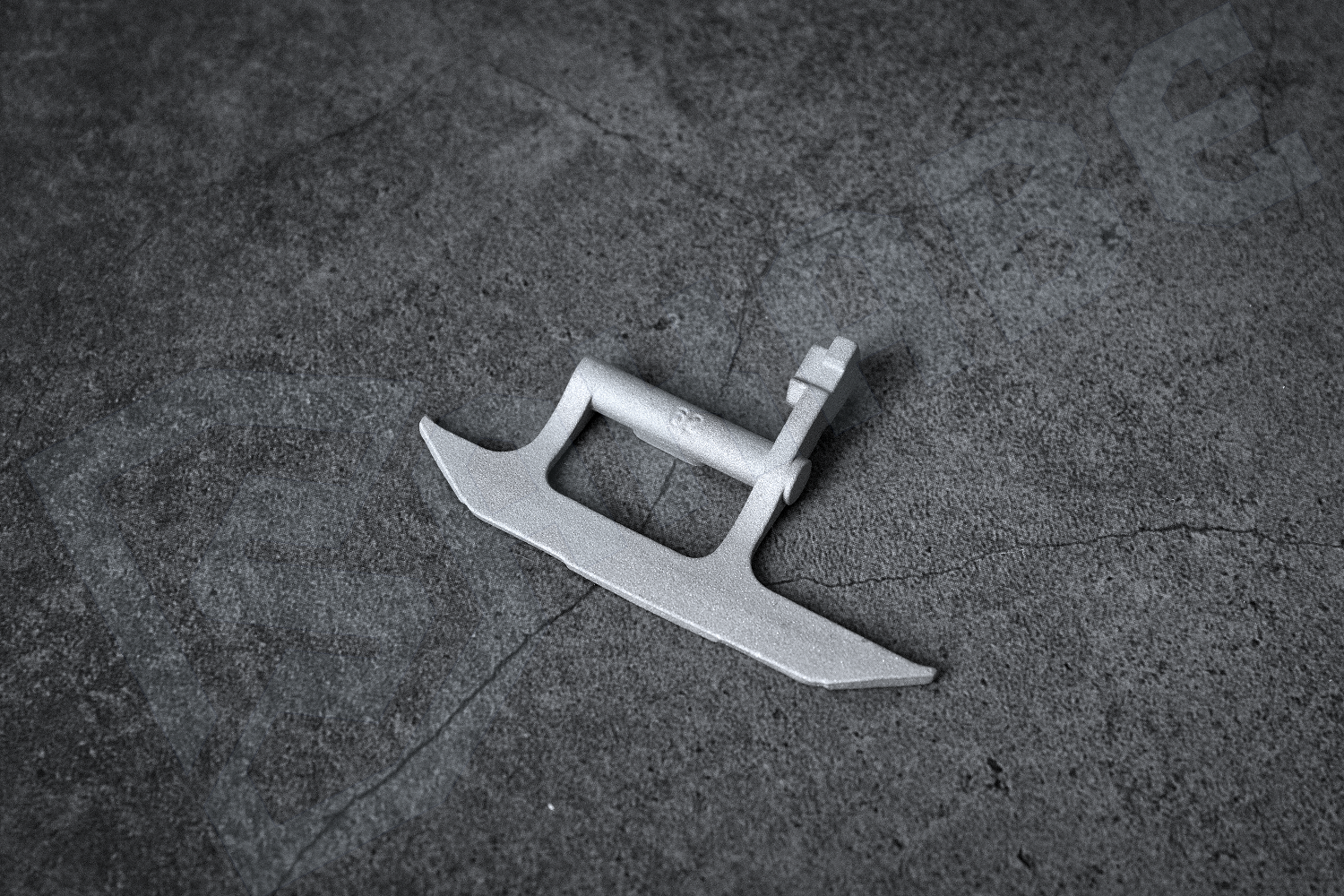
The Crucial Role of Casting Material Trays in Advanced Manufacturing
In the ever-evolving landscape of manufacturing, optimizing heat treatment processes through the strategic use of casting material trays is paramount
2025/09/19
CONTACT US
Tel: +86 136-5494-1611
E-mail: alexzheng@sakabe.cn
Office Address:
No.18 Dongbei Qi Street, Jinpu New Area, Dalian, Liaoning, China
Factory Address:
No.26 Fuan Street, Jinpu New Area, Dalian, Liaoning, China
