


Unlocking Efficiency: The Role of Advanced Food Machinery Casting Parts
Table of Contents
- Introduction to Advanced Food Machinery
- The Importance of Casting Parts in Food Machinery
- Types of Casting Techniques Used in Food Machinery
- Materials Used for Food Machinery Casting Parts
- Technological Advancements in Casting Processes
- Impact of Advanced Casting Parts on Efficiency
- Case Studies: Success Stories in Food Machinery
- Future Trends in Food Machinery Casting
- Frequently Asked Questions
- Conclusion
Introduction to Advanced Food Machinery
As the demand for efficiency and innovation in food production increases, **advanced food machinery** plays a pivotal role in meeting these challenges. The backbone of this machinery often lies in its **casting parts**, which not only provide structural integrity but also enhance performance and efficiency. In this article, we will delve deep into the significance of these components, exploring how they contribute to improved manufacturing processes.
The Importance of Casting Parts in Food Machinery
Casting parts are essential in various food machinery applications. They serve multiple functions, including:
- **Structural Support**: Casting parts provide the necessary strength and stability that food machinery requires to operate effectively under high pressure and temperature conditions.
- **Precision and Accuracy**: With modern casting techniques, manufacturers can create components with high precision, ensuring that machinery operates smoothly.
- **Durability**: The right casting materials enhance the longevity of machinery, reducing maintenance costs and downtime.
As we explore the world of food machinery casting parts, it becomes clear that their role is not merely functional; they are integral to achieving **operational excellence**.
Types of Casting Techniques Used in Food Machinery
The manufacturing industry employs various casting techniques to produce high-quality food machinery components. Here are some of the most widely used methods:
Sand Casting
Sand casting is one of the oldest and most versatile casting methods. It involves creating a mold from sand and pouring molten metal into it. This technique is particularly advantageous for large parts and complex geometries found in food machinery.
Investment Casting
Investment casting, or lost-wax casting, is known for its ability to produce parts with intricate details. This method allows manufacturers to create highly precise components, making it ideal for specialized food machinery parts.
Die Casting
Die casting is a process where molten metal is injected into a mold under high pressure. This technique is ideal for mass-producing parts with a smooth finish and dimensional accuracy. It’s commonly used for components that require high strength and performance.
Vacuum Casting
Vacuum casting is a popular technique for producing prototypes or low-volume parts. It involves creating a mold and using a vacuum to draw the molten material into it. This method is beneficial for creating detailed parts quickly.
Materials Used for Food Machinery Casting Parts
The choice of materials for casting parts directly affects the performance, durability, and efficiency of food machinery. Here are some key materials commonly used:
Stainless Steel
Stainless steel is a preferred material for casting food machinery parts due to its **corrosion resistance, strength,** and ability to withstand high temperatures. It ensures hygiene and meets food safety regulations, making it ideal for the food industry.
Aluminum Alloys
Aluminum alloys are lightweight yet strong, which makes them suitable for various food machinery applications. They offer excellent thermal conductivity, making them effective in heat exchange processes.
Cast Iron
Cast iron is known for its durability and ability to absorb vibrations, which is critical in machinery applications. Its wear resistance makes it suitable for parts that undergo constant movement and friction.
Technological Advancements in Casting Processes
Recent technological advancements have significantly improved the efficiency and capabilities of casting processes in food machinery. Key innovations include:
3D Printing in Casting
**3D printing technology** allows manufacturers to create complex molds and cores quickly and efficiently. This method reduces lead times and costs, enabling the production of highly detailed casting parts.
Computer-Aided Design (CAD)
CAD software enhances the design process, allowing engineers to model and simulate parts before manufacturing. This technology improves precision and reduces errors in the final product.
Automation and Robotics
The integration of automation and robotics in the casting process increases production speed and accuracy. Automated systems reduce human error and enhance safety in manufacturing environments.
Impact of Advanced Casting Parts on Efficiency
The integration of advanced casting parts in food machinery has a profound impact on operational efficiency. Here’s how:
Reduced Downtime
High-quality casting parts minimize breakdowns and maintenance needs, leading to reduced downtime. This translates to increased productivity and lower operational costs.
Improved Energy Efficiency
Advanced casting materials and techniques lead to lighter components that require less energy to operate. This energy efficiency is crucial in reducing operational costs and meeting sustainability goals.
Enhanced Product Quality
Precision casting leads to better-fitting parts, which directly enhances the performance of food machinery. Higher performance results in better product quality, crucial for maintaining competitiveness in the food industry.
Case Studies: Success Stories in Food Machinery
Examining real-world applications of advanced casting parts provides insight into their effectiveness. Here are notable case studies:
Case Study 1: A Major Food Processing Company
A leading food processing company implemented advanced stainless steel casting parts in its processing lines. This upgrade resulted in a **20% increase in processing speed** and a **30% reduction in maintenance costs**, demonstrating the substantial impact of high-quality casting on operational efficiency.
Case Study 2: Dairy Industry Innovation
In the dairy sector, a manufacturer adopted investment casting for its machinery components. The move led to improved product quality and reduced waste, enhancing overall production efficiency by **15%**.
Future Trends in Food Machinery Casting
As technology continues to evolve, several trends are shaping the future of food machinery casting:
Sustainability Focus
There’s a growing emphasis on sustainable practices within the manufacturing industry. Expect to see more eco-friendly materials and processes that reduce environmental impact while maintaining efficiency.
Digital Transformation
The rise of digital technologies, such as the Internet of Things (IoT) and artificial intelligence (AI), will further enhance the precision and efficiency of casting processes. Smart manufacturing solutions will become more prevalent.
Customization and Flexibility
The need for customized food machinery parts will drive innovation in casting techniques, allowing manufacturers to quickly adapt to changing market demands and consumer preferences.
Frequently Asked Questions
1. What are food machinery casting parts?
Food machinery casting parts are components created through casting processes that are used in various types of food processing equipment.
2. Why is casting important in food machinery?
Casting provides the structural integrity, precision, and durability needed for food machinery to operate efficiently.
3. What materials are best for food machinery casting parts?
Common materials include stainless steel, aluminum alloys, and cast iron, each offering unique benefits for food processing applications.
4. How do technological advancements impact casting processes?
Technological advancements improve the precision, speed, and cost-effectiveness of casting processes, enhancing overall operational efficiency.
5. What future trends should we expect in food machinery casting?
Expect a focus on sustainability, digital transformation, and customization as key driving forces in the future of food machinery casting.
Conclusion
In conclusion, advanced food machinery casting parts play a crucial role in enhancing efficiency, reliability, and quality in food manufacturing. As industries evolve, the demand for innovative casting solutions will only grow, leading to continued advancements in materials, techniques, and technologies. By embracing these changes, manufacturers can ensure they remain competitive and responsive to the ever-changing landscape of the food industry. The journey toward unlocking efficiency through advanced casting parts is not just a trend; it is a necessity for future success.

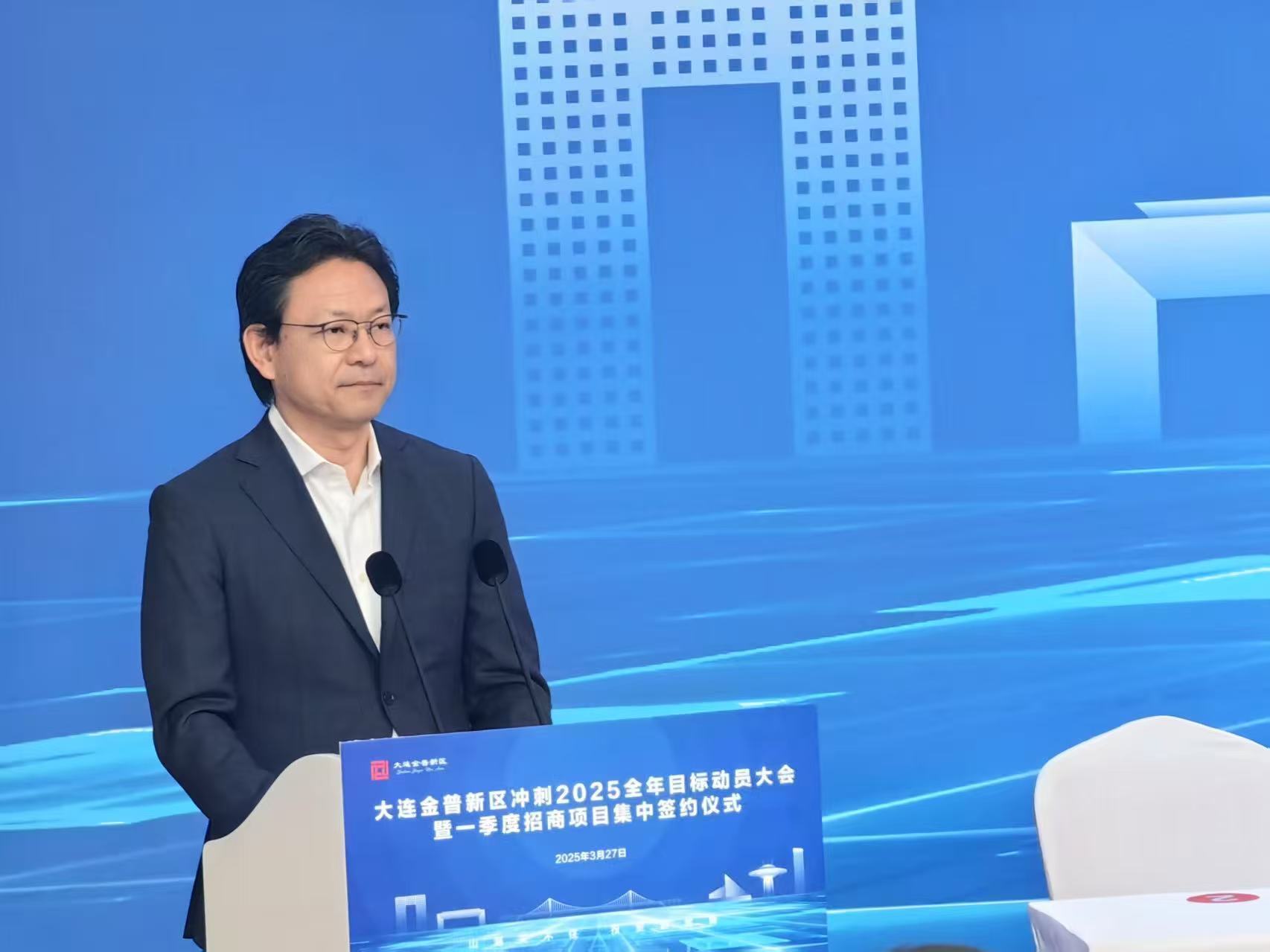
Dalian Sakabe was invited to participate in the Dalian investment promotion project ceremony
On March 27, 2025, Dalian Sakabe, as an advanced foreign-funded enterprise in Dalian, was invited to participate in the investment promotion project ceremony of Dalian China.
2025/04/01
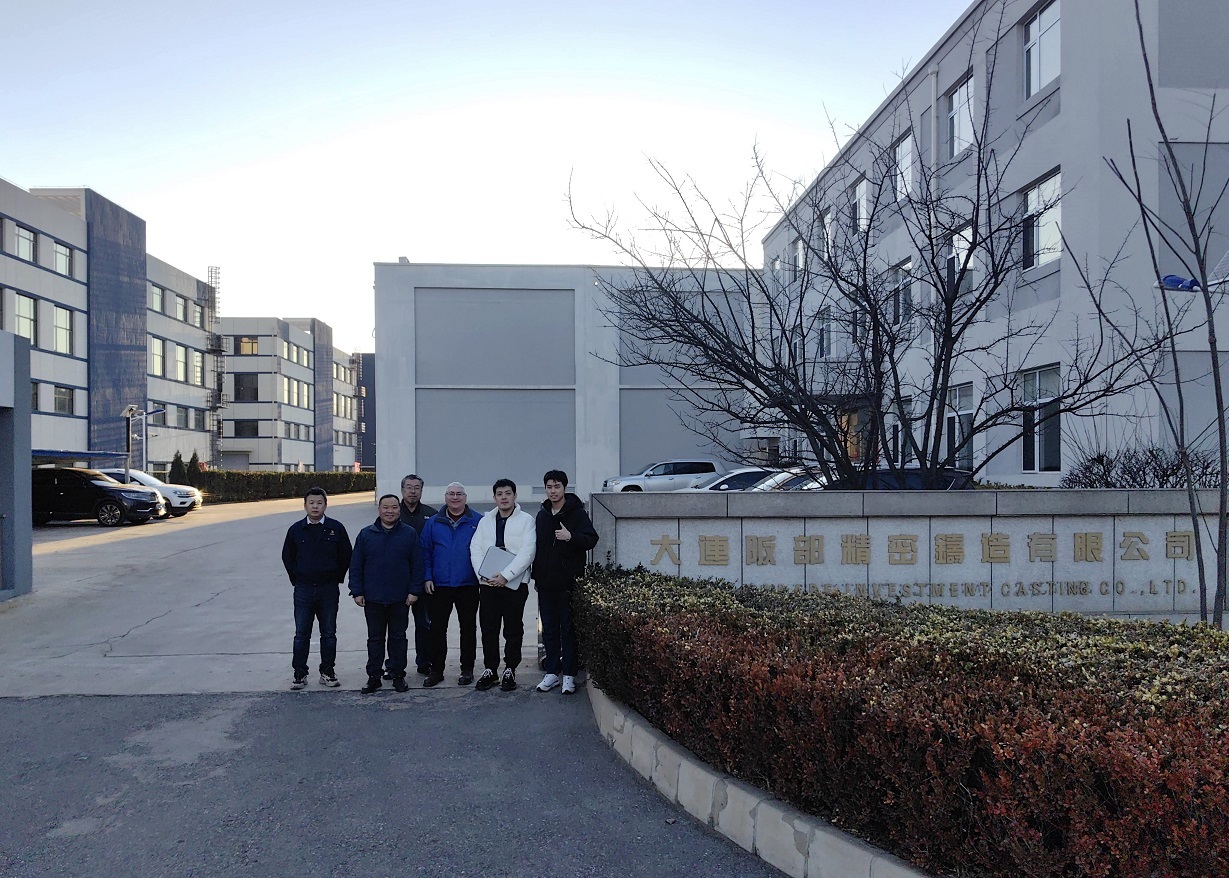
It is pleased that partner NME come to visit us Sakabe foundry
It is pleased that partner NME come to visit us Sakabe foundry. We share the same philosophy about quality standards, product positioning, environmental protection, and sustainable development. It's lucky to meet like-minded partners!
2025/02/19
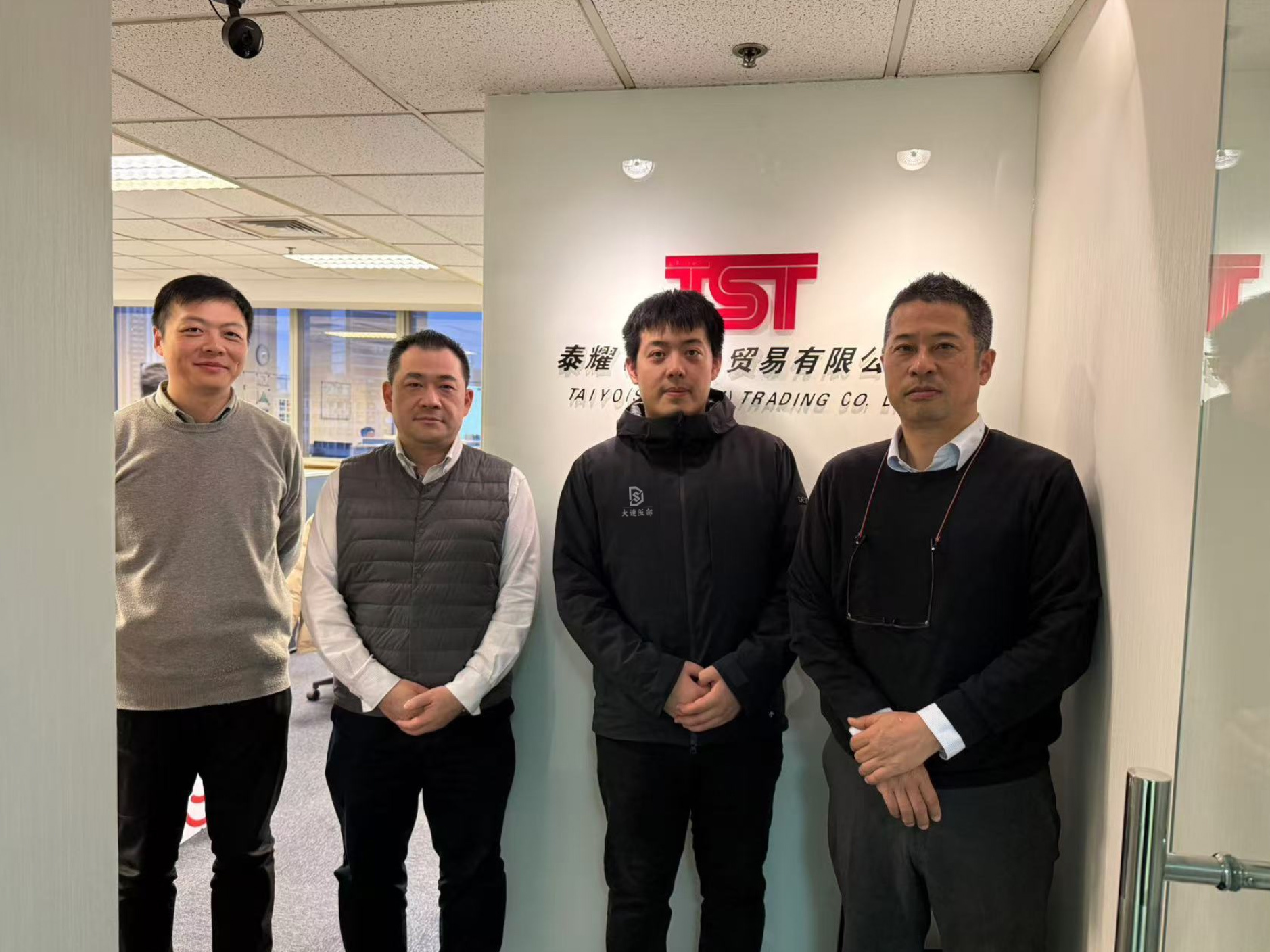
Great meeting with partner in Shanghai
Dalian Sakabe paying visit to our partner TST in Shanghai. Had discussions and plans for long term co-operation. Great thanks for your support!
2025/01/02
CONTACT US
Tel: +86 136-5494-1611
E-mail: alexzheng@sakabe.cn
Office Address:
No.18 Dongbei Qi Street, Jinpu New Area, Dalian, Liaoning, China
Factory Address:
No.26 Fuan Street, Jinpu New Area, Dalian, Liaoning, China
