


Exploring the Benefits of New Medical Equipment Casting Parts
Table of Contents
- Introduction to Medical Equipment Casting Parts
- The Importance of Casting in Medical Equipment
- Advantages of New Casting Technologies
- Enhancing Quality and Performance of Medical Devices
- Cost Efficiency and Sustainability in Manufacturing
- Case Studies and Innovations in Casting Parts
- Challenges in the Casting Process
- Future Trends in Medical Equipment Casting
- Conclusion
- FAQs about Medical Equipment Casting Parts
Introduction to Medical Equipment Casting Parts
The healthcare industry is constantly evolving, driven by technological advancements and the ever-increasing demand for high-quality medical devices. Among the many innovations, **new medical equipment casting parts** have emerged as a key player in this transformation. Casting is a manufacturing process that involves pouring liquid material into a mold to obtain the desired shape. This technique plays a crucial role in the production of various medical devices, ensuring precision, durability, and functionality.
In this article, we will explore the benefits of these new casting techniques, the impact they have on the healthcare sector, and their potential for future development.
The Importance of Casting in Medical Equipment
Casting is fundamental to the **manufacturing of medical equipment**, such as surgical instruments, diagnostic devices, and prosthetics. The process allows for the creation of complex geometries that would be challenging or impossible to achieve through traditional machining. This capability is particularly crucial for medical devices, where precise dimensions and shapes can significantly affect performance and safety.
Moreover, casting materials, including various metals and polymers, offer superior strength, biocompatibility, and corrosion resistance—essential qualities for medical applications. The importance of casting in medical equipment cannot be overstated, as it directly influences the efficacy and reliability of healthcare products.
Advantages of New Casting Technologies
Recent advancements in casting technologies have dramatically improved the production of medical equipment. These innovations include **3D printing**, **investment casting**, and **die casting**, each contributing unique benefits to the manufacturing process.
3D Printing
3D printing, or additive manufacturing, allows for the rapid prototyping of medical devices. This technology enables manufacturers to create intricate designs with minimal waste and reduced production time. By using 3D printing, companies can quickly iterate on designs and test new concepts, significantly accelerating the development process.
Investment Casting
Investment casting, also known as lost-wax casting, provides exceptional precision and surface finish. This method is ideal for producing complex geometries, making it perfect for intricate medical components. The ability to create detailed features reduces the need for additional machining, leading to cost savings and improved turnaround times.
Die Casting
Die casting is another advanced technique that offers high production rates and excellent dimensional accuracy. This method is particularly effective for manufacturing parts in large volumes, making it a suitable choice for mass-producing medical devices. The resulting products are often lighter and stronger, enhancing the overall performance of medical equipment.
Enhancing Quality and Performance of Medical Devices
The integration of new casting technologies leads to significant improvements in the quality and performance of medical devices. By utilizing advanced materials and manufacturing techniques, medical equipment can achieve higher reliability, which is paramount in healthcare settings.
Durability and Longevity
Casting techniques enable the production of robust components that can withstand the rigors of medical use. For instance, surgical instruments made through modern casting processes exhibit improved durability, significantly reducing wear and tear. This longevity not only enhances patient safety but also lowers replacement costs for healthcare providers.
Precision and Accuracy
The intricate designs achievable through modern casting methods result in medical devices that offer unmatched precision. This accuracy is particularly vital in applications like orthopedic implants, where even minor deviations can lead to complications. By ensuring high fidelity in manufacturing, casting technologies contribute to better surgical outcomes.
Biocompatibility
Many new casting materials are engineered to be biocompatible, meaning they can safely interact with biological systems. This feature is crucial for medical devices that remain in contact with tissues or fluids. By utilizing biocompatible materials, manufacturers can minimize the risk of adverse reactions, ensuring patient safety.
Cost Efficiency and Sustainability in Manufacturing
As healthcare costs continue to rise, the demand for cost-efficient manufacturing solutions has never been greater. New casting technologies not only enhance device performance but also drive down production costs.
Reduction of Material Waste
Modern casting methods are designed to minimize material waste. Techniques such as 3D printing allow for precise control over material usage, ensuring that only the necessary amount is utilized. This reduction in waste not only saves money but also contributes to more sustainable manufacturing practices.
Lower Production Costs
With advancements in casting technologies, production costs are decreasing. Techniques like investment casting can reduce the need for expensive machining processes, while die casting allows for mass production at lower costs. These savings can be passed on to healthcare providers, making medical devices more accessible.
Case Studies and Innovations in Casting Parts
Real-world applications of advanced casting technologies in medical equipment offer compelling evidence of their benefits. Let's examine some notable case studies that showcase these innovations.
Case Study 1: Customized Prosthetics
One leading medical device manufacturer utilized **3D printing** to create customized prosthetic limbs tailored to individual patient needs. The ability to rapidly prototype and produce unique designs led to better fitting and improved functionality. Patients experienced enhanced comfort and mobility, demonstrating the transformative power of modern casting techniques.
Case Study 2: Surgical Instrumentation
Another company adopted **investment casting** for their line of surgical instruments. By using this method, they achieved superior surface finishes and dimensional accuracy, which improved the instruments' performance during procedures. The switch to investment casting resulted in significant cost savings and increased market competitiveness.
Challenges in the Casting Process
While the benefits of new casting technologies are evident, challenges remain. Understanding these obstacles is crucial for manufacturers looking to optimize their processes.
Material Selection
Choosing the right material for casting can be complex. Factors such as biocompatibility, strength, and corrosion resistance must be carefully considered. Manufacturers need to conduct thorough testing to ensure their selected materials meet the stringent requirements of medical applications.
Regulatory Compliance
The healthcare industry is heavily regulated, and medical device manufacturers must adhere to strict guidelines. Ensuring that products manufactured through advanced casting techniques meet regulatory standards can be challenging and time-consuming. Continuous collaboration with regulatory bodies is essential for success.
Future Trends in Medical Equipment Casting
As technology continues to evolve, so too will casting processes in the medical equipment industry. Emerging trends are set to shape the future of manufacturing.
Integration of Artificial Intelligence
Artificial intelligence (AI) is poised to revolutionize the casting process by enhancing design capabilities and improving quality control. AI algorithms can analyze data from previous productions, identifying patterns and suggesting optimizations. This integration will lead to even greater efficiency and product reliability.
Increased Focus on Sustainability
As environmental concerns grow, the demand for sustainable manufacturing practices will likely increase. Future casting technologies will need to prioritize eco-friendly materials and processes that reduce carbon footprints, aligning with global sustainability goals.
Conclusion
In conclusion, the benefits of new medical equipment casting parts are profound and far-reaching. By embracing advanced casting technologies, manufacturers can enhance the quality, performance, and sustainability of medical devices. As the healthcare industry continues to evolve, these innovations will play a crucial role in shaping the future of patient care.
As we look ahead, it is clear that the integration of new casting techniques will lead to improved healthcare outcomes, increased efficiency, and greater accessibility of medical devices. The journey of transformation in medical equipment manufacturing has just begun, and the potential for future advancements is limitless.
FAQs about Medical Equipment Casting Parts
1. What materials are commonly used in medical equipment casting?
Common materials include stainless steel, titanium, and specialized polymers that offer biocompatibility and strength.
2. How does casting compare to traditional machining?
Casting allows for more complex shapes and reduces material waste, while traditional machining often requires additional processes to achieve similar results.
3. Are there specific regulations for medical equipment casting?
Yes, medical devices must comply with regulations set by bodies such as the FDA or ISO standards to ensure safety and efficacy.
4. What are the environmental impacts of casting processes?
Modern casting techniques focus on reducing waste and energy consumption, but manufacturers must continually seek sustainable practices to minimize their environmental footprint.
5. How can manufacturers stay competitive in the medical equipment casting market?
By adopting advanced technologies, investing in innovation, and ensuring compliance with regulations, manufacturers can maintain a competitive edge in the industry.

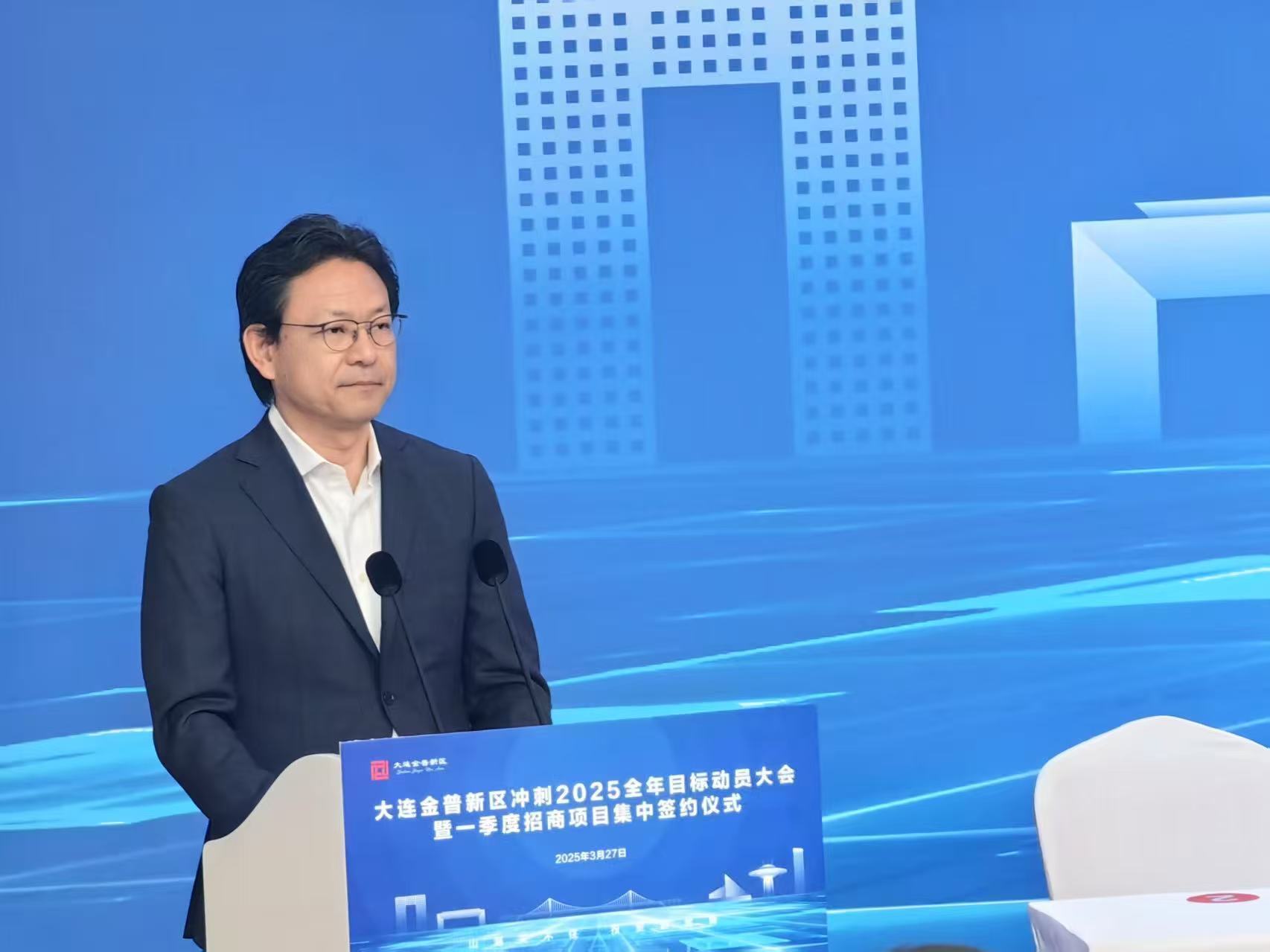
Dalian Sakabe was invited to participate in the Dalian investment promotion project ceremony
On March 27, 2025, Dalian Sakabe, as an advanced foreign-funded enterprise in Dalian, was invited to participate in the investment promotion project ceremony of Dalian China.
2025/04/01

It is pleased that partner NME come to visit us Sakabe foundry
It is pleased that partner NME come to visit us Sakabe foundry. We share the same philosophy about quality standards, product positioning, environmental protection, and sustainable development. It's lucky to meet like-minded partners!
2025/02/19
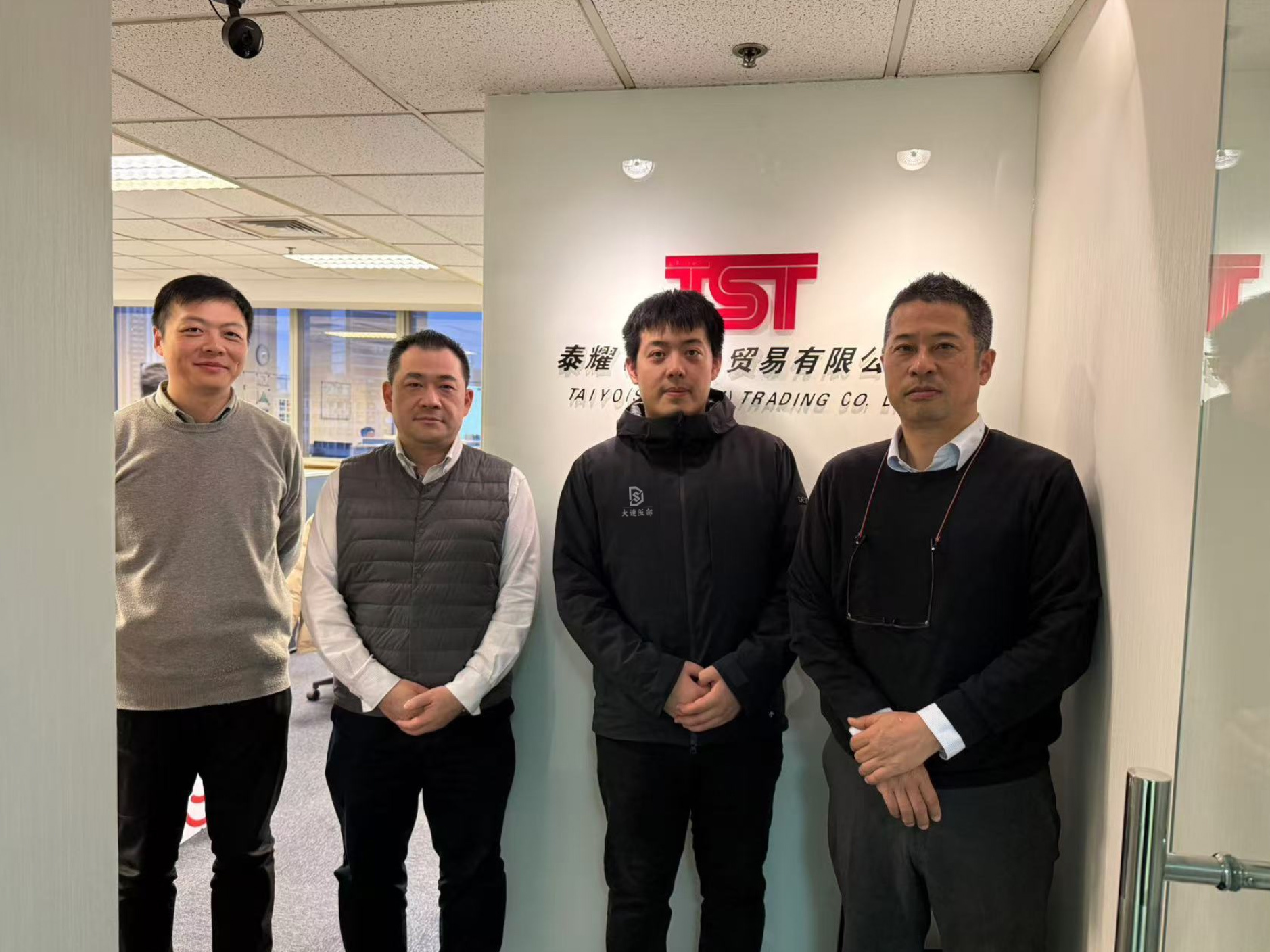
Great meeting with partner in Shanghai
Dalian Sakabe paying visit to our partner TST in Shanghai. Had discussions and plans for long term co-operation. Great thanks for your support!
2025/01/02
CONTACT US
Tel: +86 136-5494-1611
E-mail: alexzheng@sakabe.cn
Office Address:
No.18 Dongbei Qi Street, Jinpu New Area, Dalian, Liaoning, China
Factory Address:
No.26 Fuan Street, Jinpu New Area, Dalian, Liaoning, China
