

Unlocking Efficiency: The Role of Customized Textile Machinery Die-Casting Parts
Table of Contents
- 1. Introduction to Textile Machinery and Die-Casting Parts
- 2. The Importance of Customization in Textile Machinery
- 3. Understanding the Die-Casting Process
- 4. Benefits of Customized Die-Casting Parts in Textile Machinery
- 5. Case Studies: Successful Implementations
- 6. Future Trends in Textile Machinery Die-Casting
- 7. Challenges in Die-Casting and How to Overcome Them
- 8. Conclusion
- 9. Frequently Asked Questions
1. Introduction to Textile Machinery and Die-Casting Parts
In the ever-evolving world of textile manufacturing, efficiency and precision are paramount. **Textile machinery** serves as the backbone of this industry, and every component must work harmoniously to optimize production. **Die-casting parts**, specifically customized ones, play a pivotal role in enhancing the performance and longevity of these machines. The integration of customized die-casting parts not only improves efficiency but also reduces operational costs, ensuring a competitive edge in the market.
2. The Importance of Customization in Textile Machinery
Customization is not just a luxury; it’s a necessity in today’s textile industry. Standard parts may not always meet specific operational requirements, leading to inefficiencies. Customized die-casting parts allow manufacturers to tailor components that fit unique machinery needs, enhancing functionality and performance.
**Why does customization matter?** Here are some key points:
Tailored Solutions for Unique Challenges
Every textile production operation has its unique set of challenges, from varying materials to specific production speeds. Customized die-casting parts address these challenges directly, ensuring that machinery operates at the highest possible efficiency.
Improved Durability and Performance
When components are designed specifically for a machine, they tend to perform better and last longer. Customized parts reduce wear and tear, which is crucial in a fast-paced environment where downtime can lead to significant financial losses.
Cost-Effectiveness
While the initial investment in custom parts may be higher, the long-term savings associated with increased efficiency and reduced maintenance costs make them a wise choice for manufacturers.
3. Understanding the Die-Casting Process
The **die-casting process** involves injecting molten metal into a mold to form specific shapes. This technique yields high-precision parts with excellent surface finishes, making it ideal for textile machinery applications.
The Steps Involved in Die-Casting
1. **Mold Design**: Creating a detailed mold design that aligns with the specific requirements of the textile machinery.
2. **Material Selection**: Choosing the appropriate metal alloy based on the part's functionality and application.
3. **Melting and Injection**: Heating the metal until molten, then injecting it into the mold under high pressure.
4. **Cooling and Ejection**: Allowing the metal to cool and solidify before ejecting it from the mold.
5. **Finishing**: Applying any necessary finishing processes, such as machining or surface treatments, to achieve the desired specifications.
4. Benefits of Customized Die-Casting Parts in Textile Machinery
The integration of **customized die-casting parts** into textile machinery offers numerous advantages:
Enhanced Operational Efficiency
Customized parts are designed for optimal performance in specific applications, which significantly boosts overall operational efficiency. This means smoother operations and higher throughput.
Reduced Maintenance Needs
With parts tailored to fit their machines, manufacturers often experience a notable decrease in maintenance needs. Custom parts minimize the risk of malfunctions and breakdowns, leading to less downtime.
Improved Product Quality
Quality in textile manufacturing is non-negotiable. Customized die-casting parts help ensure that machinery operates with precision, resulting in higher quality textile products.
Flexibility and Innovation
The ability to customize components allows for greater innovation in machine design and functionality. Manufacturers can experiment with new designs that meet market demands more effectively.
5. Case Studies: Successful Implementations
Several companies have successfully leveraged customized die-casting parts to enhance their textile machinery efficiency. Here, we explore two notable case studies:
Case Study 1: Company A’s Custom Die-Casting Initiative
Company A, a leading textile producer, faced challenges with their machinery's speed and reliability. By investing in custom die-casting parts specifically designed for their machines, they achieved a 30% increase in operational speed and reduced downtime by 25%.
Case Study 2: Company B’s Focus on Quality Improvement
Company B implemented customized die-casting to improve the quality control of their fabric production process. This led to a significant reduction in defects, increasing customer satisfaction and bolstering their market position.
6. Future Trends in Textile Machinery Die-Casting
As technology continues to advance, the textile industry will likely see several emerging trends in die-casting:
Increased Use of Automation
Automation will play a crucial role in the die-casting process, from design to production. Automated systems can enhance precision and efficiency, leading to better overall outcomes.
Sustainability Practices
The focus on sustainability is growing, and companies are increasingly looking for eco-friendly materials and processes in die-casting. This shift will drive innovation in the materials used for die-casting parts.
Integration of Smart Technologies
Smart technologies, including IoT and AI, will likely be integrated into die-casting operations, enabling real-time monitoring and adjustments to enhance efficiency further.
7. Challenges in Die-Casting and How to Overcome Them
While the benefits of customized die-casting are substantial, challenges remain in the industry:
Complexity in Design
Creating customized designs can be complex and time-consuming. Collaboration between designers and engineers is crucial to overcoming this hurdle.
Material Limitations
Choosing the right alloy for specific applications can be challenging. Ongoing research and development in materials science can help identify suitable solutions.
Cost Implications
The initial costs of custom die-casting can deter some manufacturers. However, a clear understanding of the long-term savings can help justify the investment.
8. Conclusion
Customized die-casting parts are revolutionizing the textile machinery sector by enhancing efficiency, reducing downtime, and improving product quality. As manufacturers continue to embrace innovation and customization, the benefits become increasingly clear. The future of the textile industry will undoubtedly be shaped by advancements in die-casting technologies, paving the way for greater productivity and sustainability.
9. Frequently Asked Questions
What are die-casting parts?
Die-casting parts are components created by injecting molten metal into a mold, allowing for high precision and excellent surface finishes. These parts are essential in various industries, including textile machinery.
Why is customization important in die-casting?
Customization allows for tailored solutions that meet specific operational needs, enhancing performance, durability, and cost-effectiveness.
What are the benefits of using customized die-casting parts in textile machinery?
Benefits include improved operational efficiency, reduced maintenance needs, enhanced product quality, and greater flexibility for innovation in design.
How does the die-casting process work?
The die-casting process involves designing a mold, selecting materials, injecting molten metal into the mold, cooling and ejecting the part, and applying any necessary finishing.
What future trends should we expect in die-casting for textile machinery?
Expect trends such as increased automation, a focus on sustainability, and the integration of smart technologies to enhance efficiency and precision in die-casting operations.

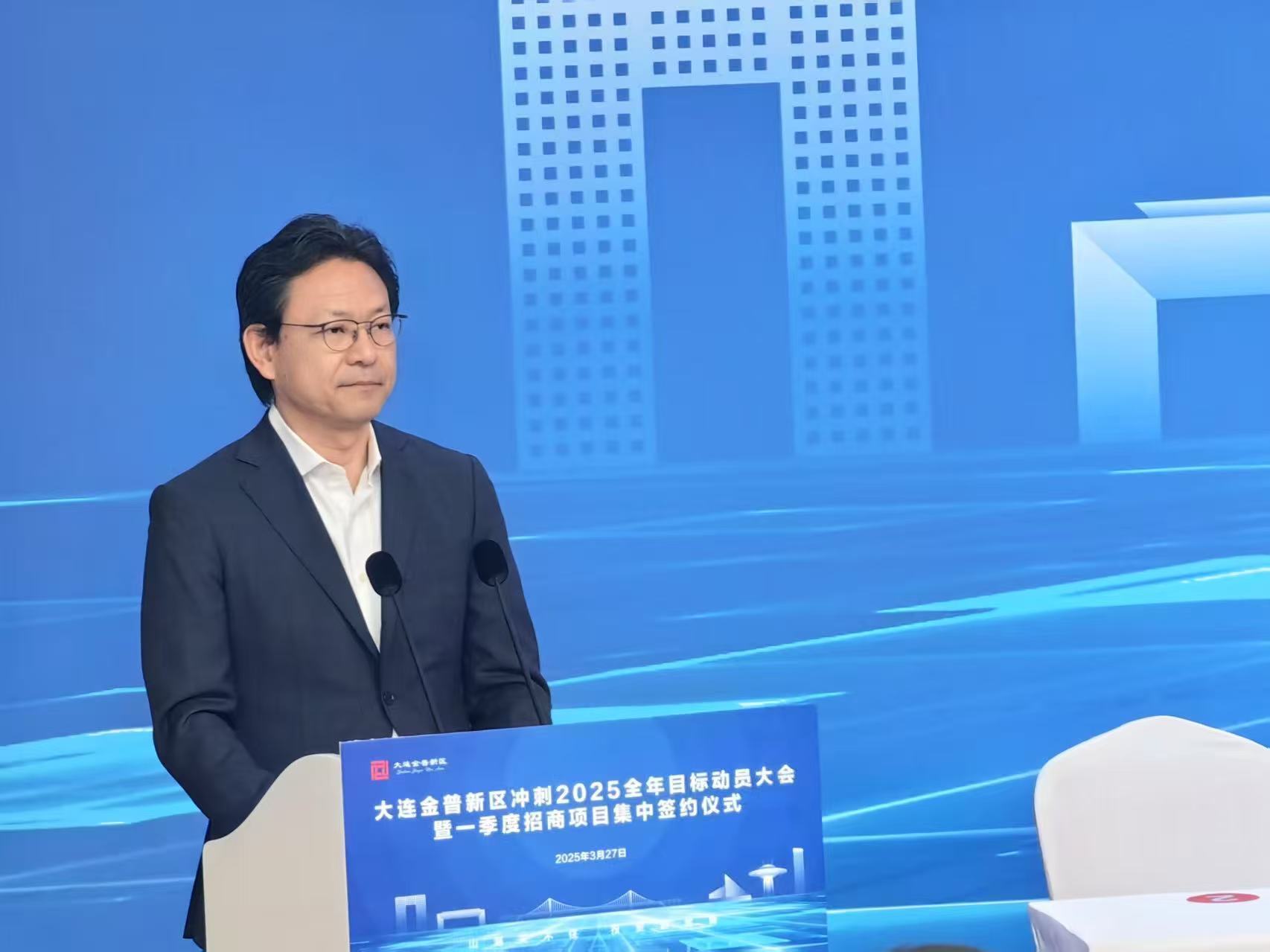
Dalian Sakabe was invited to participate in the Dalian investment promotion project ceremony
On March 27, 2025, Dalian Sakabe, as an advanced foreign-funded enterprise in Dalian, was invited to participate in the investment promotion project ceremony of Dalian China.
2025/04/01
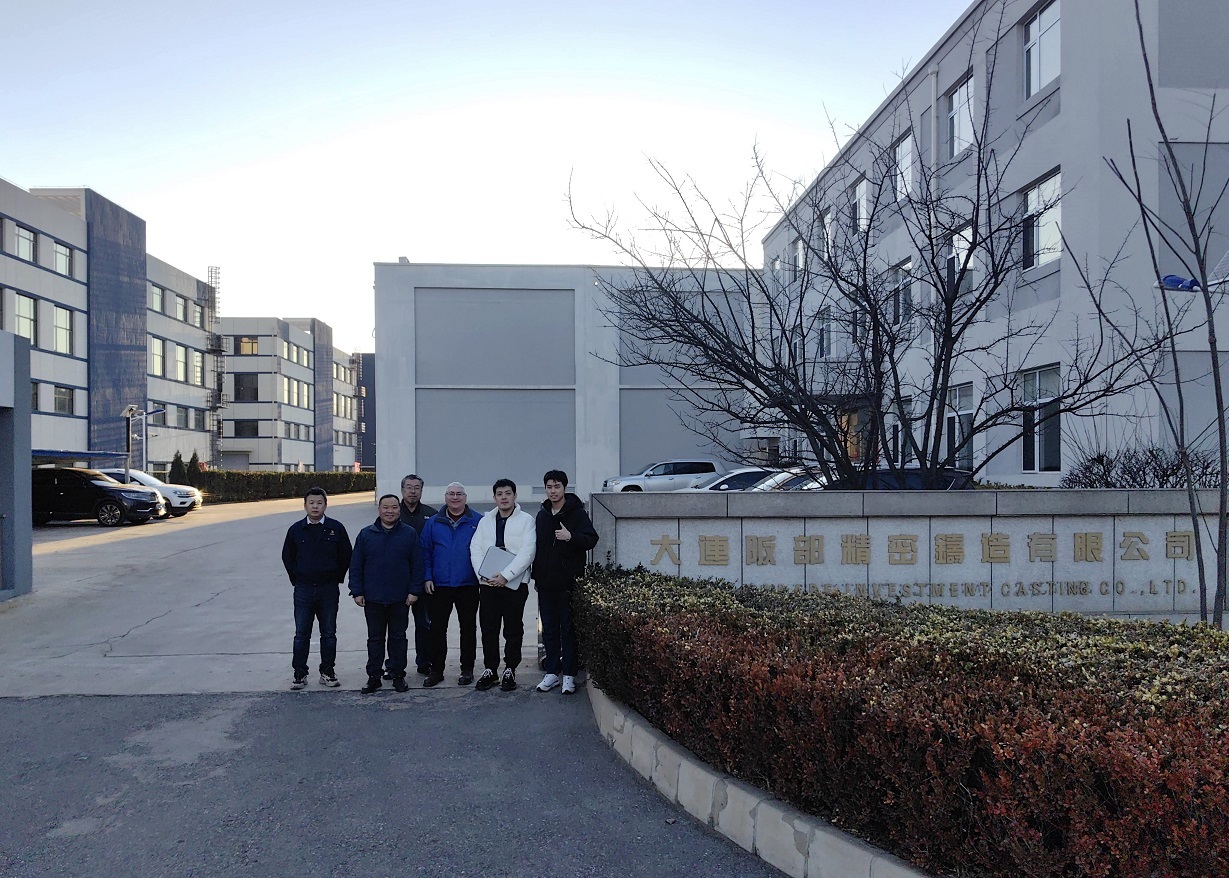
It is pleased that partner NME come to visit us Sakabe foundry
It is pleased that partner NME come to visit us Sakabe foundry. We share the same philosophy about quality standards, product positioning, environmental protection, and sustainable development. It's lucky to meet like-minded partners!
2025/02/19
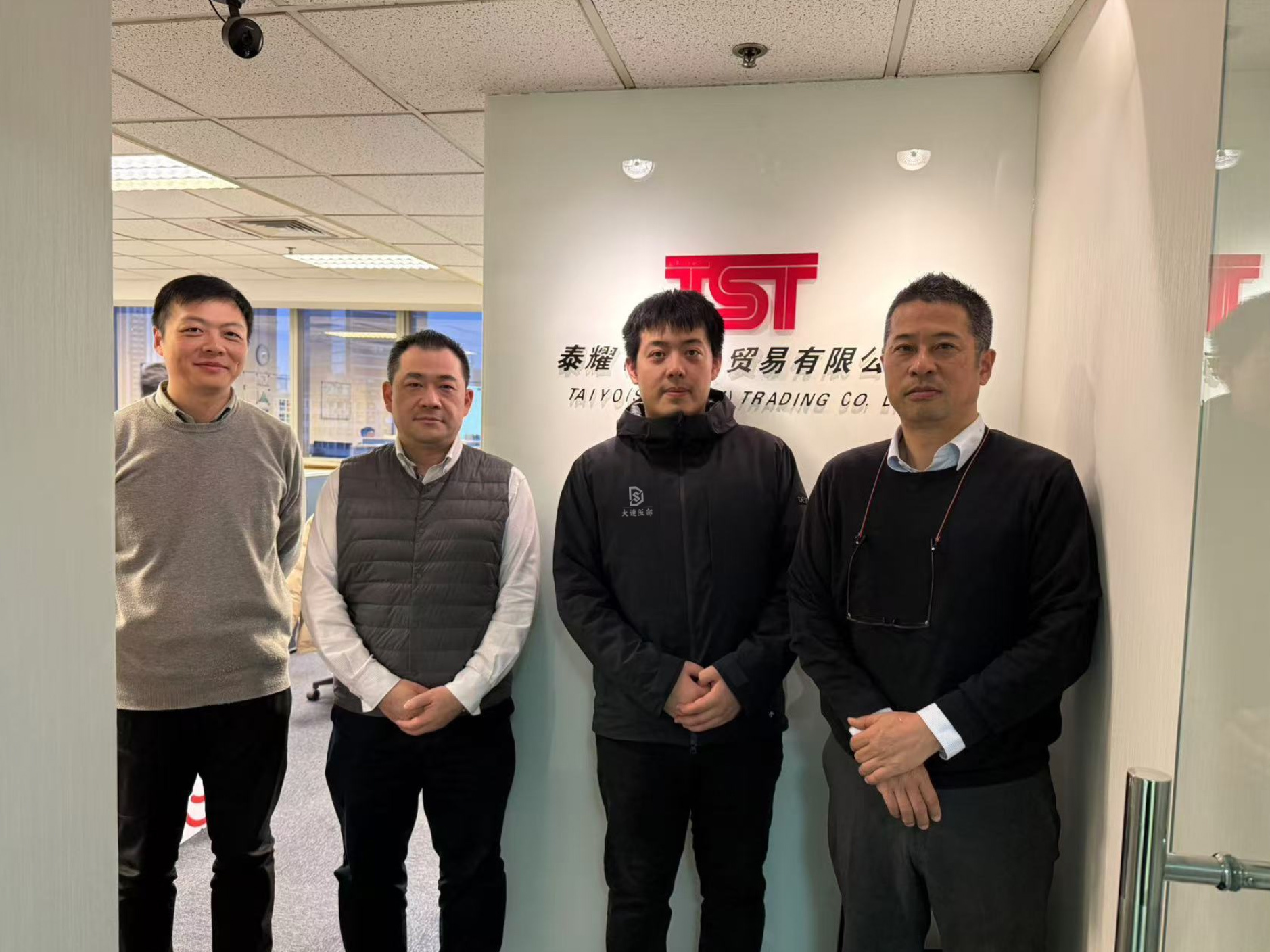
Great meeting with partner in Shanghai
Dalian Sakabe paying visit to our partner TST in Shanghai. Had discussions and plans for long term co-operation. Great thanks for your support!
2025/01/02
CONTACT US
Tel: +86 136-5494-1611
E-mail: alexzheng@sakabe.cn
Office Address:
No.18 Dongbei Qi Street, Jinpu New Area, Dalian, Liaoning, China
Factory Address:
No.26 Fuan Street, Jinpu New Area, Dalian, Liaoning, China
