

Unlocking Efficiency: The Critical Role of Die-Casting Parts in China’s Food Machinery Industry
Table of Contents
- Introduction to Die-Casting in Food Machinery
- Understanding Die-Casting: A Key Manufacturing Process
- The Importance of Die-Casting Parts in Food Machinery
- Benefits of Using Die-Casting Parts
- Applications of Die-Casting in the Food Machinery Sector
- Future Trends in Die-Casting and Food Machinery
- Challenges and Solutions in Die-Casting Production
- Conclusion
- FAQs
Introduction to Die-Casting in Food Machinery
The **food machinery industry** in China is evolving rapidly, driven by technological advancements and the growing demand for high-quality food processing equipment. At the heart of this evolution lies the **die-casting process**, a manufacturing method that shapes metal into intricate designs with exceptional precision. Understanding the role of die-casting parts is crucial for stakeholders aiming to unlock efficiency and enhance productivity within this sector.
Understanding Die-Casting: A Key Manufacturing Process
Die-casting is a metal casting process that involves forcing molten metal into a mold cavity under high pressure. This technique is particularly favored for its ability to produce complex shapes with fine details, making it ideal for various applications in the food machinery industry. The process typically employs metals such as aluminum, zinc, and magnesium, which are known for their lightweight and durable properties.
The die-casting process can be divided into two primary methods: **hot chamber die-casting** and **cold chamber die-casting**. Each method has unique advantages and is chosen based on the specific requirements of the parts being produced.
The Importance of Die-Casting Parts in Food Machinery
Die-casting parts play an integral role in the food machinery sector, influencing everything from the **efficiency of production lines** to the **reliability of machinery**. These components contribute to the overall performance and safety of food processing equipment. By utilizing die-casting parts, manufacturers can expect:
- **Enhanced production capabilities:** Faster production times lead to increased output, meeting the rising demand for food products.
- **Improved product quality:** High-precision components ensure that machines operate smoothly and consistently, minimizing defects and waste.
- **Greater design flexibility:** The ability to create complex shapes allows for innovative machinery designs that optimize functionality.
Benefits of Using Die-Casting Parts
As the demand for efficient and reliable food machinery grows, the benefits of incorporating die-casting parts become increasingly apparent:
Cost Efficiency
Die-casting offers a cost-effective solution for producing large volumes of parts. The automation involved in the die-casting process reduces labor costs and increases production speed. Additionally, the ability to create intricate designs in a single step minimizes the need for secondary operations, further driving down costs.
Quality and Precision
One of the standout qualities of die-casting is its ability to produce parts with exceptional dimensional accuracy. This precision ensures that components fit together seamlessly, enhancing the overall functionality and reliability of food machinery. Even complex geometries can be achieved without compromising on quality, making die-casting an ideal choice for manufacturers.
Durability and Strength
Die-cast parts are known for their impressive mechanical properties, including high strength and corrosion resistance. These characteristics are vital in the food machinery industry, where equipment must withstand harsh operating conditions and frequent cleaning. The durability of die-casting components ensures a longer service life, reducing maintenance costs and downtime.
Applications of Die-Casting in the Food Machinery Sector
Die-casting parts are utilized across various areas in the food machinery sector, significantly improving manufacturing processes and equipment efficiency.
Key Equipment and Machinery
Die-casting parts are essential in the production of critical equipment such as **mixers**, **conveyors**, **packaging machines**, and **food processing units**. For instance, the use of die-cast aluminum components in mixers enhances their ability to handle heavy loads while maintaining a lightweight profile, making them easier to operate.
Innovations in Food Processing
The integration of die-casting technology has led to innovations in food processing that prioritize efficiency and sustainability. For example, advanced die-casting techniques allow for the development of energy-efficient machinery that consumes less power while maintaining high output levels. As the industry moves toward sustainability, die-casting will play a pivotal role in creating eco-friendly solutions.
Future Trends in Die-Casting and Food Machinery
The future of die-casting in the food machinery industry is promising, shaped by key trends that prioritize innovation and efficiency:
- **Smart manufacturing:** The rise of Industry 4.0 is influencing die-casting processes, with automation and data analytics driving more efficient production lines.
- **Sustainable practices:** As environmental concerns grow, manufacturers are adopting sustainable materials and processes in die-casting, ensuring compliance with regulations while reducing their carbon footprint.
- **Customization:** The demand for custom machinery solutions is increasing, and die-casting is well-positioned to meet this need through flexible manufacturing techniques.
Challenges and Solutions in Die-Casting Production
While die-casting offers numerous advantages, challenges can arise during production. These may include issues related to mold design, material selection, and process optimization. To address these challenges, manufacturers can implement the following solutions:
- **Investing in advanced technology:** Utilizing state-of-the-art machinery and software for mold design can enhance precision and reduce production errors.
- **Continuous training:** Providing ongoing training for personnel ensures they are equipped to handle modern die-casting techniques and technologies effectively.
- **Collaborative partnerships:** Working with material suppliers and technology partners can lead to innovative solutions that enhance the die-casting process.
Conclusion
The role of die-casting parts in China's food machinery industry cannot be overstated. As manufacturers strive for efficiency, reliability, and innovation, die-casting emerges as a critical process that drives these objectives forward. The benefits of cost efficiency, quality, and durability make die-casting an invaluable component for food machinery manufacturers. By embracing the advancements in die-casting technology and addressing the associated challenges, stakeholders can unlock unprecedented levels of productivity and innovation in this dynamic industry.
FAQs
1. What is die-casting?
Die-casting is a manufacturing process where molten metal is injected into a mold at high pressure, resulting in precise, intricate parts.
2. Why is die-casting important for food machinery?
Die-casting is vital for food machinery as it enhances production efficiency, ensures high precision, and provides durability for components.
3. What metals are commonly used in die-casting?
Aluminum, zinc, and magnesium are commonly used metals in die-casting due to their lightweight and strong properties.
4. How does die-casting improve product quality?
Die-casting produces parts with excellent dimensional accuracy, reducing defects and ensuring seamless operation of machinery.
5. What trends are shaping the future of die-casting in food machinery?
Future trends include smart manufacturing, sustainable practices, and increased customization in die-casting processes.

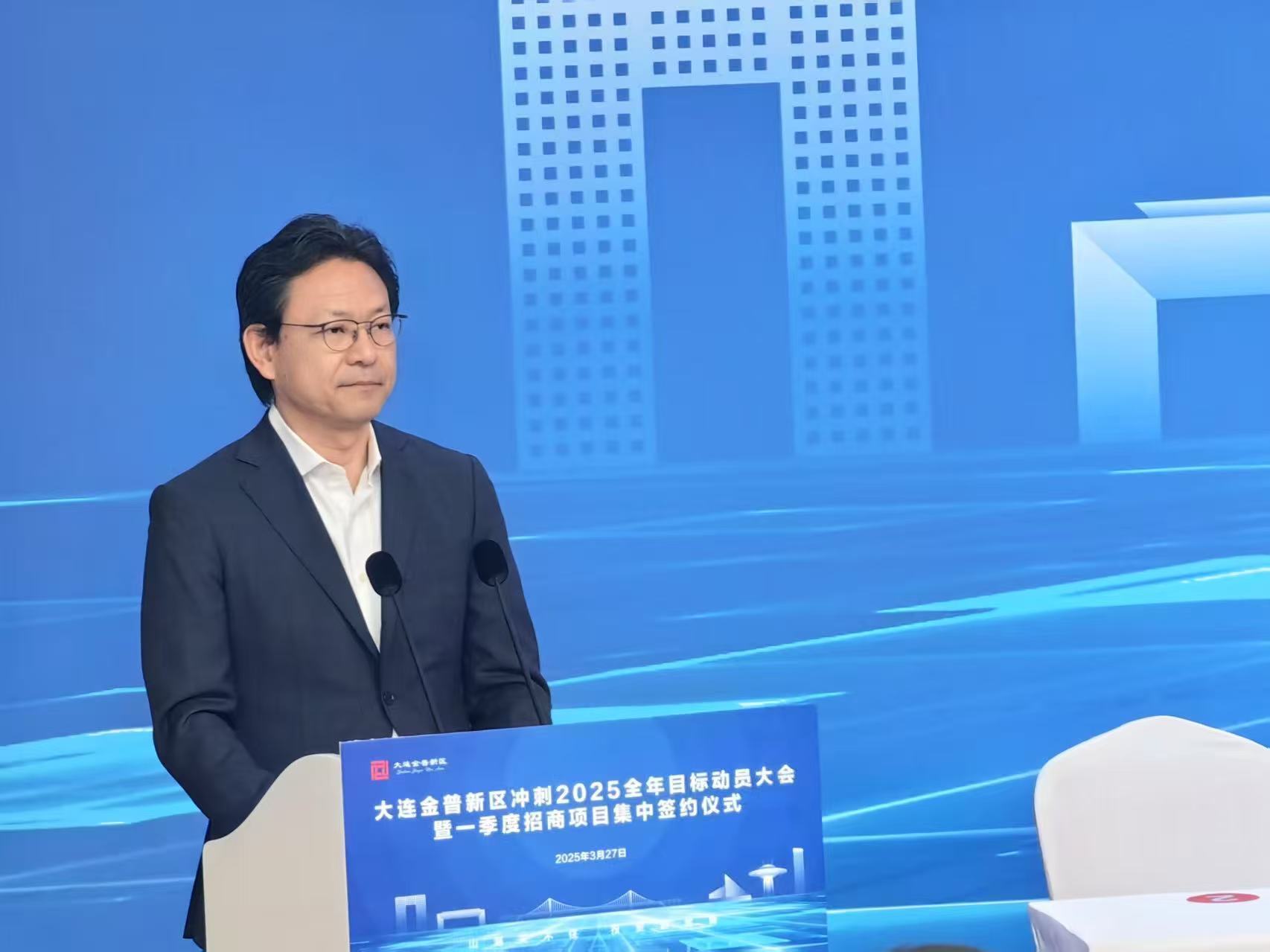
Dalian Sakabe was invited to participate in the Dalian investment promotion project ceremony
On March 27, 2025, Dalian Sakabe, as an advanced foreign-funded enterprise in Dalian, was invited to participate in the investment promotion project ceremony of Dalian China.
2025/04/01
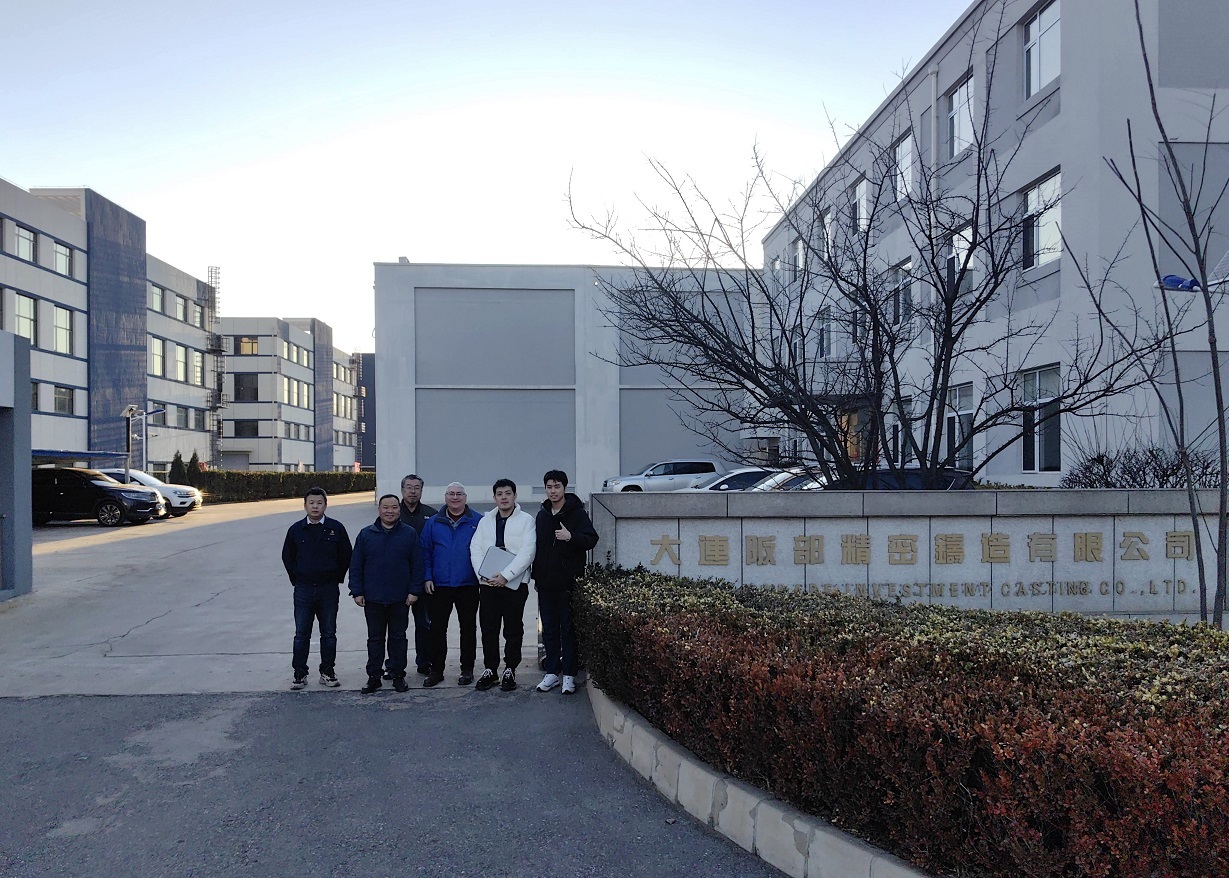
It is pleased that partner NME come to visit us Sakabe foundry
It is pleased that partner NME come to visit us Sakabe foundry. We share the same philosophy about quality standards, product positioning, environmental protection, and sustainable development. It's lucky to meet like-minded partners!
2025/02/19
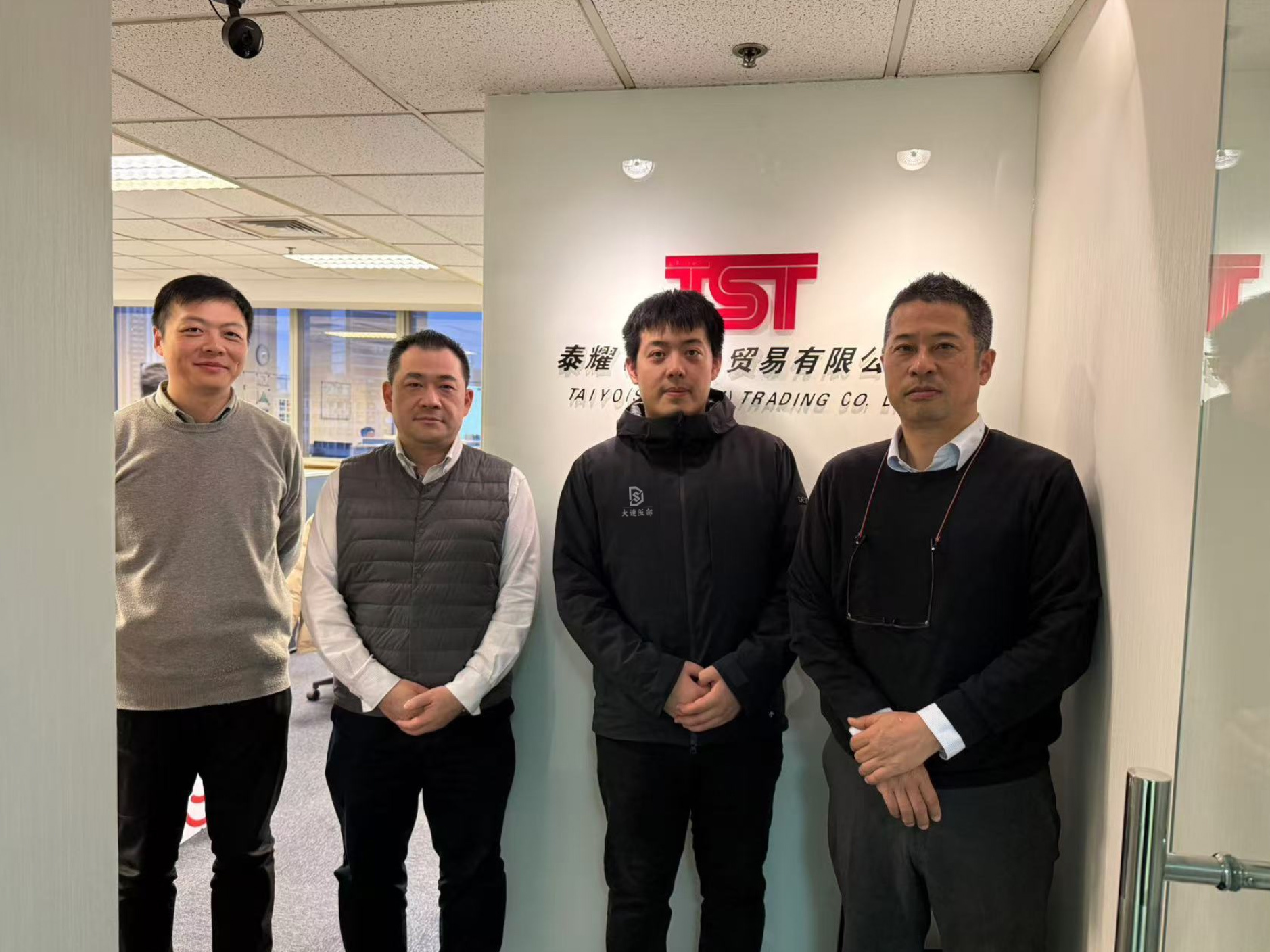
Great meeting with partner in Shanghai
Dalian Sakabe paying visit to our partner TST in Shanghai. Had discussions and plans for long term co-operation. Great thanks for your support!
2025/01/02
CONTACT US
Tel: +86 136-5494-1611
E-mail: alexzheng@sakabe.cn
Office Address:
No.18 Dongbei Qi Street, Jinpu New Area, Dalian, Liaoning, China
Factory Address:
No.26 Fuan Street, Jinpu New Area, Dalian, Liaoning, China
