


Enhancing Textile Machinery Efficiency through Quality Precision Casting
In the manufacturing and processing machinery sector, particularly in the realm of casting and forging, the significance of quality precision casting cannot be overstated. When it comes to textile machinery, the demands for reliability, durability, and efficiency drive the need for high-quality components. Precision casting, which involves the creation of intricate metal parts through a process of pouring molten metal into a mold, plays a critical role in ensuring that these machines operate at their best.
One of the primary advantages of quality precision casting for textile machinery components is the ability to produce complex shapes that would be difficult or impossible to achieve with traditional machining methods. This capability not only streamlines the manufacturing process but also minimizes material waste, making it a cost-effective solution for manufacturers. Precision casting allows for tight tolerances and high dimensional accuracy, ensuring that each part fits perfectly within the overall machinery assembly.
Moreover, the materials used in precision casting can significantly impact the performance and longevity of textile machinery. High-quality alloys and specialized metal formulations are often employed to enhance mechanical properties such as strength, wear resistance, and thermal stability. These characteristics are essential in the textile industry, where machinery is subjected to continuous operation under varying loads and environmental conditions. By selecting the right materials and utilizing precision casting techniques, manufacturers can produce components that withstand the rigors of textile production.
In addition to material selection, the casting process itself requires meticulous attention to detail. Factors such as mold design, pouring temperature, and cooling rates must be carefully controlled to ensure the final product meets the desired specifications. Implementing advanced technologies such as computer-aided design (CAD) and computer-aided manufacturing (CAM) can further enhance precision and efficiency in the casting process. These technologies allow for better visualization of the end product and help identify potential issues before production begins.
Quality control is another essential aspect of precision casting for textile machinery. Regular inspections and testing of cast components must be conducted to ensure that they conform to industry standards and specifications. Techniques such as non-destructive testing (NDT) can be employed to detect any internal defects or inconsistencies in the material without compromising the integrity of the components.
Quality precision casting is a cornerstone of effective textile machinery manufacturing. By leveraging advanced casting techniques, selecting appropriate materials, and maintaining rigorous quality checks, manufacturers can produce reliable, high-performance machinery components. This commitment to quality not only enhances the efficiency of textile production but also contributes to the overall success of manufacturers in a competitive marketplace. Investing in precision casting processes is, therefore, imperative for any manufacturer looking to excel in the textile machinery industry.
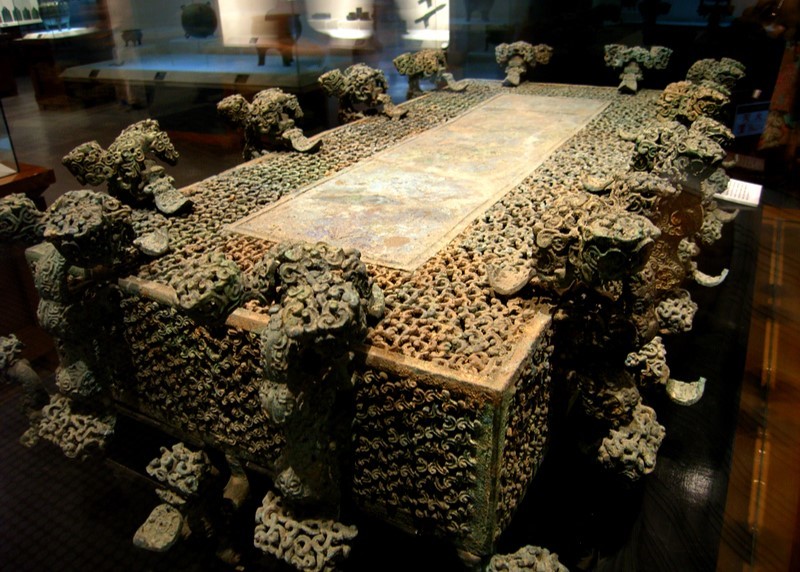
Introduction to investment casting manufacturing technique
Investment casting, also known as wax loss casting, is a long-standing metal forming process. The copper ban during the Spring and Autumn period in China was the earliest known lost wax casting method. The first step is to make a mold, using the mold to inject liquid wax into the mold to form a wax mold. Then, the wax mold is pasted into a pouring system according to the casting process, and the entire pouring system is made into a silica sol shell. After dewaxing, the entire shell becomes a cavity, and the cavity shell can be poured with molten steel after calcination. After cooling, the steel material product is formed. Subsequently, through processes such as cutting and grinding, sandblasting, heat treatment, correction, welding repair, electroplating, and machining, the cast products required by the customer are formed.
2024/10/08

Dalian is a beautiful coastal city in Northeast China, with beautiful scenery and pleasant climate. It is an important industrial production base, an international shipping center in Northeast Asia.
2024/07/11
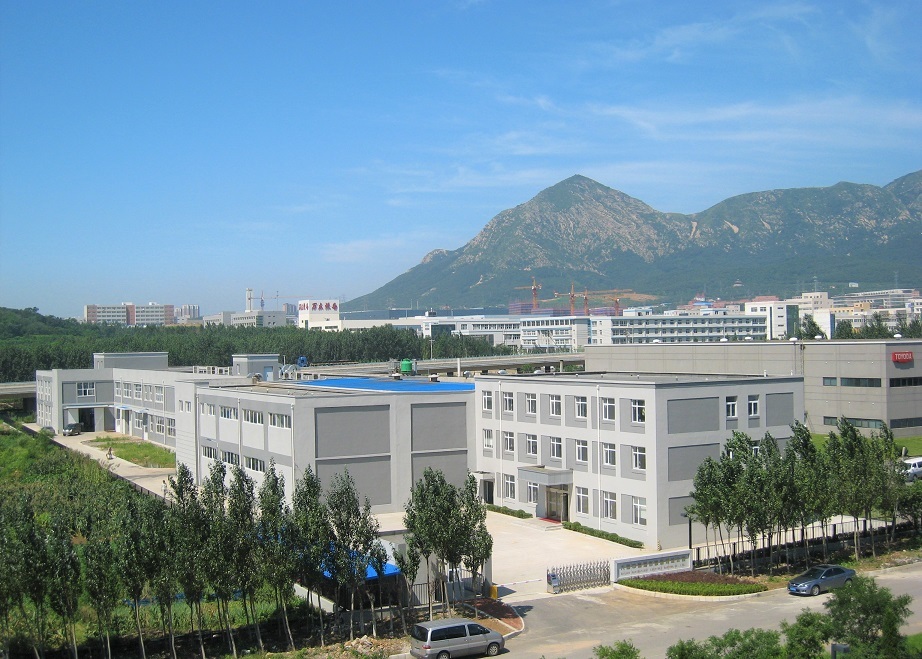
Dalian Sakabe has own foundry factory and focus on providing high-quality precision casting products to domestic and foreign customers since its establishment in 2005.
2024/10/08
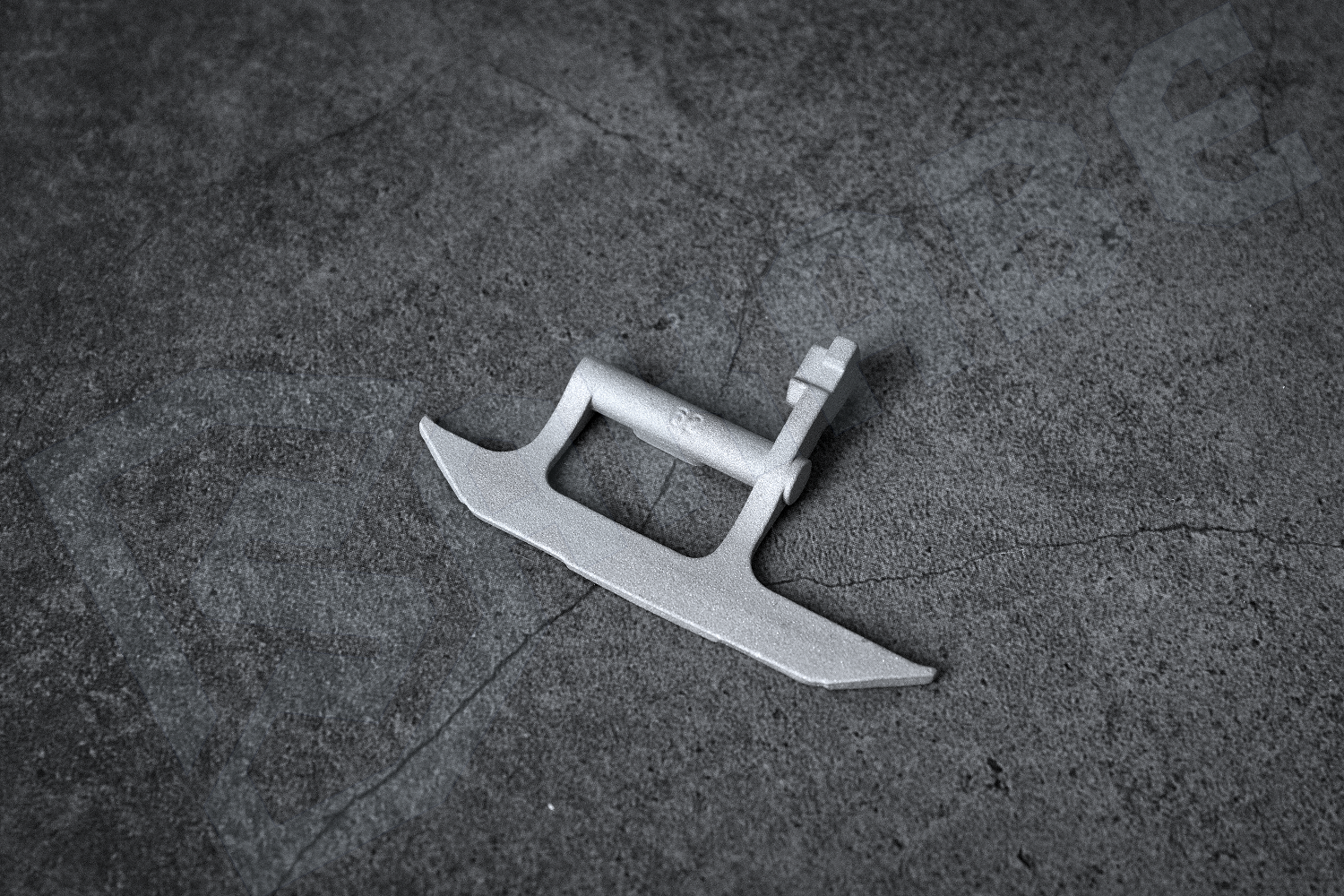
The Crucial Role of Casting Material Trays in Advanced Manufacturing
In the ever-evolving landscape of manufacturing, optimizing heat treatment processes through the strategic use of casting material trays is paramount
2025/09/19
CONTACT US
Tel: +86 136-5494-1611
E-mail: alexzheng@sakabe.cn
Office Address:
No.18 Dongbei Qi Street, Jinpu New Area, Dalian, Liaoning, China
Factory Address:
No.26 Fuan Street, Jinpu New Area, Dalian, Liaoning, China
