


Discover the Essential Classy Sewing Machine Parts for Seamstress Success
Introduction to Sewing Machine Parts
Sewing machines are intricate tools that transform fabric into beautiful creations, and understanding their components is vital for any successful seamstress. Each part plays a significant role in the overall functionality of the machine, affecting everything from stitching quality to ease of use. This guide delves into the essential sewing machine parts you need to know, equipping you with the knowledge to make informed decisions and enhance your sewing experience.
Importance of Quality Sewing Machine Parts
Investing in high-quality sewing machine parts is crucial for several reasons. **Quality components ensure a smooth sewing experience**, minimize the likelihood of jams and misfires, and ultimately lead to better finished products. Using inferior parts can result in frustration, wasted materials, and time. Understanding which parts are essential allows seamstresses to prioritize their investments effectively.
Main Parts of a Sewing Machine
Every sewing machine has several core components that are vital for its operation. Below, we explore these main parts in detail, providing insights into their function and importance.
Understanding the Sewing Machine Needle
The **sewing machine needle** is arguably one of the most critical components of any sewing machine. It is responsible for piercing the fabric and creating stitches. Different types of needles are available, each designed for specific fabrics and sewing techniques.
**Key points about sewing machine needles:**
- **Types of Needles:** Universal, ballpoint, and quilting needles, among others.
- **Needle Size:** The size impacts the type of fabric you can sew; thicker fabrics require larger needles.
- **Maintenance:** Needles should be replaced regularly to prevent skipped stitches and fabric damage.
The Role of the Bobbin in Stitches
The **bobbin** is a small spool that holds the lower thread, working in tandem with the needle to create stitches. Proper bobbin winding and placement is crucial for smooth operation.
**Key insights about bobbins:**
- **Types of Bobbins:** Class 15 and Class 66 are common, but always check compatibility with your machine.
- **Winding Techniques:** Ensure the thread is wound evenly to prevent jams.
- **Regular Checks:** Keep an eye on your bobbin for thread tangling and ensure it is properly threaded.
Choosing the Right Presser Foot for Your Projects
The **presser foot** holds the fabric in place while sewing, allowing for even stitching. Different presser feet are designed for various tasks, such as quilting, zipper insertion, or buttonhole creation.
**Things to consider for presser foot selection:**
- **Types of Presser Feet:** Standard, walking, and free-motion feet.
- **Compatibility:** Ensure the presser foot fits your machine model.
- **Project Needs:** Choose based on the specific requirements of your sewing project.
The Functionality of Feed Dogs
**Feed dogs** are the small metal teeth located under the presser foot, responsible for moving the fabric through the machine. Understanding how to adjust and maintain feed dogs can significantly impact sewing precision.
**Important aspects of feed dogs:**
- **Adjustability:** Some machines allow for feed dog height adjustments for various fabrics.
- **Cleaning:** Regular cleaning is essential to avoid fabric snags and jams.
- **Positioning:** Ensure they are engaged when sewing to prevent fabric slipping.
Essential Accessories to Enhance Your Sewing Experience
In addition to the main parts, several accessories can enhance your sewing projects. These tools can improve quality, efficiency, and creativity.
**Essential sewing machine accessories include:**
- **Thread Stand:** Helps in holding spools upright, preventing tangling.
- **Sewing Machine Oil:** Reduces friction between moving parts.
- **Seam Ripper:** Essential for correcting mistakes efficiently.
- **Bobbin Case:** Keeps the bobbin secure and allows for easy changes.
Maintenance Tips for Sewing Machine Parts
Proper maintenance is key to ensuring your sewing machine operates efficiently. Regular checks and care can extend the life of your machine and improve its performance.
**Maintenance practices include:**
- **Regular Cleaning:** Dust and lint accumulate, causing mechanical issues. Clean after every few sewing sessions.
- **Oiling:** Apply a few drops of sewing machine oil to moving parts as recommended by the manufacturer.
- **Needle Checks:** Change needles after every major project or at least every 8 hours of sewing.
- **Tension Adjustments:** Regularly check thread tension to avoid issues with stitches.
Common Sewing Machine Issues and Their Solutions
Sewing machines can encounter various problems. Understanding common issues can save time and prevent frustration.
**Common issues include:**
- **Skipped Stitches:** Check needle size and ensure it is inserted correctly.
- **Thread Bunching:** Re-thread the machine, checking for tangles and correct threading paths.
- **Fabric Not Feeding:** Ensure feed dogs are engaged and properly cleaned.
How to Choose the Right Parts for Your Sewing Machine
Selecting the right parts for your sewing machine is essential for optimal performance. Consider the following when making choices:
**Key considerations:**
- **Compatibility:** Always refer to the machine manual for compatible parts.
- **Quality:** Opt for reputable brands and materials to ensure durability.
- **Specific Needs:** Choose parts based on the types of projects you’ll be undertaking.
Conclusion: Elevate Your Sewing with the Right Parts
In conclusion, understanding the essential parts of your sewing machine and maintaining them properly can significantly elevate your sewing experience. By investing in quality components and accessories, you can ensure seamless stitching and enhance your sewing skills. Embrace the journey of sewing with the right tools, and watch your creativity flourish.
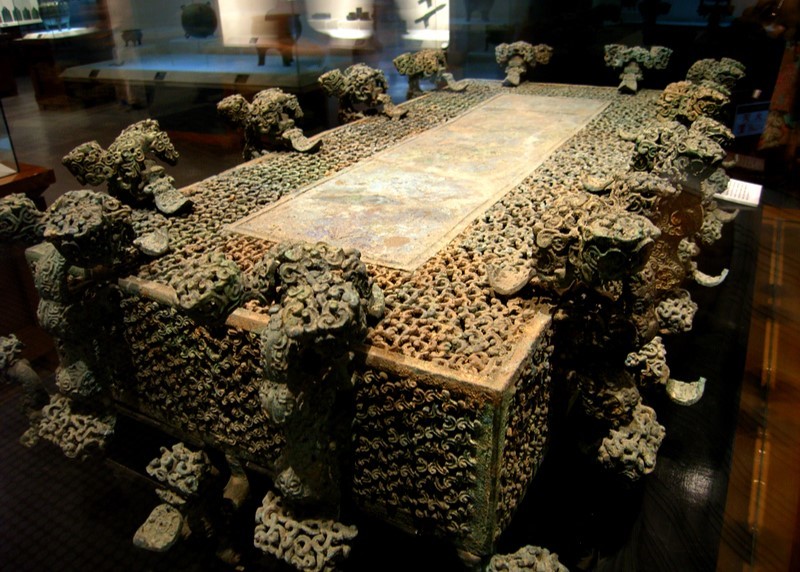
Introduction to investment casting manufacturing technique
Investment casting, also known as wax loss casting, is a long-standing metal forming process. The copper ban during the Spring and Autumn period in China was the earliest known lost wax casting method. The first step is to make a mold, using the mold to inject liquid wax into the mold to form a wax mold. Then, the wax mold is pasted into a pouring system according to the casting process, and the entire pouring system is made into a silica sol shell. After dewaxing, the entire shell becomes a cavity, and the cavity shell can be poured with molten steel after calcination. After cooling, the steel material product is formed. Subsequently, through processes such as cutting and grinding, sandblasting, heat treatment, correction, welding repair, electroplating, and machining, the cast products required by the customer are formed.
2024/10/08

Dalian is a beautiful coastal city in Northeast China, with beautiful scenery and pleasant climate. It is an important industrial production base, an international shipping center in Northeast Asia.
2024/07/11

Dalian Sakabe has own foundry factory and focus on providing high-quality precision casting products to domestic and foreign customers since its establishment in 2005.
2024/10/08
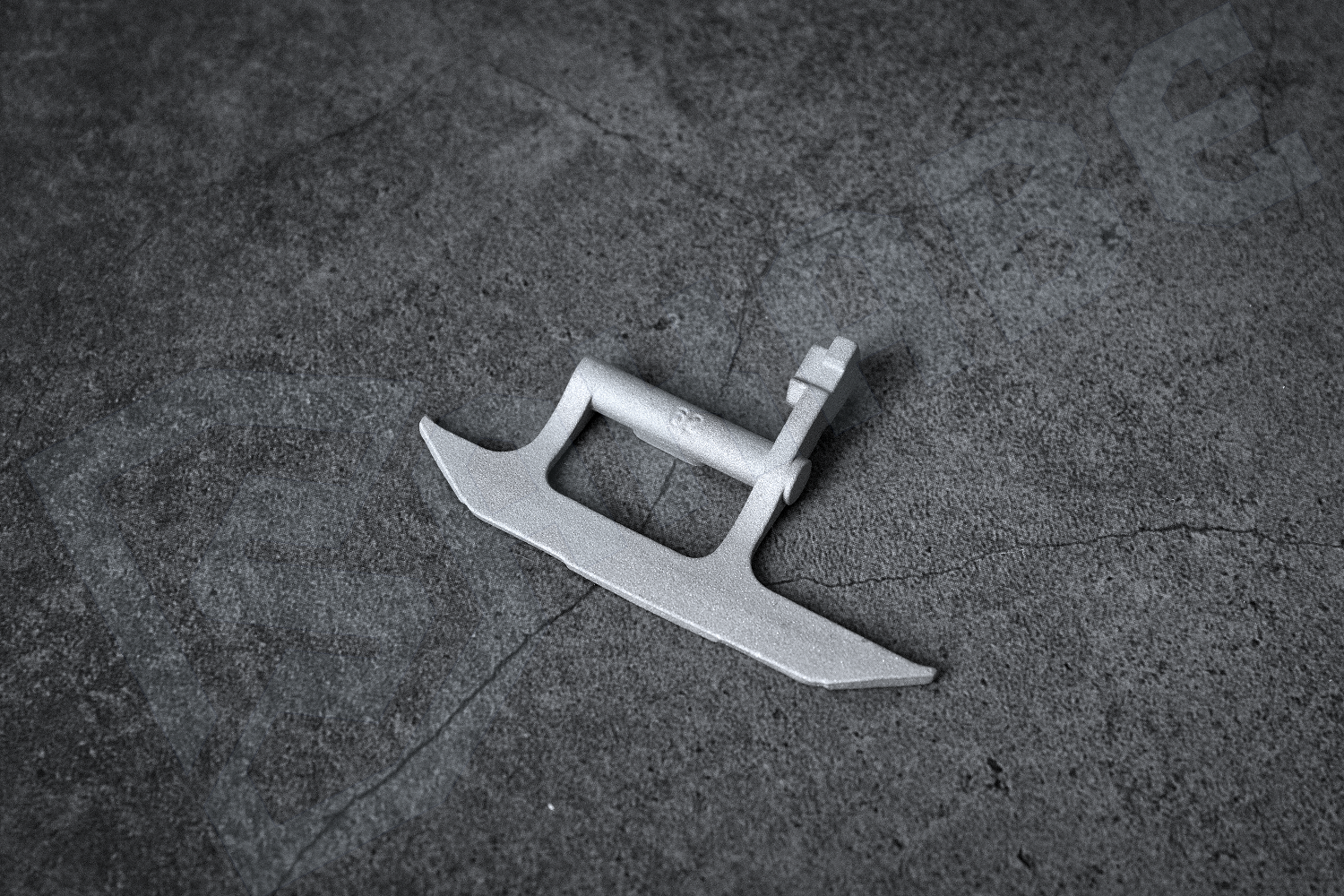
The Crucial Role of Casting Material Trays in Advanced Manufacturing
In the ever-evolving landscape of manufacturing, optimizing heat treatment processes through the strategic use of casting material trays is paramount
2025/09/19
CONTACT US
Tel: +86 136-5494-1611
E-mail: alexzheng@sakabe.cn
Office Address:
No.18 Dongbei Qi Street, Jinpu New Area, Dalian, Liaoning, China
Factory Address:
No.26 Fuan Street, Jinpu New Area, Dalian, Liaoning, China
