

Enhancing Efficiency: Customized Beverage Machine Parts for Optimal Performance
Introduction to Customized Beverage Machine Parts
In the fast-paced world of beverage manufacturing, efficiency is key. To stay competitive, companies are increasingly turning to **customized beverage machine parts** that meet their specific operational needs. These parts are designed with precision and tailored to the unique requirements of different production lines, ensuring optimal performance and enhanced productivity.
This article delves into the significance of customized beverage machine parts, exploring how they can transform manufacturing processes and provide a competitive edge in the industry.
The Importance of Customized Parts in Beverage Manufacturing
Understanding the Unique Needs of the Beverage Industry
The beverage industry encompasses a wide range of products, including soft drinks, juices, and alcoholic beverages. Each of these products has distinct processing requirements that standard machinery may not efficiently address. Customized parts are essential as they allow manufacturers to optimize their equipment for specific processes, thereby improving overall efficiency.
Benefits of Customization
Investing in customized beverage machine parts offers several advantages:
1. **Improved Efficiency**: Tailored parts ensure that machines function at their optimal capacity, reducing energy consumption and waste.
2. **Enhanced Durability**: Customized components are engineered using high-quality materials suited to withstand the specific conditions of beverage production, leading to a longer lifespan.
3. **Reduced Downtime**: Customized parts can help minimize maintenance needs and decrease the likelihood of equipment failures, allowing for smoother operations.
4. **Increased Flexibility**: With the ability to adapt machinery for different products or processes, manufacturers can quickly respond to market demands.
Key Components of Customized Beverage Machines
1. Pumps and Valves
Pumps and valves are critical components of beverage machines. Customized designs can enhance flow rates and pressure, ensuring that liquids are transferred efficiently throughout the production line.
Precision in Pump Design
Customizing pump size and material can significantly affect performance. For example, using corrosion-resistant materials for juice production prevents contamination and improves the taste of the final product.
2. Heat Exchangers
Heat exchangers play a vital role in maintaining optimal temperatures during the beverage production process. Custom designs can improve heat transfer efficiency, leading to energy savings.
Material Selection for Heat Exchangers
Choosing the right material for heat exchangers is crucial. Stainless steel is often preferred for its durability and resistance to corrosion, ensuring a long service life and minimal maintenance.
3. Fillers and Cappers
Fillers and cappers are essential for ensuring accurate portioning and sealing of beverages. Customized designs can enhance precision, reducing product wastage and ensuring consistency.
Tailoring Filler Designs
Different beverage types require different filling methods. For instance, carbonated drinks may require specialized fillers to handle pressure effectively, while thicker liquids may need adjustments to prevent clogs.
Innovative Technologies in Customized Beverage Parts
3D Printing in Manufacturing
3D printing technology has revolutionized the way manufacturers produce customized parts. This innovative method allows for rapid prototyping and production, enabling companies to test and refine designs quickly.
Benefits of 3D Printing
1. **Cost-Effectiveness**: Reduces material waste and lowers production costs.
2. **Customization**: Allows for complex designs that may be challenging to achieve through traditional manufacturing methods.
Automation and Smart Technology
Incorporating automation in beverage machinery enhances efficiency. Customized machine parts can be designed to work seamlessly with automation systems, improving overall production speed and accuracy.
The Role of Material Selection in Customization
Choosing the Right Materials
Material selection is a vital aspect of customizing beverage machine parts. The right materials ensure that components can withstand the unique conditions of beverage production, including temperature fluctuations and exposure to various substances.
Common Materials Used in Beverage Machine Parts
- **Stainless Steel**: Known for its corrosion resistance, making it ideal for high-hygiene environments.
- **Food-Grade Plastics**: Often used for components that require flexibility and light weight.
- **Aluminum**: Lightweight and strong, suitable for various machine parts where weight reduction is critical.
Case Studies: Successful Implementations of Customized Parts
1. Company A: Juice Manufacturer
Company A faced challenges with its existing bottling line, leading to frequent downtime. By implementing customized fillers and cappers, they achieved a 30% increase in production efficiency.
2. Company B: Soft Drink Producer
Company B utilized 3D printing to produce bespoke pump components that significantly improved fluid transfer rates. This innovation reduced energy consumption by 15% and minimized waste.
Choosing the Right Manufacturer for Customized Parts
Factors to Consider
When selecting a manufacturer for customized beverage machine parts, consider the following factors:
1. **Experience in the Industry**: Look for manufacturers with a proven track record in beverage equipment.
2. **Technical Expertise**: Ensure they have the necessary skills and technology to produce high-quality custom parts.
3. **Quality Assurance**: Verify their quality control processes to guarantee that components meet industry standards.
Building a Partnership
Establishing a strong relationship with a manufacturer is crucial. Open communication can lead to better understanding and alignment on customization needs, ensuring that the final products are perfectly suited for your operations.
FAQs About Customized Beverage Machine Parts
1. What are customized beverage machine parts?
Customized beverage machine parts are tailored components specifically designed to meet the unique requirements of beverage production, enhancing efficiency and performance.
2. How can customized parts improve production efficiency?
By optimizing equipment to better suit specific processes, customized parts can reduce downtime, minimize waste, and increase overall production speed.
3. What materials are commonly used for customized machine parts in the beverage industry?
Common materials include stainless steel, food-grade plastics, and aluminum, all chosen for their strength, durability, and resistance to corrosion.
4. How does 3D printing contribute to the customization of beverage machine parts?
3D printing allows for rapid prototyping and production of complex designs while minimizing material waste and reducing costs.
5. How do I choose the right manufacturer for customized beverage machine parts?
Consider factors such as industry experience, technical expertise, and quality assurance processes when selecting a manufacturer.
Conclusion
In the beverage industry, the efficiency of production processes directly impacts profitability and competitiveness. Customized beverage machine parts offer tailored solutions that enhance performance, reduce downtime, and ultimately lead to cost savings. By investing in bespoke components, manufacturers can adapt to changing market demands, optimize their operating procedures, and ensure a sustainable future. With the right partnerships and innovative technologies, the potential for growth and success in beverage production remains limitless.
Introduction to investment casting manufacturing technique
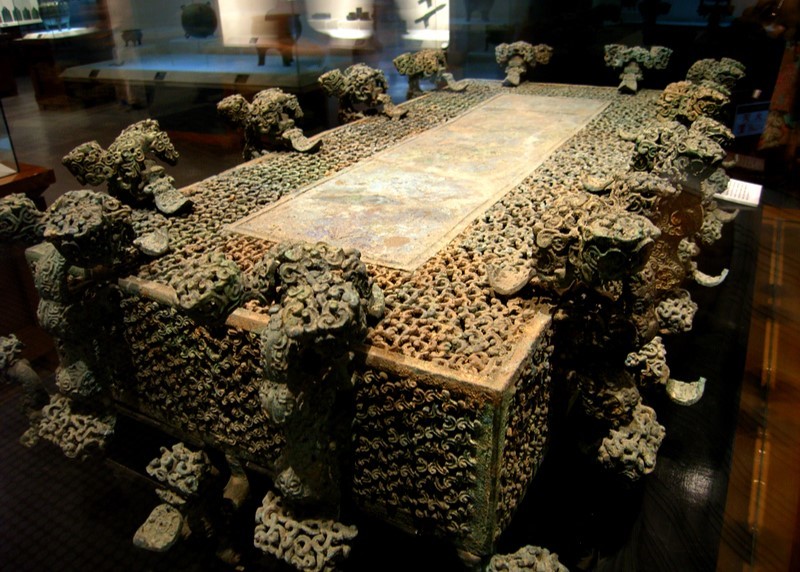
Investment casting, also known as wax loss casting, is a long-standing metal forming process. The copper ban during the Spring and Autumn period in China was the earliest known lost wax casting method. The first step is to make a mold, using the mold to inject liquid wax into the mold to form a wax mold. Then, the wax mold is pasted into a pouring system according to the casting process, and the entire pouring system is made into a silica sol shell. After dewaxing, the entire shell becomes a cavity, and the cavity shell can be poured with molten steel after calcination. After cooling, the steel material product is formed. Subsequently, through processes such as cutting and grinding, sandblasting, heat treatment, correction, welding repair, electroplating, and machining, the cast products required by the customer are formed.
2024/10/08

Dalian is a beautiful coastal city in Northeast China, with beautiful scenery and pleasant climate. It is an important industrial production base, an international shipping center in Northeast Asia.
2024/07/11
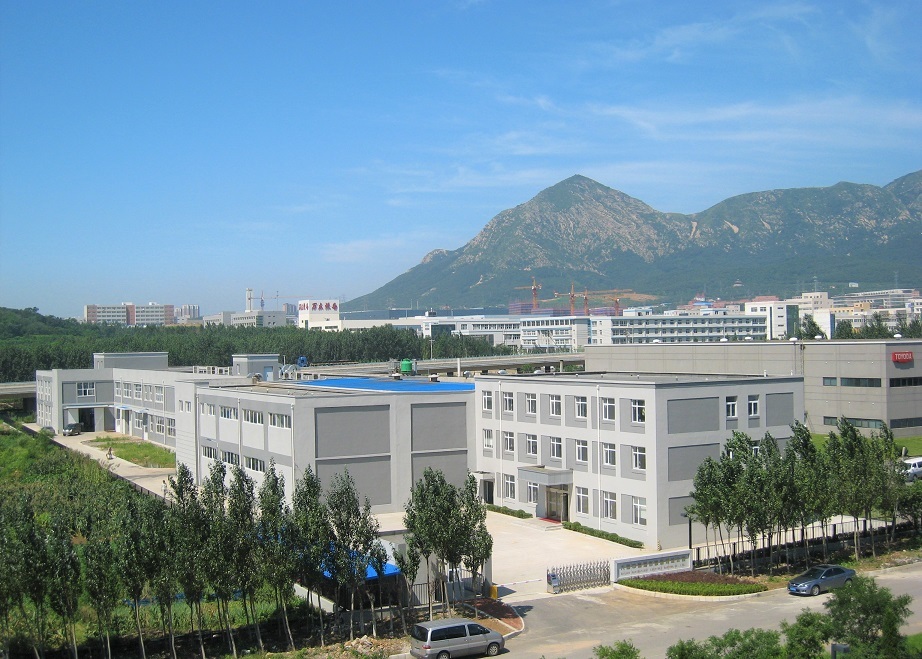
Dalian Sakabe has own foundry factory and focus on providing high-quality precision casting products to domestic and foreign customers since its establishment in 2005.
2024/10/08
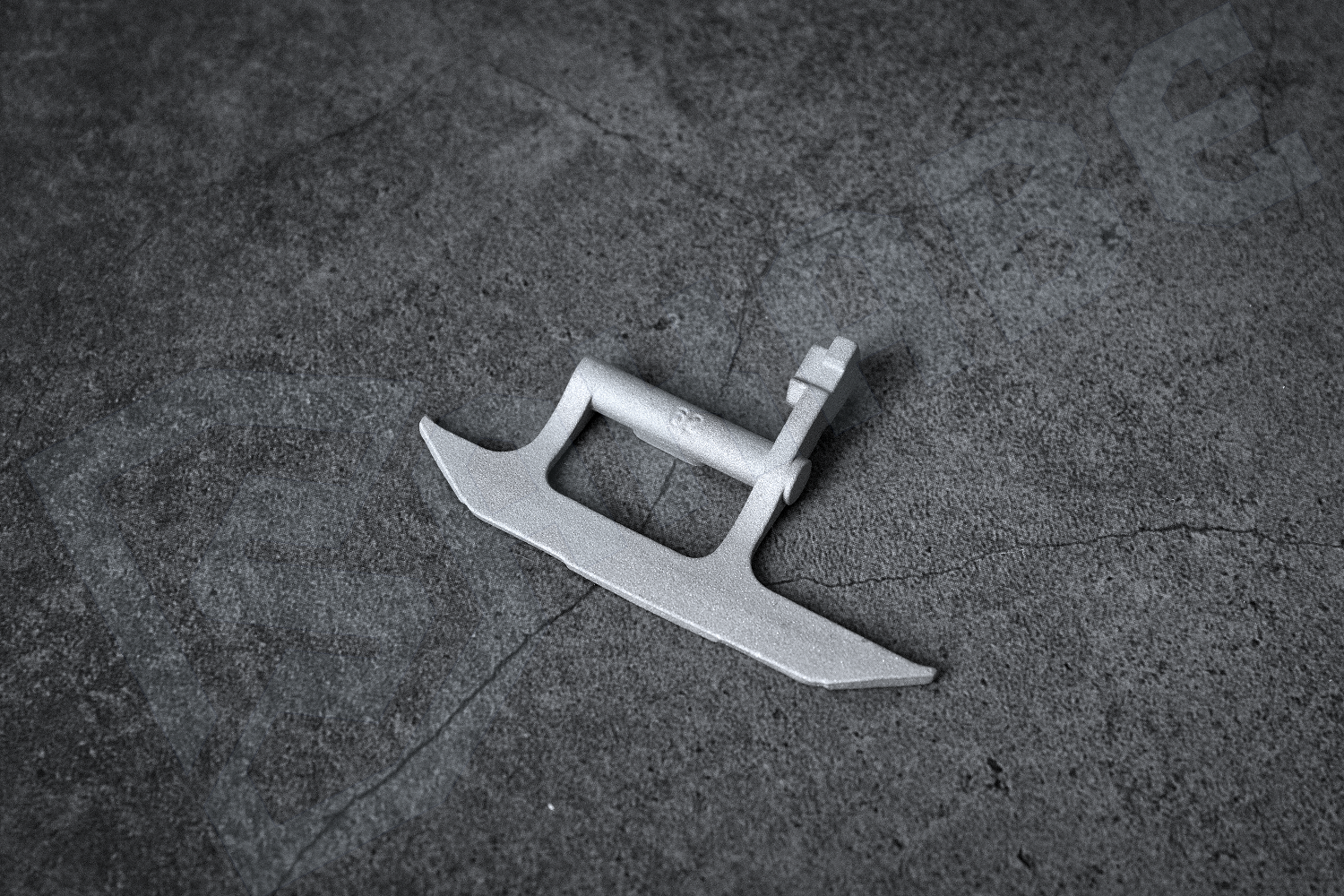
The Crucial Role of Casting Material Trays in Advanced Manufacturing
In the ever-evolving landscape of manufacturing, optimizing heat treatment processes through the strategic use of casting material trays is paramount
2025/09/19
CONTACT US
Tel: +86 136-5494-1611
E-mail: alexzheng@sakabe.cn
Office Address:
No.18 Dongbei Qi Street, Jinpu New Area, Dalian, Liaoning, China
Factory Address:
No.26 Fuan Street, Jinpu New Area, Dalian, Liaoning, China
