


Maximizing Output: Efficiency Tips for the Newest Metal Injection Molding
Table of Contents
- Introduction to Metal Injection Molding
- Understanding Metal Injection Molding
- The Importance of Efficiency in Metal Injection Molding
- Optimizing Materials for Metal Injection Molding
- Advanced Techniques for Metal Injection Molding
- The Role of Automation in Enhancing Efficiency
- Worker Training and Skills Development
- Measuring and Analyzing Efficiency in Production
- Common Challenges in Metal Injection Molding and Solutions
- Frequently Asked Questions
- Conclusion
Introduction to Metal Injection Molding
Metal injection molding (MIM) is a sophisticated manufacturing process combining the advantage of plastic injection molding and metalworking. This innovative technique allows for the production of complex and precise metal parts in high volumes, catering to industries ranging from automotive to aerospace. As competition intensifies, maximizing output while maintaining quality becomes paramount.
Understanding Metal Injection Molding
Metal injection molding involves mixing metal powders with a binder material to create a feedstock that is injected into a mold. Once cooled, the molded part undergoes a debinding process, followed by sintering at high temperatures to achieve the final density and strength of the component. This intricate process not only reduces waste but also allows for the production of intricate designs that are challenging to achieve with traditional manufacturing techniques.
The Importance of Efficiency in Metal Injection Molding
In the ever-evolving landscape of manufacturing, efficiency is critical. Higher efficiency in metal injection molding translates into lower production costs, quicker turnaround times, and improved product quality. By maximizing output, manufacturers can better meet customer demands while maintaining a competitive edge. Implementing efficient practices not only elevates production levels but also enhances sustainability by minimizing raw material usage and waste.
Optimizing Materials for Metal Injection Molding
Selecting the right materials is vital for maximizing efficiency in metal injection molding. Here are some strategies to consider:
1. Selecting High-Quality Metal Powders
Investing in high-quality metal powders can significantly affect the overall performance of the final product. Focus on suppliers who provide consistent particle size distribution, purity, and flowability, as these factors directly impact mold filling and part density.
2. Binder Composition
The binder used in MIM must effectively hold the metal powders together during the injection process. A well-formulated binder can enhance the ease of injection and debinding, reducing cycle times and improving part integrity.
3. Powder-to-Binder Ratio
Understanding the optimal powder-to-binder ratio is crucial. A higher metal powder content typically results in increased density and strength but may complicate the injection process. Experimenting with different ratios can help find the sweet spot that balances flowability and final part quality.
Advanced Techniques for Metal Injection Molding
Advancements in technology are transforming metal injection molding. Implementing innovative techniques can further maximize output.
1. Incorporating 3D Printing
3D printing technologies, such as binder jetting, can be used to produce prototypes and complex geometries before moving to MIM production. This allows for design validation and optimization, potentially leading to more efficient mass production runs.
2. Utilizing Simulation Software
Investing in simulation software can help in predicting how the feedstock will behave during the injection process. This insight aids in optimizing mold design, process parameters, and overall efficiency.
3. Implementing Rapid Prototyping
Rapid prototyping can help manufacturers quickly iterate on designs and identify any issues before mass production. This approach not only saves time but also ensures that the final product meets specifications.
The Role of Automation in Enhancing Efficiency
Automation plays a crucial role in modernizing metal injection molding processes. By integrating automated systems, manufacturers can significantly enhance their efficiency.
1. Automated Material Handling
Automated systems for material handling can reduce manual labor and minimize the risk of contamination. This leads to a more efficient operation, as materials are transported and processed without delays.
2. Robots for Injection Molding
Utilizing robotic arms for the injection molding process ensures precision and consistency. Robots can work at a faster pace than human operators, contributing to shorter cycle times and higher output.
3. Real-Time Data Monitoring
Implementing IoT devices in the production line allows for real-time monitoring of machinery performance. By analyzing this data, manufacturers can make informed decisions to optimize processes and prevent downtime.
Worker Training and Skills Development
While technology is essential, the human element remains critical. Investing in worker training ensures production efficiency and quality control.
1. Ongoing Training Programs
Establishing ongoing training programs keeps workers updated on the latest techniques and technologies in metal injection molding. This enhances their skill set and boosts overall productivity.
2. Cross-Training Employees
Cross-training employees in different aspects of the production process fosters versatility and flexibility. This enables manufacturers to adapt to changing demands and maintain output levels during staff shortages.
3. Safety Training
Prioritizing safety training minimizes workplace accidents, ensuring a more efficient operation. A safe work environment contributes to employee satisfaction and retention, ultimately benefiting productivity.
Measuring and Analyzing Efficiency in Production
To maximize output, it is essential to measure and analyze efficiency regularly.
1. Key Performance Indicators (KPIs)
Establishing KPIs, such as cycle time, yield, and scrap rate, allows manufacturers to benchmark performance. Regularly reviewing these metrics helps identify areas for improvement.
2. Conducting Efficiency Audits
Routine efficiency audits can uncover bottlenecks in the production process. By addressing these issues, manufacturers can enhance workflow and boost overall output.
3. Utilizing Lean Manufacturing Principles
Implementing lean manufacturing principles minimizes waste and optimizes processes. Techniques such as value stream mapping can help identify non-value-added activities, streamlining operations.
Common Challenges in Metal Injection Molding and Solutions
Identifying and addressing challenges in metal injection molding is essential for continuous improvement.
1. Variability in Material Quality
Variability in material quality can lead to inconsistent results. Establishing strong relationships with suppliers and conducting regular quality checks can mitigate this issue.
2. Equipment Downtime
Downtime can significantly impact output. Implementing predictive maintenance strategies can help identify potential equipment failures before they occur, ensuring continuous operation.
3. Complexity of Designs
Complex designs may require more intricate molds and longer production times. Utilizing advanced simulation techniques can help streamline the design process, making production more efficient.
Frequently Asked Questions
1. What is metal injection molding?
Metal injection molding is a manufacturing process that combines metal powders and binders to create complex and precise metal parts through injection molding.
2. How does metal injection molding compare to traditional machining?
Metal injection molding offers higher production rates and reduced waste compared to traditional machining, especially for complex geometries and high-volume production.
3. What materials are commonly used in metal injection molding?
Common materials include stainless steel, titanium, and various alloys, chosen based on the final application and performance requirements.
4. What are the benefits of automating metal injection molding processes?
Automation enhances precision, reduces cycle times, and minimizes human error, leading to higher output and efficiency in production.
5. How can I improve worker training for metal injection molding?
Implementing ongoing training programs, cross-training employees, and focusing on safety can enhance worker skills and ensure a more efficient operation.
Conclusion
Maximizing output in metal injection molding requires a multifaceted approach that includes optimizing materials, embracing technology, and investing in workforce development. By implementing these strategies, manufacturers can enhance efficiency, reduce costs, and maintain a competitive edge in the industry. Continuous improvement and adaptation to new techniques will ensure success in the ever-evolving landscape of metal manufacturing.

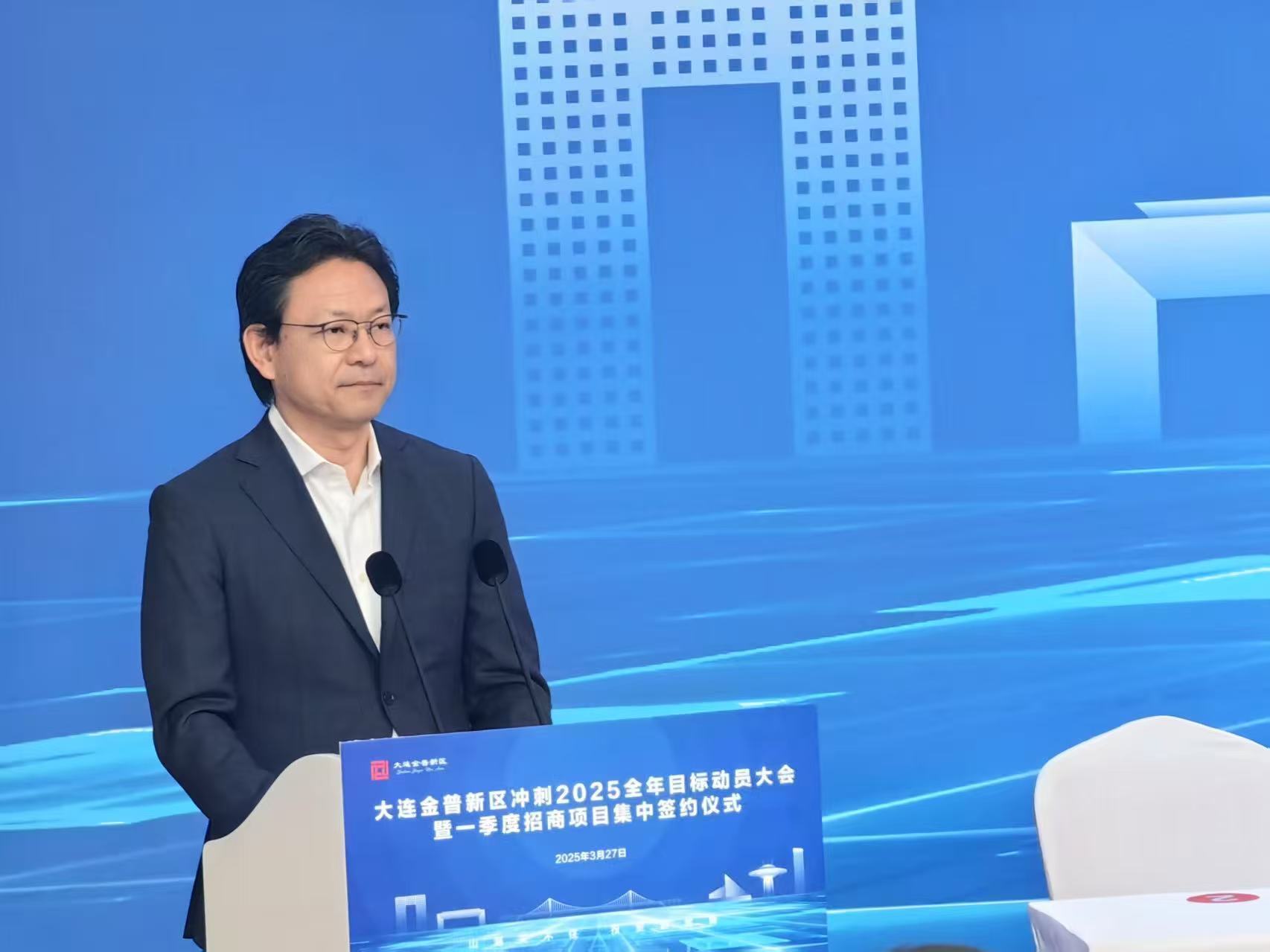
Dalian Sakabe was invited to participate in the Dalian investment promotion project ceremony
On March 27, 2025, Dalian Sakabe, as an advanced foreign-funded enterprise in Dalian, was invited to participate in the investment promotion project ceremony of Dalian China.
2025/04/01
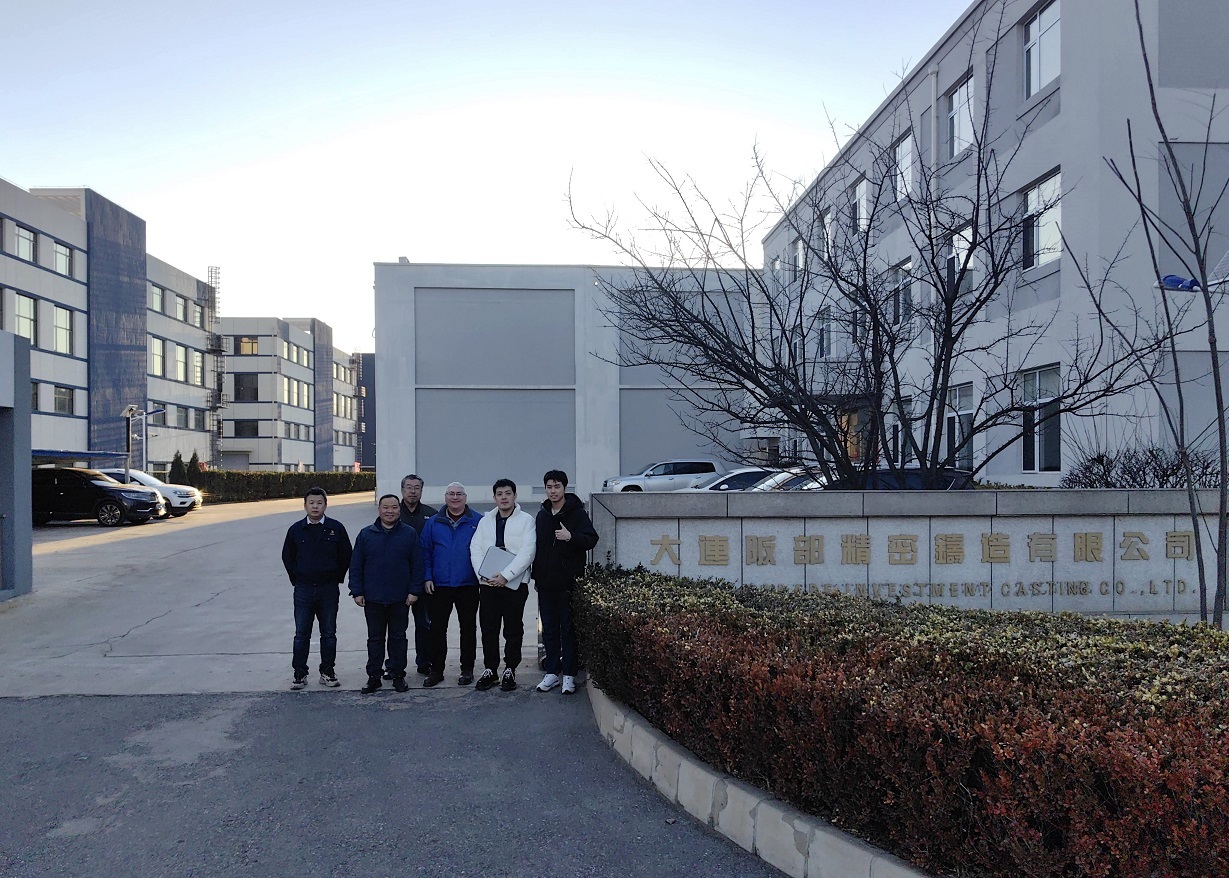
It is pleased that partner NME come to visit us Sakabe foundry
It is pleased that partner NME come to visit us Sakabe foundry. We share the same philosophy about quality standards, product positioning, environmental protection, and sustainable development. It's lucky to meet like-minded partners!
2025/02/19
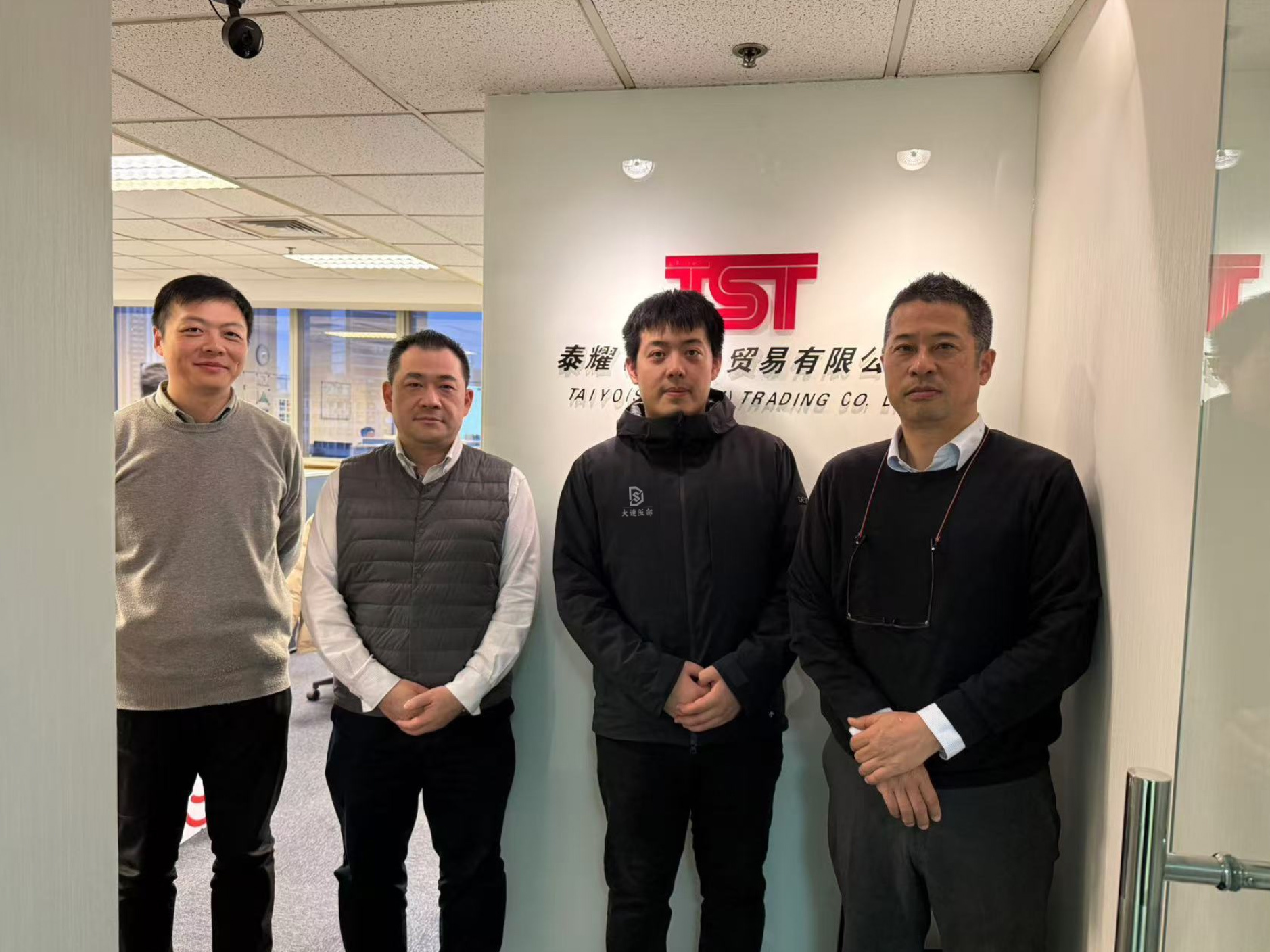
Great meeting with partner in Shanghai
Dalian Sakabe paying visit to our partner TST in Shanghai. Had discussions and plans for long term co-operation. Great thanks for your support!
2025/01/02
CONTACT US
Tel: +86 136-5494-1611
E-mail: alexzheng@sakabe.cn
Office Address:
No.18 Dongbei Qi Street, Jinpu New Area, Dalian, Liaoning, China
Factory Address:
No.26 Fuan Street, Jinpu New Area, Dalian, Liaoning, China
