

Discover the Advantages of Die-Casting Parts in Newest Medical Equipment
Table of Contents
- 1. Introduction to Die-Casting in Medical Equipment
- 2. What is Die-Casting?
- 3. Benefits of Die-Casting Parts
- 4. Applications of Die-Casting in Medical Equipment
- 5. The Die-Casting Process: A Step-by-Step Guide
- 6. Innovations in Die-Casting for the Medical Industry
- 7. Challenges in Die-Casting and Solutions
- 8. The Future of Die-Casting in Medical Equipment
- 9. Conclusion
- 10. FAQs
1. Introduction to Die-Casting in Medical Equipment
The medical equipment sector is witnessing a transformative era, with die-casting emerging as a vital manufacturing process. By enabling the production of highly intricate and precise components, die-casting plays a pivotal role in enhancing the efficiency and reliability of medical devices. This article will explore the myriad advantages of die-casting parts, especially within the context of the latest innovations in medical equipment.
2. What is Die-Casting?
Die-casting is a metal casting process that involves forcing molten metal into a mold cavity under high pressure. This technique is ideal for producing parts with complex geometries and tight tolerances, making it especially beneficial for the medical industry. The principal materials used include aluminum, zinc, and magnesium, each offering distinct properties that enhance the final product's performance.
3. Benefits of Die-Casting Parts
Die-casting provides several advantages that are crucial for the manufacturing of medical equipment.
3.1 Precision and Accuracy
In the medical field, precision is paramount. Die-casting allows for exceptional dimensional accuracy, which is essential for components that must fit together seamlessly. The high-pressure injection of molten metal ensures that every detail is captured in the mold, resulting in parts that meet rigorous quality standards.
3.2 Cost-Effectiveness
Die-casting is not only precise but also cost-effective. Once the initial mold is created, the cost of producing each subsequent part decreases significantly. This efficiency translates into lower production costs for manufacturers, making it an attractive option for large-scale medical device production.
3.3 Durability and Strength
Components manufactured through die-casting exhibit excellent mechanical properties. The process creates parts that are strong yet lightweight, making them ideal for applications where durability is essential, such as surgical tools and portable medical devices.
4. Applications of Die-Casting in Medical Equipment
The versatility of die-casting makes it applicable across a diverse range of medical equipment.
4.1 Surgical Instruments
Surgical instruments require precision and reliability. Die-casting enables the production of intricate components such as handles, clamps, and housings that withstand the rigors of surgical procedures, ensuring that they perform reliably when needed most.
4.2 Diagnostic Devices
In diagnostic devices, accuracy is critical. Die-casting is employed to manufacture parts such as enclosures for ultrasound machines and housings for imaging devices, helping ensure that these devices operate with the highest degree of precision.
5. The Die-Casting Process: A Step-by-Step Guide
Understanding the die-casting process is essential for grasping its benefits. Here’s a breakdown of the key steps involved:
1. **Mold Creation**: The first step involves designing and creating a mold, typically made from steel or aluminum, to withstand the high pressure and temperature during casting.
2. **Melting Metal**: The chosen metal is heated until it reaches a molten state, typically in a furnace.
3. **Injection**: The molten metal is injected into the mold under high pressure, filling the cavity to form the desired shape.
4. **Cooling**: After the metal has filled the mold, it is allowed to cool, solidifying into the final part.
5. **Ejection and Finishing**: Once cooled, the mold opens, and the finished part is ejected. Any necessary finishing processes, such as trimming or surface treatments, are then performed.
6. Innovations in Die-Casting for the Medical Industry
The die-casting industry is continually evolving, with innovations that enhance its application in medical equipment. Recent advancements include:
- **3D Printing Molds**: Utilizing 3D printing technology to create molds reduces lead times and costs, enabling quicker iterations and improved designs.
- **Advanced Alloys**: The development of new metal alloys with enhanced properties allows for even greater precision and durability in medical components.
- **Automated Processes**: Automation in the die-casting process improves consistency and reduces human error, vital for maintaining high standards in medical manufacturing.
7. Challenges in Die-Casting and Solutions
While die-casting offers many advantages, it is not without challenges. Key challenges include:
- **Initial Mold Costs**: The upfront investment in mold creation can be significant. However, this cost is mitigated over time with mass production.
- **Complex Designs**: Designing molds for highly complex geometries can be challenging. Advanced design software helps overcome this obstacle, allowing for intricate designs that meet medical standards.
- **Surface Finish Quality**: Achieving the desired surface finish can sometimes be problematic. Implementing proper finishing techniques post-casting can address these concerns, ensuring that parts meet aesthetic and functional requirements.
8. The Future of Die-Casting in Medical Equipment
The future of die-casting in the medical equipment sector looks promising. As technology advances, we expect to see:
- **Increased Use of Biocompatible Materials**: As the focus on patient safety intensifies, the use of biocompatible materials in die-casting will likely become more prevalent.
- **Sustainability Practices**: With the growing emphasis on sustainability, die-casting processes will evolve to minimize waste and reduce environmental impact, ensuring that manufacturing aligns with eco-friendly practices.
- **Smart Manufacturing**: Integration of IoT and AI technologies will streamline the die-casting process, enhancing efficiency and real-time monitoring of production.
9. Conclusion
Die-casting parts offer a multitude of advantages in the manufacturing of modern medical equipment. From precision and durability to cost-effectiveness and innovative applications, the benefits are evident. As the medical industry continues to evolve, die-casting will undoubtedly play a crucial role in developing cutting-edge devices that enhance patient care and outcomes. Embracing the advancements in die-casting technology will enable manufacturers to meet the rigorous demands of the healthcare sector, ensuring that they remain at the forefront of medical innovation.
10. FAQs
1. What materials are commonly used in die-casting for medical equipment?
The most common materials are aluminum, zinc, and magnesium, each selected for their unique properties that enhance the performance of medical devices.
2. How does die-casting improve the precision of medical parts?
Die-casting allows for high-pressure injection of molten metal, creating parts with exceptional dimensional accuracy and tight tolerances.
3. What are the cost benefits of using die-casting in medical equipment manufacturing?
While initial mold costs can be high, the efficiency of producing large quantities of parts reduces the cost per unit, leading to significant savings over time.
4. Can die-casting be used for complex medical device designs?
Yes, die-casting is well-suited for producing complex geometries, especially with advancements in design technology and mold creation.
5. What innovations are being integrated into die-casting processes for medical equipment?
Innovations include 3D printing for mold creation, advanced alloys, and automation, all aimed at improving efficiency and quality in medical device manufacturing.

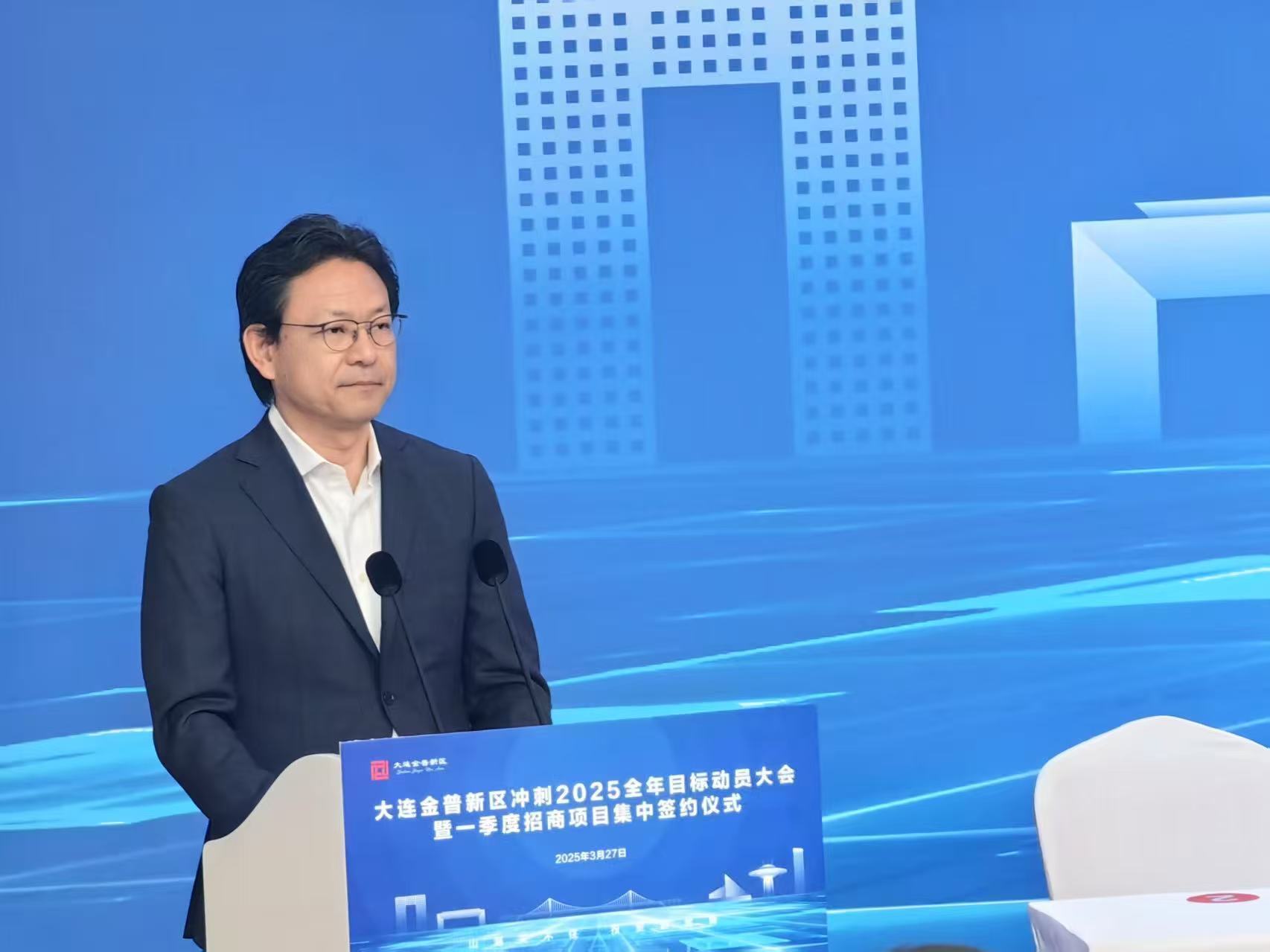
Dalian Sakabe was invited to participate in the Dalian investment promotion project ceremony
On March 27, 2025, Dalian Sakabe, as an advanced foreign-funded enterprise in Dalian, was invited to participate in the investment promotion project ceremony of Dalian China.
2025/04/01
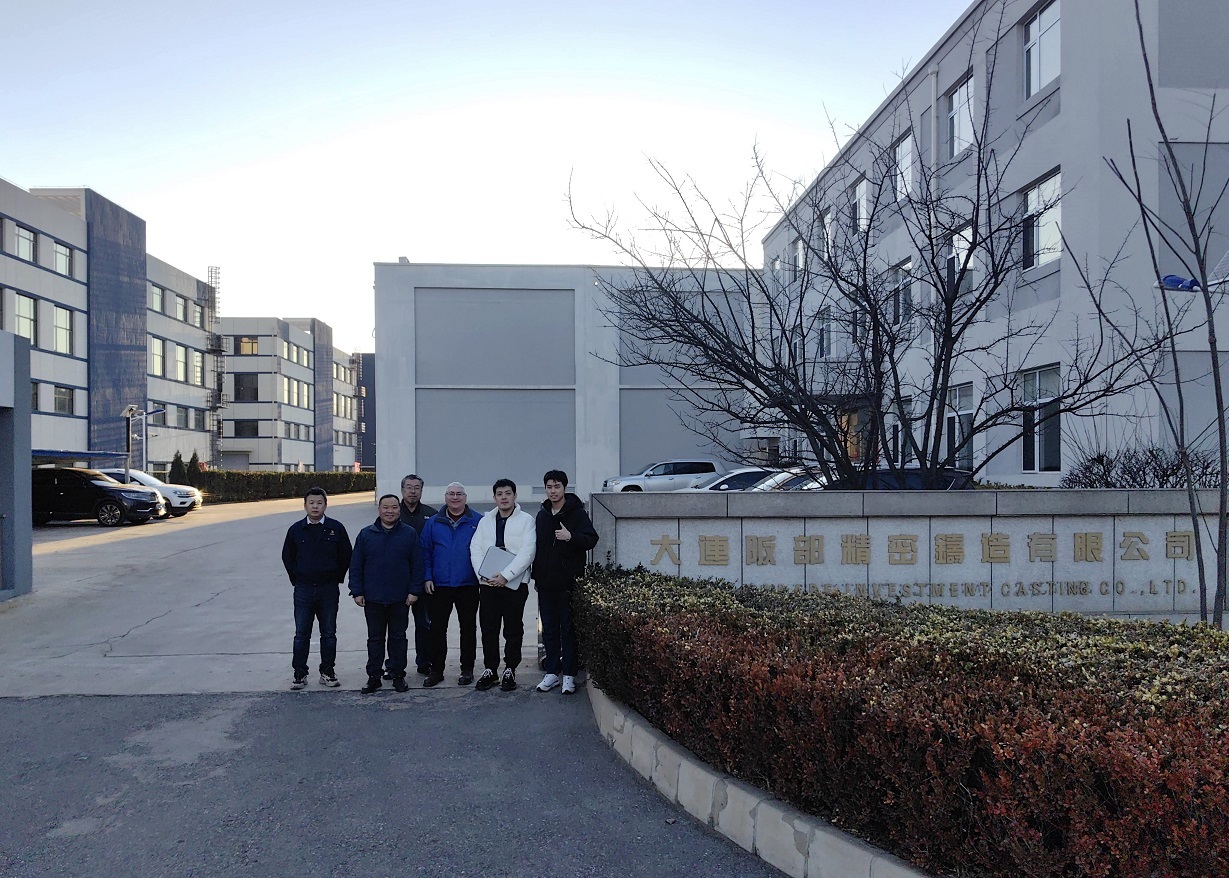
It is pleased that partner NME come to visit us Sakabe foundry
It is pleased that partner NME come to visit us Sakabe foundry. We share the same philosophy about quality standards, product positioning, environmental protection, and sustainable development. It's lucky to meet like-minded partners!
2025/02/19
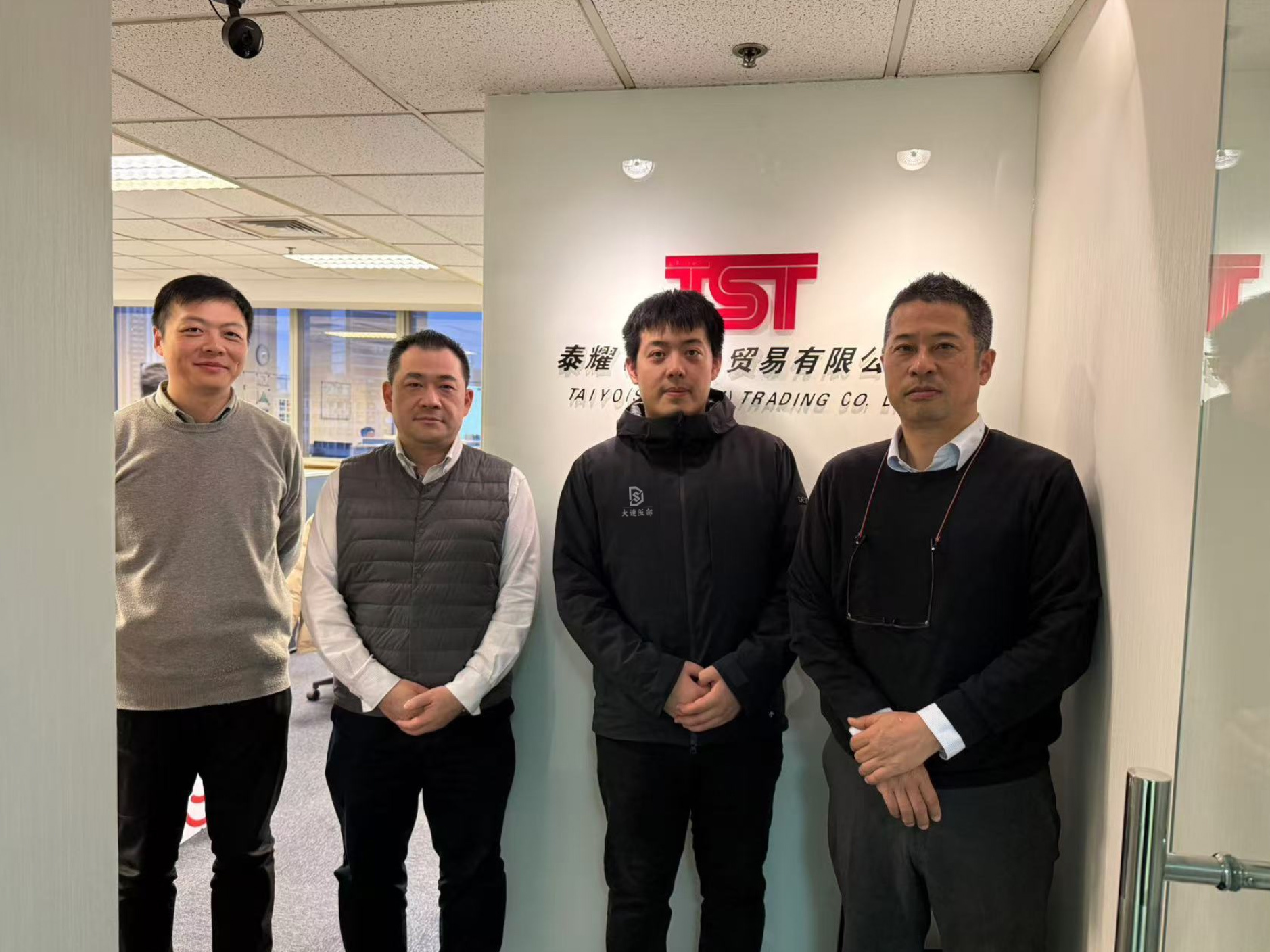
Great meeting with partner in Shanghai
Dalian Sakabe paying visit to our partner TST in Shanghai. Had discussions and plans for long term co-operation. Great thanks for your support!
2025/01/02
CONTACT US
Tel: +86 136-5494-1611
E-mail: alexzheng@sakabe.cn
Office Address:
No.18 Dongbei Qi Street, Jinpu New Area, Dalian, Liaoning, China
Factory Address:
No.26 Fuan Street, Jinpu New Area, Dalian, Liaoning, China
