


Advancing Medical Equipment Through Precision Casting: Processes, Benefits, and Future Directions
Introduction to Medical Equipment Parts Casting
In the rapidly evolving world of healthcare, the manufacturing of medical equipment is undergoing a significant transformation. **Casting**, a process that involves pouring liquid material into a mold, is playing a pivotal role in producing high-quality, complex parts for medical devices. The medical equipment sector demands precision, reliability, and safety, and casting meets these needs by enabling manufacturers to create components that adhere to stringent quality standards.
The rise of advanced casting techniques has revolutionized how medical equipment is produced, leading to innovations that enhance the functionality and longevity of medical devices. This article delves into the intricate world of medical equipment parts casting, exploring its processes, benefits, and future potential.
The Importance of Casting in Medical Equipment Manufacturing
Casting is a critical process in the production of medical equipment parts, as it offers several key advantages:
Precision Engineering
Medical devices often require intricate designs and precise dimensions. **Casting** allows for the creation of complex shapes that would be challenging or impossible to achieve with traditional machining methods. This precision is vital for components like surgical instruments, implants, and diagnostic devices.
Material Versatility
Casting techniques are compatible with a variety of materials, including metals, plastics, and ceramics. This flexibility enables manufacturers to choose the best materials for their specific applications, optimizing performance and durability.
Cost-Effectiveness
When producing large quantities of medical equipment parts, casting can be more cost-effective than other manufacturing methods. The ability to create multiple components from a single mold reduces labor and material costs, making it an attractive option for manufacturers.
Understanding the Casting Process in Detail
The casting process involves several stages, each crucial to the final product's quality and performance.
1. Design and Mold Creation
The process begins with designing the part and creating a mold, typically made of metal or sand. Advanced computer-aided design (CAD) software allows engineers to create highly detailed models that serve as blueprints for the molds.
2. Material Preparation
Once the mold is ready, the chosen material is prepared for casting. This may involve melting metals, mixing polymers, or processing ceramics to achieve the desired consistency for pouring.
3. Pouring and Solidification
The liquid material is poured into the mold, where it begins to cool and solidify. The solidification process is critical, as it determines the part's final properties, including strength and surface finish.
4. Mold Removal and Finishing
After the material has cooled and solidified, the mold is removed, revealing the cast part. Additional finishing processes, such as machining or polishing, may be required to meet industry specifications.
Types of Casting Methods Used in Medical Equipment Production
There are several casting methods employed in the manufacturing of medical equipment parts. Each method has its own set of advantages and is suited for different applications.
1. Sand Casting
Sand casting is a traditional method that uses sand as the mold material. It is ideal for producing large parts or low-volume production runs. While it may not provide the same level of detail as other methods, it is cost-effective and versatile.
2. Investment Casting
Investment casting, also known as lost-wax casting, is a precision casting method that allows for complex shapes and high tolerances. It is commonly used for producing intricate components, such as surgical tools or orthopedic implants.
3. Die Casting
Die casting employs high-pressure injection of molten metal into molds. This method is highly efficient for mass production and is often used for creating durable metal parts, such as housings for electronic medical devices.
4. Shell Casting
Shell casting is a variant that involves creating a thin shell of material around a mold. This method provides a smoother surface finish and is suitable for components that require high precision.
Material Selection for Medical Equipment Parts Casting
Choosing the right material is essential for ensuring the performance and safety of medical equipment. Different materials offer unique properties that cater to specific application needs.
1. Metals
Metals such as stainless steel and titanium are commonly used in medical equipment due to their strength, corrosion resistance, and biocompatibility. These materials are ideal for surgical instruments and implants.
2. Plastics
Medical-grade plastics are increasingly used in medical devices due to their lightweight nature and versatility. They can be easily molded into complex shapes, making them suitable for various components, including housing and connectors.
3. Ceramics
Ceramic materials are often employed for their excellent biocompatibility and wear resistance. They are commonly used in dental implants and prosthetics, where longevity and strength are crucial.
Quality Control Standards in Medical Equipment Casting
In medical equipment manufacturing, maintaining high-quality standards is non-negotiable. Several quality control measures are implemented throughout the casting process.
1. Inspection and Testing
Parts undergo rigorous inspection and testing to ensure they meet defined specifications. This may include dimensional checks, material analysis, and functional testing to verify performance under real-life conditions.
2. Compliance with Regulations
Manufacturers must comply with various regulatory standards, such as ISO 13485 and FDA regulations, to ensure safety and effectiveness. Adhering to these guidelines is crucial for gaining market approval for medical devices.
3. Continuous Improvement
Quality control is not a one-time effort; manufacturers engage in continuous improvement practices, utilizing feedback from inspections and real-world performance to refine their casting processes and product designs.
The Future of Medical Equipment Parts Casting
As technology continues to evolve, the future of medical equipment parts casting looks promising.
1. Advancements in Materials
The development of new materials, including bioactive ceramics and advanced polymers, will expand the possibilities for medical equipment casting, enabling the creation of even more sophisticated devices.
2. Integration of Automation and AI
Integrating automation and artificial intelligence into the casting process will streamline manufacturing, enhance quality control, and reduce production times, ultimately improving overall efficiency.
3. 3D Printing and Hybrid Technologies
The rise of 3D printing and hybrid manufacturing techniques offers new avenues for producing medical equipment parts. These technologies can complement traditional casting methods, allowing for greater customization and rapid prototyping.
Conclusion: The Impact of Casting on the Future of Healthcare
Medical equipment parts casting is a cornerstone of modern manufacturing in the healthcare industry. Its ability to produce high-quality, precise components at scale makes it an invaluable asset in the development of medical devices. As we look to the future, ongoing advancements in casting technologies, material science, and manufacturing processes will continue to enhance the safety and efficacy of medical equipment, ultimately improving patient care and outcomes.


Dalian Sakabe was invited to participate in the Dalian investment promotion project ceremony
On March 27, 2025, Dalian Sakabe, as an advanced foreign-funded enterprise in Dalian, was invited to participate in the investment promotion project ceremony of Dalian China.
2025/04/01

It is pleased that partner NME come to visit us Sakabe foundry
It is pleased that partner NME come to visit us Sakabe foundry. We share the same philosophy about quality standards, product positioning, environmental protection, and sustainable development. It's lucky to meet like-minded partners!
2025/02/19
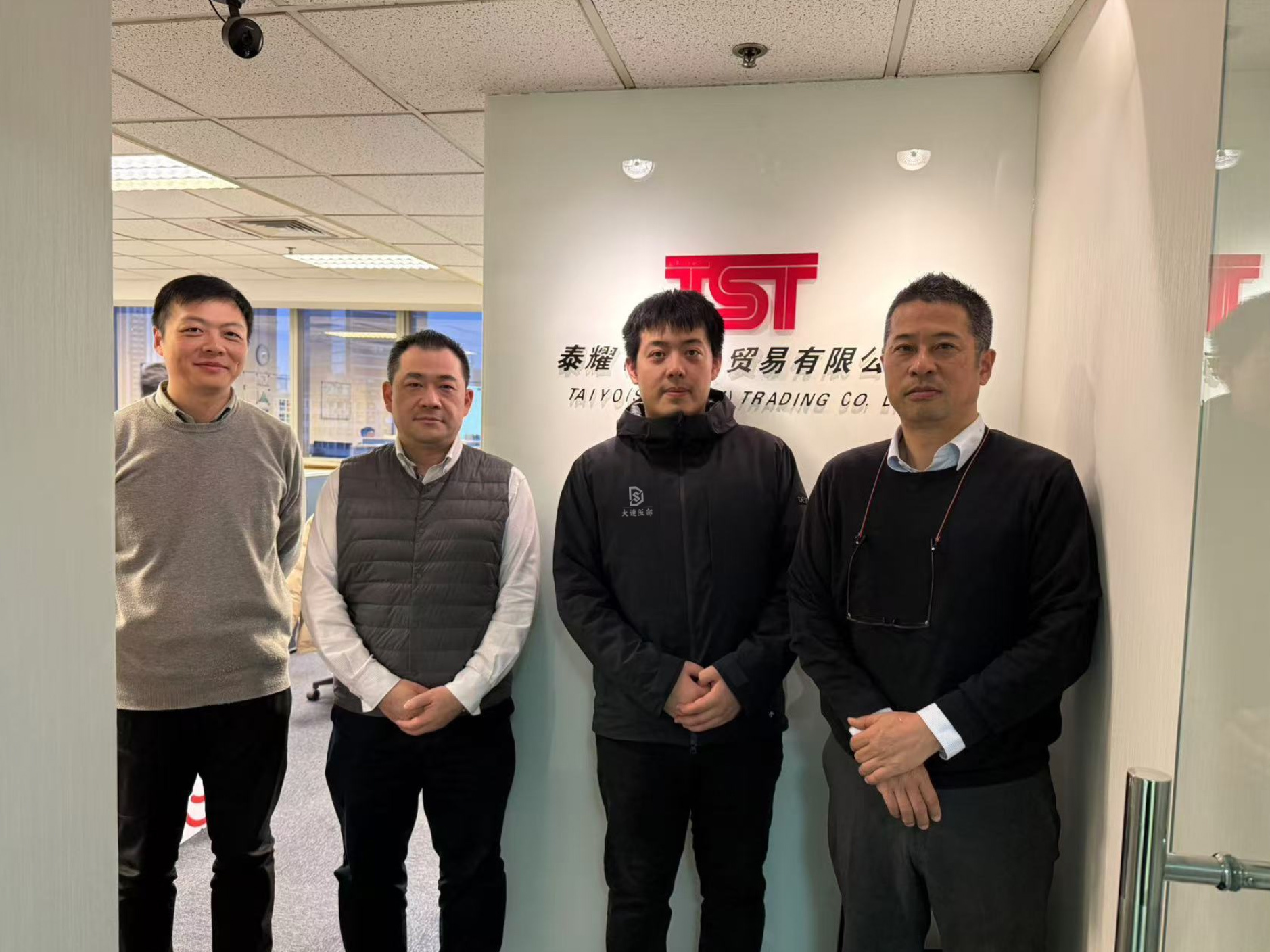
Great meeting with partner in Shanghai
Dalian Sakabe paying visit to our partner TST in Shanghai. Had discussions and plans for long term co-operation. Great thanks for your support!
2025/01/02
CONTACT US
Tel: +86 136-5494-1611
E-mail: alexzheng@sakabe.cn
Office Address:
No.18 Dongbei Qi Street, Jinpu New Area, Dalian, Liaoning, China
Factory Address:
No.26 Fuan Street, Jinpu New Area, Dalian, Liaoning, China
