

Unlocking the Benefits of Fluid Chemical Equipment Parts Casting
Fluid chemical equipment plays a vital role in various industries, including oil and gas, pharmaceuticals, and food processing. The efficacy and durability of these systems heavily depend on the quality of their components. One essential manufacturing process for producing high-quality parts is casting, particularly fluid chemical equipment parts casting. In this article, we will delve into the numerous benefits of this process and how it can enhance operational efficiency, reduce costs, and improve product quality.
Introduction to Fluid Chemical Equipment Parts Casting
Fluid chemical equipment parts casting is a manufacturing technique that involves pouring molten metal into a mold to create parts and components essential for various applications. This method is particularly advantageous due to its ability to produce complex geometries and high precision components that are critical for the efficient functioning of fluid chemical systems.
What is Casting?
Casting is a method of manufacturing that has been utilized for centuries. It involves the process of heating materials until they become liquid and then pouring them into a mold to achieve the desired shape. Once the material cools and solidifies, it can be removed from the mold, resulting in a finished product.
The casting process can be categorized into various types, including:
- Sand Casting: This involves creating a mold from sand and is typically used for large parts.
- Investment Casting: This precision casting method uses a wax pattern and is ideal for complex shapes.
- Die Casting: A technique that forces molten metal into a mold under high pressure, suitable for mass production.
- Centrifugal Casting: Involves rotating the mold to allow the molten metal to flow to the outer edges, producing cylindrical parts.
Each method has its unique benefits and applications, making casting a versatile option in manufacturing fluid chemical equipment parts.
Advantages of Fluid Chemical Equipment Parts Casting
The fluid chemical equipment parts casting process offers a range of benefits that can significantly enhance manufacturing efficiency and product quality. Here are some key advantages:
1. Precision and Complexity
Casting allows for the creation of intricate shapes and designs that would be difficult or impossible to achieve with other manufacturing methods. This precision is essential in fluid chemical applications, where every component must fit perfectly to ensure optimal performance.
2. Material Efficiency
Casting minimizes material waste by allowing manufacturers to use only the necessary amount of raw material. This efficiency contributes to cost savings and a smaller environmental footprint.
3. Cost-Effective for Large Production Runs
For high-volume production, casting can be more cost-effective than machining. The initial setup costs may be higher, but the price per part decreases significantly as production scales up.
4. Enhanced Mechanical Properties
Casting often results in superior mechanical properties, including strength and durability. This is particularly important for components that will be subjected to high pressures and temperatures in fluid chemical processes.
5. Flexibility in Material Selection
The casting process allows for a wide range of materials to be used, including various alloys that can be tailored to specific applications. This flexibility enables manufacturers to select materials that offer the best performance characteristics for their needs.
Applications of Casting in the Chemical Industry
Fluid chemical equipment parts casting is utilized across various sectors within the chemical industry. Here are some notable applications:
1. Pump Components
Pumps are essential in fluid chemical systems. Casting allows for the production of high-strength impellers, housings, and other critical components that can withstand harsh operating conditions.
2. Valves and Fittings
Casting is widely used for producing valves and fittings, which must maintain integrity and reliability under pressure and temperature variations.
3. Heat Exchangers
The complex shapes required for heat exchangers can be efficiently produced through casting, providing excellent thermal conductivity.
4. Storage Tanks
Large tanks used for storing chemicals often utilize cast components for their structural integrity and resistance to corrosion.
5. Piping Systems
Casting can produce high-quality piping systems that are essential for the transportation of fluids in chemical processes.
Common Materials Used in Fluid Chemical Equipment Parts Casting
The selection of materials for casting fluid chemical equipment parts is critical to the overall performance and longevity of the components. Some common materials used include:
1. Cast Iron
Known for its durability and wear resistance, cast iron is often used in pumps and valves.
2. Aluminum Alloys
Aluminum is lightweight yet strong, making it an ideal choice for components that require corrosion resistance.
3. Stainless Steel
Stainless steel is favored for its exceptional corrosion resistance, particularly in applications involving harsh chemicals.
4. Bronze
Bronze offers a combination of strength and resistance to corrosion, making it suitable for marine and chemical applications.
5. Nickel Alloys
These alloys are used in specialized applications where high-temperature and high-corrosion resistance are essential.
The Casting Process Explained
Understanding the casting process is crucial for manufacturers looking to optimize their production of fluid chemical equipment parts. Here is a step-by-step breakdown of the typical casting process:
1. Pattern Creation
The first step involves creating a pattern that represents the final product. This pattern can be made from materials like metal, plastic, or wood.
2. Mold Making
Once the pattern is ready, a mold is created around it. This mold can be made from sand, metal, or ceramic materials, depending on the casting method used.
3. Melting the Material
The next step is to melt the raw material, typically metal, in a furnace at high temperatures.
4. Pouring the Molten Metal
The molten metal is poured into the mold, filling the cavity created by the pattern.
5. Cooling and Solidification
After pouring, the molten metal is allowed to cool and solidify. The cooling rate can affect the final properties of the part.
6. Mold Removal
Once the metal has cooled, the mold is removed to reveal the cast part.
7. Finishing Processes
Finally, the cast part may undergo finishing processes such as machining, polishing, or surface treatment to meet specific requirements.
Quality Control in Casting
Quality control is paramount in the casting process to ensure that the final components meet the required standards. Key aspects of quality control include:
1. Material Inspection
Raw materials should be inspected to ensure they meet specified standards before casting begins.
2. Dimensional Accuracy
Regular measurements must be taken during the casting process to ensure dimensional accuracy and adherence to design specifications.
3. Testing for Defects
Non-destructive testing methods, such as ultrasonic or X-ray testing, can identify internal defects that may compromise the integrity of the cast part.
4. Surface Finish Evaluation
The surface finish of the cast part should be evaluated to ensure it meets the required specifications for functionality and aesthetics.
The Future of Fluid Chemical Equipment Parts Casting
As technology advances, the future of fluid chemical equipment parts casting looks promising. Innovations such as 3D printing and advanced materials science are set to further enhance the casting process. Here are some trends to watch:
1. Additive Manufacturing
3D printing technologies are being explored for creating molds and patterns, which can significantly reduce production times and costs.
2. Smart Casting Techniques
The integration of IoT (Internet of Things) technologies can lead to real-time monitoring of the casting process, ensuring optimal conditions and reducing defects.
3. Eco-Friendly Materials
With a growing emphasis on sustainability, the development of eco-friendly materials for casting is expected to gain traction, benefiting both the environment and manufacturers.
4. Customization and Flexibility
As industries demand more customized solutions, the casting process is likely to evolve to provide greater flexibility in terms of design and production.


Dalian Sakabe was invited to participate in the Dalian investment promotion project ceremony
On March 27, 2025, Dalian Sakabe, as an advanced foreign-funded enterprise in Dalian, was invited to participate in the investment promotion project ceremony of Dalian China.
2025/04/01
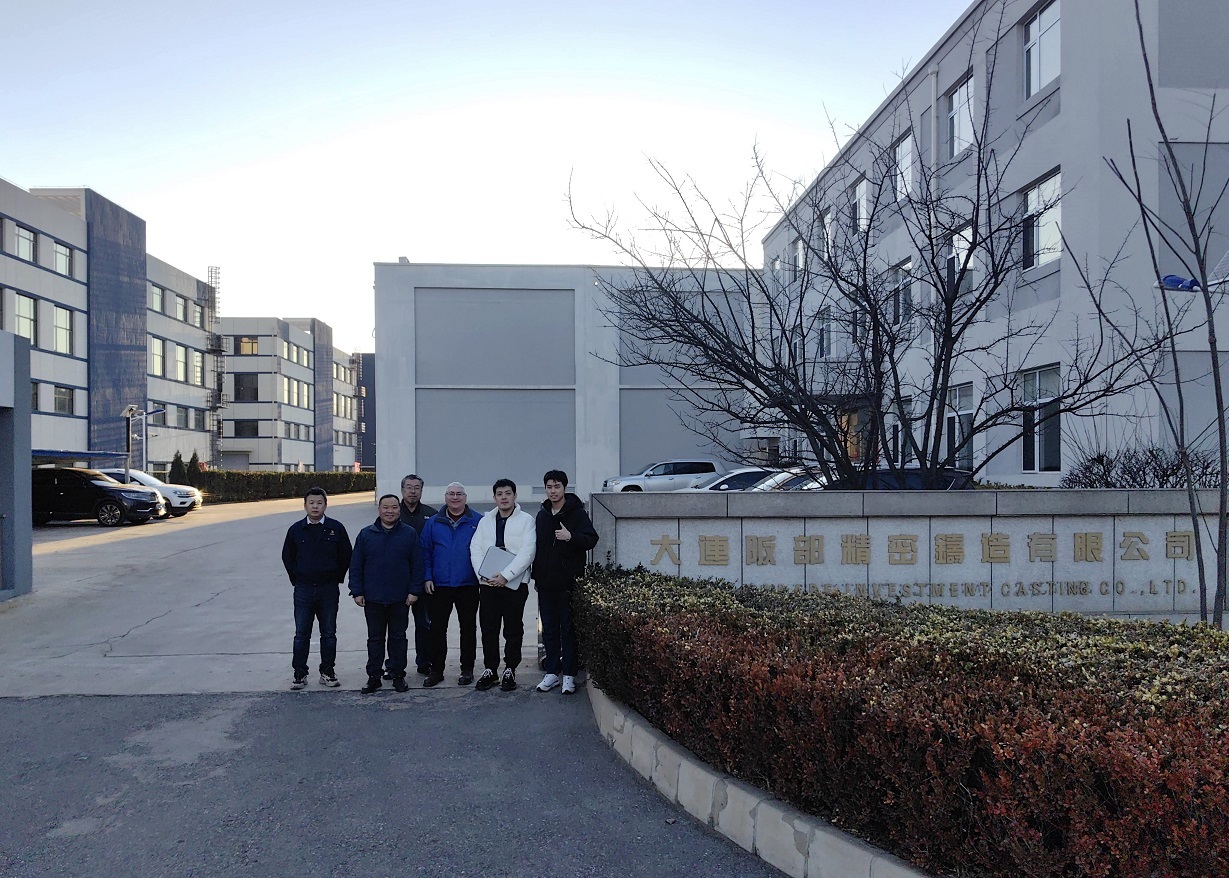
It is pleased that partner NME come to visit us Sakabe foundry
It is pleased that partner NME come to visit us Sakabe foundry. We share the same philosophy about quality standards, product positioning, environmental protection, and sustainable development. It's lucky to meet like-minded partners!
2025/02/19
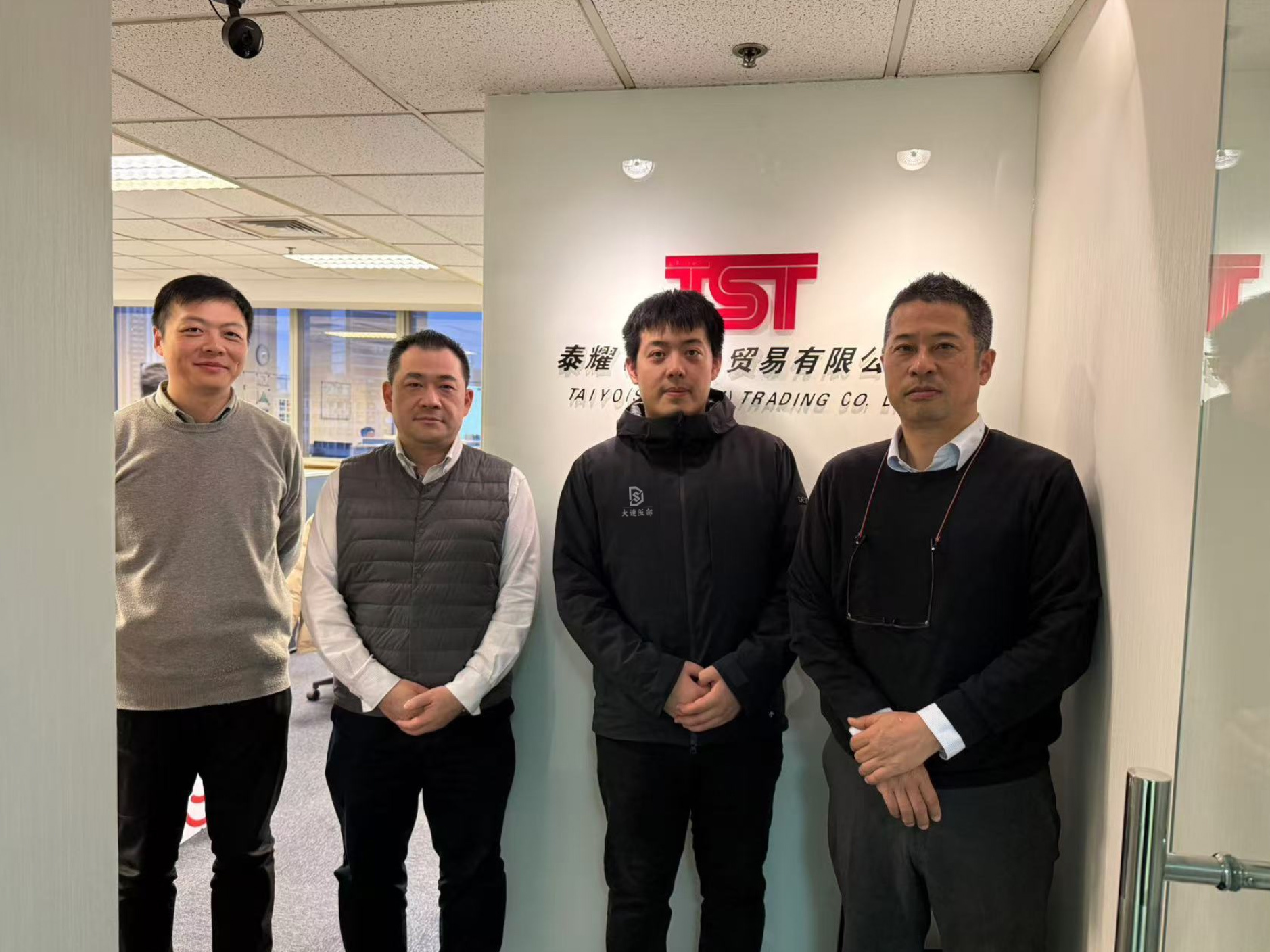
Great meeting with partner in Shanghai
Dalian Sakabe paying visit to our partner TST in Shanghai. Had discussions and plans for long term co-operation. Great thanks for your support!
2025/01/02
CONTACT US
Tel: +86 136-5494-1611
E-mail: alexzheng@sakabe.cn
Office Address:
No.18 Dongbei Qi Street, Jinpu New Area, Dalian, Liaoning, China
Factory Address:
No.26 Fuan Street, Jinpu New Area, Dalian, Liaoning, China
