


Metal Injection Molding vs. Traditional Methods: Which Is Right for Your Project
Introduction to Metal Injection Molding and Traditional Methods
In the field of manufacturing, selecting the right method to produce metal components is crucial for achieving quality, efficiency, and cost-effectiveness. Among the various production techniques, Metal Injection Molding (MIM)** and traditional methods like machining and die casting stand out. Each method has its distinct advantages and ideal applications. This article will delve deep into these manufacturing approaches, providing essential insights to guide you in choosing the right method for your project.

Understanding Metal Injection Molding (MIM)
Metal Injection Molding is a sophisticated manufacturing process that combines the principles of plastic injection molding with metal manufacturing. In this process, finely powdered metals are mixed with a binder material to create a feedstock. This material is then heated and injected into a mold to form the desired shape. Once the part cools, the binder is removed through a thermal process, leaving behind a metal component that can be further sintered to achieve high density and strength.
The MIM Process: Step by Step
1. **Feedstock Preparation**: The metal powder is blended with a polymer binder to form a consistent feedstock.
2. **Injection Molding**: The feedstock is heated and injected into precision molds under high pressure.
3. **Debinding**: The binder is removed, often through solvent or thermal methods, leaving behind a fragile part.
4. **Sintering**: The part is then heated in a controlled atmosphere to bond the metal particles together, resulting in a dense, durable component.
Applications of Metal Injection Molding
MIM is particularly well-suited for high-volume production of complex geometries that require tight tolerances. Industries such as automotive, aerospace, and medical devices frequently use MIM for components like gears, connectors, and surgical instruments.
Traditional Manufacturing Methods: An Overview
Traditional manufacturing methods encompass a variety of techniques, including machining, die casting, and forging. These methods have been the cornerstone of metal fabrication for decades and are well-established in numerous industries.
Common Traditional Methods
1. **Machining**: Involves removing material from a solid block using tools like lathes and mills, ideal for producing precise components.
2. **Die Casting**: Involves forcing molten metal into a mold cavity, suitable for creating complex shapes with excellent surface finishes.
3. **Forging**: This is the process of shaping metal using compressive forces, often enhancing the material's mechanical properties.
Applications of Traditional Methods
Traditional methods are versatile and widely used in manufacturing parts for machinery, automotive applications, and structural components.
Key Differences Between MIM and Traditional Methods
When comparing MIM and traditional methods, several critical differences emerge:
1. Complexity and Design Flexibility
MIM allows for the production of intricate geometries that may be challenging to achieve with traditional methods. While traditional methods can produce high-precision parts, they often require additional steps to create complex shapes.
2. Material Utilization
MIM offers superior material efficiency, with minimal waste produced during the manufacturing process. Traditional methods, particularly machining, can generate significant scrap material.
3. Production Volume
MIM is optimal for high-volume production runs, while traditional methods may be more suited for low to medium production volumes, as setup costs can be higher.
Advantages of Metal Injection Molding
Metal Injection Molding offers several compelling benefits that make it an attractive option for many projects:
1. High Precision and Tolerance
MIM can achieve tight tolerances and consistent part dimensions, making it perfect for applications where precision is paramount.
2. Cost-Effectiveness for High Volumes
Although the initial tooling costs for MIM can be significant, the per-part costs decrease substantially with higher production volumes, making it economically viable for large orders.
3. Complex Geometries
MIM can produce shapes that would be impossible or prohibitively expensive using traditional methods, providing design engineers with greater flexibility.
4. Material Variety
MIM can work with a wide range of metal powders, allowing for the production of components with various properties suited to specific applications.
Benefits of Traditional Manufacturing Methods
Traditional manufacturing methods also have their unique set of advantages:
1. Established Processes
These methods are well-understood, and numerous resources are available for troubleshooting and optimization.
2. Flexibility for Small Batches
Traditional methods are often more adaptable for small production runs or prototype development, allowing for rapid changes without significant retooling.
3. Material Selection
The range of materials that can be used in traditional methods is broad, providing options for various applications, including metals and alloys.
When to Choose Metal Injection Molding for Your Project
Consider MIM when:
- Your project requires **complex shapes** that traditional methods struggle to produce.
- You need **high-volume production** with consistent quality.
- The project demands **tight tolerances** and high precision.
- You aim to maximize material efficiency with minimal waste.
When to Choose Traditional Manufacturing Methods for Your Project
Opt for traditional methods when:
- Your project involves **low to medium production volumes** where setup costs are a concern.
- You need to produce **simple geometries** that can be efficiently manufactured using machining or casting.
- The project requires the use of a **variety of materials**, including non-metallic options.
- You aim for **rapid prototyping** or flexibility in design changes.
Cost Analysis: MIM vs. Traditional Methods
Understanding the financial implications of each method is vital for making an informed decision.
Cost Breakdown for MIM
- **Tooling Costs**: Higher initial investment due to mold creation.
- **Cost per Part**: Decreases significantly with volume; ideal for large orders.
- **Material Costs**: Generally low due to high material efficiency.
Cost Breakdown for Traditional Methods
- **Setup Costs**: Can be higher for complex operations.
- **Cost per Part**: More stable for low volumes; reduces with increased efficiency.
- **Material Costs**: May vary widely depending on material choice.
Ultimately, the choice between MIM and traditional methods should weigh both the initial costs and the long-term implications for your specific project needs.
Conclusion
Selecting the right manufacturing method is crucial for the success of your project. Both Metal Injection Molding and traditional methods have unique advantages that cater to different manufacturing needs. MIM is ideal for high-volume production with complex geometries, while traditional methods are better suited for flexibility and lower-volume runs. By understanding each method's strengths and applications, you can make an informed decision that aligns with your project's objectives and ensures optimal results.

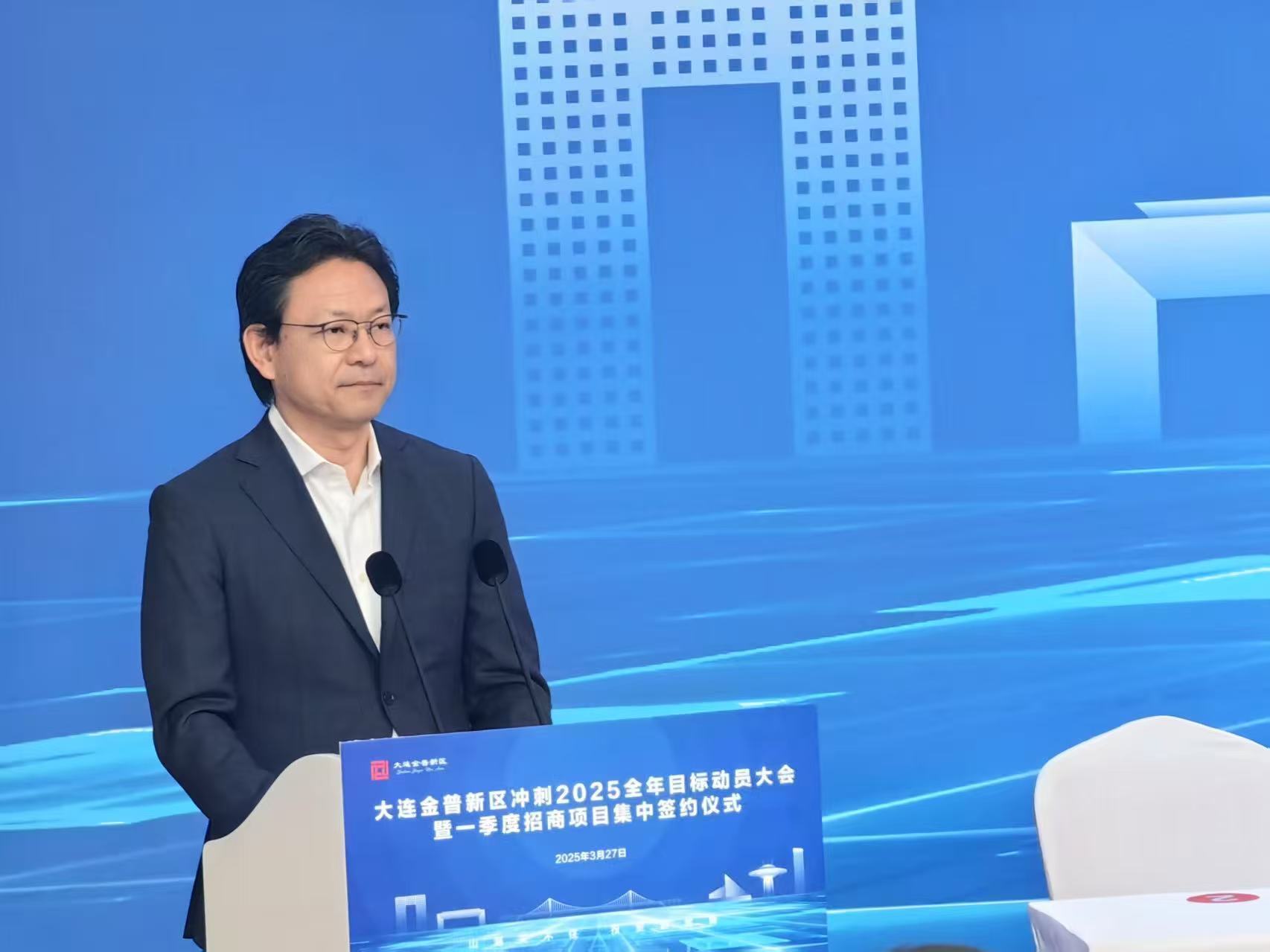
Dalian Sakabe was invited to participate in the Dalian investment promotion project ceremony
On March 27, 2025, Dalian Sakabe, as an advanced foreign-funded enterprise in Dalian, was invited to participate in the investment promotion project ceremony of Dalian China.
2025/04/01
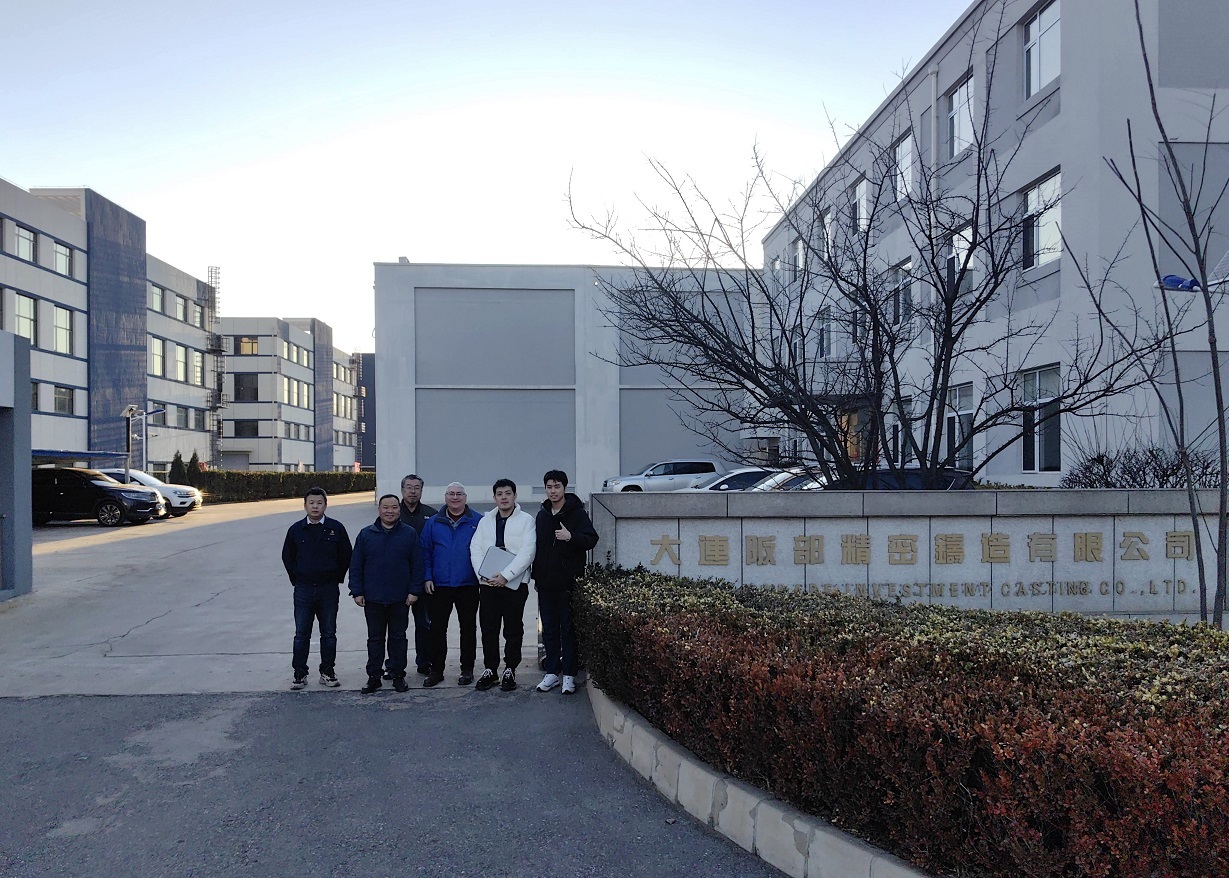
It is pleased that partner NME come to visit us Sakabe foundry
It is pleased that partner NME come to visit us Sakabe foundry. We share the same philosophy about quality standards, product positioning, environmental protection, and sustainable development. It's lucky to meet like-minded partners!
2025/02/19
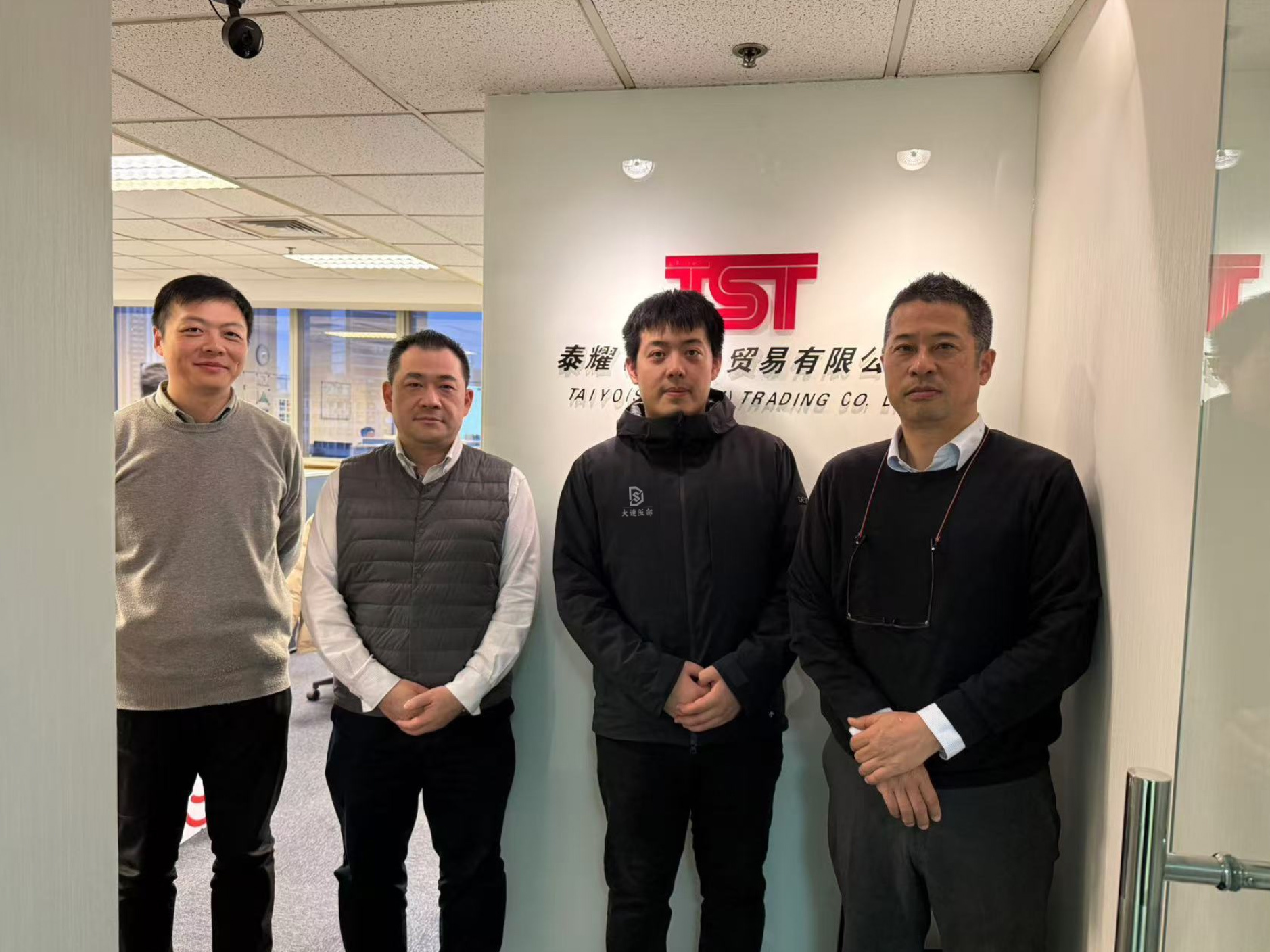
Great meeting with partner in Shanghai
Dalian Sakabe paying visit to our partner TST in Shanghai. Had discussions and plans for long term co-operation. Great thanks for your support!
2025/01/02
CONTACT US
Tel: +86 136-5494-1611
E-mail: alexzheng@sakabe.cn
Office Address:
No.18 Dongbei Qi Street, Jinpu New Area, Dalian, Liaoning, China
Factory Address:
No.26 Fuan Street, Jinpu New Area, Dalian, Liaoning, China
