


Maximizing Efficiency: The Role of Heat Treatment Fixtures in Industrial Processes
1. Introduction to Heat Treatment Fixtures
Heat treatment fixtures play a pivotal role in optimizing industrial processes by facilitating effective heat treatment of various materials. These fixtures are designed to hold, support, and protect components during heat treatment. By ensuring even heat distribution and minimizing distortion, they contribute significantly to the overall quality and efficiency of the processes involved.

2. Importance of Heat Treatment in Industry
Heat treatment is a critical phase in the manufacturing of components across multiple industries, including automotive, aerospace, and metalworking. This process enhances the physical and mechanical properties of materials, such as hardness, toughness, and ductility. Understanding the importance of heat treatment allows industries to improve product performance, extend service life, and reduce costs associated with failures and repairs.
Understanding the Heat Treatment Process
The heat treatment process typically involves heating a material to a specific temperature, holding it at that temperature for a designated period, and then cooling it in a controlled manner. This process can include techniques such as annealing, quenching, and tempering, each serving distinct purposes and requiring specialized fixtures to optimize performance.
3. Types of Heat Treatment Fixtures
Different types of heat treatment fixtures cater to various industrial requirements. Understanding these types is essential for selecting the right fixture for specific applications.
Holding Fixtures
Holding fixtures are designed to securely hold components in place during the heat treatment process. They ensure that parts do not move or warp under high temperatures, which could otherwise compromise the material properties.
Support Fixtures
Support fixtures provide essential support to complex geometries and large components during heat treatment. They maintain structural integrity while allowing for uniform heat distribution.
Custom Fixtures
For specialized applications, custom fixtures are often designed to meet unique requirements. Tailored solutions can enhance efficiency by optimizing the heat treatment process specific to the component's geometry and material.
4. Designing Effective Heat Treatment Fixtures
The design of heat treatment fixtures is crucial for maximizing efficiency and effectiveness in industrial processes. Several factors must be considered:
Load Capacity
Fixtures must be designed to withstand the specific loads imposed by the components during heat treatment. An inadequate load capacity can lead to failures and compromised product quality.
Heat Distribution
Even heat distribution is critical to achieving the desired material properties. Designers must consider the fixture's geometry and material to ensure consistent heating across the component.
Accessibility
Fixtures should allow for easy loading and unloading of components. This ease of access can reduce downtime and enhance productivity during the heat treatment process.
5. Materials Used in Heat Treatment Fixtures
The choice of materials for heat treatment fixtures is essential for their performance and longevity.
High-Temperature Alloys
Fixtures made from high-temperature alloys can withstand extreme heat without deforming. These materials are essential for maintaining structural integrity during the heat treatment processes.
Refractory Materials
Refractory materials are often used in heat treatment fixtures to provide additional thermal insulation and protect components from excessive heat.
Coatings and Treatments
Applying coatings or treatments to fixtures can enhance their resistance to wear, corrosion, and oxidation, thus extending their lifespan and performance.
6. The Heat Treatment Process and Fixture Role
Heat treatment fixtures facilitate the various stages of the heat treatment process. Their design and material selection directly influence the outcome of the treatment.
Heating Phase
During the heating phase, fixtures must maintain stability and ensure even heat distribution to the components. This is paramount for achieving the desired mechanical properties.
Cooling Phase
The cooling phase is equally critical. Fixtures should allow for controlled cooling rates to prevent thermal shock and warping, ensuring the integrity of the treated components.
7. Benefits of Using Heat Treatment Fixtures
Implementing effective heat treatment fixtures offers several advantages:
Improved Product Quality
By ensuring even heat distribution and minimizing distortion, fixtures enhance the overall quality of the treated components, leading to better performance and reliability.
Increased Efficiency
Efficient fixtures streamline the heat treatment process, reducing cycle times and increasing throughput without sacrificing quality.
Cost-Effectiveness
By preventing defects and extending the lifespan of components, heat treatment fixtures contribute to significant cost savings in both production and maintenance.
8. Case Studies: Success Stories of Heat Treatment Fixtures in Action
Examining real-world applications helps illustrate the impact of heat treatment fixtures on industrial processes.
Automotive Industry Case Study
In a recent project within the automotive industry, a manufacturer implemented custom heat treatment fixtures that resulted in a 25% reduction in production time while maintaining superior material properties.
Aerospace Industry Case Study
Another notable example comes from the aerospace sector, where the use of high-temperature alloy fixtures improved the quality of critical components, thereby enhancing safety and performance.
9. Frequently Asked Questions (FAQs)
What is the primary purpose of heat treatment fixtures?
Heat treatment fixtures are designed to hold, support, and protect components during heat treatment processes, ensuring uniform heat distribution and minimizing distortion.
How do I choose the right heat treatment fixture?
Selecting the right fixture involves considering factors such as the type of component, load capacity, heat distribution requirements, and accessibility for loading/unloading.
What materials are best for heat treatment fixtures?
High-temperature alloys and refractory materials are commonly used for heat treatment fixtures due to their ability to withstand extreme heat and provide thermal insulation.
Can I use custom fixtures for specialized applications?
Yes, custom fixtures can be designed to meet specific requirements for unique components or processes, enhancing efficiency and effectiveness.
How do heat treatment fixtures contribute to cost savings?
Fixtures help prevent defects, extend the lifespan of components, and improve production efficiency, leading to significant cost savings in manufacturing and maintenance.
10. Conclusion
In conclusion, heat treatment fixtures are integral to maximizing efficiency and quality in industrial processes. By understanding their role and implementing them effectively, industries can enhance their manufacturing outcomes, reduce costs, and ensure the reliability of their products. Investing in the right heat treatment fixtures is not just a matter of compliance; it is a strategic decision that can lead to significant competitive advantages in today’s fast-paced industrial landscape.

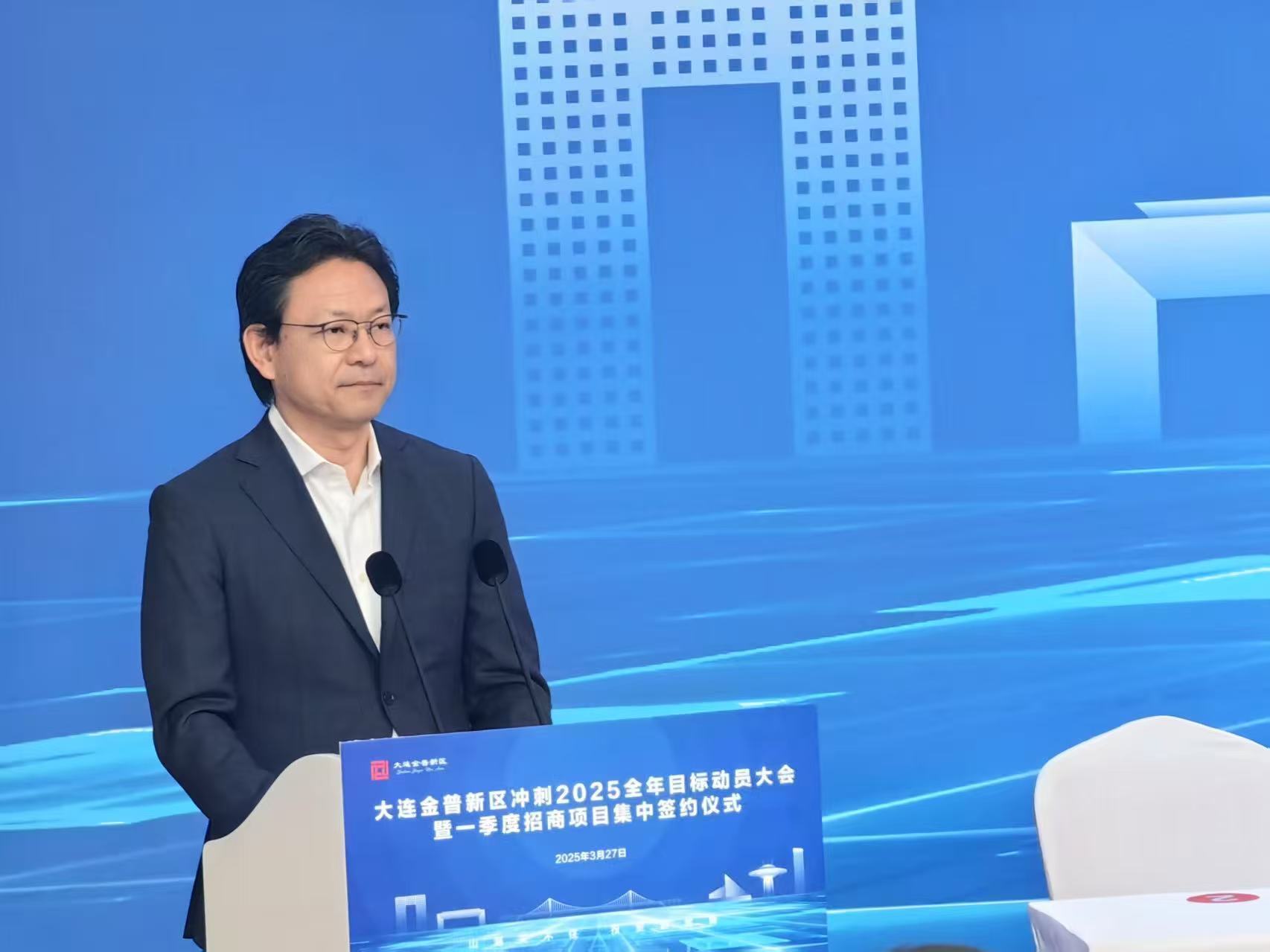
Dalian Sakabe was invited to participate in the Dalian investment promotion project ceremony
On March 27, 2025, Dalian Sakabe, as an advanced foreign-funded enterprise in Dalian, was invited to participate in the investment promotion project ceremony of Dalian China.
2025/04/01
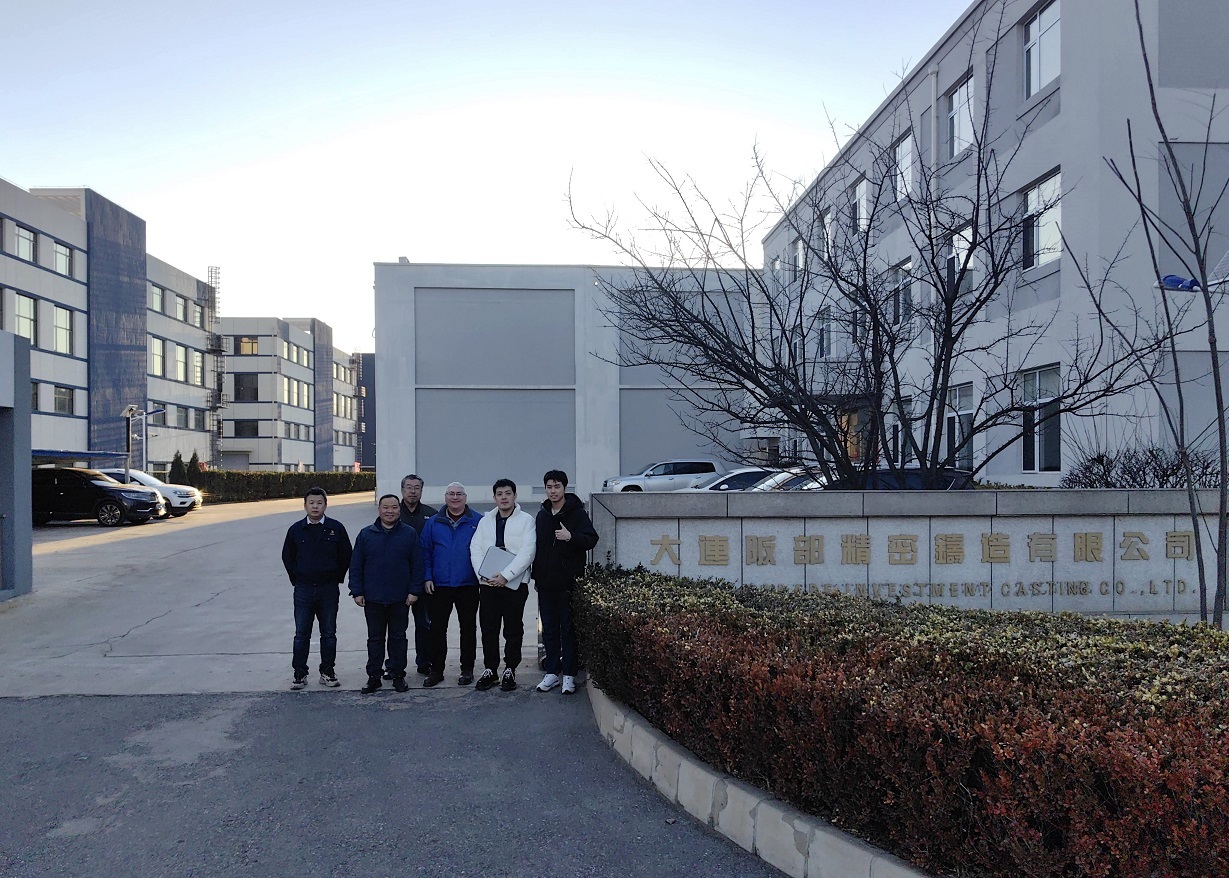
It is pleased that partner NME come to visit us Sakabe foundry
It is pleased that partner NME come to visit us Sakabe foundry. We share the same philosophy about quality standards, product positioning, environmental protection, and sustainable development. It's lucky to meet like-minded partners!
2025/02/19
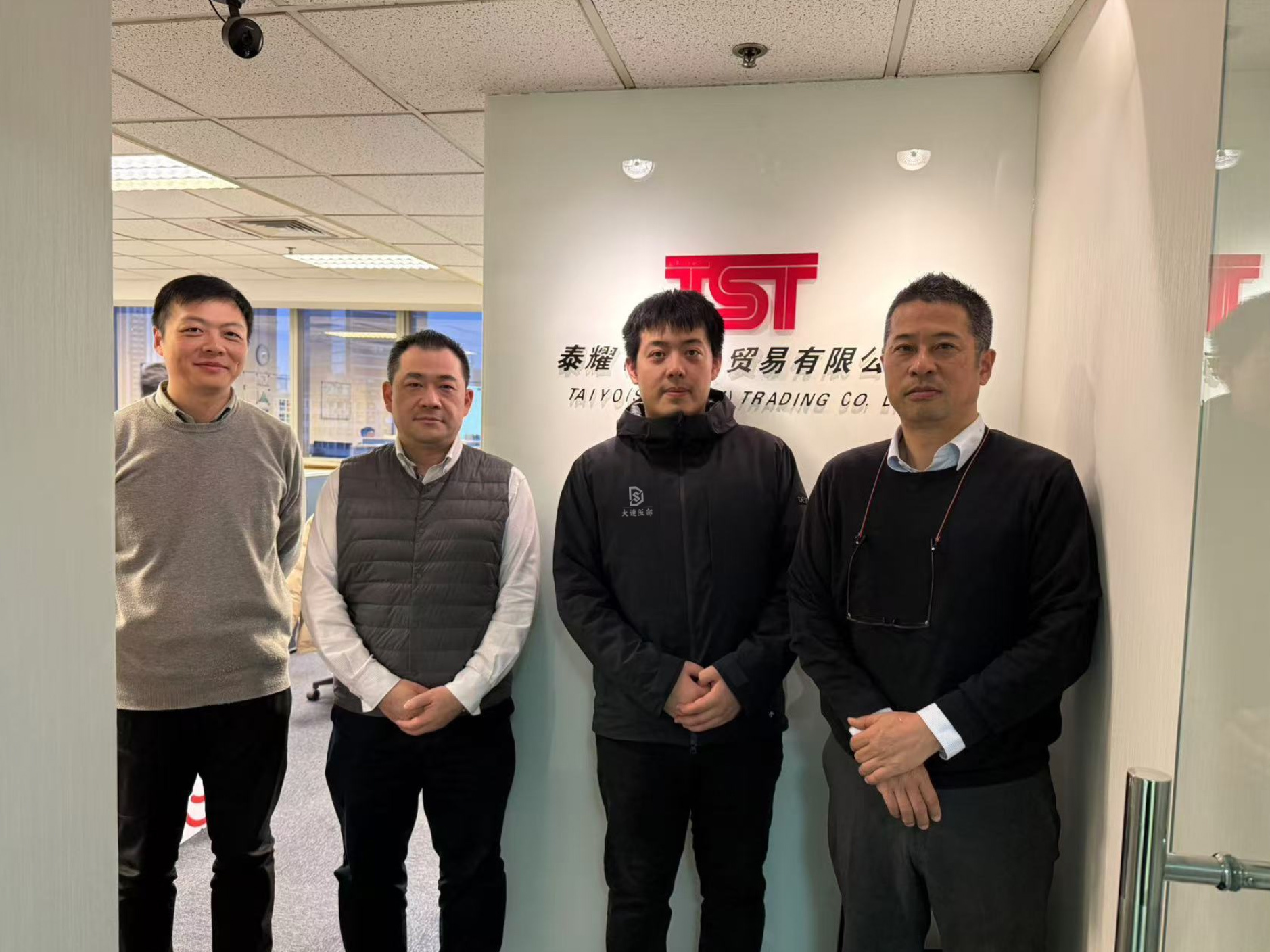
Great meeting with partner in Shanghai
Dalian Sakabe paying visit to our partner TST in Shanghai. Had discussions and plans for long term co-operation. Great thanks for your support!
2025/01/02
CONTACT US
Tel: +86 136-5494-1611
E-mail: alexzheng@sakabe.cn
Office Address:
No.18 Dongbei Qi Street, Jinpu New Area, Dalian, Liaoning, China
Factory Address:
No.26 Fuan Street, Jinpu New Area, Dalian, Liaoning, China
