


Essential Components of Flowmeter Systems Explained
1. Introduction to Flowmeter Systems
Flowmeter parts systems play a crucial role in various industrial applications, enabling the accurate measurement of fluid flow rates. Understanding the essential components that comprise flowmeter systems is fundamental for professionals in engineering, manufacturing, and process management. This guide aims to provide a thorough exploration of these components, their interrelations, and their significance in ensuring optimal operational efficiency.

2. Importance of Accurate Flow Measurement
Accurate flow measurement is vital for several reasons:
- Process Control: Maintaining accurate flow rates ensures that industrial processes run smoothly, avoiding costly interruptions.
- Resource Management: Efficient flow measurement can lead to significant savings in material and energy costs.
- Safety: Monitoring flow rates prevents overpressurization and other hazardous conditions in fluid transport systems.
- Regulatory Compliance: Many industries are subject to regulations that mandate accurate flow measurement for quality control and environmental protection.
Given these factors, it is clear that a solid understanding of flowmeter components can enhance operational performance in various sectors.
3. Main Components of Flowmeter Systems
In our exploration of flowmeter systems, we must first identify the main components that work together to deliver precise measurements. Below are the key elements that form the backbone of these systems.
3.1 Flow Sensors
Flow sensors are the heart of any flowmeter system, responsible for detecting the flow rate of liquids or gases. They utilize different technologies, including:
- Mechanical Sensors: Devices that measure flow based on the movement of a rotor or paddle.
- Electromagnetic Sensors: Utilize the principle of electromagnetic induction to measure flow.
- Ultrasonic Sensors: Use sound waves to determine flow rates by measuring the time it takes for the sound to travel through the medium.
Each type of sensor has its own advantages and is suited for specific applications.
3.2 Transmitter Units
Transmitter units receive signals from flow sensors and convert them into readable data. They play a critical role in enhancing the usability of flowmeter parts systems. Key functions include:
- Signal Conditioning: Improving the quality of the signal for more accurate measurements.
- Data Transmission: Sending data to remote monitoring systems or control panels.
Advanced transmitters can also incorporate features such as diagnostics and calibration capabilities to ensure optimal performance.
3.3 Flow Indicators
Flow indicators display flow rates in real-time, allowing operators to monitor processes continuously. These devices can take various forms, including:
- Analog Indicators: Traditional gauges that provide a visual representation of flow rates.
- Digital Displays: Modern screens that can show precise flow measurements and often include alerts and trend analysis features.
Having reliable indicators is essential for operators who need to make quick decisions based on real-time data.
3.4 Controllers
Controllers automate the management of fluid flow within a system. By receiving data from transmitters and indicators, they can adjust valves and pumps to maintain desired flow rates. This automation enhances process efficiency and reduces human error, contributing to safer and more reliable operations.
3.5 Accessories and Additional Equipment
Apart from the primary components, flowmeter parts systems often include various accessories that enhance functionality:
- Calibration Tools: Ensure accuracy by allowing for systematic adjustments of flow sensors and transmitters.
- Filters: Prevent debris from clogging sensors, ensuring accurate measurements.
- Communication Interfaces: Facilitate connectivity with other systems for integrated monitoring solutions.
These accessories contribute significantly to the overall performance and reliability of flowmeter parts systems.
4. Types of Flowmeters and Their Components
Different flowmeter technologies cater to various industrial needs. Here, we will discuss some common types of flowmeters and their respective components.
4.1 Mechanical Flowmeters
Mechanical flowmeters primarily use moving parts to measure the flow of liquids. Common examples include:
- Rotameters: Use a float that rises or falls in a tapered tube.
- Turbine Flowmeters: Measure flow based on the rotation of a turbine.
These devices are often favored for their simplicity and low cost.
4.2 Electromagnetic Flowmeters
Electromagnetic flowmeters rely on Faraday's law of electromagnetic induction. Key components include:
- Electrodes: Measure the induced voltage generated as fluid flows through a magnetic field.
- Magnetic Coils: Create the magnetic field necessary for measurement.
They are particularly effective for conductive liquids and are known for their accuracy and reliability.
4.3 Ultrasonic Flowmeters
Ultrasonic flowmeters utilize ultrasonic waves to measure flow rates. They operate using two primary methods:
- Transit-Time Method: Measures the difference in time between ultrasonic signals traveling upstream and downstream.
- Doppler Method: Utilizes the frequency shift of an ultrasonic signal reflected off particles in the fluid.
These flowmeters are versatile and can measure a wide range of fluid types, making them popular in various industries.
4.4 Thermal Mass Flowmeters
Thermal mass flowmeters measure the flow rate of gases by detecting changes in temperature. Their main components include:
- Heater: Generates a temperature difference in the fluid.
- Temperature Sensors: Monitor the change in thermal conductivity as flow rates vary.
These flowmeters are particularly effective for low-flow applications and provide high accuracy in gas measurement.
5. Applications of Flowmeter Systems
Flowmeter systems find applications across various industries due to their ability to provide accurate flow measurements. Some of the key sectors include:
- Water Treatment: Monitoring water flow in treatment facilities ensures compliance with environmental regulations.
- Oil and Gas: Accurate measurement of hydrocarbons is crucial for production and transportation processes.
- Chemical Processing: Flowmeters ensure precise dosing of chemicals, enhancing safety and efficiency.
- Pharmaceuticals: Maintaining strict control over fluid flow is vital for product quality and regulatory compliance.
Understanding the specific applications of flowmeter systems can help organizations choose the right type for their needs.
6. Maintaining Flowmeter Systems
Effective maintenance is essential to ensure the longevity and accuracy of flowmeter systems. Key maintenance practices include:
- Regular Calibration: Ensuring components operate within specified parameters is critical for accurate measurements.
- Cleaning Sensors: Keeping sensors free from debris and contaminants helps maintain accuracy.
- Routine Inspections: Regularly checking for wear and tear can prevent unexpected failures and prolong system life.
By implementing a robust maintenance plan, organizations can minimize downtime and enhance the overall reliability of their flowmeter systems.
7. Future Trends in Flowmeter Technology
The field of flowmeter technology is evolving rapidly, driven by advancements in digitalization, automation, and IoT (Internet of Things). Key trends include:
- Smart Flowmeters: Incorporating AI and machine learning for predictive analytics and enhanced monitoring capabilities.
- Wireless Technology: Facilitating real-time data transmission and remote monitoring, reducing the need for physical connections.
- Integration with IoT: Enabling the seamless interconnectivity of devices for more comprehensive monitoring solutions.
These trends are poised to reshape the landscape of flow measurement, offering more reliable, efficient, and user-friendly systems.
8. Conclusion
In conclusion, understanding the essential components of flowmeter parts systems is crucial for ensuring accurate fluid measurement in industrial applications. From flow sensors and transmitters to controllers and accessories, each component plays a vital role in the overall functionality of these systems. As technology continues to advance, staying informed about the latest developments in flow measurement will enable organizations to enhance their operational efficiency and maintain competitive advantages in a rapidly changing market.

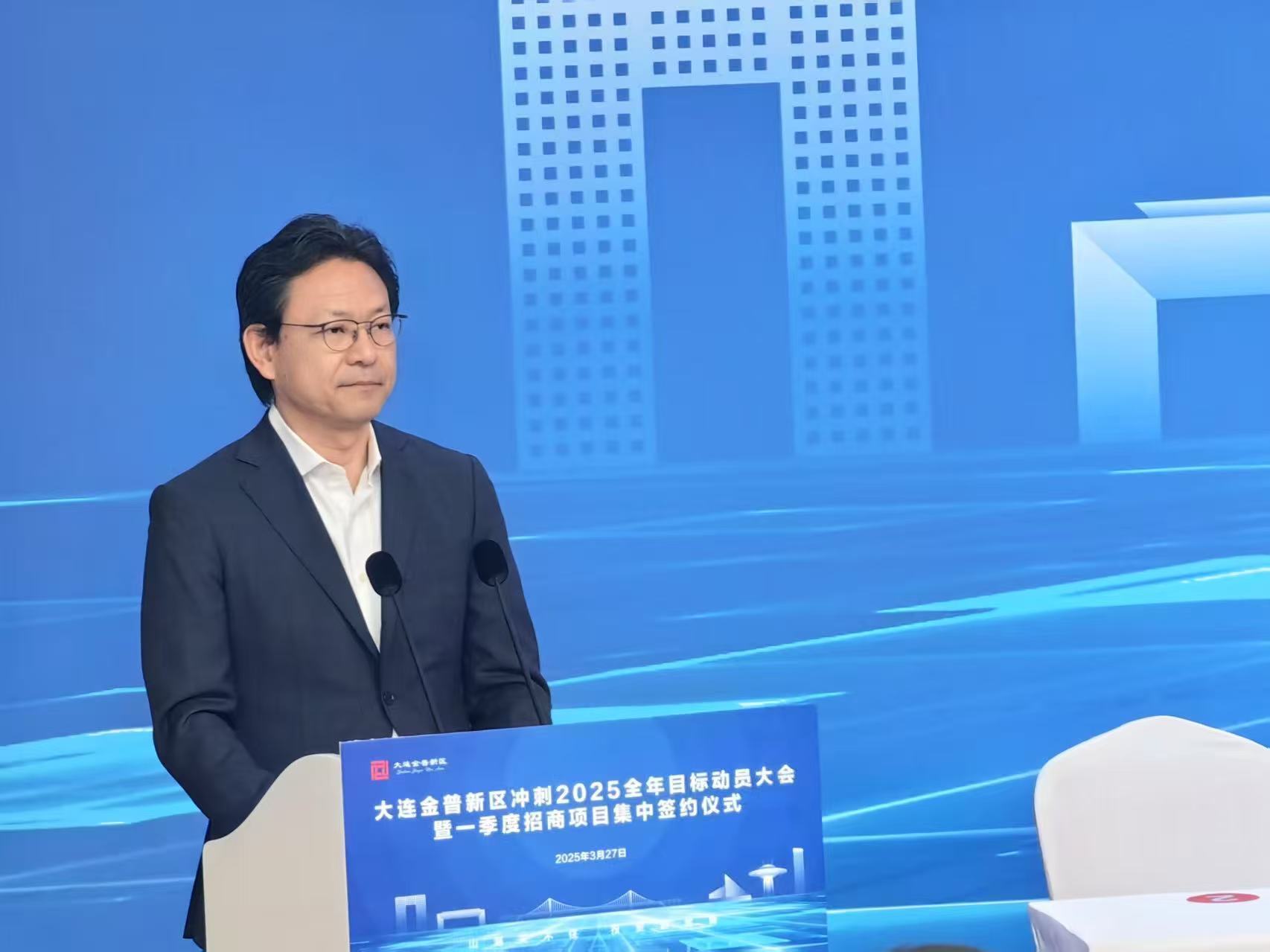
Dalian Sakabe was invited to participate in the Dalian investment promotion project ceremony
On March 27, 2025, Dalian Sakabe, as an advanced foreign-funded enterprise in Dalian, was invited to participate in the investment promotion project ceremony of Dalian China.
2025/04/01
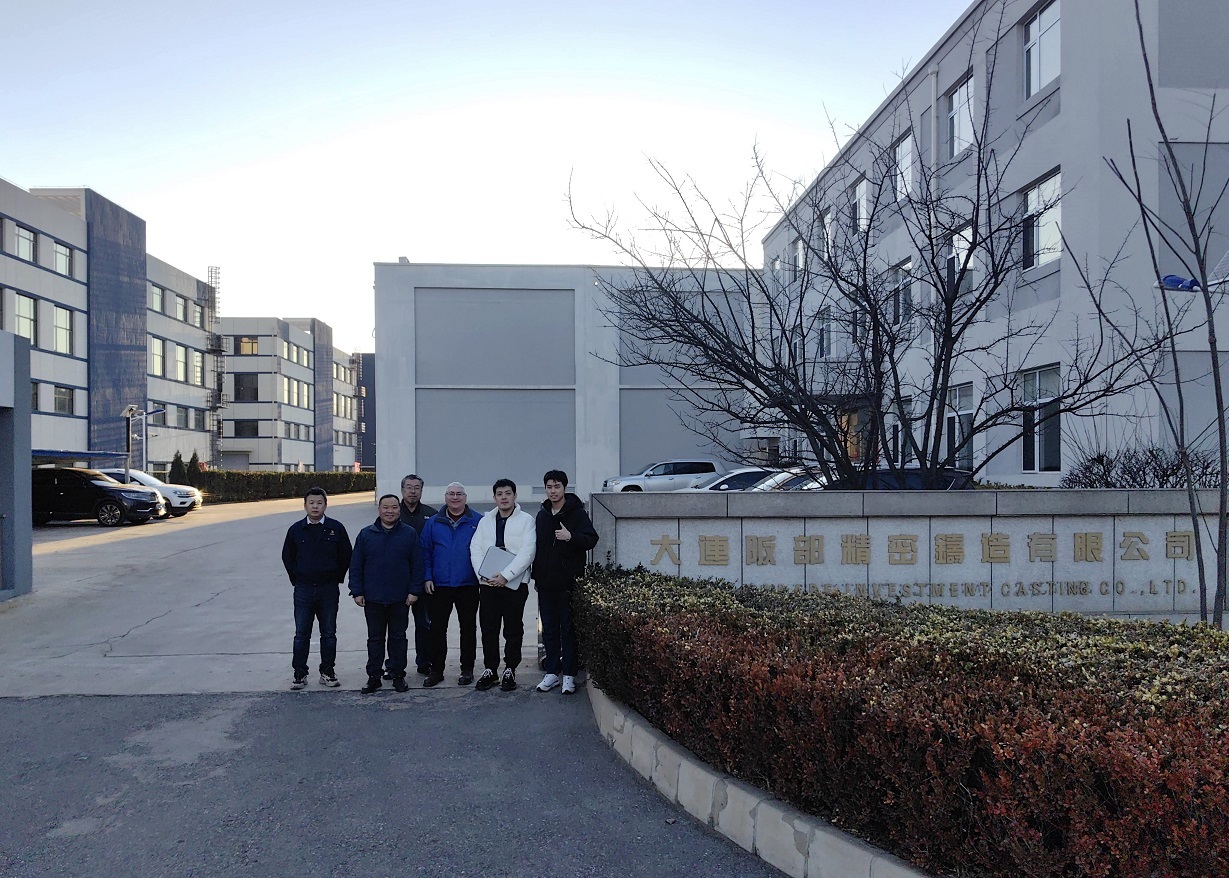
It is pleased that partner NME come to visit us Sakabe foundry
It is pleased that partner NME come to visit us Sakabe foundry. We share the same philosophy about quality standards, product positioning, environmental protection, and sustainable development. It's lucky to meet like-minded partners!
2025/02/19
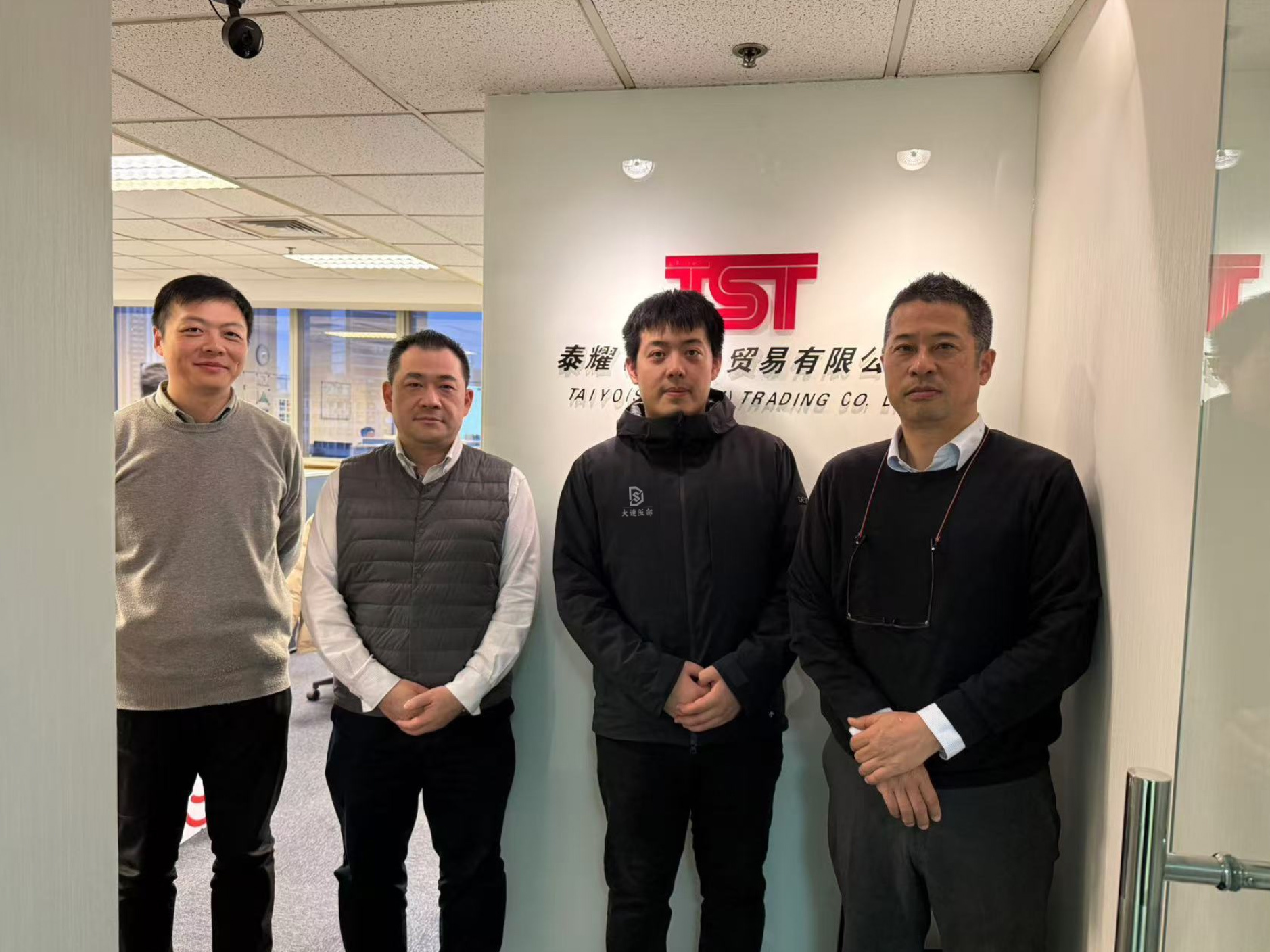
Great meeting with partner in Shanghai
Dalian Sakabe paying visit to our partner TST in Shanghai. Had discussions and plans for long term co-operation. Great thanks for your support!
2025/01/02
CONTACT US
Tel: +86 136-5494-1611
E-mail: alexzheng@sakabe.cn
Office Address:
No.18 Dongbei Qi Street, Jinpu New Area, Dalian, Liaoning, China
Factory Address:
No.26 Fuan Street, Jinpu New Area, Dalian, Liaoning, China
