


Exploring the Advantages of Precision Casting in Heat Treatment Processes
1. Introduction to Precision Casting
Precision casting for heat treatment, often referred to as investment casting, is a sophisticated manufacturing process that allows for the production of highly detailed and complex components with exceptional accuracy. By utilizing a wax pattern that is coated with a ceramic shell, manufacturers can create intricately shaped metal parts that require minimal machining. This method is gaining popularity across multiple industries, particularly in sectors that demand high-performance materials and precise specifications.
2. The Heat Treatment Process: An Overview
Heat treatment is a controlled process that alters the physical and sometimes chemical properties of a material to achieve desired characteristics. This procedure typically involves heating and cooling metals or alloys to enhance their hardness, strength, ductility, and toughness. In industrial applications, heat treatment is crucial for ensuring that components can withstand demanding operational conditions.

3. How Precision Casting Enhances Heat Treatment
The synergy between precision casting and heat treatment is undeniable. By producing components that are engineered with precision, manufacturers can optimize each stage of the heat treatment process. When a part is designed with accurate dimensions, it allows for uniform heat distribution, leading to consistent results and improved performance.
4. Key Benefits of Precision Casting in Heat Treatment
The integration of precision casting for heat treatment processes offers numerous advantages that significantly impact manufacturing efficiency and product quality.
4.1 Improved Dimensional Accuracy
One of the foremost benefits of precision casting is the enhanced dimensional accuracy it provides. Components produced through this method can achieve tolerances as tight as ±0.005 inches. This level of precision minimizes the need for secondary machining operations, reducing lead times and costs.
4.2 Enhanced Material Properties
Precision casting not only ensures high-quality dimensions but also contributes to the overall material properties of the finished product. The controlled cooling process associated with heat treatment can significantly improve hardness and tensile strength, making components more durable and reliable.
4.3 Cost-Effectiveness and Efficiency
By combining precision casting with heat treatment, companies can significantly reduce production costs. Fewer machining operations mean lower labor costs and less material waste. Additionally, precision casting can produce complex geometries in a single step, further enhancing operational efficiency.
4.4 Versatility in Applications
Precision casting is applicable across a wide range of industries, including automotive, aerospace, and medical devices. Its versatility allows manufacturers to create parts that meet specific industry standards and performance requirements, making it an invaluable asset in modern manufacturing.
4.5 Reduction of Waste
Another significant advantage of precision casting is its ability to minimize waste. The process generates less scrap material compared to traditional casting methods, aligning with sustainable manufacturing practices and reducing environmental impact.
5. Precision Casting Techniques Used in Heat Treatment
Various precision casting techniques are employed to enhance the heat treatment process. These include:
1. **Lost-Wax Casting:** A method where a wax pattern is melted away to create a mold. This technique allows for intricate designs and high precision.
2. **Shell Molding:** Involves creating a mold from a mixture of sand and resin, which is then heated to form a solid shell. This technique can produce high-quality finishes and tight tolerances.
3. **Vacuum Casting:** This method eliminates air from the mold during the pouring process, reducing defects and ensuring a cleaner casting.
Each technique has its unique advantages and is selected based on the specific requirements of the heat treatment process and the final application's demands.
6. Challenges in Precision Casting and How to Overcome Them
Despite its advantages, precision casting poses several challenges, including:
1. **Complexity of Design:** While precision casting enables intricate designs, producing highly complex patterns can be challenging. Collaborating with design engineers early in the process can help streamline this phase.
2. **Material Limitations:** Not all materials are suitable for precision casting. Selecting compatible materials that can withstand the heat treatment process is crucial for achieving desired results.
3. **Quality Control:** Maintaining quality throughout the casting and heat treatment processes requires rigorous inspection and testing protocols. Implementing advanced quality assurance techniques will ensure the integrity of the components.
7. Case Studies: Successful Implementations of Precision Casting
Several industry leaders have successfully integrated precision casting into their heat treatment processes. For instance, a renowned aerospace manufacturer adopted precision casting to produce lightweight yet durable components for aircraft engines. The results showed a marked improvement in performance and efficiency, demonstrating the effectiveness of this method.
Another case involved a medical device manufacturer that utilized precision casting to create intricate surgical instruments. The precision achieved through casting allowed for better ergonomics and functionality, leading to increased market competitiveness.
8. Future Trends in Precision Casting and Heat Treatment
The future of precision casting in heat treatment processes looks promising, driven by advancements in technology and materials science. Emerging trends include:
1. **Additive Manufacturing Integration:** The combination of 3D printing with precision casting may revolutionize how components are designed and produced.
2. **Smart Manufacturing:** The incorporation of IoT and AI in manufacturing processes will optimize precision casting and heat treatment, leading to greater efficiency and reduced downtime.
3. **Sustainable Practices:** As industries focus more on sustainability, precision casting processes will likely evolve to minimize waste and energy consumption.
9. Conclusion
Precision casting for heat treatment plays a critical role in optimizing heat treatment processes, offering a multitude of benefits that enhance both efficiency and product quality. By embracing this sophisticated casting method, manufacturers can produce high-precision components that meet the rigorous demands of modern industry. As technology continues to evolve, the relationship between precision casting and heat treatment will undoubtedly strengthen, paving the way for innovative solutions and improved manufacturing practices.

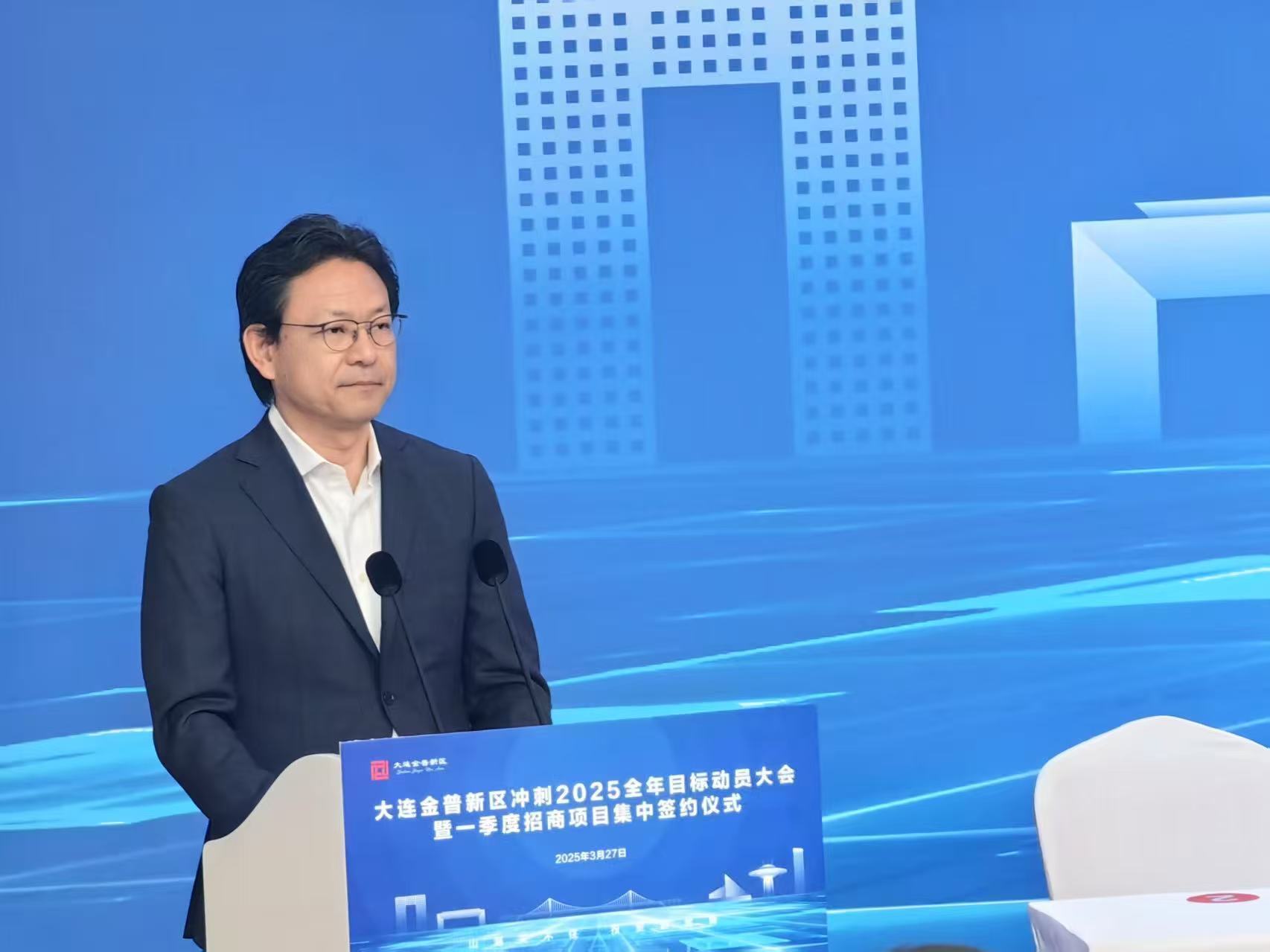
Dalian Sakabe was invited to participate in the Dalian investment promotion project ceremony
On March 27, 2025, Dalian Sakabe, as an advanced foreign-funded enterprise in Dalian, was invited to participate in the investment promotion project ceremony of Dalian China.
2025/04/01
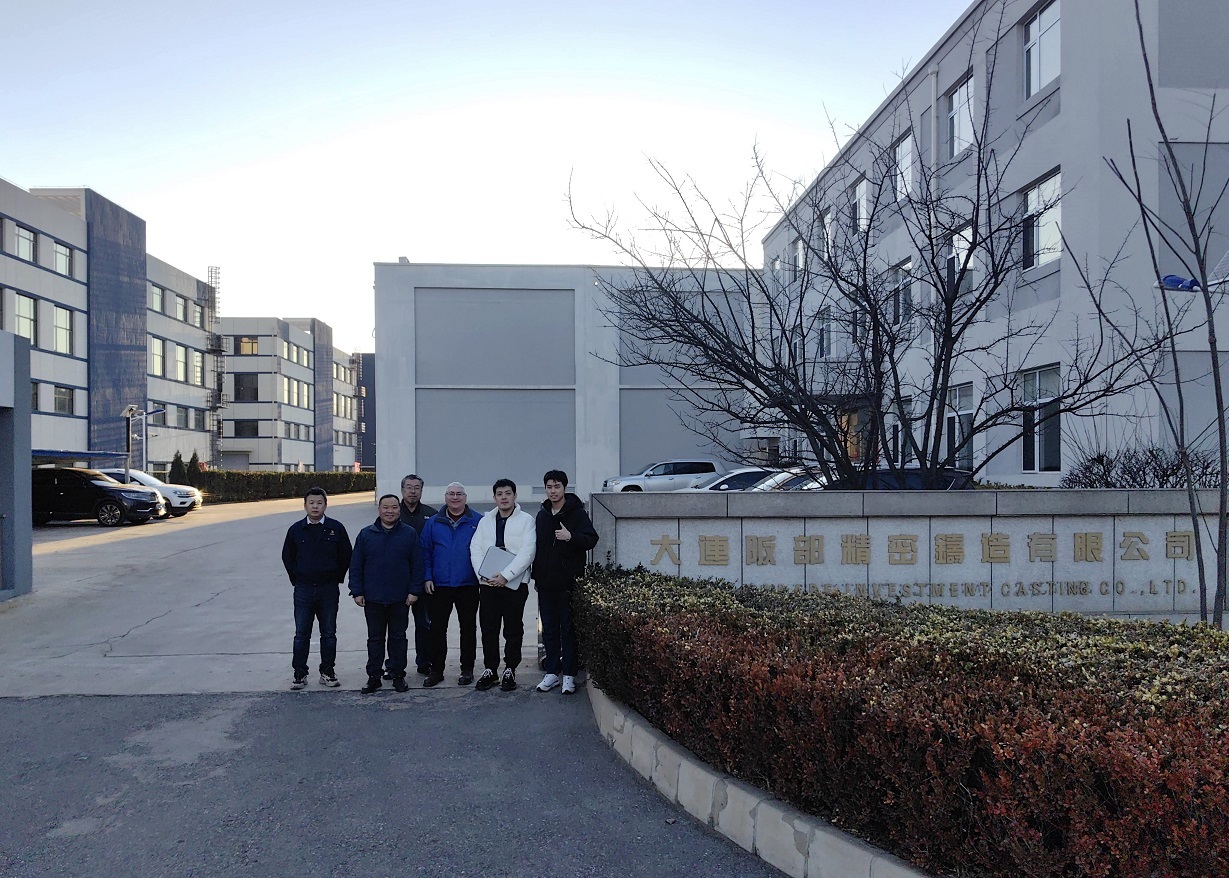
It is pleased that partner NME come to visit us Sakabe foundry
It is pleased that partner NME come to visit us Sakabe foundry. We share the same philosophy about quality standards, product positioning, environmental protection, and sustainable development. It's lucky to meet like-minded partners!
2025/02/19
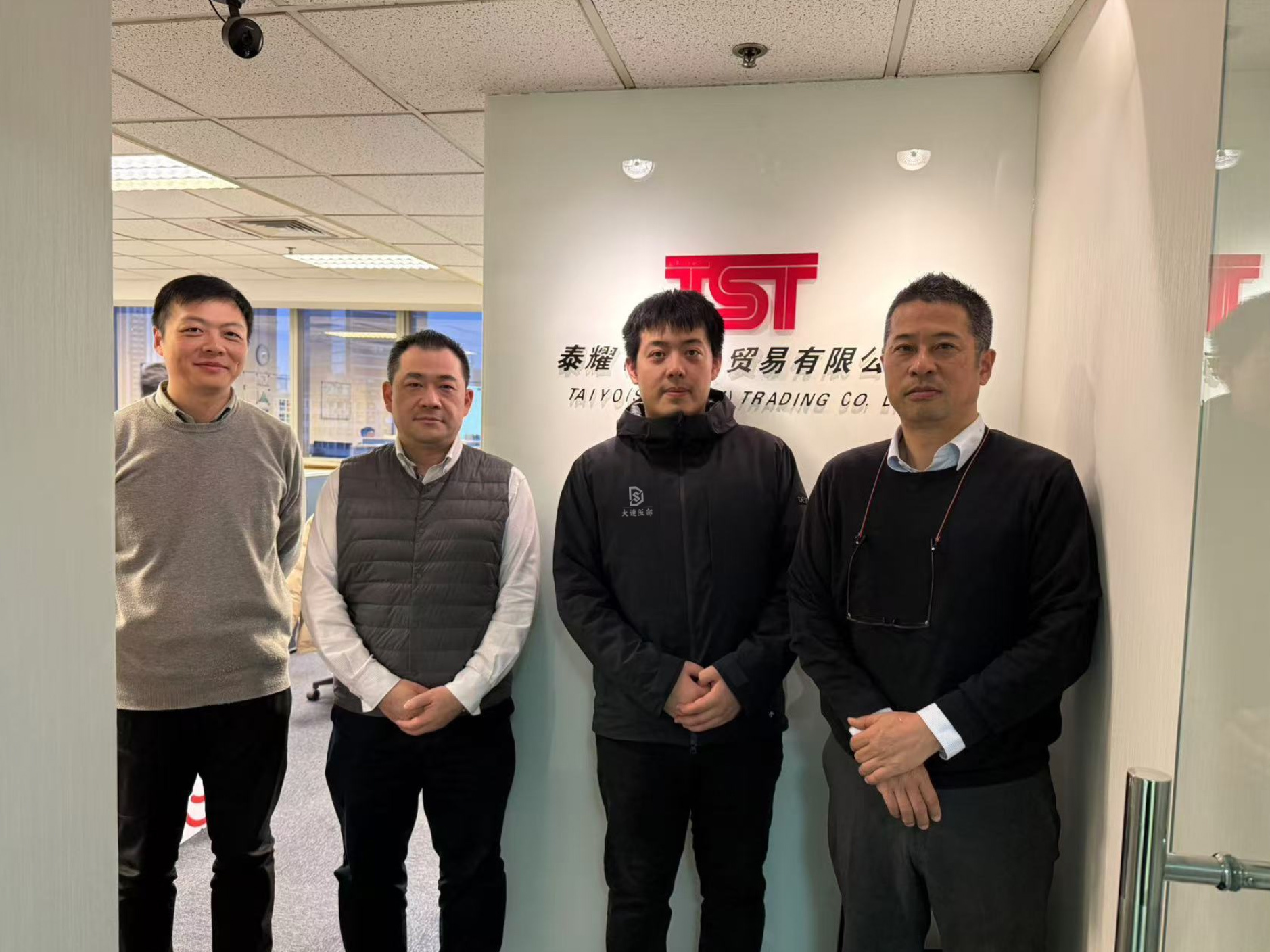
Great meeting with partner in Shanghai
Dalian Sakabe paying visit to our partner TST in Shanghai. Had discussions and plans for long term co-operation. Great thanks for your support!
2025/01/02
CONTACT US
Tel: +86 136-5494-1611
E-mail: alexzheng@sakabe.cn
Office Address:
No.18 Dongbei Qi Street, Jinpu New Area, Dalian, Liaoning, China
Factory Address:
No.26 Fuan Street, Jinpu New Area, Dalian, Liaoning, China
