


The Crucial Role of Quality Control in Metal Casting for Textile Machines
The textile industry heavily relies on various machinery components to maintain efficiency and productivity. Metal casting, a fundamental process in manufacturing these components, requires rigorous quality control measures to ensure the components meet stringent performance standards. Quality control in metal casting is not merely a regulatory requirement; it is an essential practice that safeguards the integrity, performance, and durability of textile machines.
Understanding the Metal Casting Process
Metal casting involves pouring molten metal into a mold to create specific shapes and sizes. The process can vary based on the type of metal used and the desired end product. The most common methods include sand casting, investment casting, and die casting. Each method has its unique advantages and challenges, making it crucial to select the right approach for particular applications within the textile machinery sector.
Types of Metal Casting Techniques
1. **Sand Casting**: Utilizes sand molds and is ideal for producing large parts.
2. **Investment Casting**: Offers high precision and is suitable for complex shapes.
3. **Die Casting**: Produces high volumes of precise parts quickly, making it cost-effective for manufacturing.
The Role of Quality in Each Casting Technique
Each casting technique requires careful attention to detail, as imperfections or inconsistencies in the casting process can lead to significant performance issues in textile machines. Quality control ensures that the casting process adheres to industry standards, minimizing the risk of defects.
The Importance of Quality Control in Metal Casting
Quality control in metal casting is paramount for several reasons. First and foremost, it directly impacts the performance and safety of textile machines. Defective parts can lead to machine failure, resulting in costly downtime and repairs. Furthermore, poor quality can compromise the quality of the final textile products, harming brand reputation and customer satisfaction.
Ensuring Compliance with Industry Standards
Adhering to industry standards is a critical aspect of quality control. Regulatory bodies have established guidelines to ensure safety and reliability. Compliance not only protects workers but also helps maintain the integrity of the machinery.
Reducing Costs Associated with Defective Products
Defective parts lead to wasted materials and additional labor costs for rework or replacement. By implementing stringent quality control measures, manufacturers can significantly reduce these costs, promoting overall operational efficiency.
Methods of Quality Control in Metal Casting
Quality control in metal casting employs various methods to ensure the production of high-quality components. Some widely used techniques include:
Visual Inspection
Routine visual inspections are essential for identifying surface defects and inconsistencies in dimensions. Inspectors examine castings for signs of porosity, cracks, and other anomalies.
Non-Destructive Testing (NDT)
NDT methods, such as ultrasonic testing and radiographic inspection, allow for the evaluation of internal defects without damaging the castings. These techniques provide valuable insights into the integrity of the components.
Material Testing
Testing the material properties, such as tensile strength, hardness, and fatigue resistance, is critical to ensure that the castings can withstand operational stresses.
Challenges in Implementing Quality Control
While establishing effective quality control measures is crucial, various challenges can impede the process. Key challenges include:
Complexity of Casting Processes
The diverse nature of casting processes introduces complexity in monitoring quality across different techniques. Adapting quality control measures to fit each specific method can be challenging.
Skilled Labor Shortages
The demand for skilled labor in quality control roles often exceeds supply. A lack of trained personnel can lead to inconsistencies in quality assessments.
Technological Integration
Incorporating advanced technologies, such as automation and data analytics, into quality control processes requires significant investment and training, which may pose challenges for some manufacturers.
Benefits of Ensuring Quality Control
Implementing robust quality control measures in metal casting offers numerous benefits:
Enhanced Product Reliability
Quality control ensures that components meet strict performance standards, resulting in reliable machinery that operates efficiently and consistently.
Improved Customer Satisfaction
High-quality products lead to increased customer satisfaction and loyalty. Satisfied customers are more likely to recommend products and contribute to positive word-of-mouth marketing.
Long-Term Cost Savings
Investing in quality control can lead to significant long-term cost savings by reducing waste, rework, and the risk of product recalls.
Best Practices for Quality Control
To optimize quality control in metal casting, manufacturers can adopt the following best practices:
Implementing a Quality Management System
Establishing a comprehensive quality management system enables organizations to standardize processes and ensure consistent quality across all operations.
Training and Development
Investing in the training and development of quality control personnel enhances their ability to identify defects and implement corrective actions effectively.
Utilizing Advanced Technologies
Incorporating technologies such as artificial intelligence and machine learning can streamline quality control processes, allowing for real-time monitoring and data analysis.
Future Trends in Quality Control for Metal Casting
As technology continues to evolve, so too do the methods of quality control in metal casting. Emerging trends include:
Automation and Robotics
The integration of automation and robotics in quality control processes is transforming traditional practices, allowing for more accurate and efficient inspections.
Data-Driven Decision Making
Leveraging big data analytics enables manufacturers to make informed decisions based on real-time insights, ultimately enhancing quality control efforts.
Increased Focus on Sustainability
As the industry shifts towards more sustainable practices, quality control measures will increasingly emphasize reducing waste and improving resource efficiency.
In the competitive landscape of the textile machinery industry, ensuring quality control in metal casting is not just a necessity but a strategic advantage. By prioritizing quality throughout the casting process, manufacturers can produce reliable, high-performance components that contribute to the overall success of textile machines. As technology evolves, embracing innovative quality control methods will be paramount for maintaining excellence and meeting the demands of an ever-changing market. The commitment to quality will undoubtedly shape the future of metal casting in the textile industry, ensuring sustainability, efficiency, and customer satisfaction for years to come.

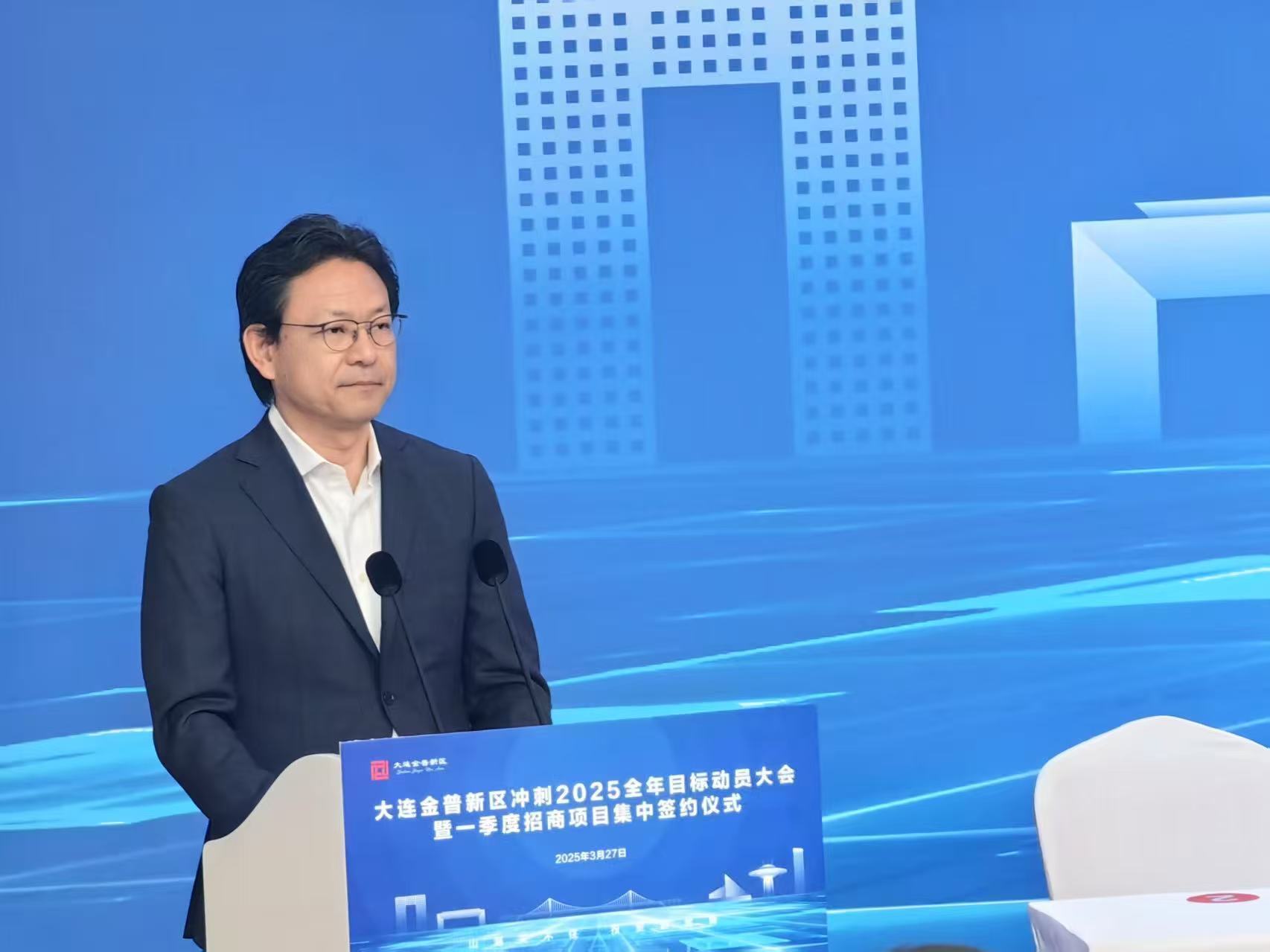
Dalian Sakabe was invited to participate in the Dalian investment promotion project ceremony
On March 27, 2025, Dalian Sakabe, as an advanced foreign-funded enterprise in Dalian, was invited to participate in the investment promotion project ceremony of Dalian China.
2025/04/01
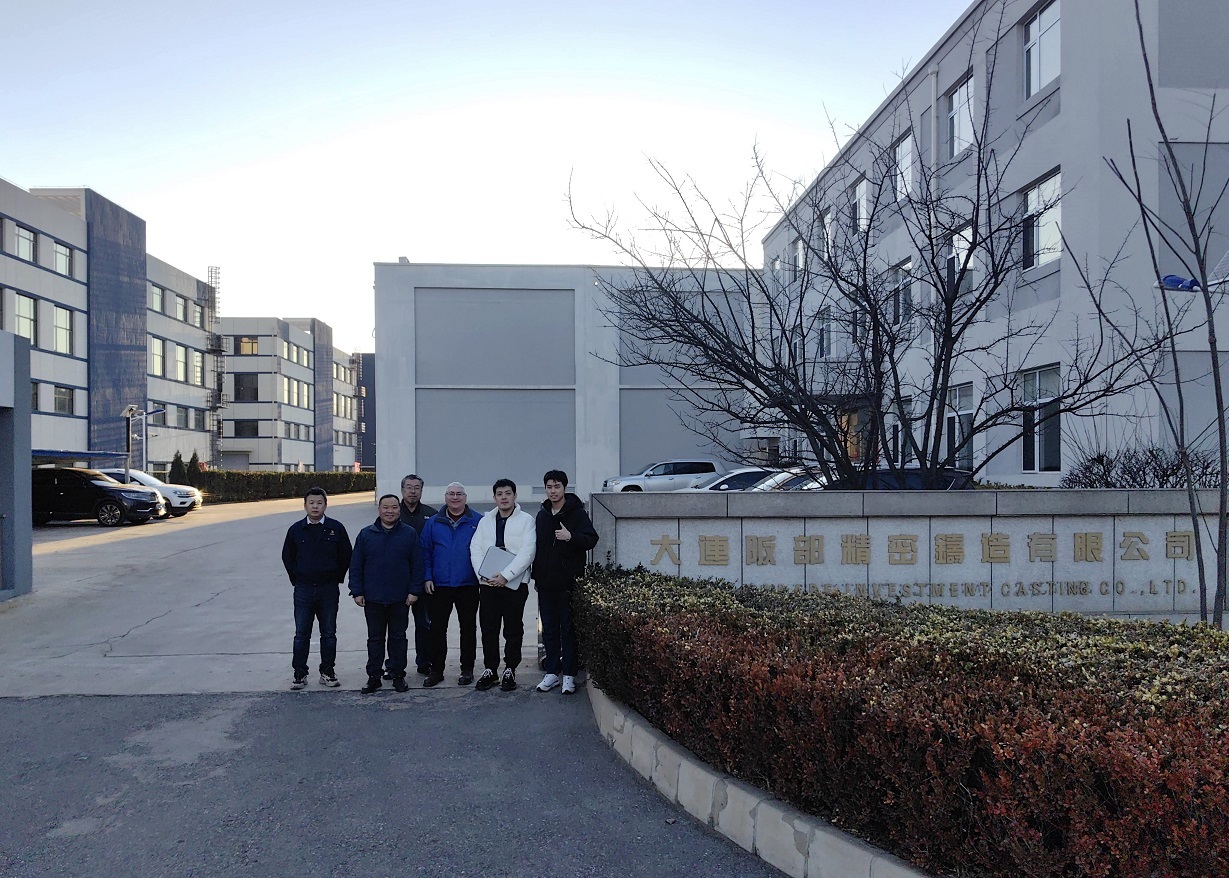
It is pleased that partner NME come to visit us Sakabe foundry
It is pleased that partner NME come to visit us Sakabe foundry. We share the same philosophy about quality standards, product positioning, environmental protection, and sustainable development. It's lucky to meet like-minded partners!
2025/02/19
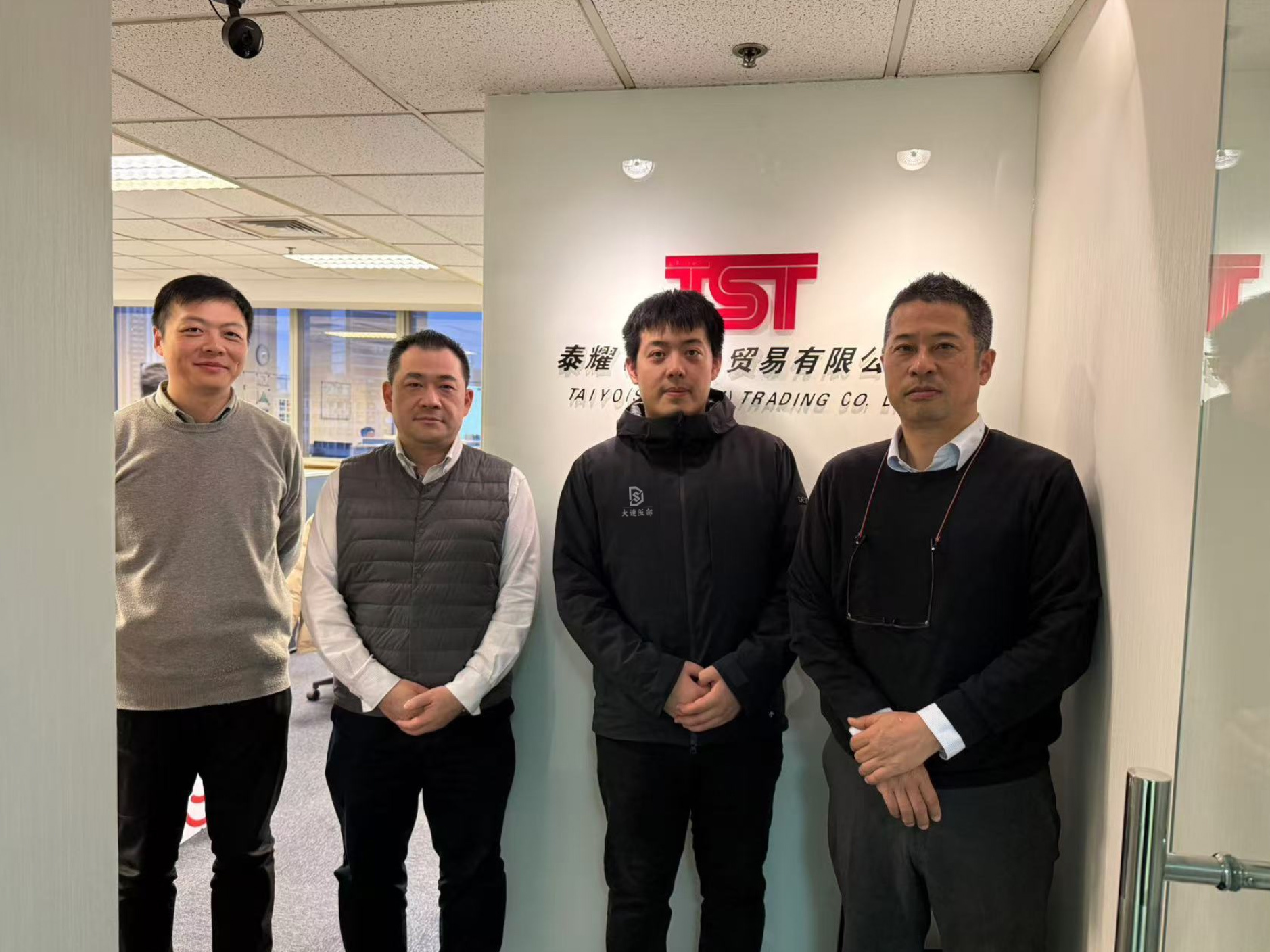
Great meeting with partner in Shanghai
Dalian Sakabe paying visit to our partner TST in Shanghai. Had discussions and plans for long term co-operation. Great thanks for your support!
2025/01/02
CONTACT US
Tel: +86 136-5494-1611
E-mail: alexzheng@sakabe.cn
Office Address:
No.18 Dongbei Qi Street, Jinpu New Area, Dalian, Liaoning, China
Factory Address:
No.26 Fuan Street, Jinpu New Area, Dalian, Liaoning, China
