


Exploring the Process of Investment Casting in Flowmeter Part Production
1. Introduction to Investment Casting in Flowmeter Manufacturing
Investment casting, also known as lost-wax casting, plays a pivotal role in the production of flowmeter parts, which are essential components in measuring the flow rate of liquids and gases. This technique allows for intricate shapes and high dimensional accuracy, making it ideal for manufacturing parts like housings, valves, and fittings used in various applications, including industrial, commercial, and residential settings. In this article, we will explore the detailed process of investment casting, its benefits, and its application specifically in flowmeter part production.
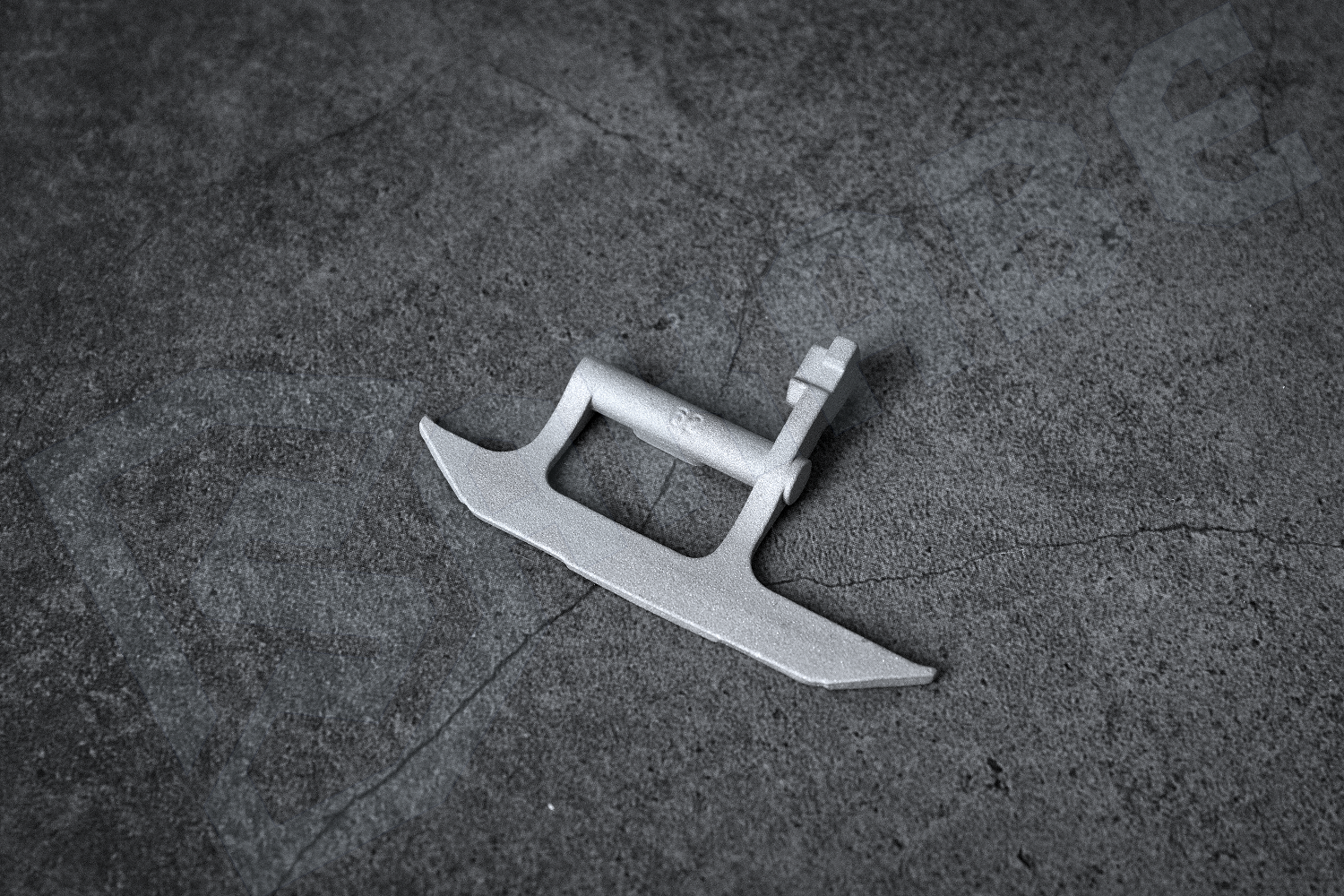
2. What is Investment Casting?
Investment casting for flowmeter parts is a manufacturing process that involves creating a wax model of the desired part, coating it in a ceramic material, and then melting away the wax to leave a mold. This method is known for its ability to produce complex geometries with excellent surface finishes. It is a versatile process used in various industries, including aerospace, automotive, and, importantly, fluid control equipment such as flowmeters.
3. Benefits of Investment Casting for Flowmeter Parts
Investment casting offers numerous advantages that make it particularly suitable for flowmeter part production:
3.1 Precision and Accuracy
The investment casting process allows for intricate designs and precise dimensions. This accuracy is crucial for flowmeter components, where even the slightest deviation can lead to performance issues.
3.2 Excellent Surface Finishing
Investment casting produces parts with superior surface finishes compared to traditional casting methods. This quality reduces the need for extensive post-processing, saving time and costs.
3.3 Material Versatility
The process can accommodate various metals and alloys, including stainless steel, aluminum, and brass, allowing manufacturers to select materials based on the specific requirements of the flowmeter application.
3.4 Reduced Waste
Investment casting is a near-net-shape process, meaning that it minimizes material waste. This aspect not only enhances sustainability but also contributes to cost savings in material procurement.
4. The Investment Casting Process Explained
The investment casting process involves several crucial steps, each contributing to the overall success of producing high-quality flowmeter parts:
4.1. Pattern Making
The first step in the investment casting process is creating a wax pattern that replicates the desired part. This pattern is often produced using an injection molding process, ensuring high precision and detail. The wax pattern is designed to be slightly larger than the final part to account for material shrinkage during cooling.
4.2. Mold Production
Once the wax patterns are created, they are assembled into a cluster, forming a single tree-like structure. The cluster is then coated with a ceramic shell, which hardens to create a mold. This coating process is typically done in multiple layers to ensure durability and precision.
4.3. Pouring the Metal
After the ceramic shell has cured, the wax is melted away, leaving a hollow mold. The mold is then preheated, and molten metal is poured into it. This step must be done carefully to avoid defects in the final product.
4.4. Cooling and Finishing
Once the metal has cooled and solidified, the ceramic shell is broken away, revealing the cast flowmeter parts. The final step involves cleaning, machining, and finishing the parts to meet the required specifications.
5. Materials Used in Investment Casting for Flowmeters
The selection of materials for investment casting is critical to the performance of the flowmeter parts. Commonly used materials include:
5.1 Stainless Steel
Stainless steel is favored for its corrosion resistance and durability, making it an excellent choice for flowmeter components exposed to harsh environments.
5.2 Aluminum Alloys
Aluminum alloys offer lightweight and strength, suitable for applications where weight reduction is essential without compromising performance.
5.3 Bronze and Brass
These materials are often used for fittings and valves due to their excellent machinability and resistance to wear.
6. Quality Control in Investment Casting
Ensuring the quality of investment-cast flowmeter parts is vital for their functionality and reliability. Several quality control measures are implemented throughout the casting process:
6.1 Inspection of Wax Patterns
Before coating, wax patterns are inspected for defects that could affect the final product.
6.2 Mold Integrity Testing
The molds are tested for integrity before the pouring of metal to avoid failures during casting.
6.3 Dimensional Verification
Once the casting is complete, dimensional checks are performed to ensure the parts conform to specifications.
7. Common Challenges and Solutions in Investment Casting
Like any manufacturing process, investment casting has its challenges. Understanding these hurdles and finding solutions is essential for continuous improvement.
7.1 Defects in Castings
Common defects include porosity, surface imperfections, and dimensional inaccuracies. Implementing rigorous quality control and process monitoring can mitigate these issues.
7.2 Material Selection Issues
Choosing the right material for specific applications can be challenging. Conducting thorough research and testing can help ensure that the selected material meets performance standards.
7.3 High Production Costs
While investment casting offers many benefits, its initial setup costs can be high. However, the long-term savings from reduced waste and processing times can outweigh these initial investments.
8. The Future of Investment Casting in Flowmeter Production
As industries continue to evolve, so does the investment casting process. Future advancements may include:
8.1 Automation and Smart Manufacturing
Incorporating automation and smart technologies into the investment casting process can enhance efficiency and reduce human error.
8.2 Sustainable Practices
As sustainability becomes increasingly important, the investment casting industry is exploring ways to minimize its environmental impact through material recycling and energy-efficient practices.
8.3 Advanced Materials
Research is ongoing into new materials that could enhance performance and durability in flowmeter applications, potentially expanding the capabilities of investment casting.
9. Conclusion
Investment casting is a vital process in the production of flowmeter parts, offering unmatched precision and versatility. By understanding the intricacies of the investment casting process, manufacturers can leverage its benefits to produce high-quality components that meet the demands of various applications. As technology evolves, the future of investment casting for flowmeter parts remains promising, with opportunities for innovation and efficiency improvements that will shape the industry for years to come.

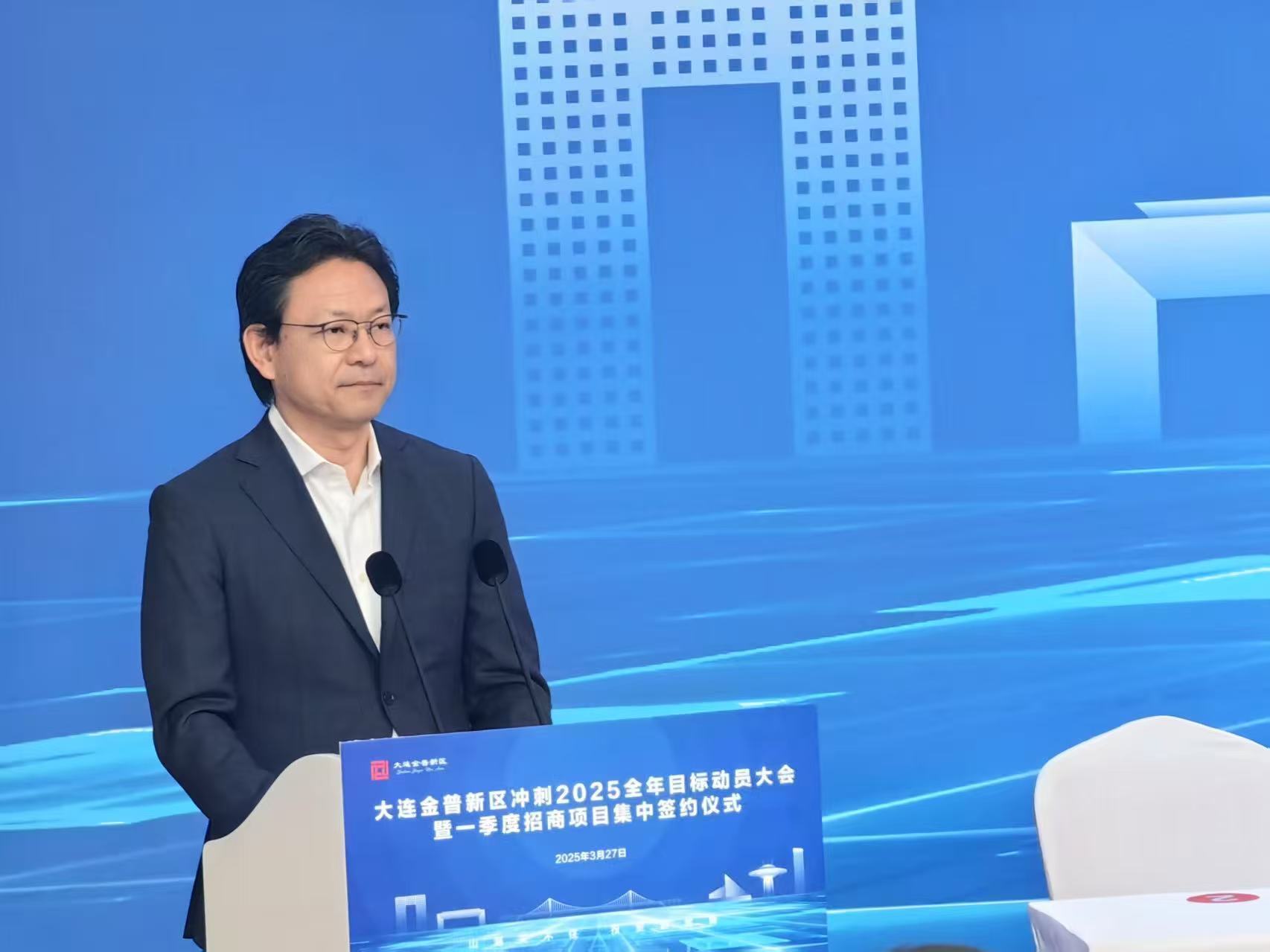
Dalian Sakabe was invited to participate in the Dalian investment promotion project ceremony
On March 27, 2025, Dalian Sakabe, as an advanced foreign-funded enterprise in Dalian, was invited to participate in the investment promotion project ceremony of Dalian China.
2025/04/01
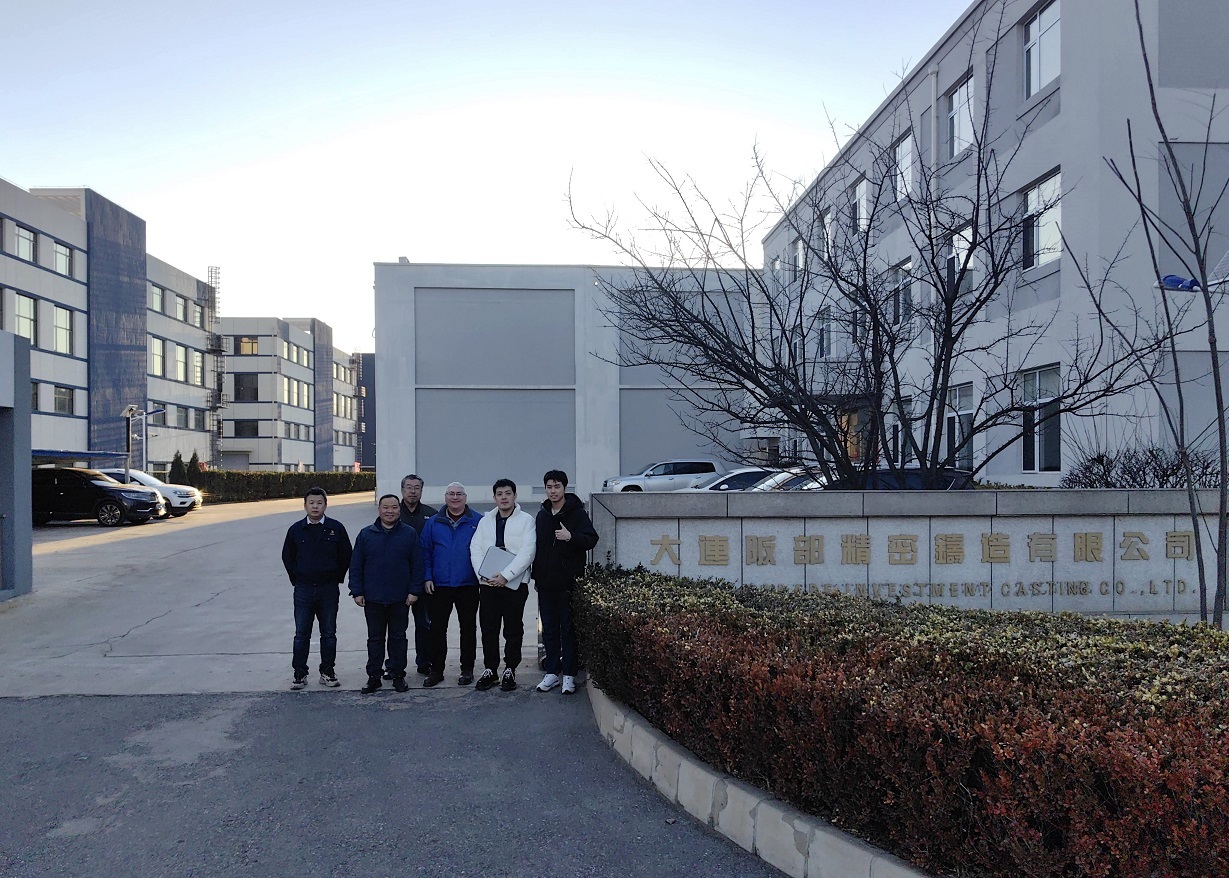
It is pleased that partner NME come to visit us Sakabe foundry
It is pleased that partner NME come to visit us Sakabe foundry. We share the same philosophy about quality standards, product positioning, environmental protection, and sustainable development. It's lucky to meet like-minded partners!
2025/02/19
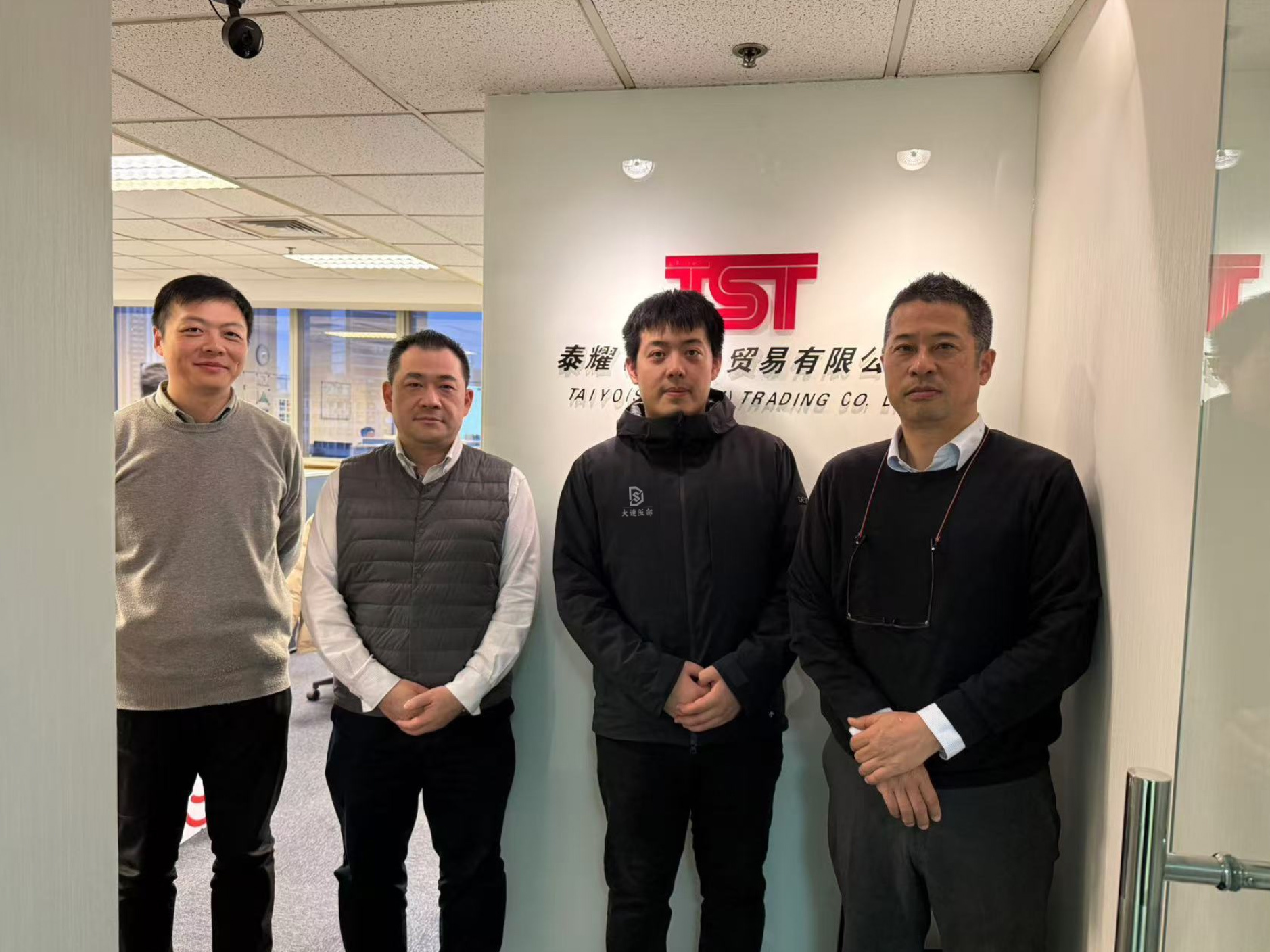
Great meeting with partner in Shanghai
Dalian Sakabe paying visit to our partner TST in Shanghai. Had discussions and plans for long term co-operation. Great thanks for your support!
2025/01/02
CONTACT US
Tel: +86 136-5494-1611
E-mail: alexzheng@sakabe.cn
Office Address:
No.18 Dongbei Qi Street, Jinpu New Area, Dalian, Liaoning, China
Factory Address:
No.26 Fuan Street, Jinpu New Area, Dalian, Liaoning, China
