


Exploring the Latest Innovations in Food Machinery Parts Casting for Enhanced Efficiency
1. Introduction to Food Machinery Parts Casting
Food machinery parts casting plays a **pivotal role** in the food processing industry, providing essential components that ensure operational efficiency and product safety. As the demand for processed food continues to grow, innovations in casting techniques and materials have emerged, enabling manufacturers to produce high-quality, reliable machinery. This article explores the latest advancements in food machinery parts casting, focusing on innovative technologies, materials, sustainability practices, and future trends that are shaping the industry.
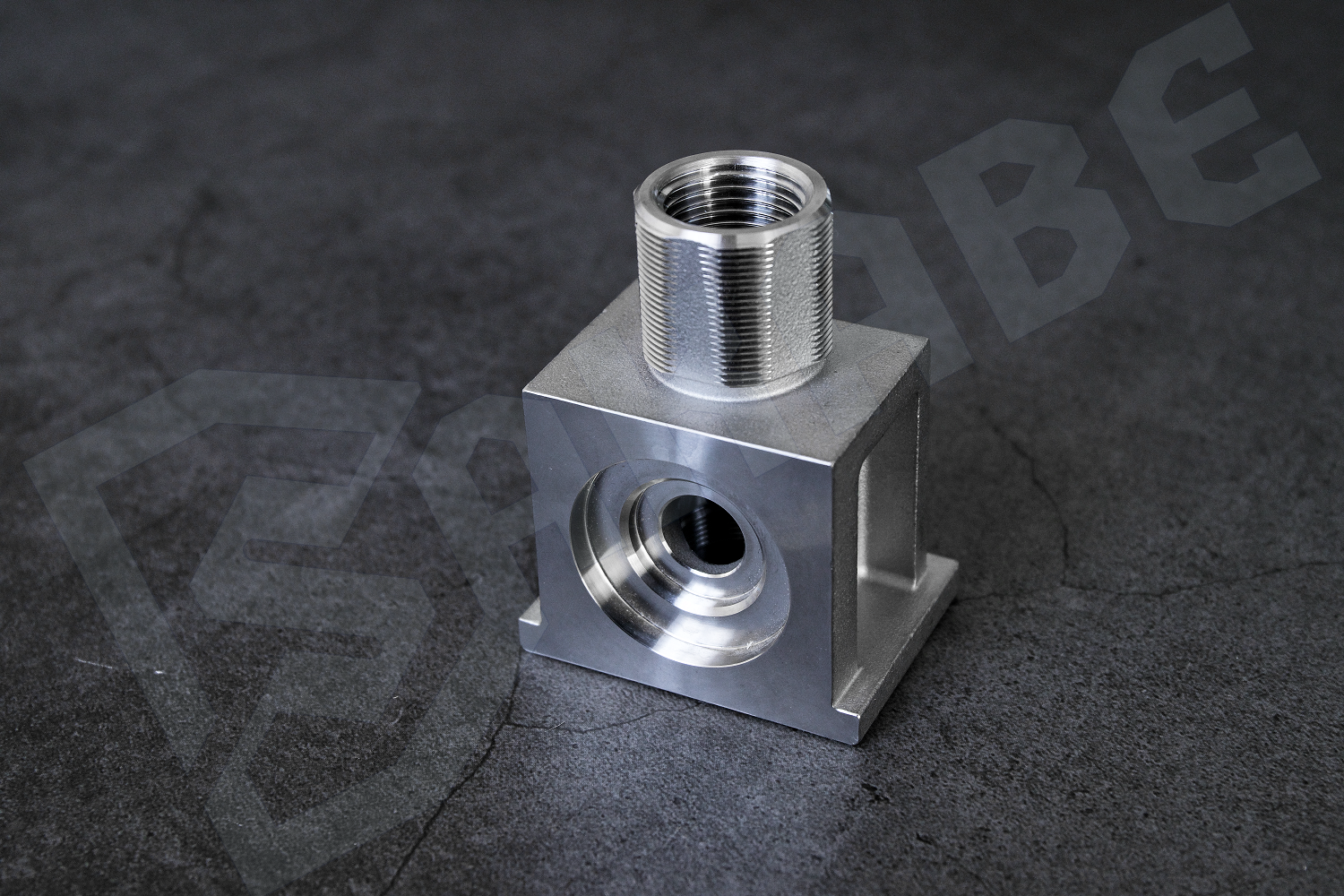
2. Importance of Innovations in Food Machinery Parts
The food industry is continuously evolving, driven by consumer demands for quality, safety, and sustainability. Innovations in food machinery parts casting are crucial for several reasons:
2.1. Enhanced Efficiency
Modern casting techniques allow for the **production of parts** that are not only durable but also designed for optimal performance, significantly enhancing production efficiency.
2.2. Improved Food Safety
Innovative casting methods reduce the risk of contamination by producing smoother surfaces and minimizing the accumulation of residues, thus ensuring compliance with food safety regulations.
2.3. Cost Reduction
By adopting advanced casting techniques, manufacturers can lower production costs through reduced material waste and enhanced manufacturing speed.
3. Latest Technologies in Food Machinery Parts Casting
Recent technological advancements have revolutionized the casting process in the food machinery industry. These innovations include:
3.1. 3D Printing Technology
3D printing, or additive manufacturing, is transforming the food machinery parts casting landscape. This technology enables the **rapid prototyping** of parts, allowing manufacturers to create complex geometries that were previously impossible to achieve. Moreover, it reduces the lead time for production and enables customization based on specific client requirements.
3.2. Investment Casting Techniques
Investment casting, also known as lost-wax casting, has gained popularity in food machinery parts manufacturing. This method produces intricate designs with high precision and a smooth surface finish, minimizing the need for additional machining processes.
3.3. Robotic Automation in Casting
The integration of robotics in the casting process enhances efficiency and accuracy. Robots can perform repetitive tasks faster and more precisely than human workers, reducing the likelihood of errors and improving overall production rates.
4. Advanced Materials in Food Machinery Parts Casting
The selection of materials in food machinery parts casting is critical to ensuring durability and performance. Recent innovations in materials include:
4.1. High-Performance Alloys
The use of high-performance alloys, such as stainless steel and aluminum, is on the rise. These materials offer excellent corrosion resistance and strength, making them ideal for food processing environments where hygiene and durability are paramount.
4.2. Biodegradable Materials
With growing environmental concerns, the industry is exploring biodegradable materials for casting. These materials minimize the ecological footprint of food machinery parts, aligning with sustainability goals while maintaining performance standards.
5. Sustainability in Food Machinery Parts Manufacturing
Sustainability is becoming increasingly important in the food machinery industry. Innovations aimed at reducing environmental impact include:
5.1. Energy-Efficient Casting Processes
Manufacturers are adopting energy-efficient practices, such as induction heating and innovative cooling methods, to reduce energy consumption during the casting process.
5.2. Recycling and Reuse of Materials
The adoption of recycling practices in material selection and processing helps minimize waste. By reusing scrap materials, manufacturers can significantly reduce costs and their environmental footprint.
6. Compliance and Regulatory Standards
Compliance with food safety regulations is essential in the food machinery industry. Innovations in casting must align with standards set by organizations such as the FDA and USDA. Manufacturers must ensure that their processes and materials meet these stringent guidelines to guarantee the safety and quality of food products.
7. Challenges in Food Machinery Parts Casting Innovations
Despite the advancements in food machinery parts casting, several challenges persist:
7.1. High Initial Investment
The implementation of new technologies often requires significant initial investment, which can be a barrier for smaller manufacturers.
7.2. Skill Gaps in the Workforce
The rapid pace of technological change demands a skilled workforce proficient in modern casting techniques, which may not be readily available.
7.3. Balancing Cost and Quality
Manufacturers face the challenge of balancing production costs with the need for high-quality, reliable parts, which is vital in maintaining competitive advantage.
8. Future Trends in Food Machinery Parts Casting
The future of food machinery parts casting is bright, with several emerging trends expected to shape the industry:
8.1. Increased Automation
As automation technology continues to advance, we can expect a rise in fully automated casting lines, further enhancing efficiency and reducing labor costs.
8.2. Smart Manufacturing
The integration of IoT (Internet of Things) technologies will enable manufacturers to monitor casting processes in real-time, leading to improved quality control and predictive maintenance.
8.3. Continued Focus on Sustainability
The drive for sustainable practices will continue to influence material selection and manufacturing processes, with an emphasis on reducing waste and energy consumption.
The landscape of food machinery parts casting is undergoing significant transformation, driven by technological advancements and the pressing need for sustainability. As we explore the latest innovations, it becomes clear that these developments not only enhance efficiency but also improve food safety and reduce environmental impact. By staying ahead of these trends, manufacturers can ensure they remain competitive in an ever-evolving industry, meeting the demands of consumers and regulatory bodies alike. Embracing these innovations is not just a strategy for growth, but a commitment to quality and sustainability in the food machinery sector.

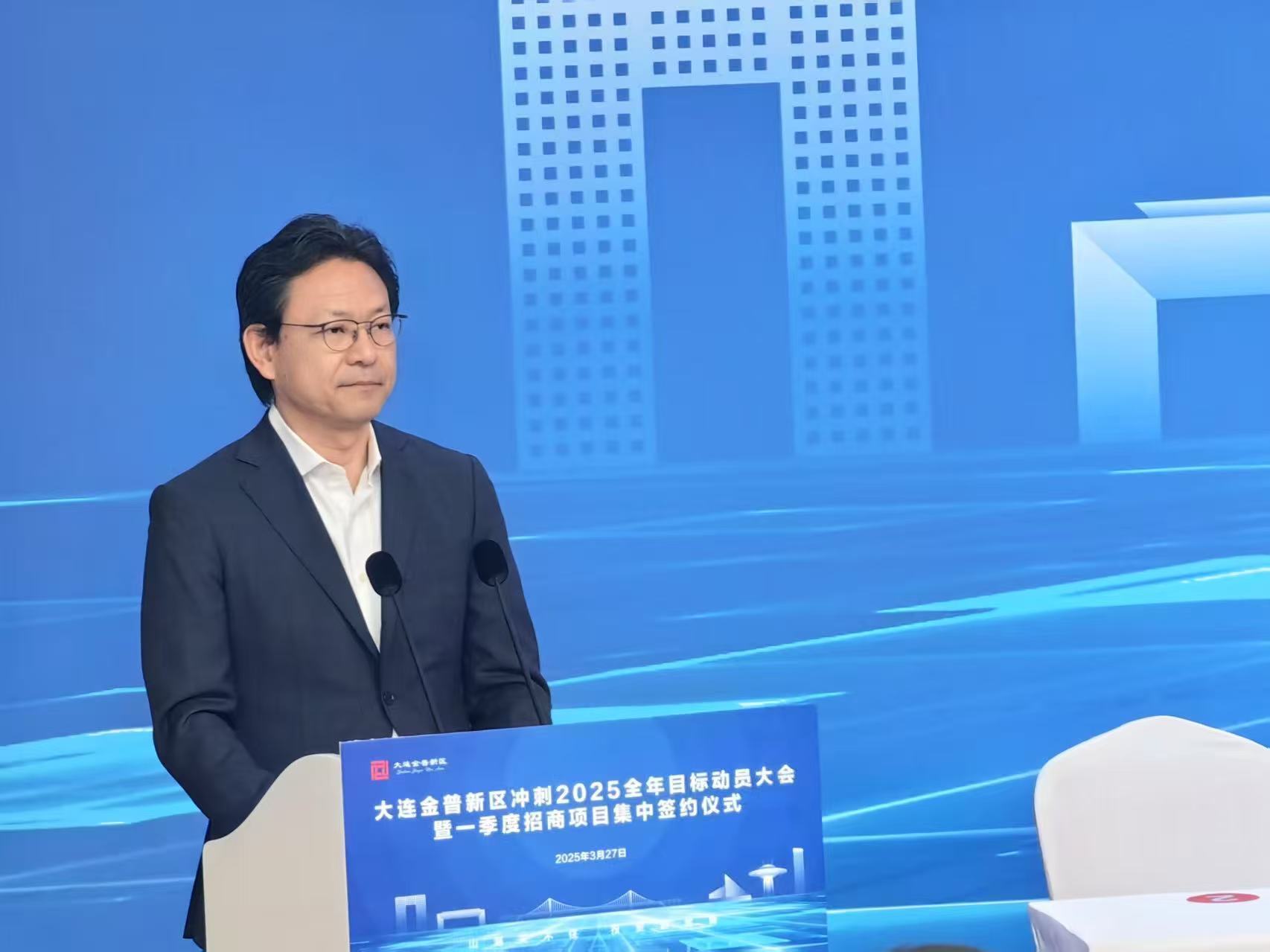
Dalian Sakabe was invited to participate in the Dalian investment promotion project ceremony
On March 27, 2025, Dalian Sakabe, as an advanced foreign-funded enterprise in Dalian, was invited to participate in the investment promotion project ceremony of Dalian China.
2025/04/01
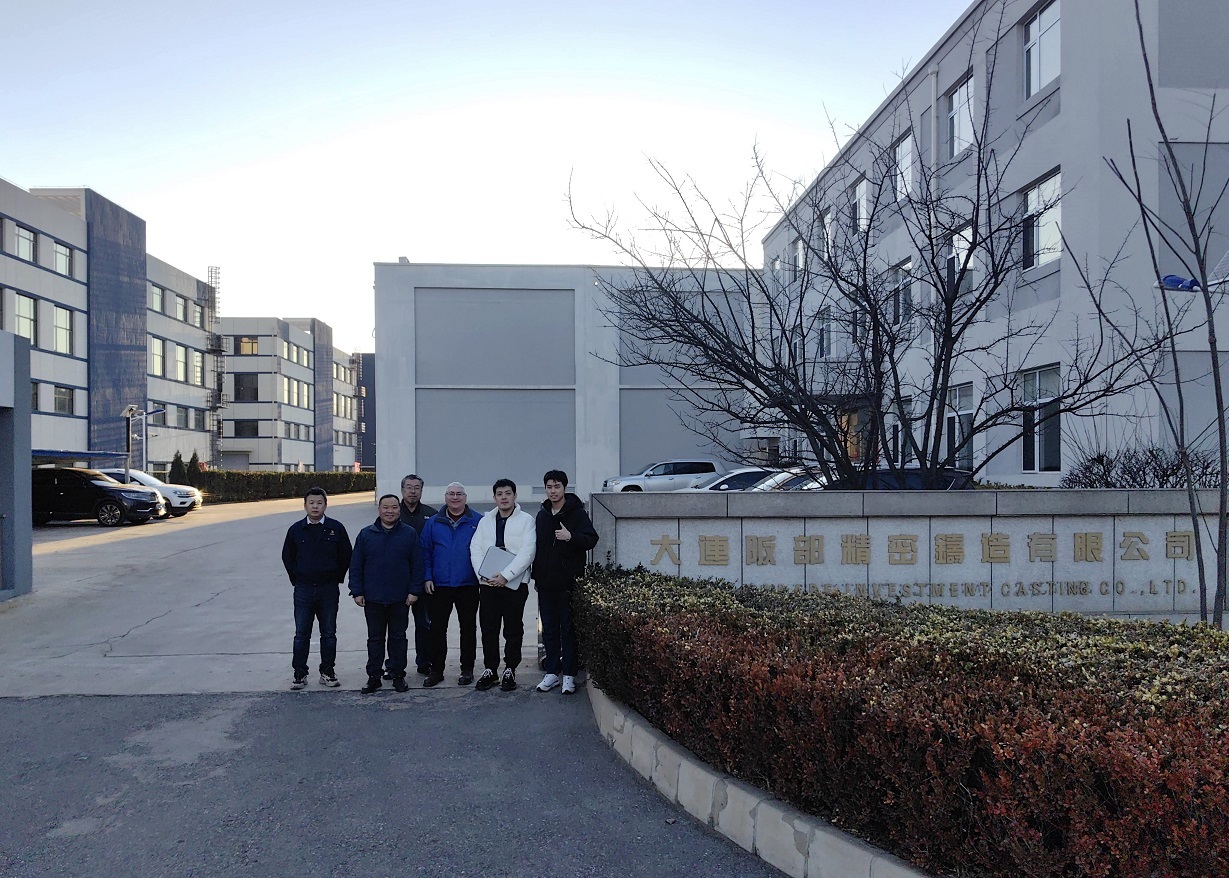
It is pleased that partner NME come to visit us Sakabe foundry
It is pleased that partner NME come to visit us Sakabe foundry. We share the same philosophy about quality standards, product positioning, environmental protection, and sustainable development. It's lucky to meet like-minded partners!
2025/02/19
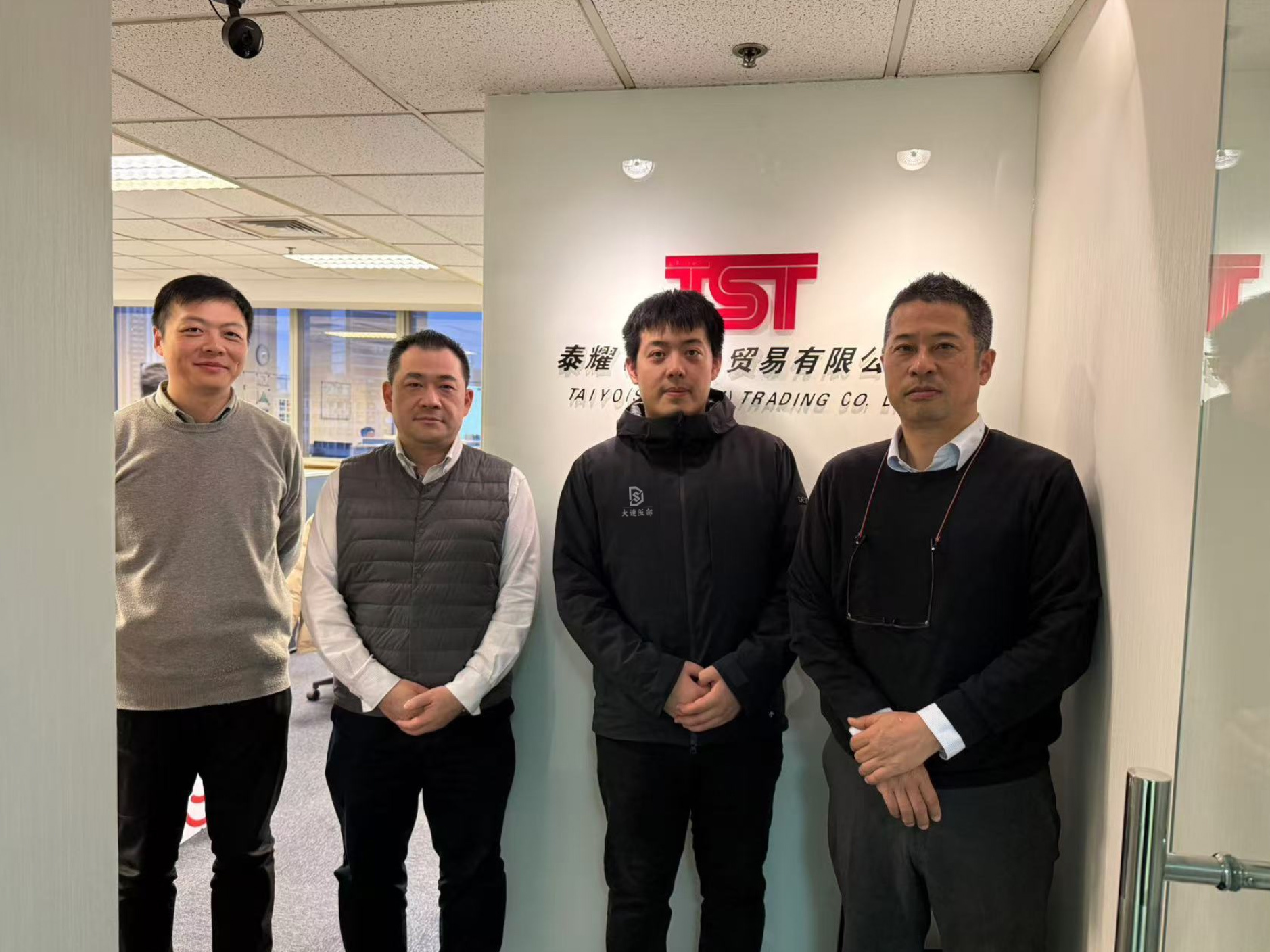
Great meeting with partner in Shanghai
Dalian Sakabe paying visit to our partner TST in Shanghai. Had discussions and plans for long term co-operation. Great thanks for your support!
2025/01/02
CONTACT US
Tel: +86 136-5494-1611
E-mail: alexzheng@sakabe.cn
Office Address:
No.18 Dongbei Qi Street, Jinpu New Area, Dalian, Liaoning, China
Factory Address:
No.26 Fuan Street, Jinpu New Area, Dalian, Liaoning, China
