


What Are the Advantages of Precision Machining of Textile Machine Parts
In the competitive landscape of textile manufacturing, efficiency is paramount. Customized Precision machining of textile machine parts has emerged as a pivotal factor in enhancing productivity and ensuring the reliability of textile machinery. This technology enables manufacturers to produce highly tailored components that meet specific operational requirements, leading to improved performance and reduced downtime.
The Benefits of Customized Precision Machining
Customized precision machining offers numerous advantages that significantly impact textile machinery manufacturing. Understanding these benefits can help businesses make informed decisions about their production processes.
Enhanced Performance and Reliability
Precision machining ensures that each component is manufactured to exact specifications, thereby enhancing the overall performance of textile machinery. Reliable parts reduce the risk of breakdowns and maintenance needs, allowing for uninterrupted production.
Cost Efficiency
While the initial investment in customized machining may seem high, the long-term savings are substantial. Reduced material waste, lower labor costs, and decreased machine downtime contribute to overall cost efficiency. Custom parts can also lead to longer-lasting machinery, reducing the frequency of replacements.
Flexibility and Adaptability
The textile industry is dynamic, with changing designs and patterns. Customized precision machining allows manufacturers to adapt quickly to market demands, producing short runs of unique parts without significant delays or costs.
Key Techniques in Precision Machining for Textile Machinery
Several key techniques are employed in precision machining that enhance the production of textile machinery components. These methods are critical for achieving the desired accuracy and quality.
CNC Machining: Precision at Its Finest
Computer Numerical Control (CNC) machining is one of the most advanced and widely used methods in precision machining. CNC machines can produce intricate designs with a high degree of accuracy, making them ideal for creating complex components used in textile machinery. By automating the machining process, CNC technology minimizes human error and speeds up production times.
3D Printing: Innovating Design and Production
3D printing is revolutionizing the way textile machinery parts are produced. This technology allows for rapid prototyping, enabling manufacturers to quickly develop and test new designs. Additionally, 3D printing reduces material waste, making it an eco-friendly option for component production.
Choosing the Right Materials for Textile Machinery
The choice of materials is crucial in precision machining. Textile machinery components must withstand various stresses and environmental conditions. Common materials used include:
- Aluminum: Lightweight and durable, aluminum is often used in components that require high strength-to-weight ratios.
- Steel : Known for its toughness, steel is a popular choice for components that bear significant loads.
- Plastic Composites : These materials are becoming increasingly popular due to their resistance to corrosion and chemical exposure.
Selecting the right material ensures that the machinery operates efficiently and withstands wear and tear.
The Role of Technology in Precision Machining
Technological advancements play a crucial role in enhancing the capabilities of precision machining. From sophisticated software that improves design accuracy to innovative machinery that increases production speed, technology is at the forefront of transforming textile manufacturing.
Automation and Robotics
The integration of automation and robotics into the machining process has led to significant improvements in efficiency. Automated systems can operate continuously, reducing labor costs and increasing output.
Data Analytics
Utilizing data analytics allows manufacturers to monitor their machining processes in real-time, identifying areas for improvement. This data-driven approach enables proactive maintenance and enhances overall operational efficiency.
Quality Control in Customized Machining
Maintaining high-quality standards is essential in precision machining. Implementing rigorous quality control measures helps ensure that each component meets the required specifications. Techniques include:
- Inspection: Regular inspections using advanced measuring tools ensure that components conform to design requirements.
- Testing : Functional testing of components under real-world conditions verifies their performance and reliability.
Quality control not only enhances product reliability but also builds trust with clients in the textile industry.
Case Studies: Success Stories in Textile Machinery
Examining real-life case studies of companies that have successfully implemented customized precision machining can provide valuable insights into best practices and potential benefits.
Case Study 1: Optimizing Production with CNC Machining
A leading textile machinery manufacturer adopted CNC machining for their component production. By transitioning from traditional machining methods, they reduced production time by 30% and improved part accuracy, resulting in fewer defects and increased customer satisfaction.
Case Study 2: Innovative Solutions with 3D Printing
Another company leveraged 3D printing to produce unique textile machine components. This innovation allowed them to rapidly prototype new designs, resulting in a faster time-to-market and the ability to respond quickly to customer needs.
The Future of Customized Precision Machining in Textile Machinery
The future of customized precision machining in the textile industry looks promising. As technology continues to evolve, manufacturers can expect even greater advancements in production methods, materials, and automation.
Emerging Trends
- Sustainability: As the industry shifts towards more sustainable practices, precision machining processes will evolve to minimize environmental impact.
- Smart Machines: The integration of IoT technology will enable machines to communicate and optimize processes autonomously, further enhancing productivity.
Customized precision machining of textile machine parts is a game-changer for the textile machinery industry. By embracing advanced techniques and technologies, manufacturers can unlock new levels of efficiency, reliability, and innovation. As the landscape continues to evolve, staying informed about the latest advancements will be crucial for businesses looking to maintain a competitive edge. Investing in precision machining not only enhances operational capabilities but also positions companies for future success in the dynamic world of textile manufacturing.

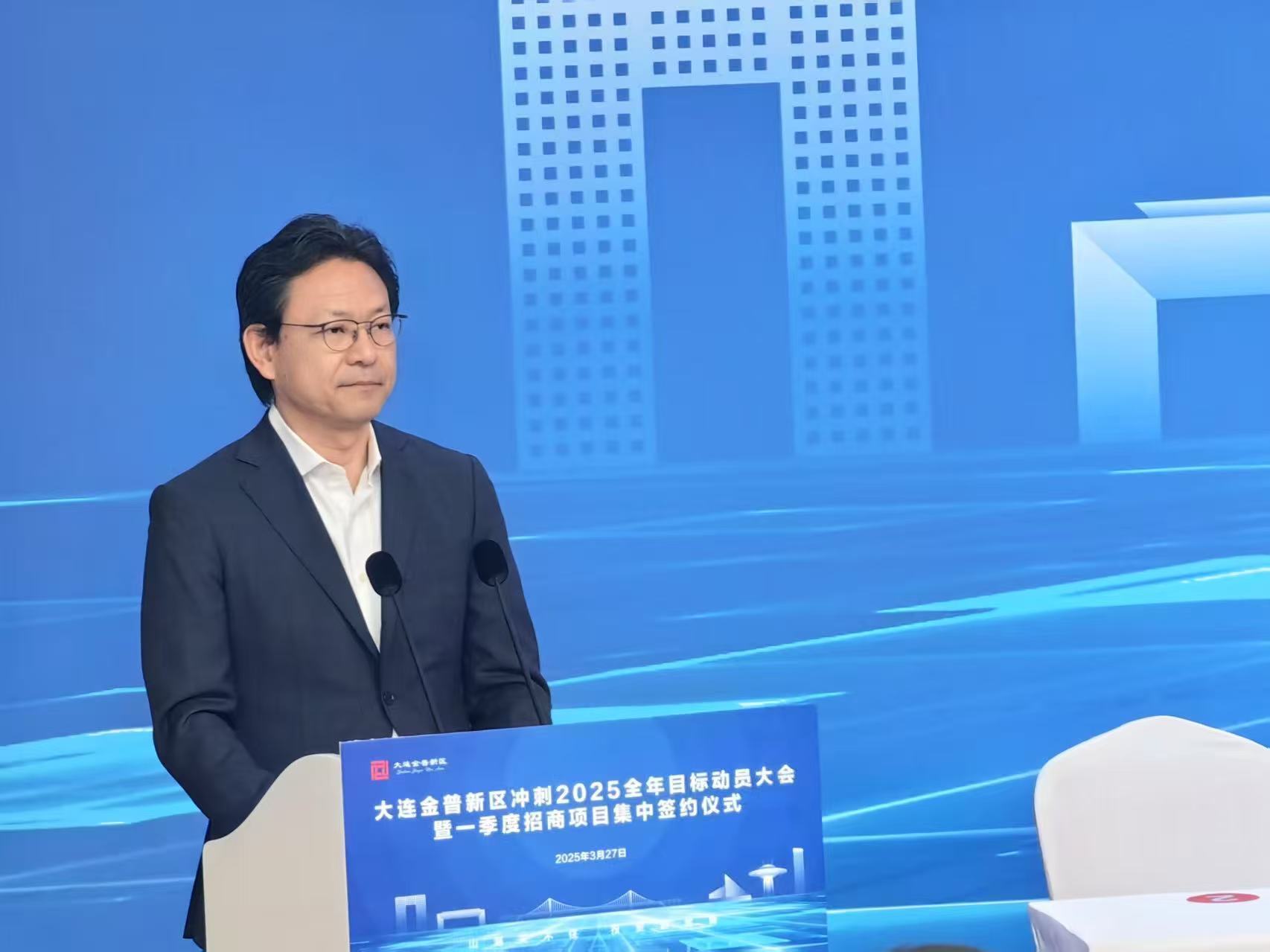
Dalian Sakabe was invited to participate in the Dalian investment promotion project ceremony
On March 27, 2025, Dalian Sakabe, as an advanced foreign-funded enterprise in Dalian, was invited to participate in the investment promotion project ceremony of Dalian China.
2025/04/01
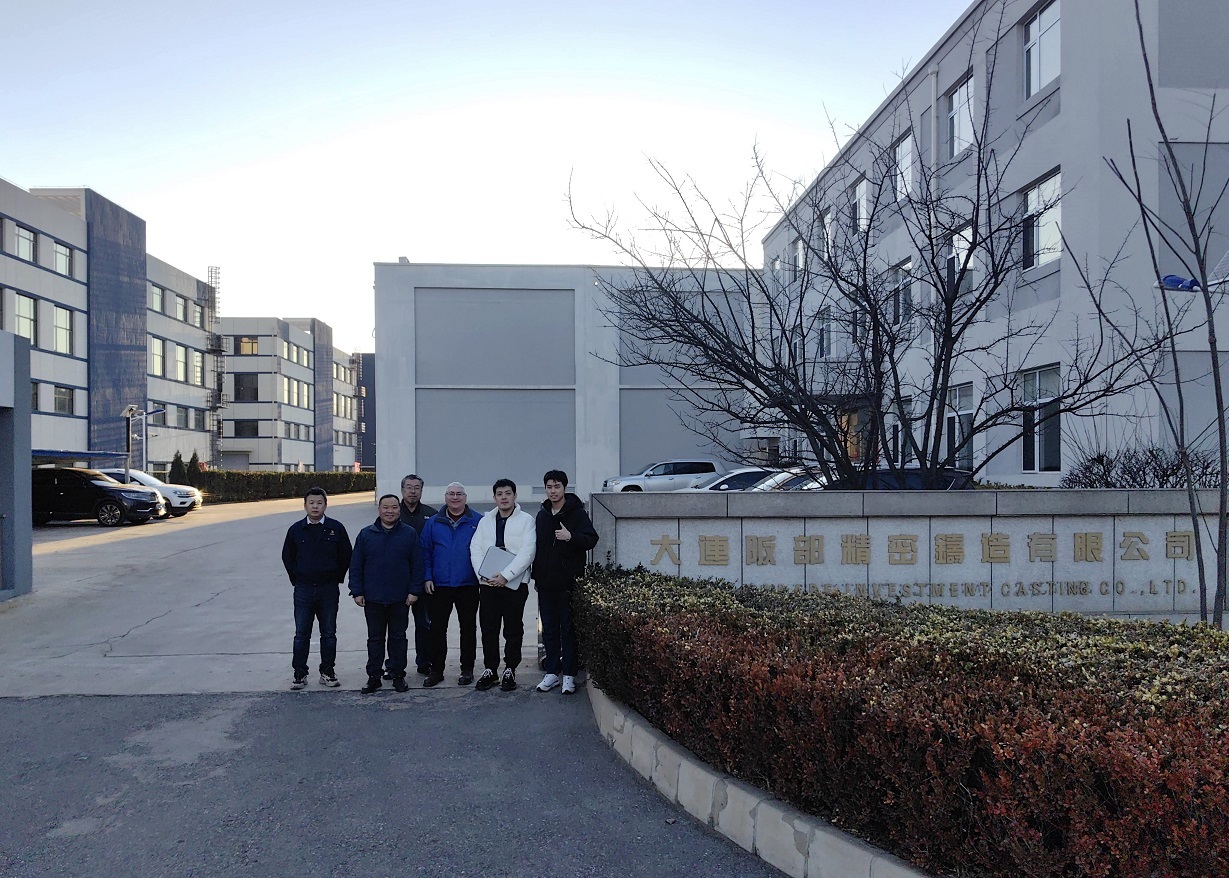
It is pleased that partner NME come to visit us Sakabe foundry
It is pleased that partner NME come to visit us Sakabe foundry. We share the same philosophy about quality standards, product positioning, environmental protection, and sustainable development. It's lucky to meet like-minded partners!
2025/02/19
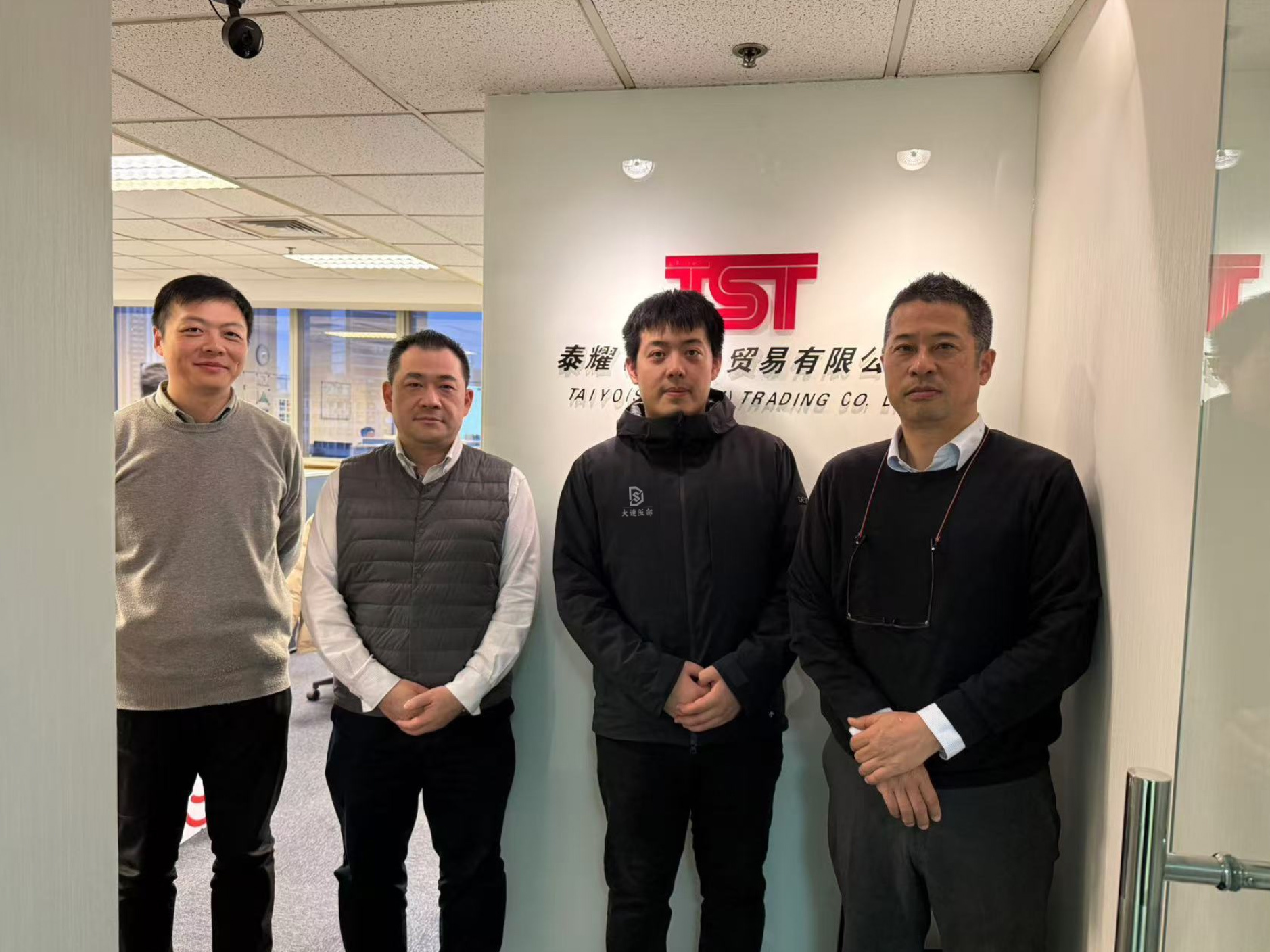
Great meeting with partner in Shanghai
Dalian Sakabe paying visit to our partner TST in Shanghai. Had discussions and plans for long term co-operation. Great thanks for your support!
2025/01/02
CONTACT US
Tel: +86 136-5494-1611
E-mail: alexzheng@sakabe.cn
Office Address:
No.18 Dongbei Qi Street, Jinpu New Area, Dalian, Liaoning, China
Factory Address:
No.26 Fuan Street, Jinpu New Area, Dalian, Liaoning, China
