

The Essential Guide to Dewax Casting in Fluid Chemical Equipment Manufacturing
1. Introduction to Dewax Casting
Dewax casting, also known as lost wax casting, is a sophisticated manufacturing technique widely used in the production of intricate metal components. This method is particularly relevant in the fluid chemical equipment manufacturing sector, where precision and quality are paramount. In dewax casting, a wax pattern is initially created, which is later coated with a ceramic shell. Once the shell is formed, the wax is melted away, leaving behind a cavity that is then filled with molten metal. This process enables manufacturers to produce complex shapes and designs that would be challenging to achieve through traditional casting methods.
2. The Importance of Dewax Casting in Manufacturing
The dewax casting technique holds significant importance in various sectors, especially in fluid chemical equipment manufacturing. It allows for:
- **High Precision**: The ability to create intricate details and fine tolerances.
- **Material Versatility**: Compatibility with a wide range of metals and alloys, enabling customization.
- **Reduced Waste**: The process minimizes material waste compared to other casting methods, contributing to more sustainable practices.
By employing dewax casting, manufacturers can enhance their production capabilities and meet the increasing demands of complex fluid equipment components.
3. The Dewax Casting Process
The dewax casting process is a multi-step procedure that requires careful attention to detail. Here’s a breakdown of the steps involved:
Step 1: Pattern Creation
The first step involves creating a wax pattern of the desired part. This pattern is often made through injection molding or 3D printing to ensure precision.
Step 2: Shell Building
Once the wax pattern is ready, it is coated with a fine sand and ceramic mixture to form a shell. This shell is then heated to harden and bond the material.
Step 3: Wax Removal
The shell is heated further to melt and drain the wax, leaving a hollow cavity that replicates the original pattern.
Step 4: Metal Pouring
With the wax removed, molten metal is poured into the cavity. The metal fills the space, taking on the shape of the original design.
Step 5: Shell Removal and Finishing
After the metal has cooled and solidified, the ceramic shell is broken away, revealing the final cast part. This part may undergo additional finishing processes to achieve the desired surface quality.
4. Materials Used in Dewax Casting
The success of dewax casting largely depends on the materials utilized. The key components include:
Wax Patterns
The wax used for creating patterns must have a low melting point and good dimensional stability. Common materials include paraffin wax and microcrystalline wax.
Ceramic Shells
The shell material must withstand high temperatures during the metal pouring stage. Typically, a mixture of silica sand and ceramic binders is used to form a robust shell.
Metals and Alloys
Various metals can be cast using dewax techniques, including aluminum, brass, steel, and stainless steel. The choice of metal depends on the application and desired properties of the final product.
5. Advantages of Dewax Casting
Dewax casting offers numerous advantages that make it a preferred choice for manufacturers:
- **Complex Geometries**: The technique allows for the production of intricate designs that are difficult to achieve with traditional methods.
- **Cost-Effective for Small Runs**: While the initial setup may be higher, dewax casting is cost-effective for small to medium production runs due to reduced waste and high precision.
- **Excellent Surface Finish**: The process typically results in superior surface finishes, reducing the need for extensive post-processing.
6. Applications of Dewax Casting in Fluid Chemical Equipment
Dewax casting is extensively used in the fluid chemical equipment industry. Some notable applications include:
Pumps and Valves
These components require high precision to function effectively, making dewax casting an ideal choice for their production.
Heat Exchangers
The intricate designs of heat exchangers benefit from the capabilities of dewax casting, ensuring optimal performance in fluid transfer.
Instrumentation Parts
Components such as sensors and gauges, which require accuracy, are often manufactured using this casting technique.
7. Challenges in Dewax Casting
Despite its many benefits, dewax casting is not without challenges:
Temperature Control
Maintaining the right temperature during the wax removal and metal pouring stages is crucial for ensuring quality. Any fluctuations can lead to defects.
Shell Integrity
Ensuring the ceramic shell remains intact during the pouring process is vital. Any cracks or weaknesses can result in casting failures.
8. Future Trends in Dewax Casting
As technology continues to advance, the dewax casting process is expected to evolve. Key trends include:
Automation
Incorporating automation into the dewax casting process can enhance efficiency and reduce human error, leading to more consistent results.
3D Printing Integration
The use of 3D printing for creating wax patterns is on the rise, allowing for even greater design flexibility and reducing lead times.
Dewax casting is an essential process in fluid chemical equipment manufacturing, offering unparalleled precision and versatility. As industries progress and demands for complex components rise, this technique will continue to play a pivotal role. Understanding the intricacies of dewax casting allows manufacturers to harness its benefits effectively, ensuring high-quality and reliable products. By staying abreast of emerging trends and overcoming existing challenges, businesses can position themselves for success in a competitive landscape. Embracing dewax casting technology will undoubtedly yield significant advantages in the manufacturing of fluid chemical equipment.

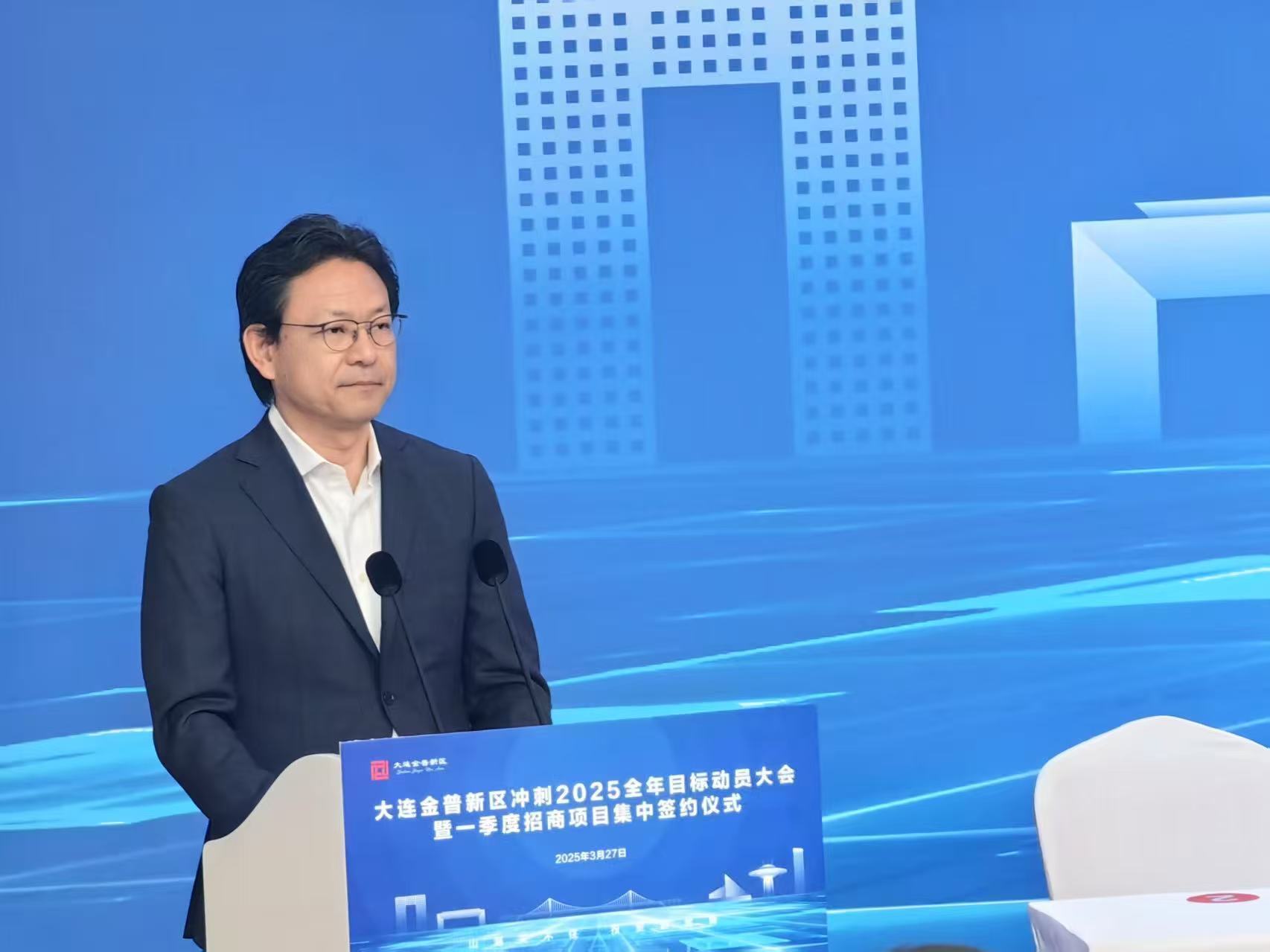
Dalian Sakabe was invited to participate in the Dalian investment promotion project ceremony
On March 27, 2025, Dalian Sakabe, as an advanced foreign-funded enterprise in Dalian, was invited to participate in the investment promotion project ceremony of Dalian China.
2025/04/01
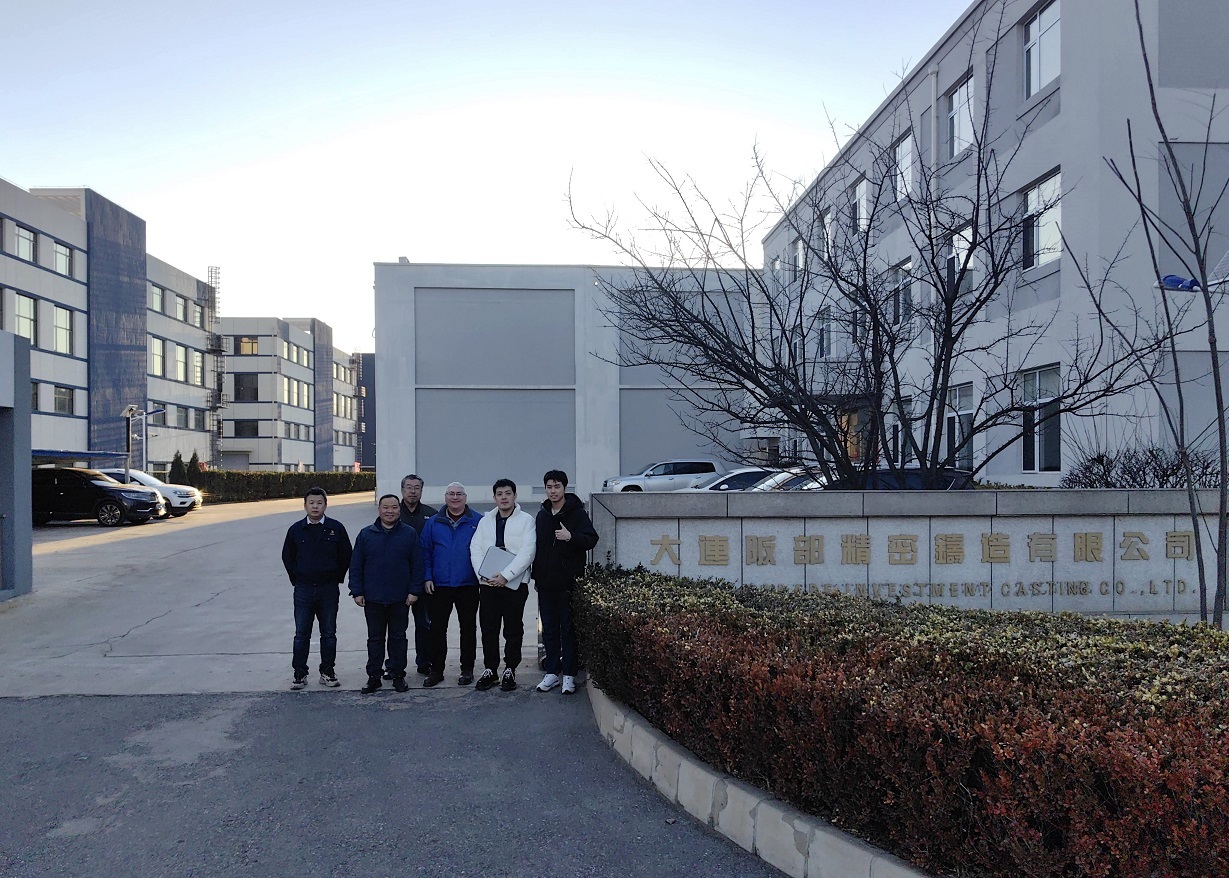
It is pleased that partner NME come to visit us Sakabe foundry
It is pleased that partner NME come to visit us Sakabe foundry. We share the same philosophy about quality standards, product positioning, environmental protection, and sustainable development. It's lucky to meet like-minded partners!
2025/02/19
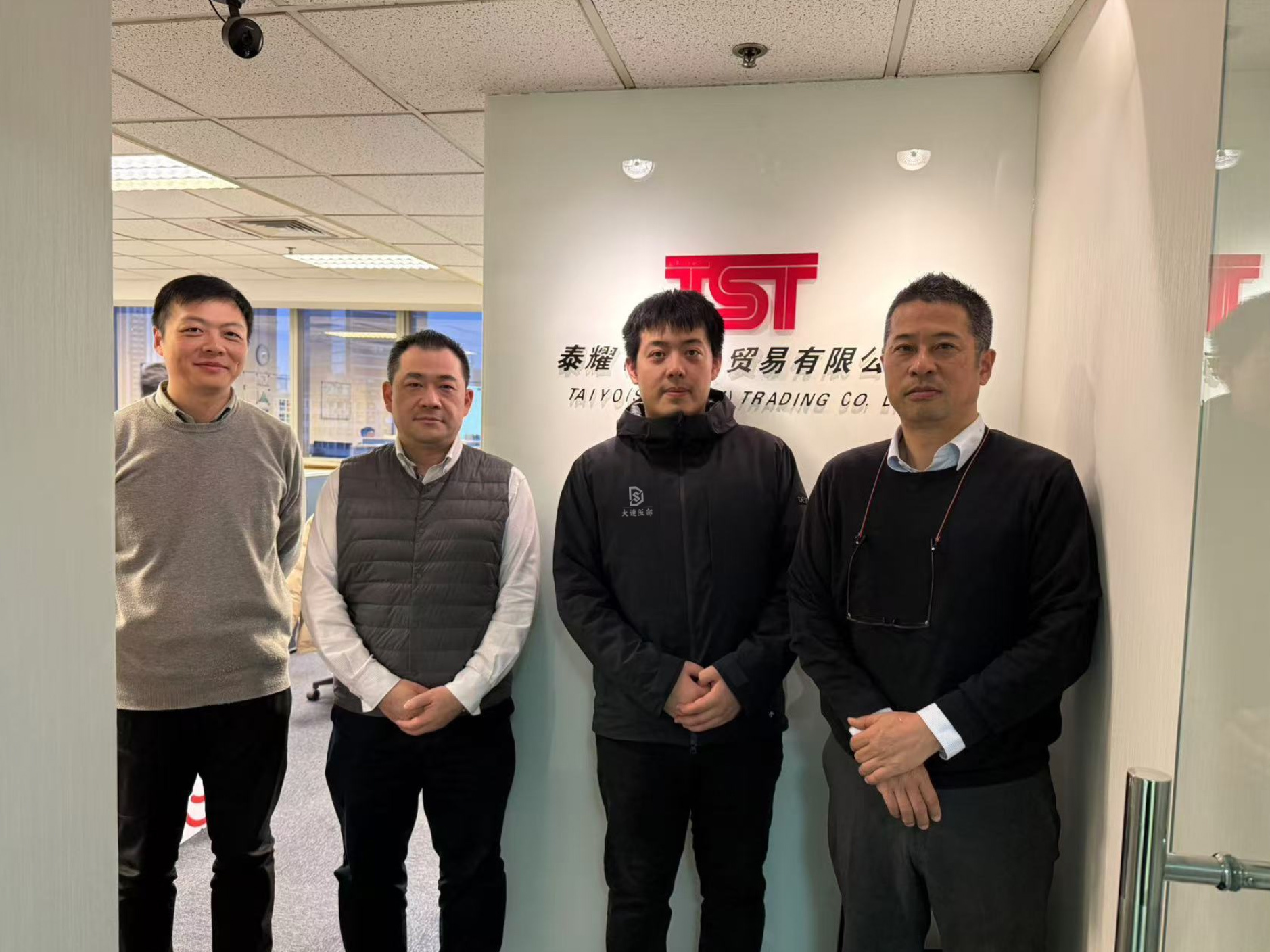
Great meeting with partner in Shanghai
Dalian Sakabe paying visit to our partner TST in Shanghai. Had discussions and plans for long term co-operation. Great thanks for your support!
2025/01/02
CONTACT US
Tel: +86 136-5494-1611
E-mail: alexzheng@sakabe.cn
Office Address:
No.18 Dongbei Qi Street, Jinpu New Area, Dalian, Liaoning, China
Factory Address:
No.26 Fuan Street, Jinpu New Area, Dalian, Liaoning, China
