


Introduction to Dewax Casting in Food Machinery Components
Dewax casting for food machinery parts, often referred to as lost wax casting, is a vital process in the manufacturing of intricate components, especially in the food machinery sector. This method allows for the creation of complex shapes and high-precision parts that are essential for the functioning of food processing equipment. As we delve into the nuances of dewax casting, we will explore its manufacturing significance, the advantages it brings to food machinery components, and why it has become a preferred choice in the industry.
Understanding Dewax Casting
Dewax casting is a precision casting process that involves creating a wax model of the desired component, which is then coated with a ceramic shell. Once the shell hardens, the wax is melted away, leaving a cavity in the shape of the component. This method allows for the production of complex geometries that are often challenging to achieve through traditional casting techniques.
The Process of Dewax Casting
The dewax casting process involves several key stages:
1. Creating the Wax Model
The journey begins with the creation of a wax model of the component. This model is crafted to precise specifications, ensuring that the final product will meet the necessary design criteria.
2. Shell Building
Once the wax model is ready, it is coated with a high-strength ceramic material to form a shell. This process typically involves multiple layers to ensure the shell's durability and ability to withstand high temperatures.
3. Dewaxing
After the shell has set, the wax is melted and drained away, typically using heat or steam. This is where the term "dewax" comes from, as it effectively removes the wax from the mold.
4. Metal Pouring
With the wax removed, molten metal is poured into the cavity left behind. This step requires precise temperature control to ensure that the metal flows properly and fills all areas of the mold, capturing the intricate details of the design.
5. Shell Removal and Finishing
Once the metal has cooled and solidified, the ceramic shell is broken away, revealing the cast component. The final stage involves finishing processes such as grinding, polishing, or machining to achieve the desired surface finish and dimensions.
The Importance of Dewax Casting for Food Machinery Components
In the food industry, the components used in machinery must meet stringent safety and quality standards. Dewax casting provides several advantages that make it an ideal method for producing these critical parts.
Precision and Detail
Dewax casting allows for the creation of highly detailed and intricate designs, ensuring that even the most complex components can be produced with precision. This is particularly important in food machinery, where the fit and finish of parts can directly impact the efficiency and safety of operations.
Material Versatility
One of the standout features of dewax casting is its compatibility with a wide range of metals and alloys. From stainless steel to aluminum, manufacturers can choose materials that best suit the operational needs of their machinery while ensuring food safety standards are met.
Enhanced Durability
Components produced through dewax casting often exhibit superior strength and durability. The process creates a uniform structure with fewer defects, leading to components that can withstand the rigors of food processing environments, including exposure to chemicals, moisture, and temperature fluctuations.
Applications of Dewax Casting in Food Machinery
Dewax casting has numerous applications within the food machinery sector, contributing to the production of various components used in equipment such as mixers, ovens, and packaging machines.
Food Processing Equipment
Parts such as blades, rotors, and pumps, which require precise engineering, benefit significantly from dewax casting. The ability to create complex geometries ensures that these components function efficiently and reliably.
Packaging Machines
In the packaging sector, components must be both robust and precise. Dewax casting allows for the production of intricate parts that can handle various packaging materials while maintaining operational integrity.
Cooking and Baking Equipment
In ovens and cookers, heat resistance and durability are paramount. Dewax casting produces components that can endure high temperatures while providing the necessary precision for even cooking or baking.
The Advantages of Choosing Dewax Casting
When selecting a casting method for food machinery components, dewax casting presents several key advantages.
Cost-Effectiveness
While the initial setup for dewax casting can be higher than traditional methods, the long-term benefits often outweigh the costs. The precision of the process reduces material waste and increases production efficiency, ultimately leading to lower overall costs.
Improved Surface Finish
Dewax casting typically results in a superior surface finish compared to other casting methods. This is crucial in the food industry, where cleanliness and hygiene are paramount, as smoother surfaces are easier to clean and maintain.
Lower Tolerances
The ability to achieve tighter tolerances with dewax casting means that components fit together more accurately, reducing the likelihood of mechanical failure during operation. This reliability is essential in high-stakes environments like food processing.
Best Practices for Implementing Dewax Casting
To maximize the benefits of dewax casting, manufacturers should adhere to best practices throughout the process.
Design Considerations
It is vital to design components with the dewax casting process in mind. This includes considering wall thickness, draft angles, and overall geometry to ensure that the casting can be produced efficiently and accurately.
Material Selection
Choose materials that are not only suitable for the specific application but also compatible with dewax casting. Stainless steel and high-temperature alloys are popular choices for their strength and resistance to corrosion.
Quality Control Measures
Implement thorough quality control checks at each stage of the dewax casting process. This includes inspecting the wax models, shell integrity, and final cast components to ensure they meet the required standards.
Challenges and Solutions in Dewax Casting
While dewax casting offers numerous advantages, it is not without its challenges. Addressing these issues proactively can enhance the manufacturing process.
Potential for Shrinkage
One challenge in dewax casting is the potential for shrinkage as the metal cools. To mitigate this, manufacturers should account for shrinkage in the design phase, ensuring that the final dimensions meet specifications.
Complexity in Shell Building
Building a strong, durable shell can be complicated. Utilizing advanced techniques and technologies can streamline the shell-building process, ensuring that the final product meets performance requirements.
Future Trends in Dewax Casting for Food Machinery
The future of dewax casting in the food machinery sector is bright, with several trends emerging that are likely to shape its evolution.
Integration of Technology
Advancements in 3D printing and digital modeling are set to revolutionize the dewax casting process. These technologies can enhance precision and efficiency, allowing for even more complex designs to be produced.
Sustainability Efforts
As the food industry moves toward more sustainable practices, dewax casting can play a role. By reducing waste and allowing for the use of recycled materials, manufacturers can align with environmental goals while maintaining high-quality production standards.
Dewax casting is an essential manufacturing process that significantly enhances the production of **food machinery components**. Its ability to create precise, intricate designs while ensuring durability makes it a favored choice in the food industry. By understanding the process, its applications, and the best practices associated with dewax casting, manufacturers can leverage its advantages to produce high-quality machinery that meets the stringent demands of food processing. As technology advances, the future of dewax casting appears promising, with opportunities for increased efficiency and sustainability paving the way for innovative developments in the food machinery sector.

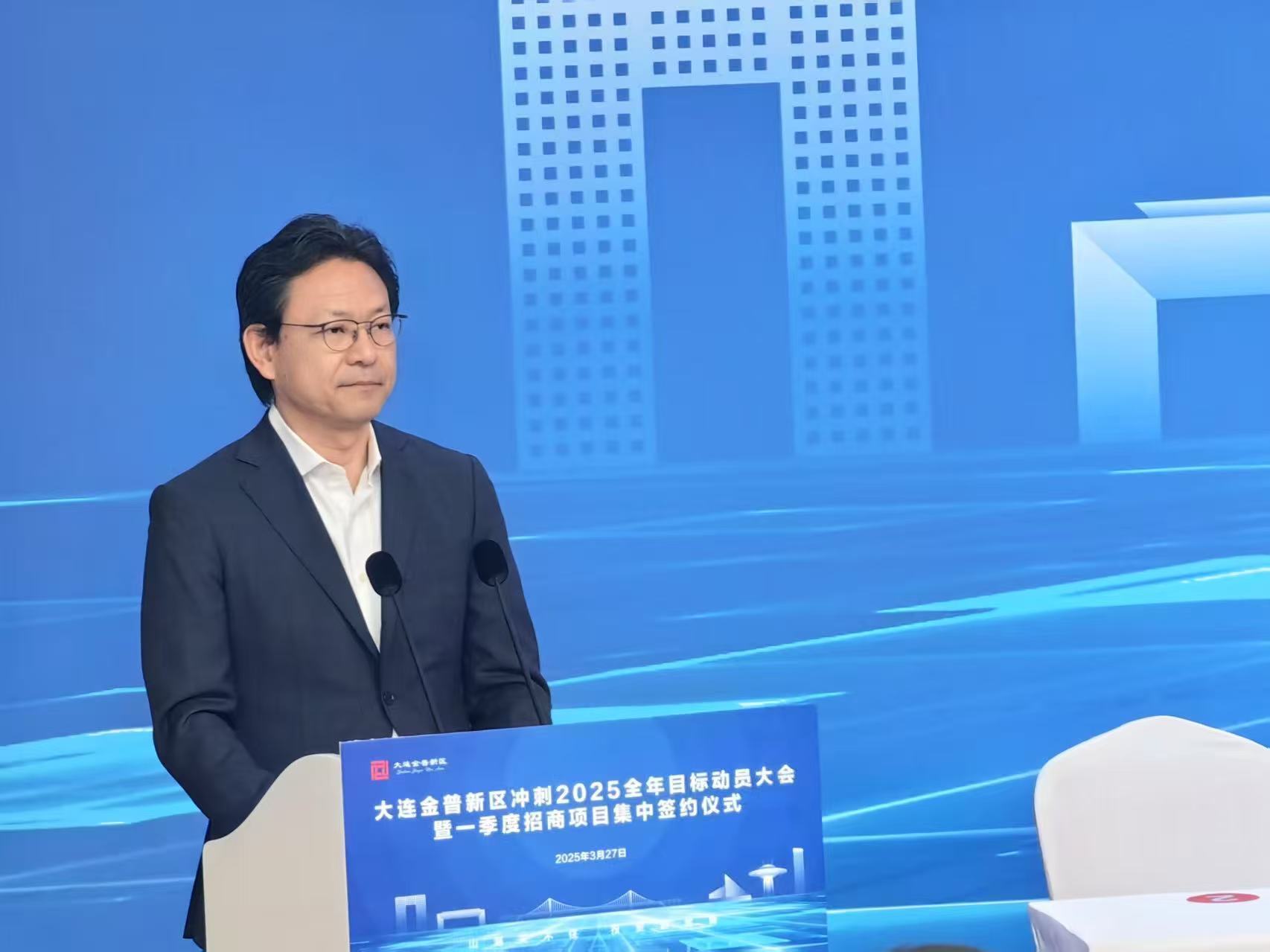
Dalian Sakabe was invited to participate in the Dalian investment promotion project ceremony
On March 27, 2025, Dalian Sakabe, as an advanced foreign-funded enterprise in Dalian, was invited to participate in the investment promotion project ceremony of Dalian China.
2025/04/01
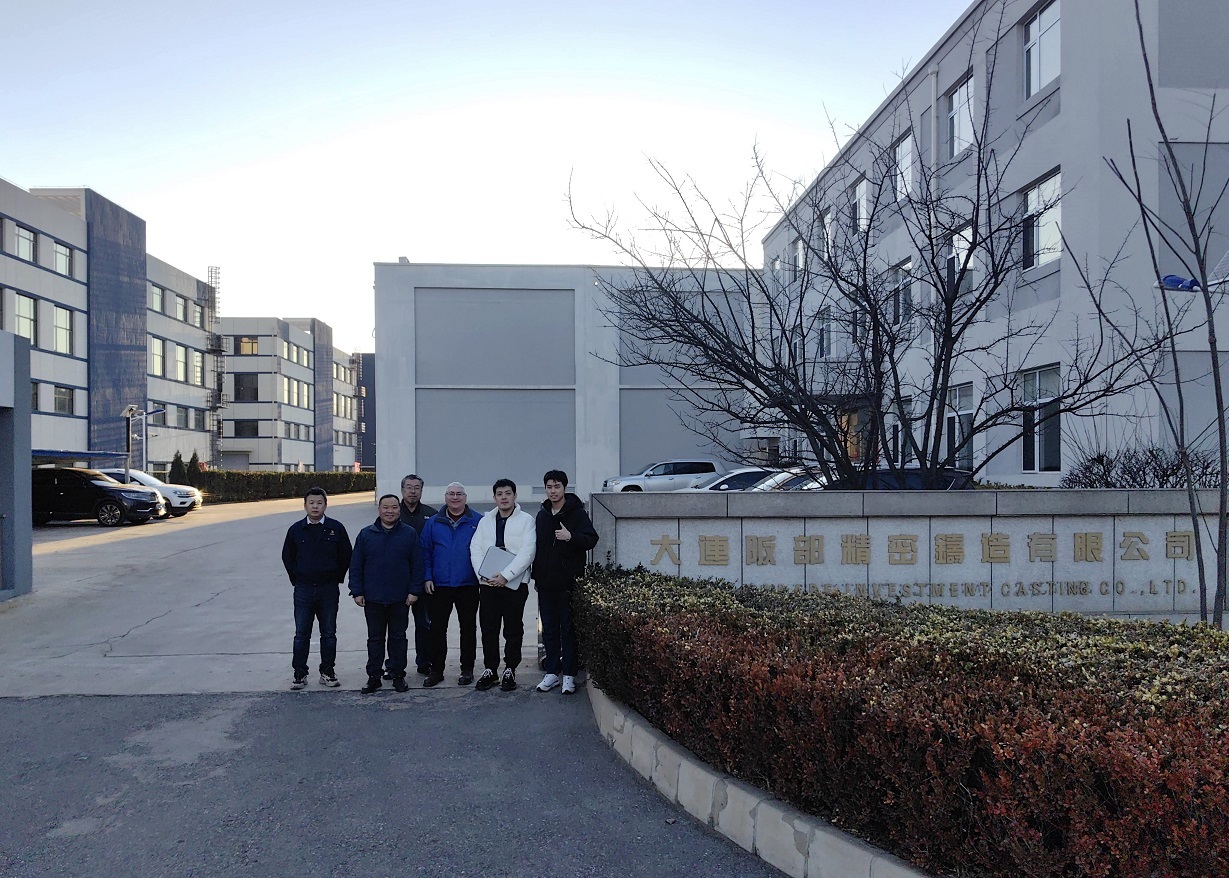
It is pleased that partner NME come to visit us Sakabe foundry
It is pleased that partner NME come to visit us Sakabe foundry. We share the same philosophy about quality standards, product positioning, environmental protection, and sustainable development. It's lucky to meet like-minded partners!
2025/02/19
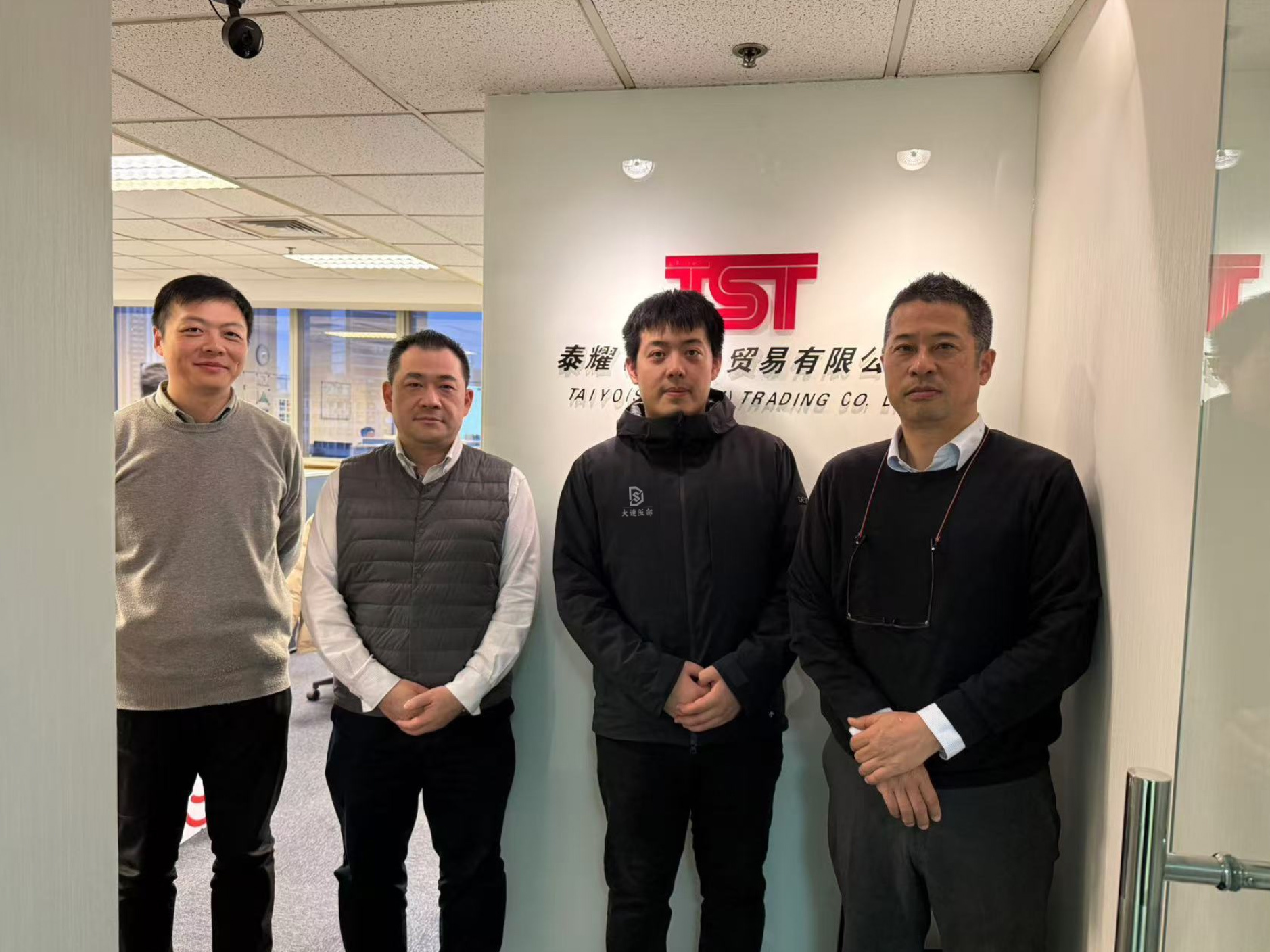
Great meeting with partner in Shanghai
Dalian Sakabe paying visit to our partner TST in Shanghai. Had discussions and plans for long term co-operation. Great thanks for your support!
2025/01/02
CONTACT US
Tel: +86 136-5494-1611
E-mail: alexzheng@sakabe.cn
Office Address:
No.18 Dongbei Qi Street, Jinpu New Area, Dalian, Liaoning, China
Factory Address:
No.26 Fuan Street, Jinpu New Area, Dalian, Liaoning, China
