


Why Precision Machining is Essential for Food Industry Equipment
1. Understanding Precision Machining in the Food Industry
Precision machining of food machinery accessories refers to the process of removing material from a workpiece to achieve tight tolerances and desired specifications. In the food industry, this process is crucial for manufacturing equipment that meets rigorous quality and safety standards. The equipment used in food processing must be designed to handle a variety of tasks, from mixing and cooking to packaging and transporting food products. Precision machining ensures that these machines operate effectively and efficiently, thereby maintaining the quality of the food produced.
2. The Importance of Accuracy in Food Processing Equipment
Accuracy in food processing equipment is not merely a matter of performance; it is directly linked to food safety. Misinformation in measurements can lead to equipment failures, which may compromise food integrity. For example, equipment that does not operate within the precise parameters can result in incomplete cooking or ineffective packaging, potentially leading to foodborne illnesses. As such, precision machining is essential for designing components that are capable of operating under specific conditions while adhering to strict industry standards.
3. Key Benefits of Precision Machining for Food Equipment
When it comes to manufacturing food industry equipment, precision machining offers numerous advantages that directly enhance the production and safety of food products.
3.1 Enhanced Equipment Reliability
Precision-machined components are crafted with meticulous attention to detail, resulting in exceptional reliability. Equipment that operates consistently reduces downtime, thereby increasing productivity. For food manufacturers, this reliability translates to a steady output of safe and high-quality products.
3.2 Improved Food Safety Standards
Food safety is paramount in any food-related operation. Precision machining plays a significant role in ensuring that equipment can be easily cleaned and sanitized, minimizing the risk of contamination. Components manufactured with precision fit together seamlessly, preventing the accumulation of food particles and bacteria.
3.3 Increased Operational Efficiency
Efficiency is crucial in the food industry, where time and resources are often limited. Precision machining allows for the creation of equipment that operates smoothly and efficiently, thereby reducing energy consumption and operational costs. With improved efficiency, businesses can optimize their processes, resulting in higher profit margins.
4. Common Applications of Precision Machining in the Food Sector
Precision machining finds a multitude of applications within the food industry, each critical to the production and processing of food products.
4.1 Manufacturing of Food Processing Machines
From mixers to blenders, precision machining is vital in producing reliable food processing machines. These machines are designed to perform a variety of tasks, and their components must be manufactured to meet specific standards of accuracy and durability.
4.2 Components for Packaging Machinery
Packaging is a crucial part of the food production process, and precision machining ensures that packaging machinery operates flawlessly. Components such as conveyors, seals, and lids must be crafted with precision to guarantee that food products are packaged securely and effectively.
5. Technological Advancements in Precision Machining
The landscape of precision machining is continuously evolving, with new technologies revolutionizing the way equipment is produced for the food industry.
5.1 CNC Machining in Food Equipment
Computer Numerical Control (CNC) machining has transformed the manufacturing process by enabling automation and precision that was previously unattainable. CNC machines can create complex components with exact specifications, making them invaluable in the production of food processing equipment.
5.2 Robotics and Automation in Machining
The integration of robotics and automation into the machining process further enhances efficiency and precision. Automated systems can reduce human error, increase production speed, and ensure consistent quality in the final output.
6. Challenges and Solutions in Precision Machining for Food Equipment
While precision machining presents numerous benefits, it also comes with its challenges, particularly in the food industry.
6.1 Material Selection and Compatibility
Selecting the right materials for precision machining is critical. Materials must not only withstand the rigors of machining but also meet food safety regulations. Solutions involve using food-grade materials that are resistant to corrosion and easy to clean.
6.2 Maintaining Hygiene Standards
Hygiene is of utmost importance in the food industry. Precision-machined components must be designed with sanitation in mind, ensuring that they can be easily cleaned and do not harbor bacteria. Implementing smooth finishes and rounded edges can help maintain hygiene standards.
7. Future Trends in Precision Machining for the Food Industry
The future of precision machining in the food industry looks promising, with several trends anticipated to shape its development:
- **Sustainable Manufacturing**: Increasing emphasis on sustainability will drive innovations in material selection and manufacturing processes, leading to environmentally friendly practices.
- **Smart Manufacturing**: The integration of IoT (Internet of Things) technology in machining processes will enhance monitoring and control, resulting in even greater precision and efficiency.
- **Customized Solutions**: As consumer preferences evolve, there will be an increased demand for customized food processing equipment, further driving the need for precision machining.
8. Conclusion
Precision machining is an indispensable aspect of the food industry, ensuring that equipment is reliable, safe, and efficient. The benefits of precision machining are clear: enhanced reliability, improved food safety, and increased operational efficiency. As the industry evolves, technological advancements will continue to push the boundaries of what is possible in food equipment manufacturing. Embracing precision machining is not merely a choice; it is a necessity for any food processing entity aiming to meet the highest standards of quality and safety.

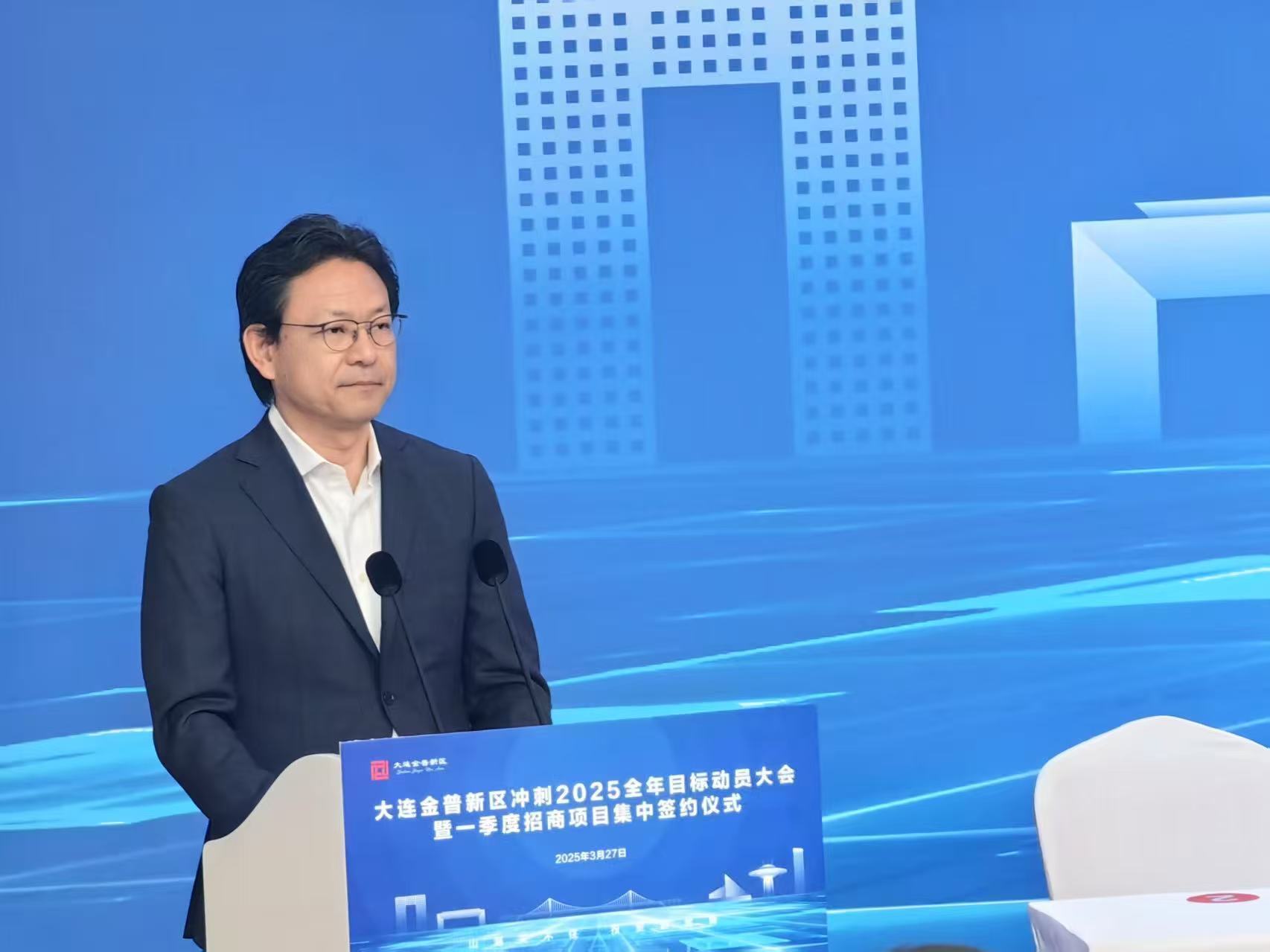
Dalian Sakabe was invited to participate in the Dalian investment promotion project ceremony
On March 27, 2025, Dalian Sakabe, as an advanced foreign-funded enterprise in Dalian, was invited to participate in the investment promotion project ceremony of Dalian China.
2025/04/01
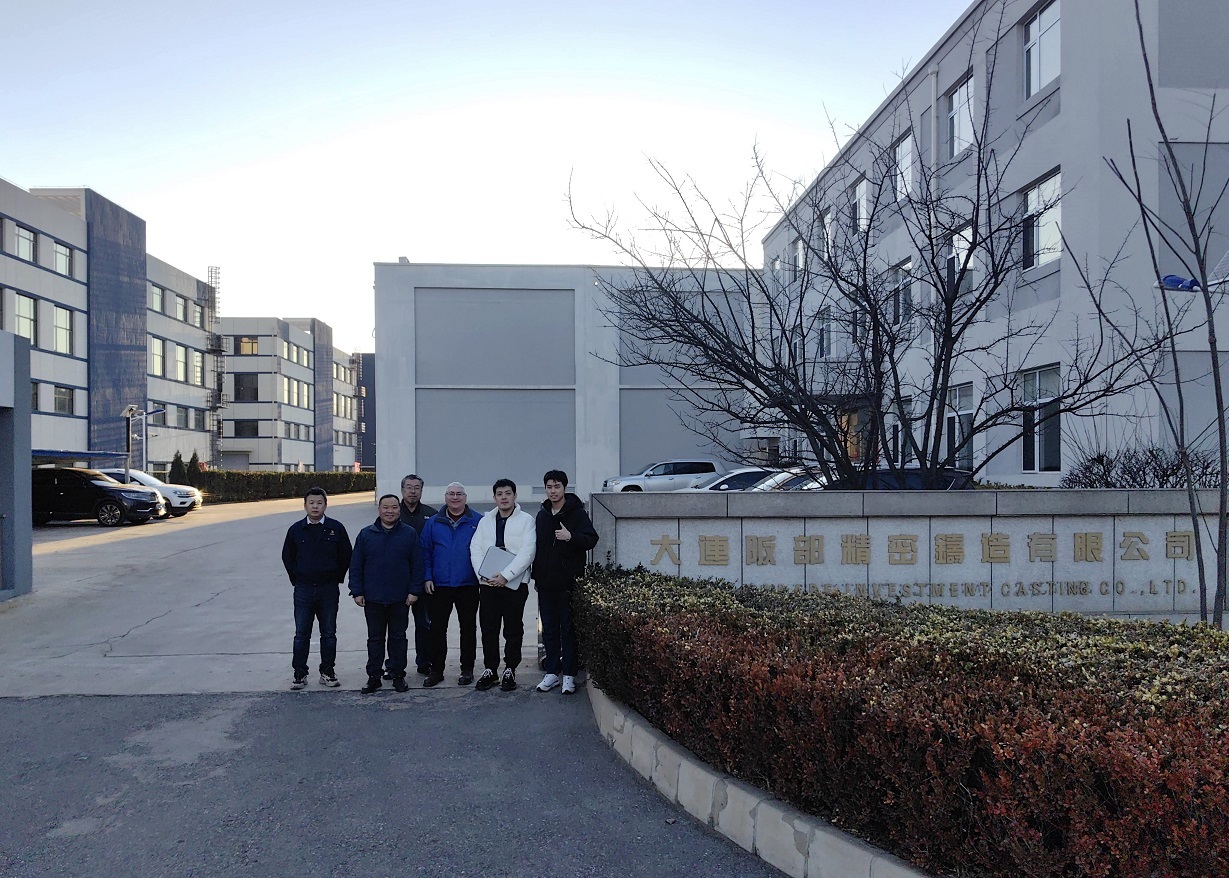
It is pleased that partner NME come to visit us Sakabe foundry
It is pleased that partner NME come to visit us Sakabe foundry. We share the same philosophy about quality standards, product positioning, environmental protection, and sustainable development. It's lucky to meet like-minded partners!
2025/02/19
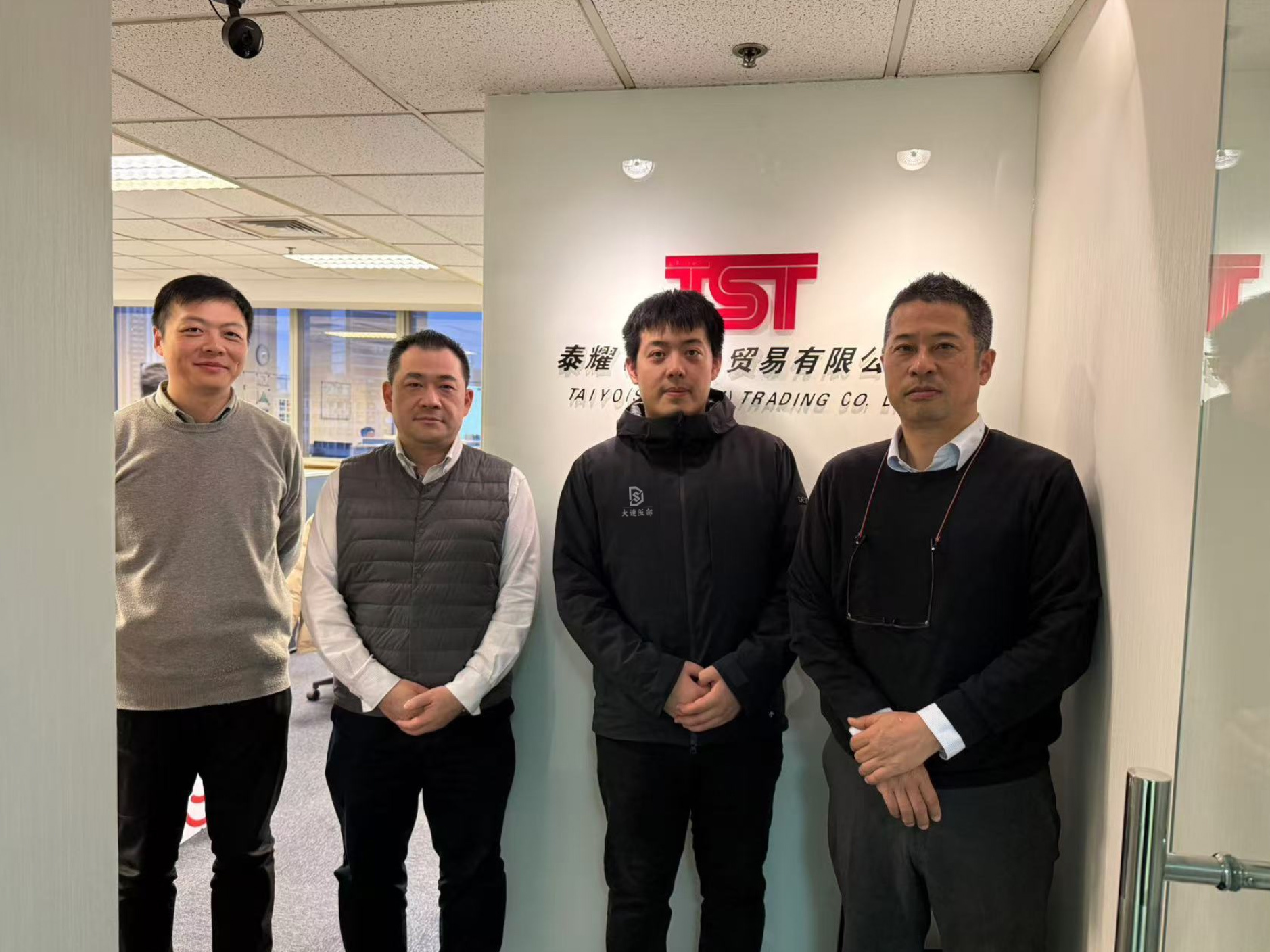
Great meeting with partner in Shanghai
Dalian Sakabe paying visit to our partner TST in Shanghai. Had discussions and plans for long term co-operation. Great thanks for your support!
2025/01/02
CONTACT US
Tel: +86 136-5494-1611
E-mail: alexzheng@sakabe.cn
Office Address:
No.18 Dongbei Qi Street, Jinpu New Area, Dalian, Liaoning, China
Factory Address:
No.26 Fuan Street, Jinpu New Area, Dalian, Liaoning, China
