


Transform Your Food Machinery with Innovative Dewax Casting Techniques
1. Introduction to Dewax Casting Techniques
In the dynamic landscape of food machinery manufacturing, the pursuit of efficiency and quality is relentless. **Dewax casting** emerges as a transformative technique that not only enhances the manufacturing process but also significantly improves the quality of the final products. By removing wax patterns used in traditional casting, this method paves the way for precision and durability in food processing equipment.
As we explore this innovative technique, we will discuss how it can optimize your food machinery, making it more effective and reliable in various applications.
2. Understanding Dewax Casting
Dewax casting, also known as investment casting or lost-wax casting, involves creating a wax model of the component to be cast. This model is encased in a ceramic shell, which, upon heating, melts away the wax, leaving a cavity that can be filled with molten metal. This complex yet efficient process allows for intricate designs and superior surface finishes compared to traditional casting methods.
### h3>How Dewax Casting Works
The dewax casting process can be summarized in the following key steps:
1. **Wax Pattern Creation**: A mold of the desired component is created from wax.
2. **Shell Building**: The wax pattern is coated with a ceramic material to form a shell.
3. **Wax Removal**: The shell is heated, causing the wax to melt and drain away.
4. **Metal Pouring**: Molten metal is poured into the shell to create the final product.
5. **Shell Removal**: After cooling, the ceramic shell is broken away to reveal the cast part.
This method allows for high precision and the ability to produce complex geometries, making it ideal for food machinery components.
3. Benefits of Dewax Casting in Food Machinery
The advantages of incorporating dewax casting techniques into food machinery manufacturing are extensive. Here are some key benefits:
### h3>Precision and Detail
Dewax casting enables the production of components with intricate details that are often unattainable with conventional casting methods. This precision is crucial in food machinery, where even the smallest component can impact the overall efficiency and safety of operations.
### h3>Superior Surface Finish
The smooth finish achieved through dewax casting reduces the need for extensive machining, saving time and costs. Components produced with this method often require minimal post-processing.
### h3>Material Versatility
Dewax casting can accommodate a variety of metals, including stainless steel, which is commonly used in food processing applications due to its corrosion resistance and durability.
### h3>Increased Strength and Durability
The controlled cooling of cast metal in dewax casting results in a more uniform microstructure, enhancing the strength and longevity of the components. This is particularly important in the food industry, where equipment must withstand rigorous use and cleaning processes.
### h3>Reduced Waste
By utilizing wax patterns that can be melted down and reused, dewax casting minimizes material waste compared to traditional methods, making it a more sustainable option in manufacturing.
4. The Process of Dewax Casting: Step by Step
Understanding the dewax casting process is essential for manufacturers aiming to implement this technique effectively. Below, we break down each stage in detail.
### h3>Step 1: Pattern Creation
The first step involves creating a wax pattern of the desired component. This pattern, often produced using precision machining, serves as the template for the casting.
### h3>Step 2: Shell Building
Once the wax pattern is ready, it is coated with a ceramic slurry, which is then hardened to form a shell. This shell must withstand high temperatures, making its composition critical.
### h3>Step 3: Wax Removal
The shell is heated in an autoclave, allowing the wax to melt and drain away completely. This step is crucial for achieving clean and accurate cavity shapes.
### h3>Step 4: Metal Pouring
With the wax removed, the shell is preheated to ensure the molten metal flows smoothly. The metal is then poured into the cavity, filling it completely and forming the final product.
### h3>Step 5: Finishing Touches
Once the metal has cooled and solidified, the ceramic shell is broken away, revealing the cast part. Any necessary finishing work, such as grinding or polishing, is performed to achieve the desired quality and specifications.
5. Materials Used in Dewax Casting
The selection of materials for dewax casting is pivotal to the success of the process. Here are the primary materials involved:
### h3>Wax for Patterns
The wax used must be easily melted and capable of forming precise patterns. Specialized casting waxes are available that offer optimal performance for various applications.
### h3>Ceramic Shell Materials
The ceramic materials used for the shell must exhibit high thermal resistance and strength to withstand the pouring of molten metal. These materials are often selected based on the specific requirements of the casting.
### h3>Metals for Casting
Stainless steel, aluminum, and various alloys are popular choices for dewax casting in food machinery due to their durability, corrosion resistance, and suitability for food contact applications.
6. Applications of Dewax Casting in Food Machinery
Dewax casting has a wide range of applications in food machinery, where precision and durability are paramount. Here are some notable uses:
### h3>Components for Food Processing Equipment
Dewax casting is ideal for manufacturing components such as pumps, valves, and fittings used in food processing systems. The precision of the cast parts ensures reliability and efficiency in these critical functions.
### h3>Custom Machine Parts
Manufacturers can leverage dewax casting to create custom parts tailored to specific needs, allowing for unique solutions in the food processing industry.
### h3>Durable Tools and Accessories
The durability of dewax cast tools and accessories makes them suitable for rigorous use in food production environments, where reliability is essential.
7. Innovations and Future Trends in Dewax Casting
As technology progresses, so too does the potential for dewax casting in food machinery. Innovations are emerging that enhance this technique:
### h3>Improved Materials
Research into advanced materials for both wax patterns and ceramic shells is paving the way for even greater precision and efficiency in the dewax casting process.
### h3>Automation of the Casting Process
The integration of automation technologies in dewax casting can streamline operations, reduce labor costs, and improve consistency in production.
### h3>3D Printing for Pattern Creation
The advent of 3D printing technology is revolutionizing the pattern creation stage, enabling manufacturers to produce complex patterns more efficiently and at reduced costs.
Dewax casting represents a significant advancement in the manufacturing of food machinery. By leveraging this innovative technique, manufacturers can achieve unparalleled precision, durability, and efficiency in their products. The benefits of dewax casting, including superior surface finishes and reduced waste, make it a compelling choice for those in the food processing industry.
As technology continues to evolve, so too will the applications and innovations associated with dewax casting. Embracing these advancements will position manufacturers to remain competitive in an ever-evolving market, ensuring that their food machinery meets the highest standards of quality and performance.

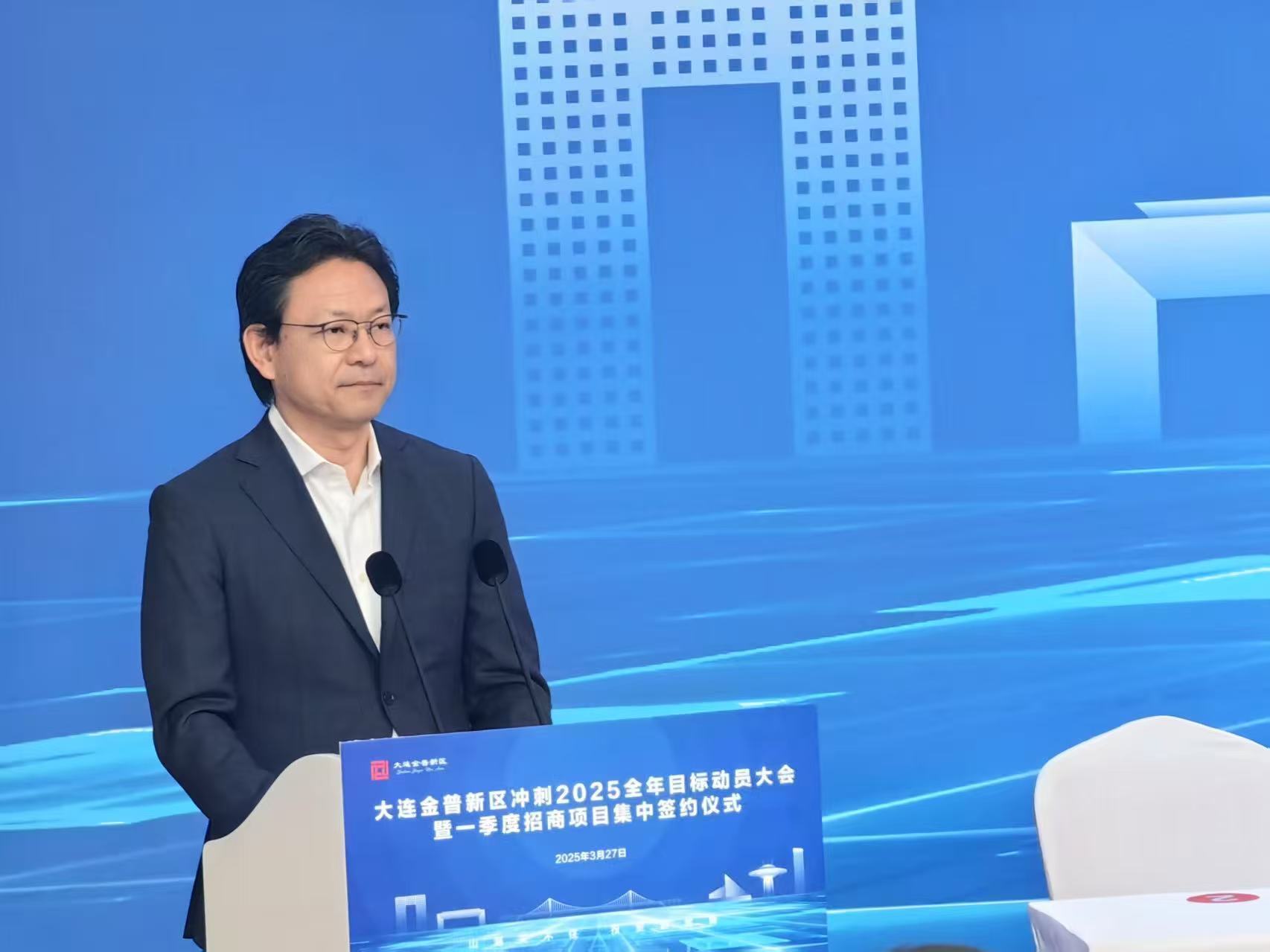
Dalian Sakabe was invited to participate in the Dalian investment promotion project ceremony
On March 27, 2025, Dalian Sakabe, as an advanced foreign-funded enterprise in Dalian, was invited to participate in the investment promotion project ceremony of Dalian China.
2025/04/01
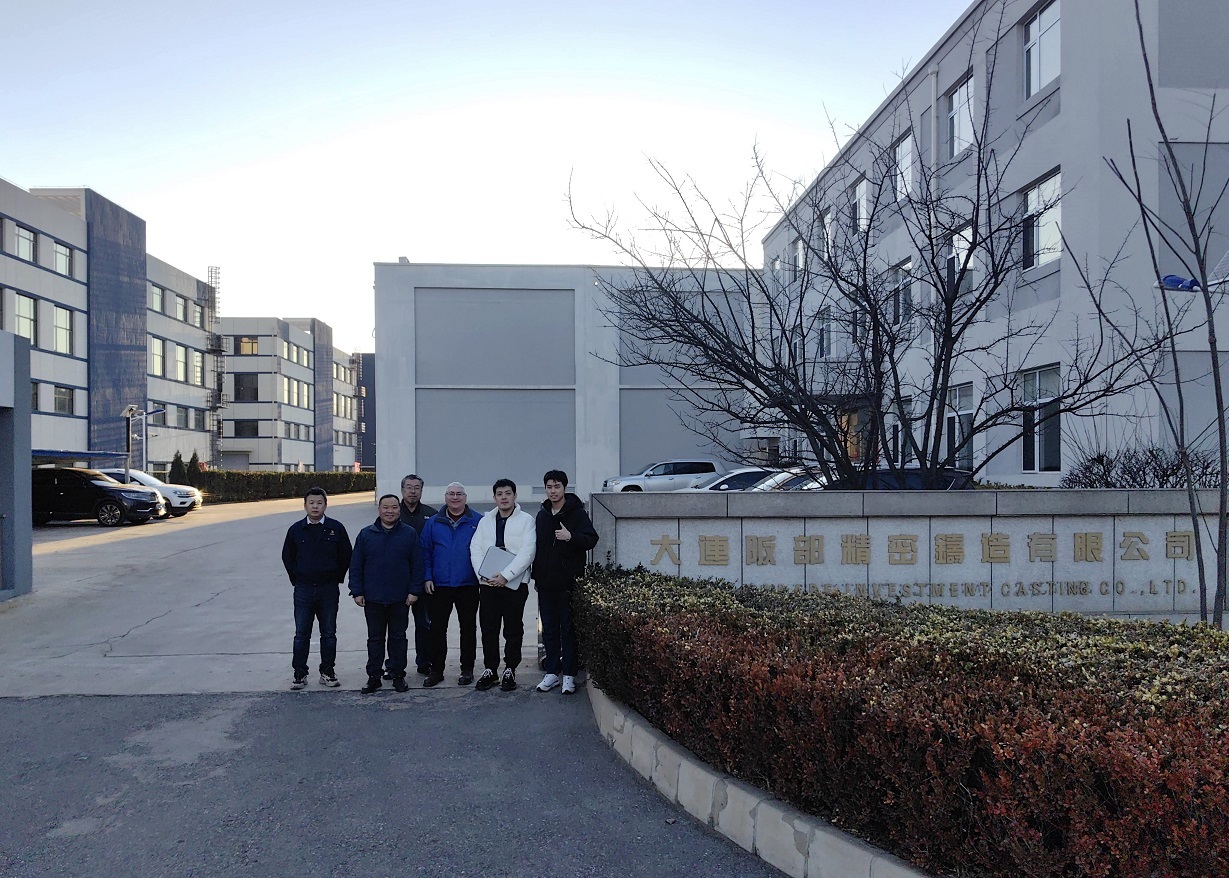
It is pleased that partner NME come to visit us Sakabe foundry
It is pleased that partner NME come to visit us Sakabe foundry. We share the same philosophy about quality standards, product positioning, environmental protection, and sustainable development. It's lucky to meet like-minded partners!
2025/02/19
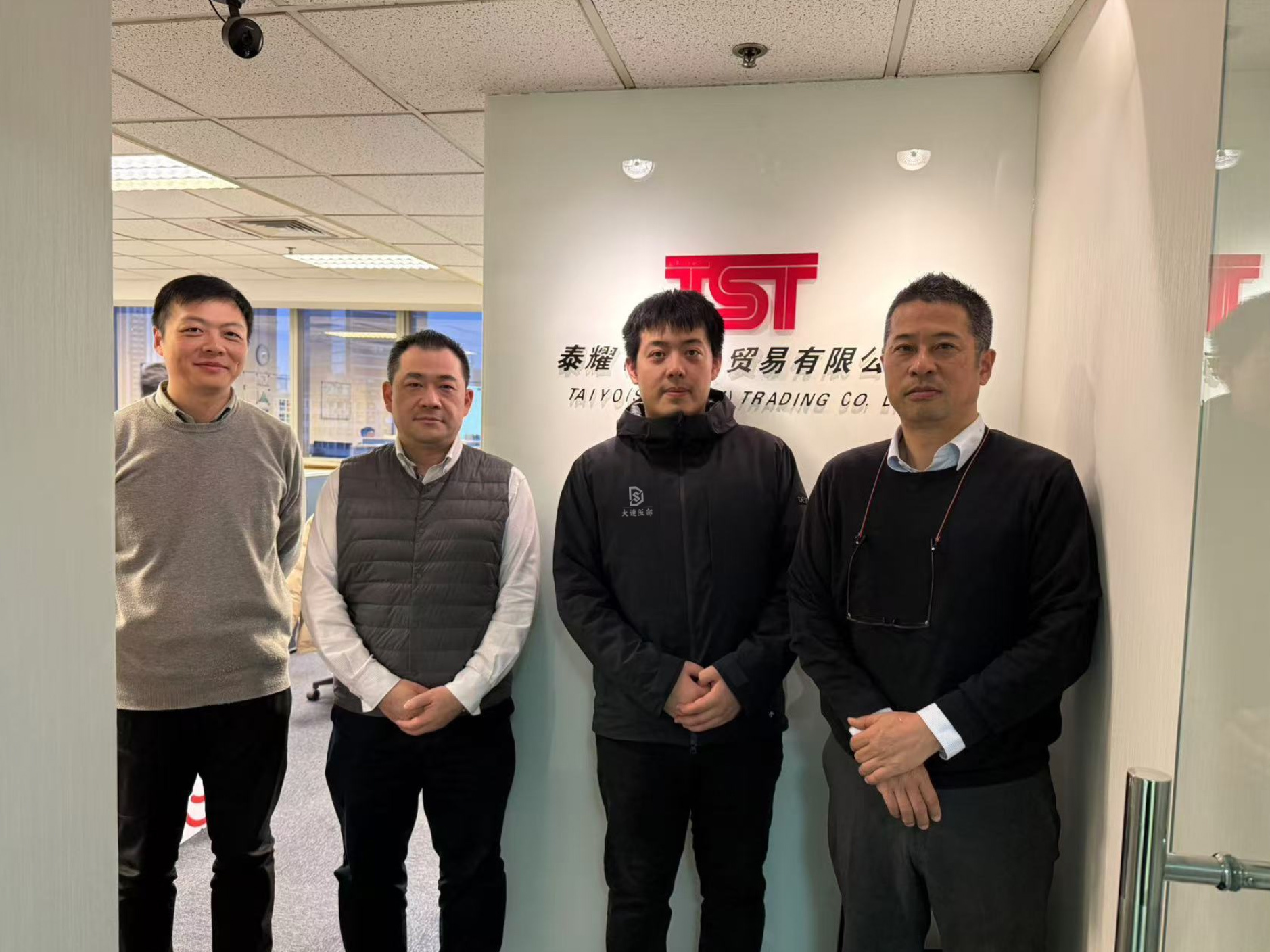
Great meeting with partner in Shanghai
Dalian Sakabe paying visit to our partner TST in Shanghai. Had discussions and plans for long term co-operation. Great thanks for your support!
2025/01/02
CONTACT US
Tel: +86 136-5494-1611
E-mail: alexzheng@sakabe.cn
Office Address:
No.18 Dongbei Qi Street, Jinpu New Area, Dalian, Liaoning, China
Factory Address:
No.26 Fuan Street, Jinpu New Area, Dalian, Liaoning, China
