


Unlocking Efficiency: The Best Casting Techniques for Heat Treatment Material Trays
Introduction to Heat Treatment Material Trays
In the manufacturing industry, **heat treatment material trays** play a critical role in various processes, particularly when it comes to metalworking and casting. These trays are essential for effectively handling materials during the heat treatment phase, which is crucial for achieving desired mechanical properties in metals. Understanding the significance of efficient casting techniques for these trays can lead to reduced costs, improved production quality, and enhanced overall performance.
Why Casting Techniques Matter
Casting techniques are the backbone of manufacturing heat treatment material trays. The choice of technique can influence the **strength**, **durability**, and **thermal stability** of the trays. Ineffective casting can lead to defects and inconsistencies, which can be costly in terms of both time and resources. Implementing best practices in casting not only optimizes the manufacturing process but also ensures that the final products meet industry standards and customer expectations.
The Importance of Material Selection
When it comes to casting techniques, **material selection** is paramount. Common materials used in the production of heat treatment trays include:
- **Steel Alloys:** Known for their strength and heat resistance
- **Aluminum:** Lightweight and provides excellent thermal conductivity
- **Cast Iron:** Durable and cost-effective, ideal for high-temperature applications
Choosing the right material affects the casting process, heat treatment results, and the longevity of the trays.
Overview of Casting Methods
There are several casting methods utilized in the manufacturing of heat treatment material trays. Each method has its unique advantages and applications. Let’s delve into the most effective techniques:
1. Sand Casting
**Sand casting** is one of the most traditional methods and is widely used due to its versatility and cost-effectiveness. The process involves creating a mold from sand and pouring molten metal into it. It is particularly suitable for larger trays and complex geometries.
- **Advantages:** Low cost, ability to create large parts, and adaptability to various metals.
- **Disadvantages:** Rough surface finish and lower dimensional accuracy compared to other methods.
2. Investment Casting
**Investment casting** provides superior surface finishes and accuracy. This method is characterized by creating a wax pattern that is coated with a ceramic shell. Once the shell hardens, the wax is melted out, leaving a cavity for the molten metal.
- **Advantages:** High precision, excellent surface finish, and ability to produce intricate shapes.
- **Disadvantages:** Higher costs and longer lead times.
3. Die Casting
**Die casting** involves forcing molten metal into a mold under high pressure. This technique is favored for its speed and ability to produce consistent parts.
- **Advantages:** High production rates, excellent detail, and smooth surfaces.
- **Disadvantages:** Limited to non-ferrous metals and higher initial investment.
4. Continuous Casting
This method involves pouring molten metal into a mold that continuously solidifies as it moves through the process. Continuous casting is particularly effective for producing long lengths of uniform material.
- **Advantages:** High efficiency and material yield.
- **Disadvantages:** Less flexibility in design and higher setup costs.
Innovative Techniques in Casting for Heat Treatment Trays
As technology evolves, so do the techniques used in manufacturing heat treatment material trays. Exploring innovative methods can lead to better efficiency and product quality.
Advanced 3D Printing Techniques
3D printing, or additive manufacturing, is revolutionizing the casting process. This technology allows for rapid prototyping and the ability to create complex designs that traditional methods cannot achieve.
- **Benefits:** Reduced material waste, faster production times, and customization options.
- **Considerations:** Understanding the limitations of materials available for 3D printing is essential.
Utilizing Computer-Aided Design (CAD)
The integration of **CAD software** in the design phase allows for better visualization and testing of tray designs before moving to production. This can significantly minimize errors and enhance the efficiency of the casting process.
Heat Treatment Processes for Enhanced Durability
After casting, heat treatment processes play a crucial role in enhancing the properties of material trays. Two primary methods employed are:
1. Annealing
**Annealing** involves heating the metal to a specific temperature and then allowing it to cool slowly. This process relieves internal stresses and improves ductility.
2. Quenching and Tempering
This method combines heating and rapid cooling followed by reheating to a lower temperature. Quenching increases hardness while tempering enhances toughness, making the trays more resilient.
Factors Influencing Casting Efficiency
To optimize the casting process for heat treatment material trays, several factors must be considered:
1. Mold Design
An effective mold design can enhance the casting process by allowing better flow of molten metal and reducing defects.
2. Melting Temperature
Controlling the melting temperature is vital for achieving a homogenous material without impurities.
3. Pouring Techniques
The method of pouring the molten metal into the mold can affect the final product’s quality. Controlled pouring minimizes turbulence and air entrapment.
Quality Control in Casting Processes
Quality control is essential in ensuring that heat treatment material trays meet required specifications. Implementing rigorous testing methods can help identify defects early in the process.
1. Non-Destructive Testing (NDT)
NDT methods such as ultrasonic testing and X-ray inspection can detect internal flaws without damaging the trays.
2. Surface Finish Inspection
The surface finish of the trays is critical for performance. Visual inspections and profilometry can be used to assess surface quality.
Optimizing casting techniques for heat treatment material trays is essential for achieving efficiency and quality in manufacturing. By understanding the various methods and innovations available, manufacturers can select the best practices that suit their needs. Investing in advanced technology and rigorous quality control processes will not only enhance the performance of the trays but will also contribute to overall operational efficiency. As the industry evolves, staying informed and adaptable will be key to maintaining a competitive edge.

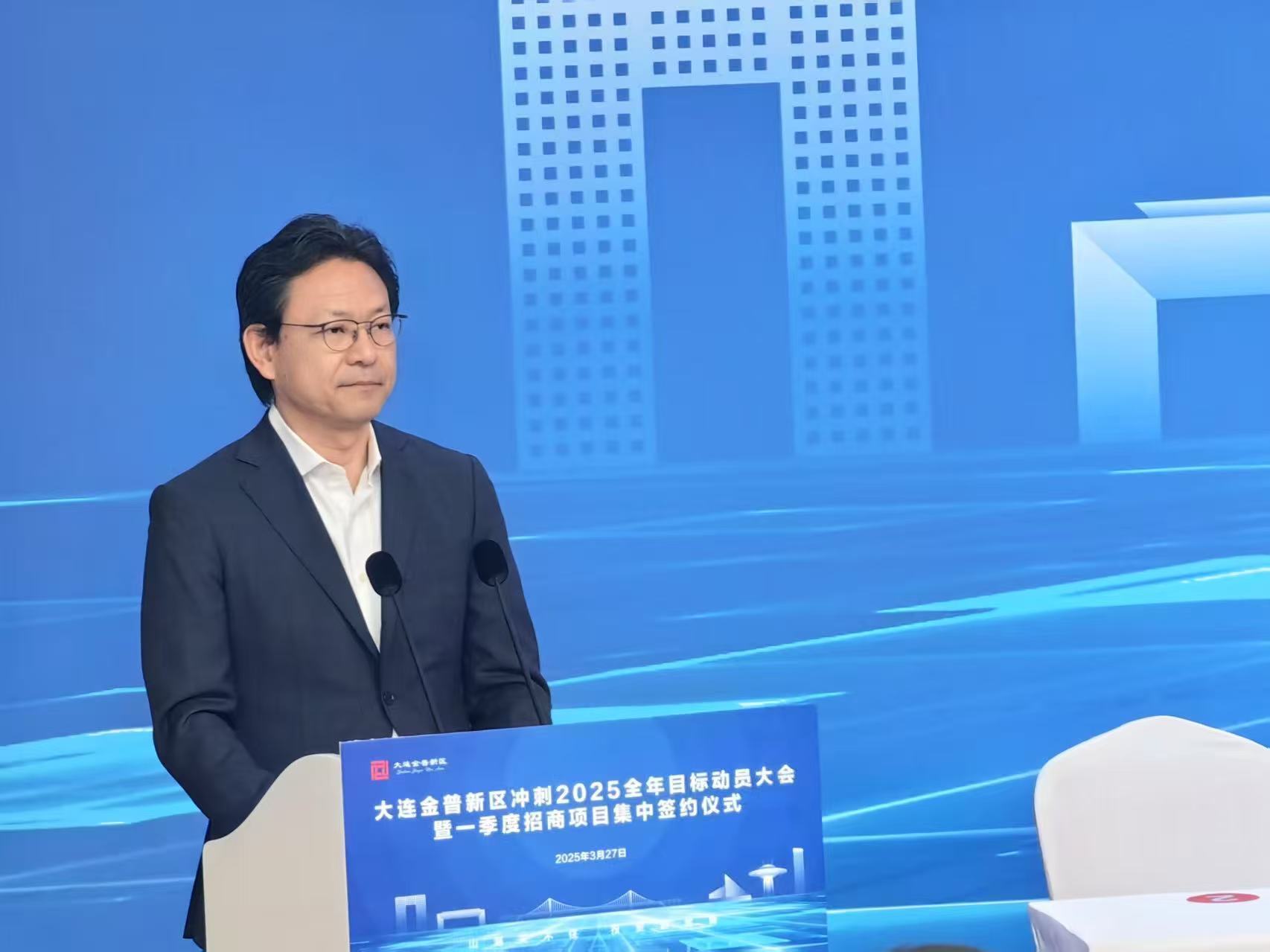
Dalian Sakabe was invited to participate in the Dalian investment promotion project ceremony
On March 27, 2025, Dalian Sakabe, as an advanced foreign-funded enterprise in Dalian, was invited to participate in the investment promotion project ceremony of Dalian China.
2025/04/01

It is pleased that partner NME come to visit us Sakabe foundry
It is pleased that partner NME come to visit us Sakabe foundry. We share the same philosophy about quality standards, product positioning, environmental protection, and sustainable development. It's lucky to meet like-minded partners!
2025/02/19
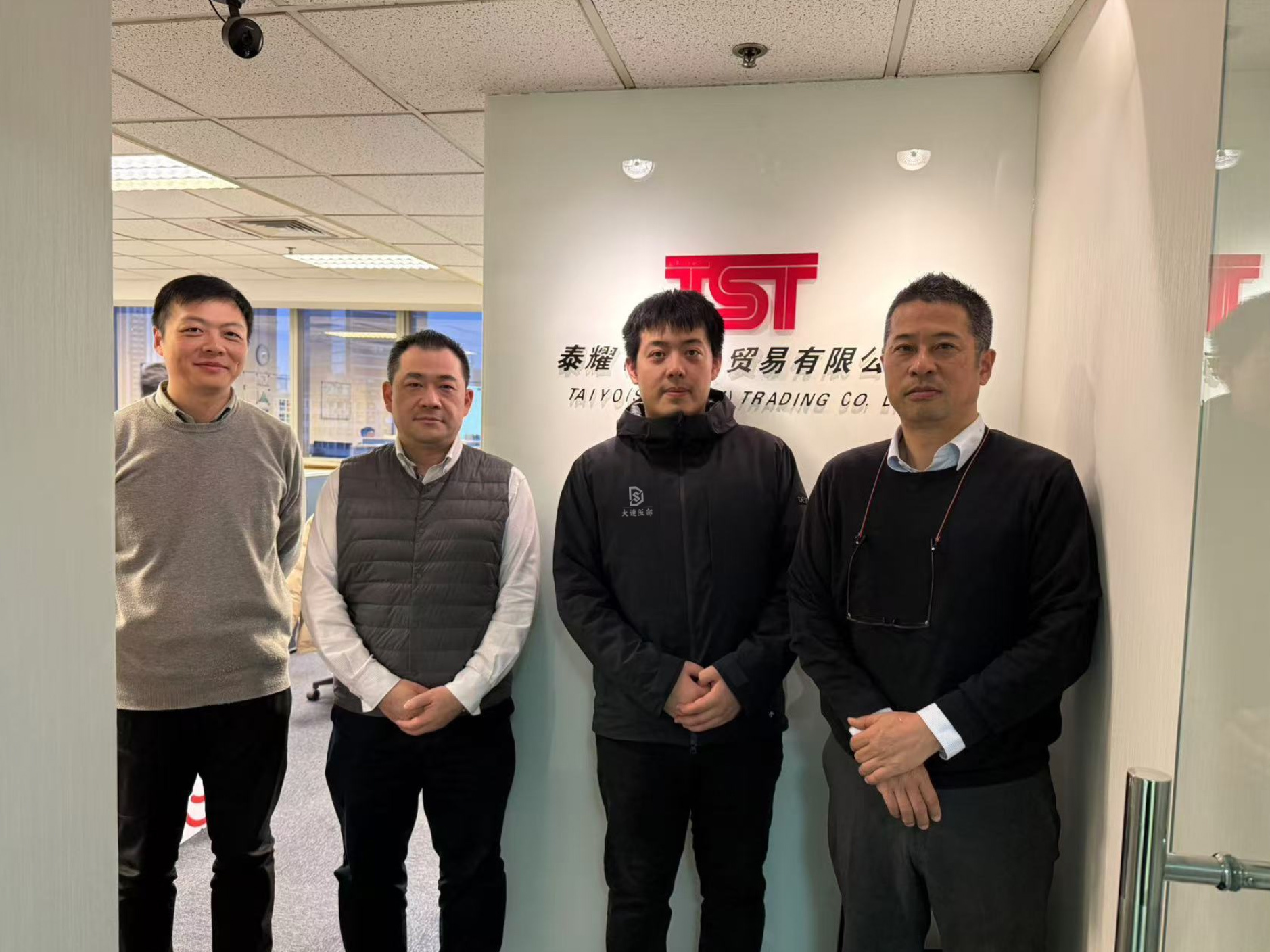
Great meeting with partner in Shanghai
Dalian Sakabe paying visit to our partner TST in Shanghai. Had discussions and plans for long term co-operation. Great thanks for your support!
2025/01/02
CONTACT US
Tel: +86 136-5494-1611
E-mail: alexzheng@sakabe.cn
Office Address:
No.18 Dongbei Qi Street, Jinpu New Area, Dalian, Liaoning, China
Factory Address:
No.26 Fuan Street, Jinpu New Area, Dalian, Liaoning, China
