

What Are the Advantages of New Metal Injection Molding in Manufacturing
1. Introduction to Metal Injection Molding
New metal injection molding is a cutting-edge manufacturing process that combines the versatility of plastic injection molding with the strength and durability of metal. It allows for the creation of complex parts with intricate geometries, significantly reducing the time and cost associated with traditional metalworking techniques. As manufacturers face increasing pressure to deliver high-quality products faster and more economically, MIM emerges as a transformative solution.
2. Understanding the Metal Injection Molding Process
The metal injection molding process involves several key stages:
1. Feedstock Preparation: A mixture of fine metal powder and a binding agent is created to form a feedstock. The choice of metal powders—such as stainless steel, titanium, or other alloys—plays a crucial role in determining the final properties of the product.
2. Injection Molding: The prepared feedstock is heated and injected into a mold under high pressure. This step is similar to plastic injection molding but utilizes metal powder.
3. Debinding: After the injection molding process, the parts undergo a debinding phase where the binding agent is removed. This step can be achieved through thermal or solvent methods.
4. Sintering: The rebound parts are then subjected to high temperatures in a sintering furnace. This process causes the metal particles to fuse, resulting in a solid and dense component.
5. Post-Processing: Depending on the application, additional processes such as machining, surface finishing, or heat treatment may follow to achieve the desired specifications.
Through these steps, manufacturers can produce intricate components that are lightweight yet exceptionally strong.
3. Advantages of Metal Injection Molding
Metal injection molding offers several compelling advantages that make it an attractive option for manufacturers.
3.1 Enhanced Design Flexibility and Complexity
One of the standout features of MIM is its ability to produce highly complex geometries that would be challenging or impossible to achieve with traditional machining techniques. This capability allows designers to create parts with intricate details, reducing the need for multiple components. Consequently, manufacturers can streamline assembly processes, leading to shorter production times and less material waste.
3.2 Cost Efficiency and Economies of Scale
MIM is particularly advantageous for high-volume production runs. The initial investment in tooling can be significant, but the ability to produce thousands of identical parts quickly can lead to substantial cost savings over time. When compared to traditional methods—such as machining, which can be labor-intensive and time-consuming—MIM often results in lower overall costs per unit, making it a financially viable choice for producing metal components.
3.3 Improved Material Properties
MIM provides the opportunity to utilize a wide range of metal powders, each offering unique properties that can enhance the performance of the finished product. The sintering process used in MIM creates a dense part with excellent mechanical properties, including strength, wear resistance, and thermal stability. This makes MIM an ideal solution for applications requiring high-performance components.
3.4 High Precision and Consistency
With its ability to produce parts with tight tolerances and consistent quality, MIM stands out as a reliable manufacturing solution. The precision achieved through the molding process ensures that each component meets stringent specifications, reducing the likelihood of defects and the need for rework. This reliability is crucial in industries such as automotive, aerospace, and medical device manufacturing, where precision and quality are paramount.
4. Applications of Metal Injection Molding in Various Industries
Metal injection molding is versatile and finds applications across a diverse range of industries, including:
- Automotive: MIM is used to manufacture components such as gears, brackets, and connectors, contributing to lightweight designs and improved fuel efficiency.
- Aerospace: Components like turbine blades, brackets, and structural parts benefit from the enhanced strength and reduced weight offered by MIM.
- Medical Devices: Precision instruments and implants made through MIM meet the stringent requirements for safety and performance in the medical field.
- Electronics: MIM is ideal for producing intricate housings and components for electronic devices, supporting the trend towards miniaturization.
- Consumer Products: Items such as firearms, tools, and hardware benefit from the efficiency and precision of MIM, driving innovation in product design.
5. Comparison with Traditional Manufacturing Techniques
When comparing metal injection molding with traditional manufacturing techniques, several factors come into play:
- Material Waste: Traditional machining often results in significant waste as material is cut away to create the desired shape. MIM, however, produces near-net-shape parts, minimizing waste.
- Production Speed: While traditional methods may require lengthy setups and tooling changes, MIM allows for rapid production once the initial mold is created.
- Design Limitations: Traditional methods may limit design complexity due to tooling requirements. MIM opens new possibilities for intricate designs without the constraints of conventional manufacturing.
- Cost: Although the upfront investment in MIM tooling may be higher, the long-term cost savings in high-volume production make it an attractive option for manufacturers.
6. Future of Metal Injection Molding Technology
As industries continue to evolve, so does the technology behind metal injection molding. Innovations in materials, processes, and technology are set to enhance the capabilities of MIM further. For instance, advancements in computer-aided design (CAD) and simulation software allow for more effective mold design, reducing lead times and improving accuracy. Additionally, the development of new metal alloys and composite materials is expanding the applications of MIM, enabling manufacturers to push the boundaries of what is possible.
Furthermore, as sustainability becomes a focal point in manufacturing, MIM’s ability to reduce material waste and energy consumption positions it as a forward-thinking choice for environmentally-conscious companies.
In the ever-evolving landscape of manufacturing, metal injection molding stands out as a powerful technology that unlocks new levels of efficiency and innovation. With its ability to produce complex parts with precision and consistency, MIM not only enhances design possibilities but also drives cost savings and material efficiency. As industries continue to seek smarter manufacturing solutions, embracing the advantages of new metal injection molding technology will be essential for staying competitive and meeting the demands of a dynamic market. By investing in this transformative process, manufacturers can secure a future of enhanced productivity and innovation.


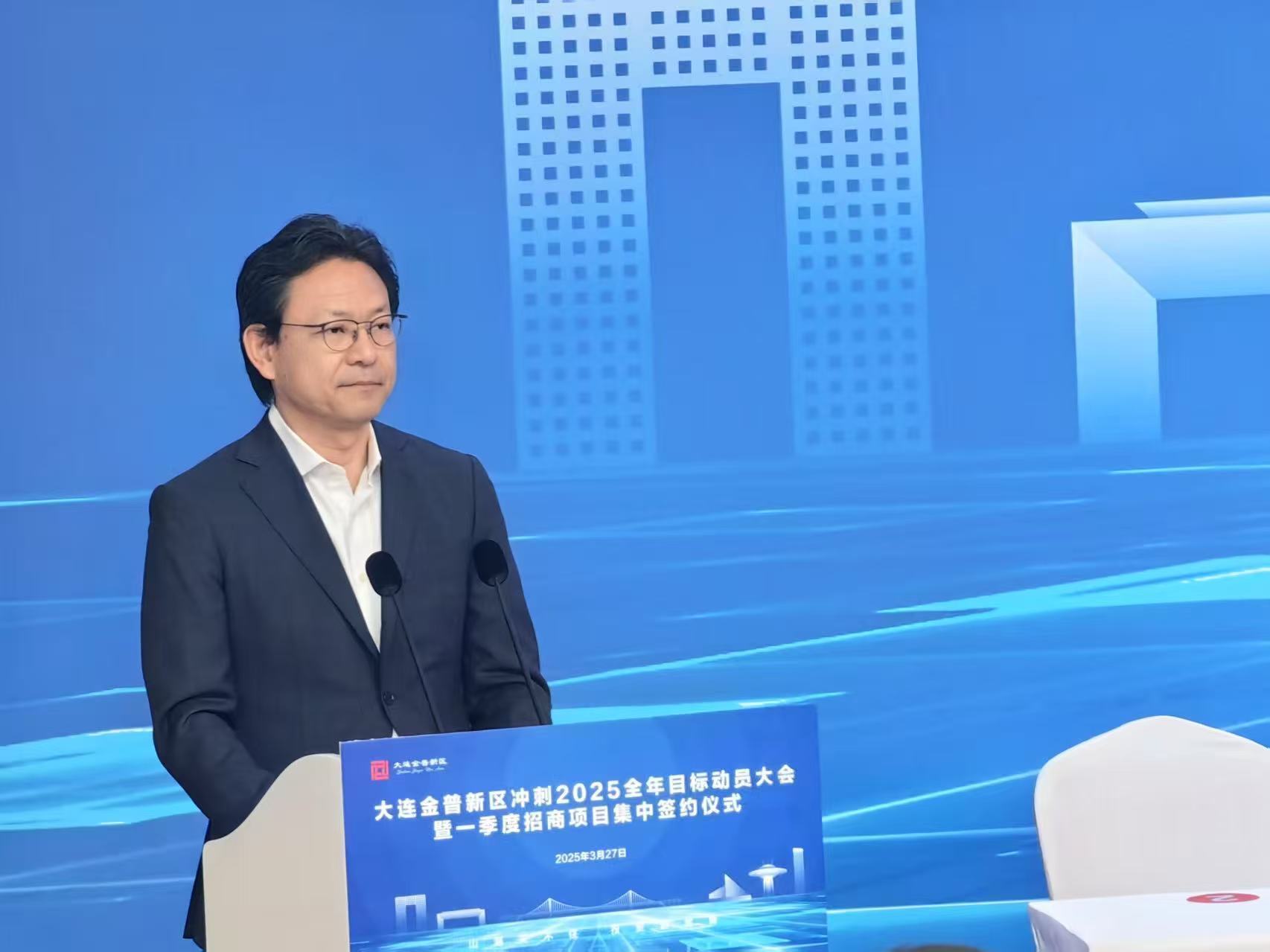
Dalian Sakabe was invited to participate in the Dalian investment promotion project ceremony
On March 27, 2025, Dalian Sakabe, as an advanced foreign-funded enterprise in Dalian, was invited to participate in the investment promotion project ceremony of Dalian China.
2025/04/01
CONTACT US
Tel: +86 136-5494-1611
E-mail: alexzheng@sakabe.cn
Office Address:
No.18 Dongbei Qi Street, Jinpu New Area, Dalian, Liaoning, China
Factory Address:
No.26 Fuan Street, Jinpu New Area, Dalian, Liaoning, China
