


Advantages of Food Machinery Die-casting Parts in Manufacturing
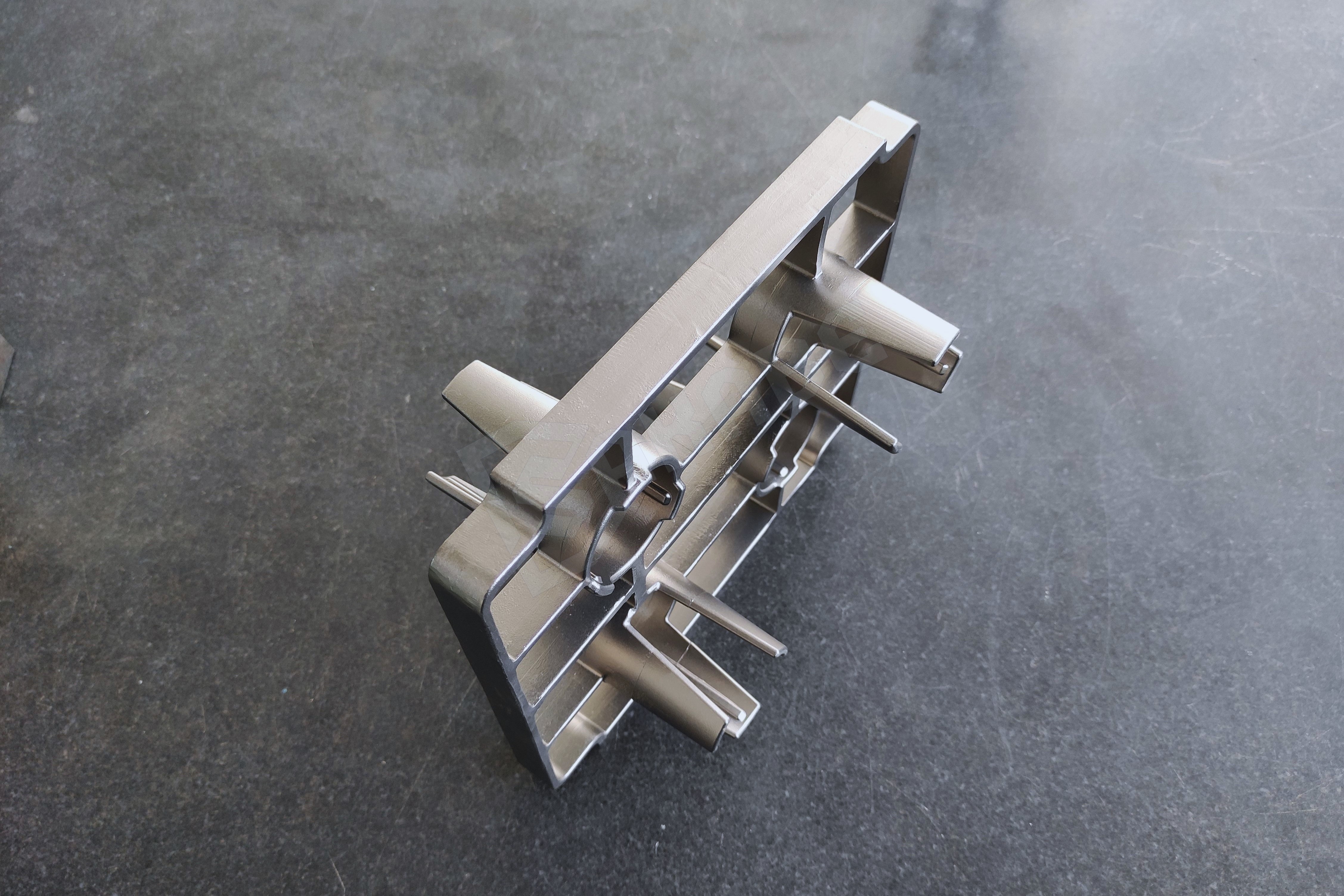
Food machinery die-casting parts is a pivotal manufacturing process in the production of metal parts, especially for industries requiring precision and durability, such as food machinery. This method involves forcing molten metal into a mold at high pressure, resulting in parts with excellent surface finish and dimensional accuracy. For manufacturers in the food processing sector, die-casting parts offer several advantages, making them indispensable in the design and functionality of various machines.
One of the primary benefits of using die-casting parts in food machinery is the high degree of precision they provide. The tight tolerances achievable through die-casting ensure that components fit together seamlessly, reducing wear and tear during operation. This precision is critical in food processing applications, where even minor discrepancies can lead to inefficiencies or product contamination.
Moreover, die-casting allows for complex shapes and intricate designs that would be challenging to achieve with other manufacturing methods. This flexibility enables engineers to create parts that maximize efficiency and minimize material waste. In the context of food machinery, components such as housings, gears, and fixtures can be produced with optimal shapes that contribute to better performance and easier maintenance.
Another significant aspect of Food machinery die-casting parts is their mechanical properties. Die-cast components are typically stronger and more durable than those produced through other methods like machining or plastic injection. This strength is crucial in food machinery, which often operates under high stress and demanding conditions. The longevity of die-casting components translates to lower maintenance costs and reduced downtime, which is essential for manufacturers aiming to maintain productivity.
Additionally, the die-casting process allows for the use of various alloys, including aluminum and zinc, which are commonly chosen for their corrosion resistance and lightweight characteristics. In food machinery, where hygiene and ease of cleaning are paramount, these materials contribute to both the longevity of the equipment and compliance with safety standards.
Food machinery die-casting parts play a vital role in the manufacturing of food machinery, offering precision, strength, and design flexibility that enhance performance and reliability. As the industry continues to evolve, embracing innovative manufacturing techniques like die-casting will be essential for maintaining competitive advantage and ensuring high-quality output in food processing applications. Understanding these benefits can empower manufacturers to make informed decisions about their production processes and component selection.
Enhancing Food Machinery with Durable Precision Machining Solutions
Durable Precision machining of food machinery accessories plays an integral role in the food machinery sector by ensuring that equipment is produced with the highest standards of accuracy and reliability
2025/07/23

Unlocking Efficiency: Advanced Precision Casting Techniques in Food Machinery
Advanced precision casting techniques are transforming the landscape of food machinery manufacturing. Their ability to enhance efficiency, quality, and sustainability positions them as a critical factor in the industry’s future
2025/07/23
Enhancing Textile Machinery Efficiency through Quality Precision Casting
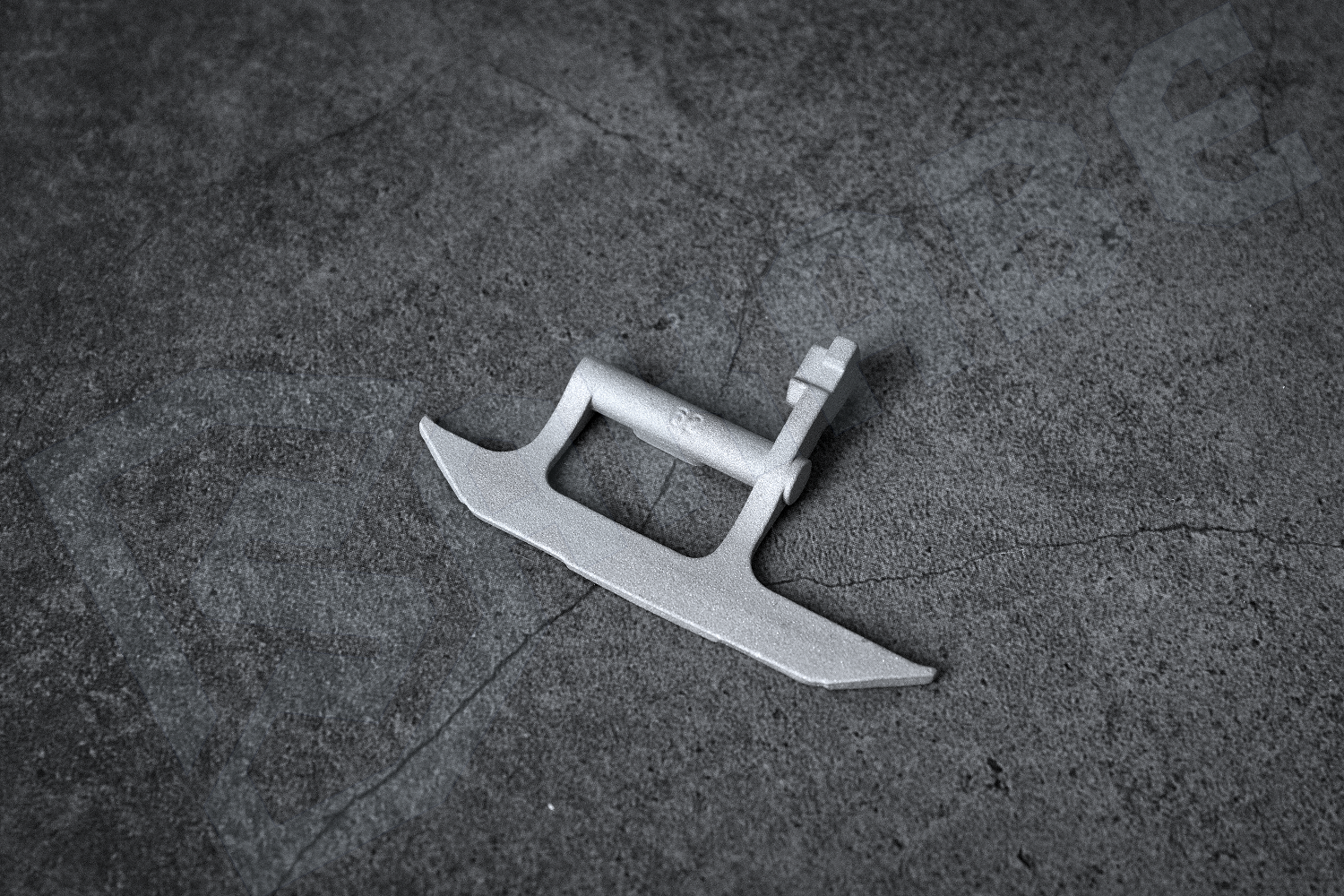
Quality precision casting is a cornerstone of effective textile machinery manufacturing. By leveraging advanced casting techniques, selecting appropriate materials, and maintaining rigorous quality checks, manufacturers can produce reliable, high-performance machinery components
2025/07/23

Unlocking Efficiency: The Best Casting Techniques for Heat Treatment Material Trays
Optimizing casting techniques for heat treatment material trays is essential for achieving efficiency and quality in manufacturing
2025/07/23
CONTACT US
Tel: +86 136-5494-1611
E-mail: alexzheng@sakabe.cn
Office Address:
No.18 Dongbei Qi Street, Jinpu New Area, Dalian, Liaoning, China
Factory Address:
No.26 Fuan Street, Jinpu New Area, Dalian, Liaoning, China
