


One of the primary benefits of using die-casting for medical tools is the ability to produce lightweight and durable parts. Materials such as aluminum and zinc alloys are commonly used, providing excellent corrosion resistance and strength. This is vital in medical applications, where equipment must withstand rigorous cleaning and sterilization processes.
Moreover, die-casting allows for the integration of multiple features in a single component. This capability reduces the need for assembly, thereby minimizing the risk of errors and enhancing the overall reliability of the medical tools being produced. By combining multiple functions into one part, manufacturers can also streamline their production processes, ultimately leading to cost savings and improved turnaround times.
When considering the design and production of medical tool die-casting parts, it is essential to prioritize manufacturability. This involves collaborating closely with design teams to ensure that all specifications are feasible for the die-casting process. Key factors include wall thickness, draft angles, and the overall complexity of the mold design. Engaging in a thorough design review process can significantly reduce production issues and ensure compliance with regulatory standards.
Additionally, quality control is a critical component of the die-casting process in the medical industry. Implementing stringent testing protocols, including dimensional inspections and material integrity assessments, is necessary to ensure that all components meet the required specifications. Utilizing advanced technologies such as computer numerical control (CNC) and automated inspection systems can further enhance the quality assurance process.
In conclusion, medical tool die-casting parts play a pivotal role in the production of reliable and efficient medical devices. By leveraging the advantages of die-casting, manufacturers can achieve high levels of precision, durability, and efficiency in their processes. For professionals in the manufacturing sector, focusing on design optimization, quality control, and collaboration with engineers will be key to excelling in this specialized field. Embracing these practices can lead to enhanced productivity and a superior end product in the demanding landscape of medical manufacturing.

How Does Precision Machining Enhance the Performance of Textile Machine Parts
Precision machining of textile machine parts is an essential process that contributes significantly to the efficiency and quality of textile production
2024/12/20

How Investment Casting Enhances Flowmeter Housing Durability
By utilizing investment casting for flowmeter housing, manufacturers can produce components that not only meet stringent design specifications but also exhibit remarkable durability under challenging conditions
2024/12/20
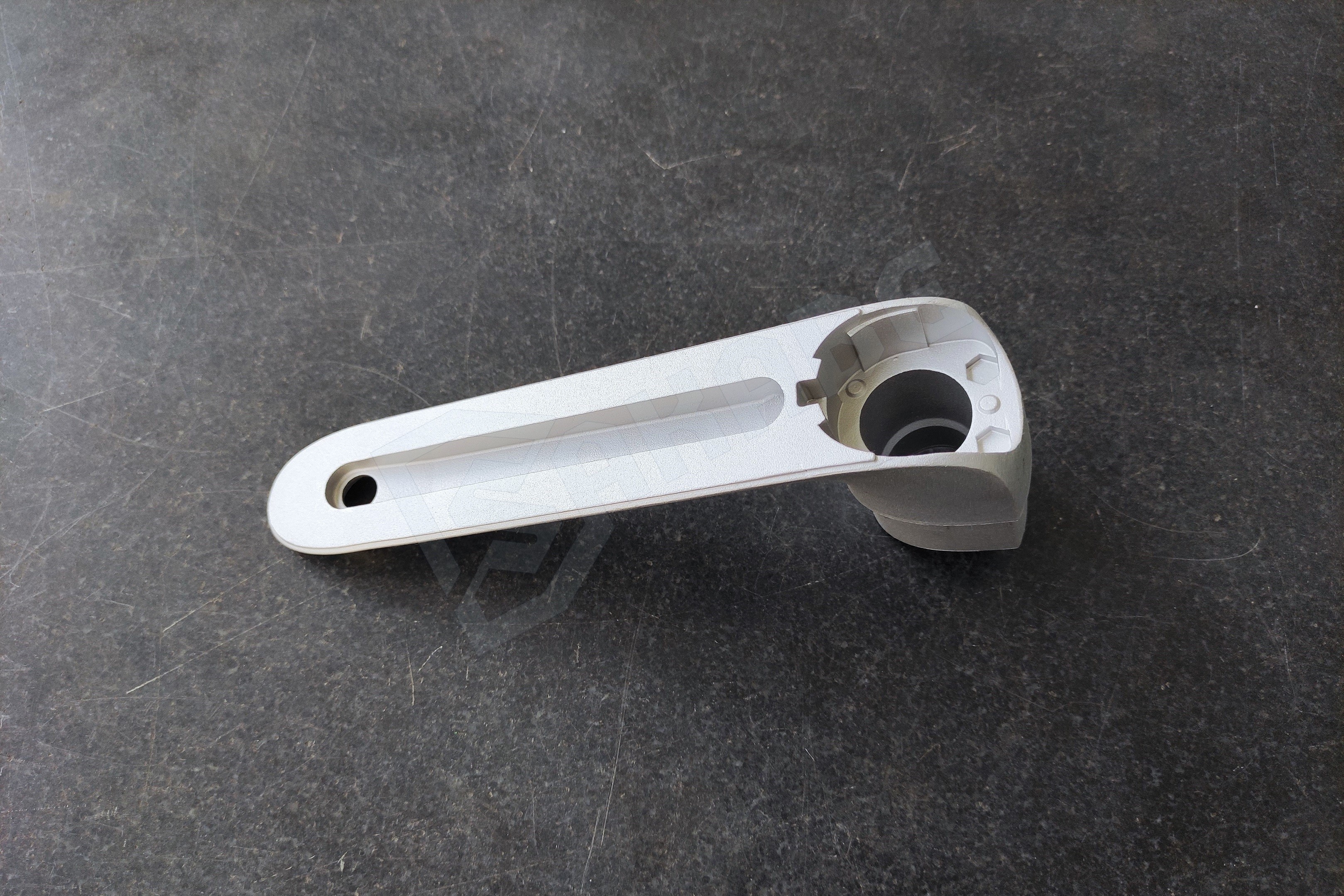
What Makes the Die Casting Wax Mold Essential for Flowmeter Housing Production
The ability of Die casting wax mold for flowmeter housing to create complex geometries, improve production efficiency, and minimize material waste makes them an excellent choice for manufacturers in the machining and mold-making industry
2024/12/20
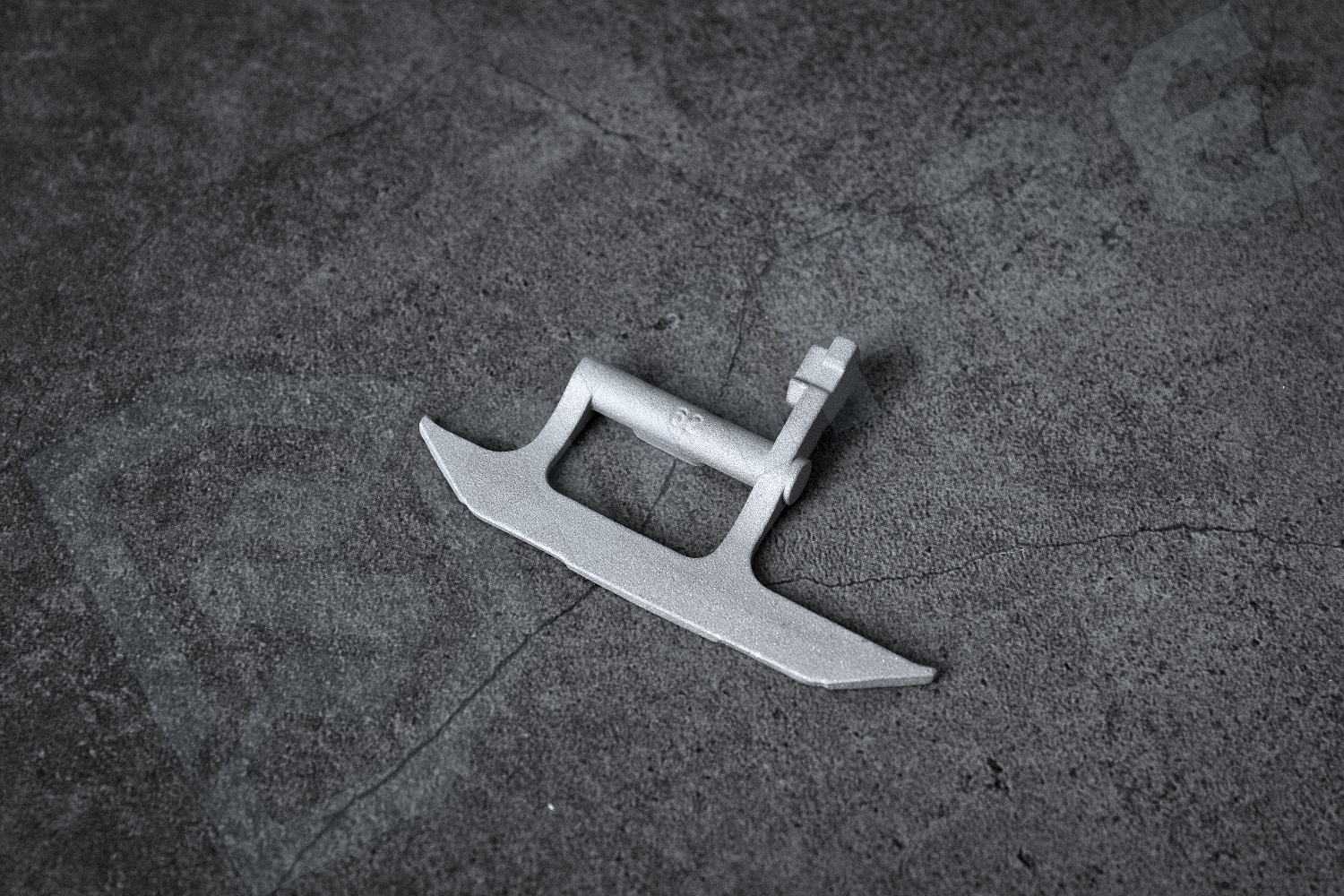
Exploring the Process of Investment Casting in Flowmeter Part Production
As technology evolves, the future of investment casting for flowmeter parts remains promising, with opportunities for innovation and efficiency improvements that will shape the industry for years to come
2024/12/20
CONTACT US
Tel: +86 136-5494-1611
E-mail: alexzheng@sakabe.cn
Office Address:
No.18 Dongbei Qi Street, Jinpu New Area, Dalian, Liaoning, China
Factory Address:
No.26 Fuan Street, Jinpu New Area, Dalian, Liaoning, China
