


Essential Insights into Beverage Machinery Parts Casting: Process, Materials, and Innovations
The beverage industry relies heavily on advanced machinery to ensure production efficiency and product quality. At the core of this machinery lies the importance of beverage machinery parts casting, a process that plays a pivotal role in creating durable components essential for the operation of various equipment. In this article, we will explore the fundamentals of casting in the context of beverage machinery components, shedding light on its significance within the manufacturing and processing sector.
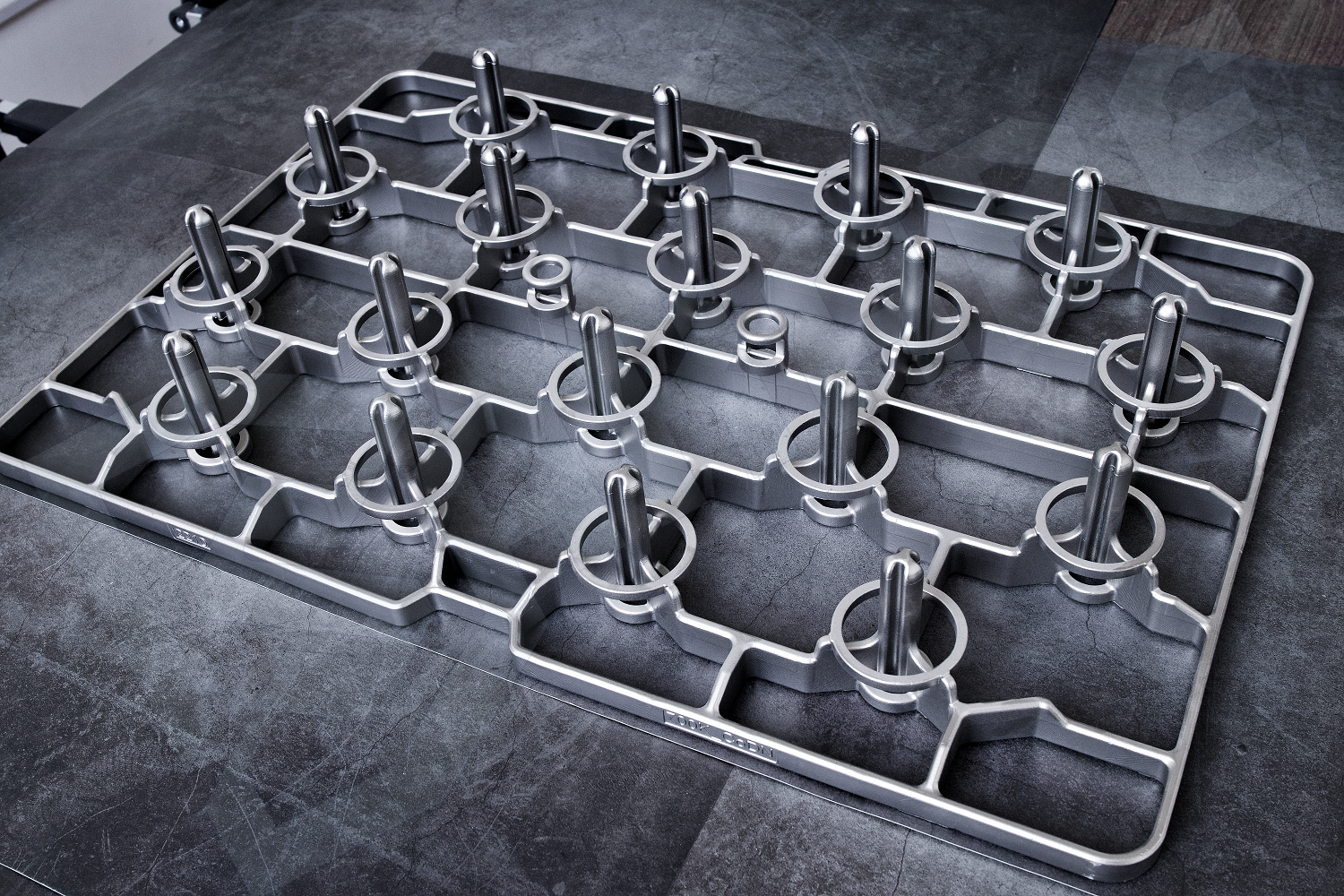
Casting is a manufacturing process where liquid material, typically metal, is poured into a mold and allowed to solidify into the desired shape. This technique is particularly beneficial in producing complex geometries that are often required for beverage machinery parts. The casting process can be tailored to meet the specific needs of different machinery, ensuring that components are both efficient and reliable.
One of the main advantages of casting is its ability to produce parts with exceptional strength and durability. Beverage machinery operates under various conditions that can include high pressures and temperatures; thus, the parts made through casting are often better suited to withstand these challenges compared to those manufactured through other methods. Additionally, casting allows for the integration of intricate designs and features, which can enhance the functionality of the machinery.
When it comes to materials, several options are commonly used in beverage machinery parts casting. Aluminum and stainless steel are popular choices due to their lightweight properties, corrosion resistance, and overall strength. Moreover, advancements in alloy technology have led to the development of materials that offer improved performance, especially in food-grade applications, where cleanliness and non-reactivity are paramount.
Another significant trend in the industry is the adoption of sustainable practices in the casting process. Eco-friendly materials and techniques are increasingly being implemented to reduce waste and energy consumption, aligning with the broader goals of sustainability within manufacturing. This not only benefits the environment but also can lead to cost savings over time.
Furthermore, modern technology has greatly impacted the casting process. Innovations such as 3D printing and computer-aided design (CAD) have streamlined the production of molds and components, enhancing accuracy and reducing lead times. These technologies enable manufacturers to quickly adapt to changing market demands and improve overall productivity.
In conclusion, understanding the intricacies of beverage machinery parts casting is essential for anyone involved in the manufacturing and processing sectors. By recognizing the benefits of casting, the suitable materials, and the latest technological advancements, professionals can make informed decisions that will contribute to the efficiency and reliability of their machinery. As the industry continues to evolve, staying abreast of these developments will be vital for success.

Why Are Food Machinery Die-Casting Parts Key to Efficient and Safe Food Processing
Food machinery die-casting parts are indispensable in the manufacturing and processing machinery industry. Understanding the advantages of die-casting, selecting appropriate materials, and emphasizing design and quality control can significantly impact the performance and reliability of food processing equipment
2025/04/21

The Essential Role of Precision Die-Casting in Sewing Machine Manufacturing
The role of the Sewing machine die-casting parts cannot be overstated. It provides the necessary precision, quality, and cost-effectiveness that manufacturers require to produce high-performance sewing machines
2025/04/21

How Do Textile Machinery Die-Casting Parts Enhance Efficiency and Reliability in Fabric Production
Textile machinery die-casting parts are a fundamental element of the mechanical hardware processing industry. Their design, material selection, and maintenance are crucial for ensuring that textile machines function efficiently and reliably
2025/04/21

Transforming Healthcare: The Impact of Advanced Casting Techniques on Medical Tools
Advanced casting techniques are transforming the landscape of medical tool manufacturing, offering improvements in durability, cost-effectiveness, and design capabilities
2025/04/21
CONTACT US
Tel: +86 136-5494-1611
E-mail: alexzheng@sakabe.cn
Office Address:
No.18 Dongbei Qi Street, Jinpu New Area, Dalian, Liaoning, China
Factory Address:
No.26 Fuan Street, Jinpu New Area, Dalian, Liaoning, China
