


One of the primary advantages of precision casting in the context of heat treatment is its ability to produce components with tighter tolerances and superior surface finishes compared to traditional casting methods. This accuracy is essential in industries that demand high-performance parts, such as aerospace, automotive, and medical devices. The precision achieved through this casting method not only reduces material waste but also minimizes the need for extensive machining, which can be time-consuming and costly.
Heat treatment itself is a crucial process that alters the physical and sometimes chemical properties of a material. This is often done to increase strength, hardness, and resistance to wear and fatigue. When combined with precision casting, heat treatment can significantly enhance the mechanical properties of the casted parts. For instance, components that are precision cast and subsequently heat treated can achieve improved tensile strength and toughness, making them suitable for high-stress applications.
The heat treatment process typically includes several stages: heating the material to a specific temperature, maintaining that temperature for a set period, and then cooling it down at a controlled rate. The exact parameters depend on the type of material being treated and the desired properties. In the context of precision casting, ensuring that the cast parts are uniformly heated during the treatment process is vital. Uneven heating can lead to warping or residual stresses, which can compromise the integrity of the part.
Moreover, precision casting allows for the use of advanced alloys and materials, which can further improve the performance of heat-treated components. For example, nickel-based superalloys are often used in environments where high temperatures and stresses are present. The combination of precision casting and heat treatment enables manufacturers to tailor the properties of these materials to meet the specific requirements of their applications.
In summary, precision casting for heat treatment is a powerful synergy that enhances the manufacturing of high-performance components. By producing intricate shapes with superior accuracy and subsequently improving their mechanical properties through heat treatment, manufacturers can meet the demanding standards of various industries. This process not only streamlines production but also ensures that the end products are reliable and efficient in their applications. Understanding the principles and benefits of this method is essential for anyone involved in the manufacturing and processing of mechanical parts.
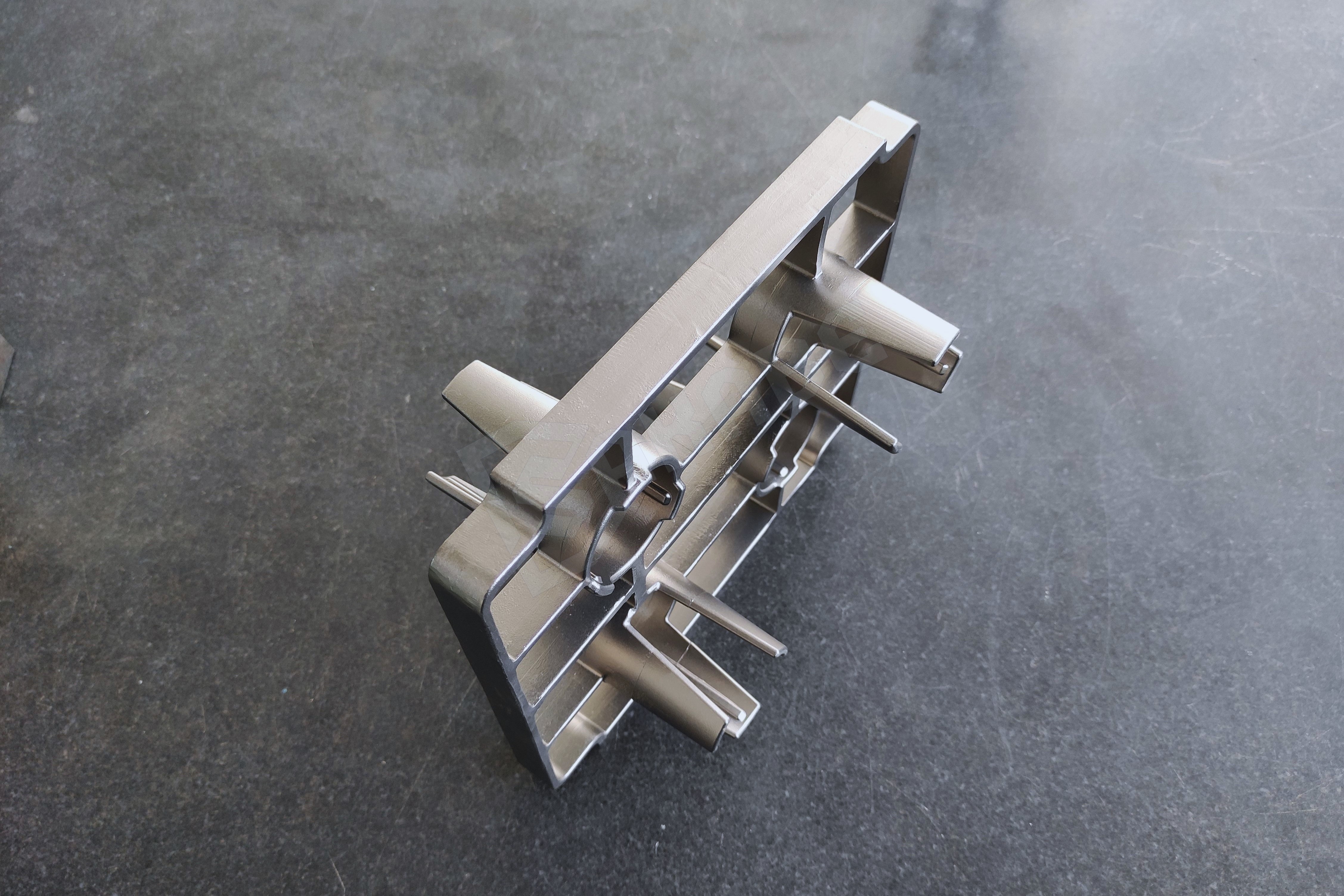
Enhancing Food Machinery with Durable Precision Machining Solutions
Durable Precision machining of food machinery accessories plays an integral role in the food machinery sector by ensuring that equipment is produced with the highest standards of accuracy and reliability
2025/07/23

Unlocking Efficiency: Advanced Precision Casting Techniques in Food Machinery
Advanced precision casting techniques are transforming the landscape of food machinery manufacturing. Their ability to enhance efficiency, quality, and sustainability positions them as a critical factor in the industry’s future
2025/07/23
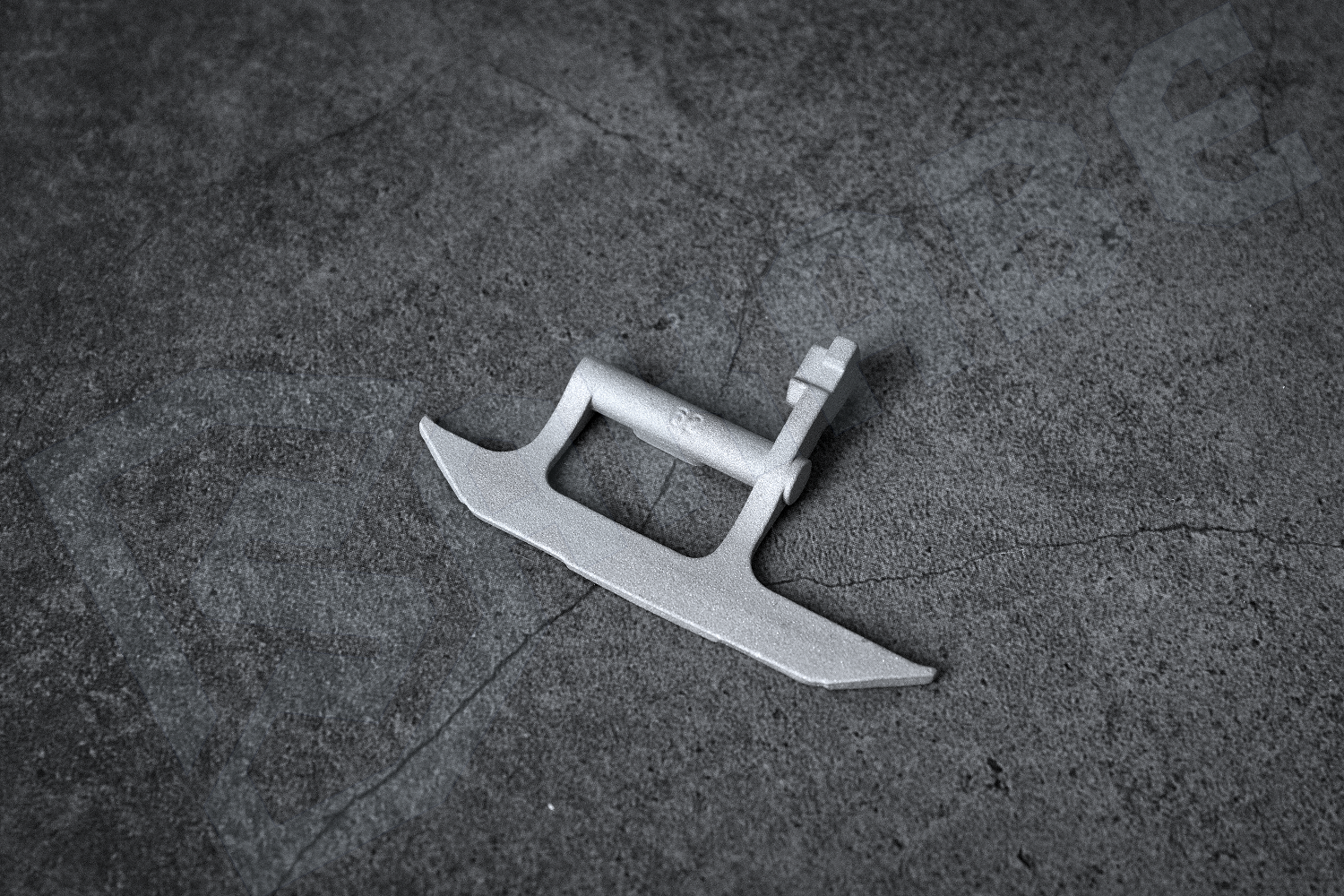
Enhancing Textile Machinery Efficiency through Quality Precision Casting
Quality precision casting is a cornerstone of effective textile machinery manufacturing. By leveraging advanced casting techniques, selecting appropriate materials, and maintaining rigorous quality checks, manufacturers can produce reliable, high-performance machinery components
2025/07/23

Unlocking Efficiency: The Best Casting Techniques for Heat Treatment Material Trays
Optimizing casting techniques for heat treatment material trays is essential for achieving efficiency and quality in manufacturing
2025/07/23
CONTACT US
Tel: +86 136-5494-1611
E-mail: alexzheng@sakabe.cn
Office Address:
No.18 Dongbei Qi Street, Jinpu New Area, Dalian, Liaoning, China
Factory Address:
No.26 Fuan Street, Jinpu New Area, Dalian, Liaoning, China
