


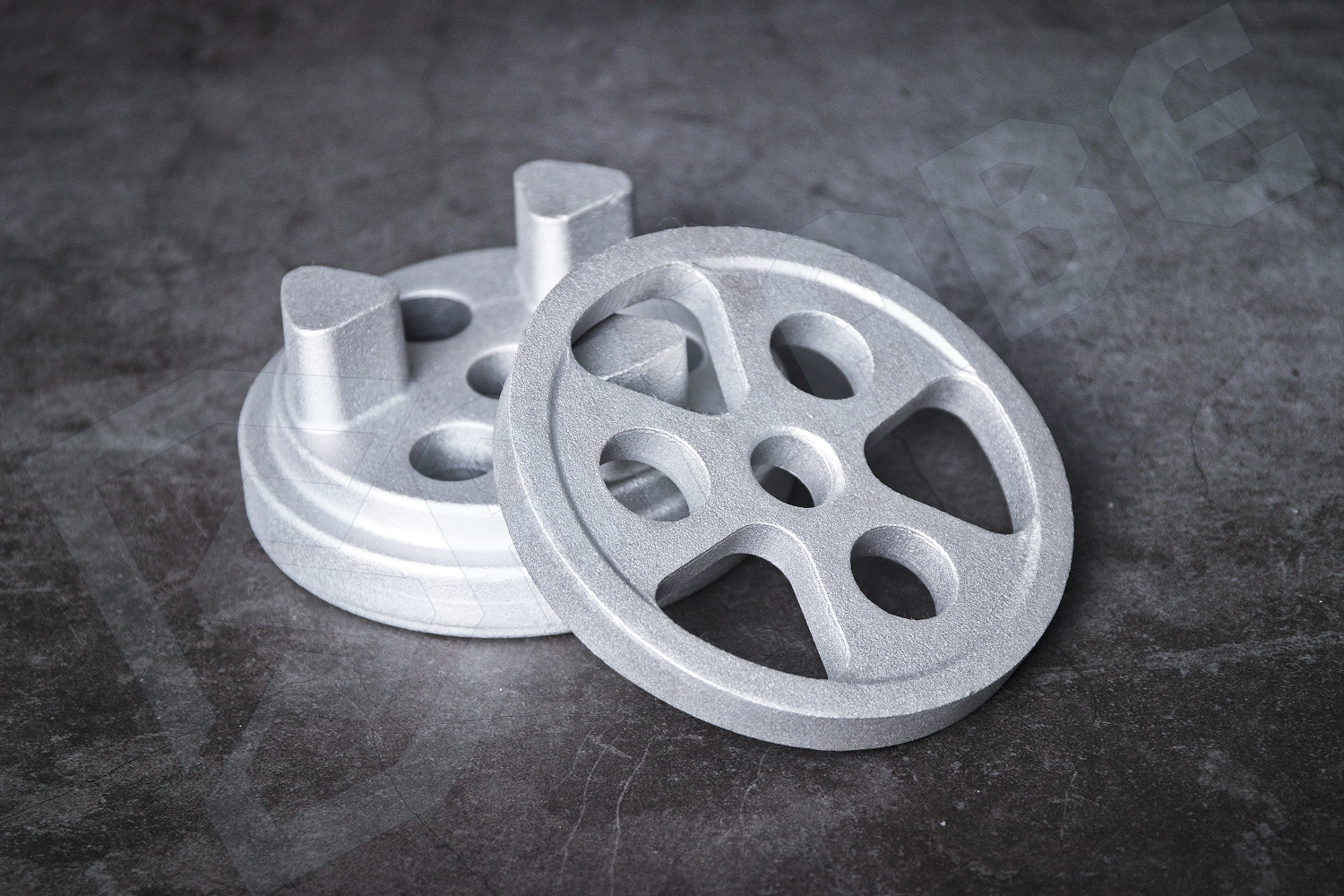
One of the primary advantages of precision casting for textile machinery accessories is the ability to create complex geometries that traditional machining methods often struggle with. Textile machinery components such as gears, pulleys, and other intricate parts can be molded with high precision, ensuring they fit seamlessly into the overall machinery. This complexity allows manufacturers to address specific design requirements and performance standards, ultimately leading to enhanced efficiency and productivity.
Moreover, precision casting is particularly beneficial for producing components that must endure high wear and tear, as it allows for the incorporation of specialized alloys and materials. These materials can be tailored to withstand the extreme conditions typical in textile manufacturing environments, such as high temperatures, humidity, and mechanical stress. This adaptability not only extends the lifespan of the components but also reduces the frequency of maintenance and replacement, resulting in cost savings over time.
In addition to these mechanical benefits, precision casting also streamlines the production process. By reducing the number of manufacturing steps required, this technique enhances overall productivity. Components can be produced with fewer secondary operations, minimizing the time and labor involved in the manufacturing process. This efficiency is particularly important in the fast-paced textile industry, where downtime can lead to significant losses.
Another critical aspect to consider is the environmental impact of precision casting. Compared to traditional manufacturing methods, precision casting typically generates less waste material. The process utilizes a high percentage of the raw material, and advancements in technology have further improved the sustainability of the practice. This is an essential consideration for companies striving to implement environmentally friendly manufacturing processes.
Furthermore, incorporating precision casting into the production of textile machinery accessories can also improve the competitive edge of manufacturers. As the demand for high-quality and innovative textile machinery grows, businesses that leverage advanced manufacturing techniques will likely stand out in the market. By investing in precision casting, manufacturers can ensure that they are meeting the evolving needs of their clients while maintaining high standards of quality and efficiency.
In summary, precision casting for textile machinery accessories offers numerous advantages, from the ability to create complex and durable components to enhancing production efficiency and reducing environmental impact. As the textile industry continues to evolve, adopting precision casting can be a strategic move for manufacturers aiming to optimize their operations and meet customer demands.
Heat Treatment Tool Casting: Enhancing Performance and Durability in Manufacturing
Heat treatment is an indispensable aspect of tool casting that significantly contributes to the performance and durability of industrial tools
2024/10/23

Unlocking Precision: The Role of Casting in Medical Tool Parts
In the ever-evolving landscape of medical tool manufacturing, medical tool parts casting stands out as a critical process that ensures precision, reliability, and innovation
2024/10/23
Medical Equipment Parts Casting Ensures Precision Quality and Innovation in Healthcare Manufacturing
Another significant aspect of medical equipment parts casting is the consistency it offers. High-quality casting processes ensure that each part produced meets the necessary specifications and tolerances
2024/10/23

The Environmental Impact of Flowmeter Parts Casting in Manufacturing
The environmental impact of flowmeter parts casting in manufacturing is a pressing issue that requires immediate attention. By understanding the implications of traditional casting processes and embracing sustainable practices and technological innovations, manufacturers can significantly reduce their ecological footprints.
2024/10/23
CONTACT US
Tel: +86 136-5494-1611
E-mail: alexzheng@sakabe.cn
Office Address:
No.18 Dongbei Qi Street, Jinpu New Area, Dalian, Liaoning, China
Factory Address:
No.26 Fuan Street, Jinpu New Area, Dalian, Liaoning, China
