


One of the primary advantages of dewax casting for textile machinery parts is its ability to produce complex geometries that are often impossible to achieve with traditional casting methods. The precision of the dewax process allows for tighter tolerances and better surface finishes, which directly translates to enhanced performance and longevity of machinery components. For instance, components such as gears, pulleys, and other intricate parts benefit significantly from the smooth surfaces and detailed internal features that dewax casting can provide.
Additionally, the dewax casting process offers versatility in material selection. Various metals, including aluminum, steel, and bronze, can be utilized in the process, allowing manufacturers to tailor the properties of the final components to their specific application needs. This adaptability is particularly valuable in the textile industry, where different machines may require parts with varying mechanical properties and resistance to wear or corrosion.
Another critical aspect of dewax casting is its efficiency in terms of material usage. The process minimizes waste, as the wax can be recycled and reused, and the ceramic shell can be broken and reformed for future casts. This not only contributes to cost-effectiveness but also aligns with sustainable manufacturing practices by reducing the environmental impact associated with production.
From a technical standpoint, implementing dewax casting in textile machinery part manufacturing requires careful consideration of various factors, such as the temperature control during wax melting and metal pouring, as well as the cooling rates to prevent defects. Quality control measures, including non-destructive testing, are essential to ensure that the final components meet the necessary specifications and performance standards.
In conclusion, dewax casting is a pivotal technique in the manufacturing of textile machinery parts, offering high precision, material versatility, and efficient production processes. Professionals in the manufacturing field should consider integrating this innovative casting method into their operations to enhance the quality and performance of their machinery components, ultimately leading to improved efficiency and competitiveness in the textile industry.

How Do Medical Equipment Casting Parts Ensure Precision and Reliability in Healthcare Manufacturing
The production of medical equipment casting parts is a multifaceted process that requires careful consideration of design, materials, and quality assurance
2025/04/21

Top Benefits of Using Quality Flowmeter Casting Parts in Manufacturing
The use of quality flowmeter casting parts is essential for manufacturers seeking to enhance accuracy, reliability, and efficiency in their operations
2025/04/21

How Best Singer Sewing Machine Parts Reshape the Classics
Choosing the best singer sewing machine parts means choosing the ultimate pursuit of quality. These accessories not only improve the overall performance of the sewing machine, but also extend the service life of the equipment invisibly
2025/03/20
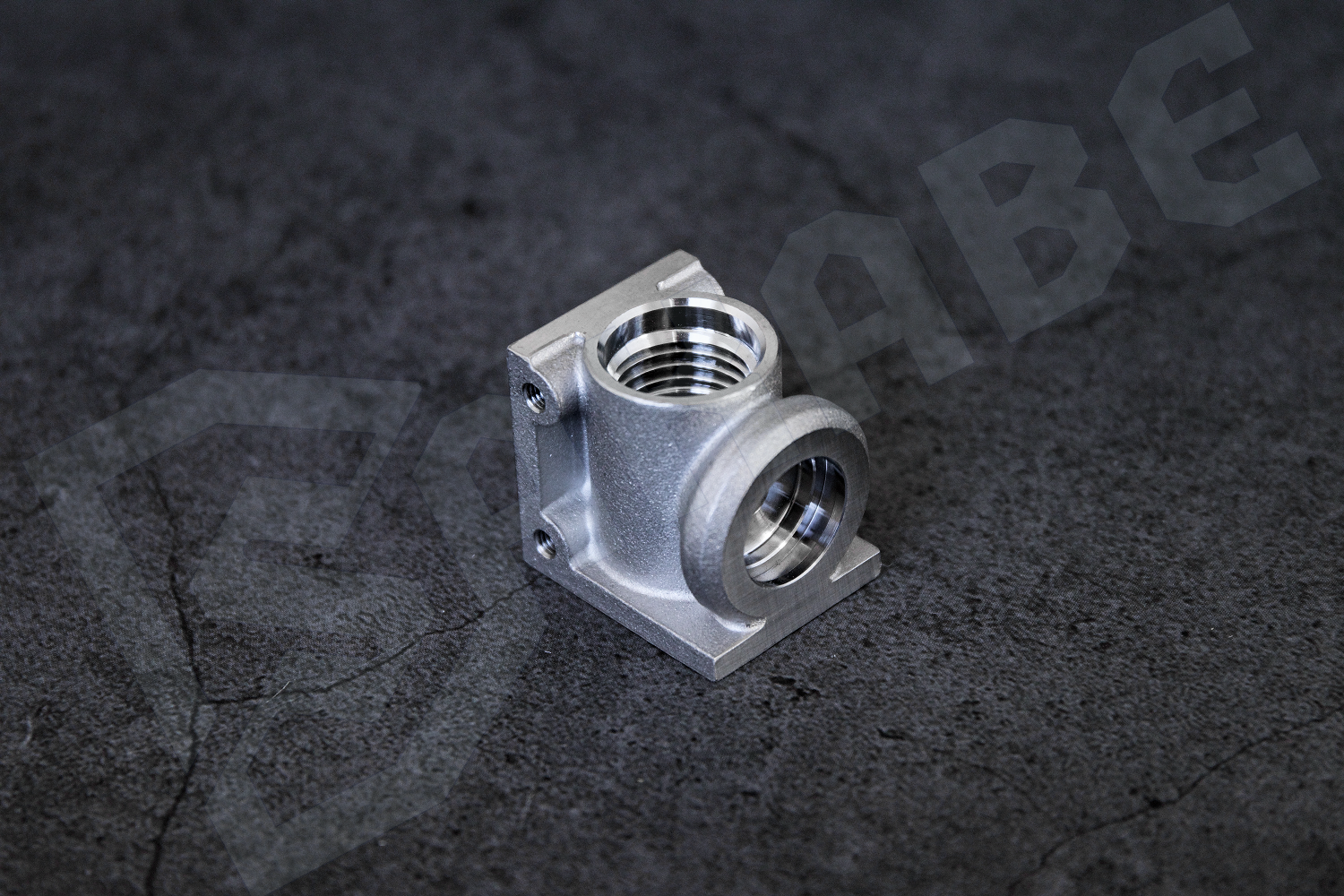
Why MIM Casting Is the Future of Precision Manufacturing
One of the primary benefits of MIM casting is its ability to produce intricate geometries that would be challenging or impossible to achieve through conventional machining methods
2025/03/11
CONTACT US
Tel: +86 136-5494-1611
E-mail: alexzheng@sakabe.cn
Office Address:
No.18 Dongbei Qi Street, Jinpu New Area, Dalian, Liaoning, China
Factory Address:
No.26 Fuan Street, Jinpu New Area, Dalian, Liaoning, China
