

In the food machinery industry, the reliability and cleanliness of components are paramount. Dewax casting can produce parts made from materials that meet stringent hygiene standards, which is essential for equipment used in food processing and handling. The ability to create seamless and smooth surfaces in dewax casting means that there are fewer crevices where bacteria can accumulate, making it easier to maintain sanitary conditions.
Another significant advantage of dewax casting is its ability to work with a variety of metals. Commonly used materials in this process include stainless steel and aluminum, both of which offer excellent corrosion resistance and durability. These properties are particularly important in food machinery, where equipment is frequently exposed to moisture, chemicals, and other harsh environments.
One of the key benefits of dewax casting is its efficiency in producing small to medium-sized batches of parts. The initial investment in creating the wax models and ceramic shells can be offset by the high-quality output and the reduced need for extensive machining. This efficiency not only saves time but also minimizes material waste, making it an environmentally friendly option for manufacturers.
Moreover, the dewax casting process allows for a high degree of design flexibility. Engineers and designers can easily modify the wax models to optimize the performance and functionality of the parts. This adaptability is crucial in the food machinery sector, where technological advancements and changing regulations require constant innovation.
In conclusion, dewax casting offers numerous advantages for producing food machinery parts, including precision, material versatility, and compliance with hygiene standards. As the manufacturing industry continues to evolve, understanding the intricacies of processes like dewax casting will be essential for professionals looking to stay competitive and meet the demands of modern food production. Embracing this technique can lead to improved product quality, enhanced efficiency, and a commitment to sustainability in manufacturing practices.

Understanding the Critical Role of Heat Treatment in Tool Casting for Enhanced Performance
In conclusion, the role of heat treatment tool casting in tool casting is indispensable for manufacturers seeking to enhance the performance and longevity of their tools
2024/08/20
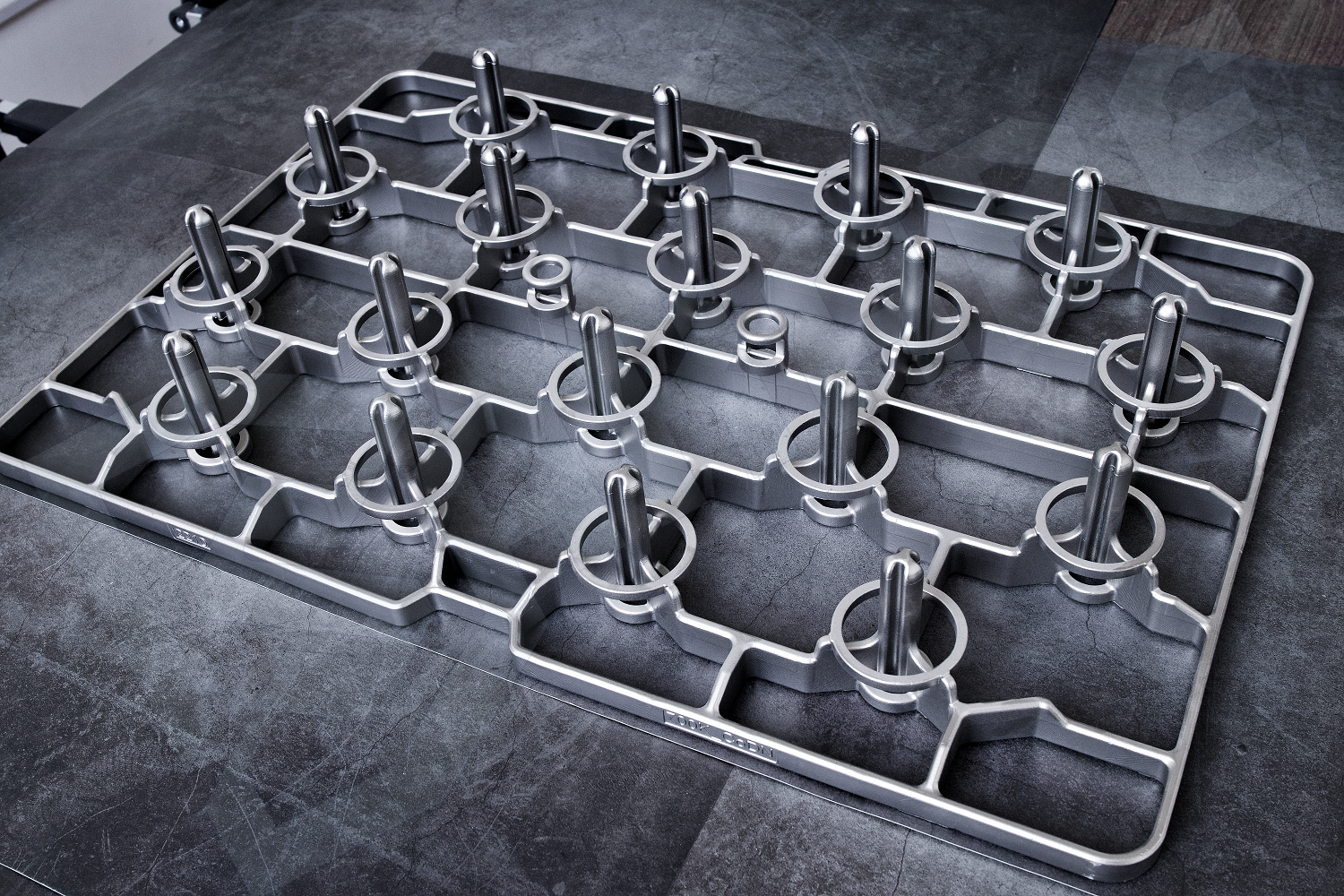
The choice of materials is paramount in medical tool parts casting. Common materials include stainless steel, aluminum, and titanium, each offering unique properties suitable for specific applications
2024/08/20

Advancing Medical Equipment Through Precision Casting: Processes, Benefits, and Future Directions
Medical equipment parts casting is a cornerstone of modern manufacturing in the healthcare industry
2024/08/20
CONTACT US
Tel: +86 136-5494-1611
E-mail: alexzheng@sakabe.cn
Office Address:
No.18 Dongbei Qi Street, Jinpu New Area, Dalian, Liaoning, China
Factory Address:
No.26 Fuan Street, Jinpu New Area, Dalian, Liaoning, China
