


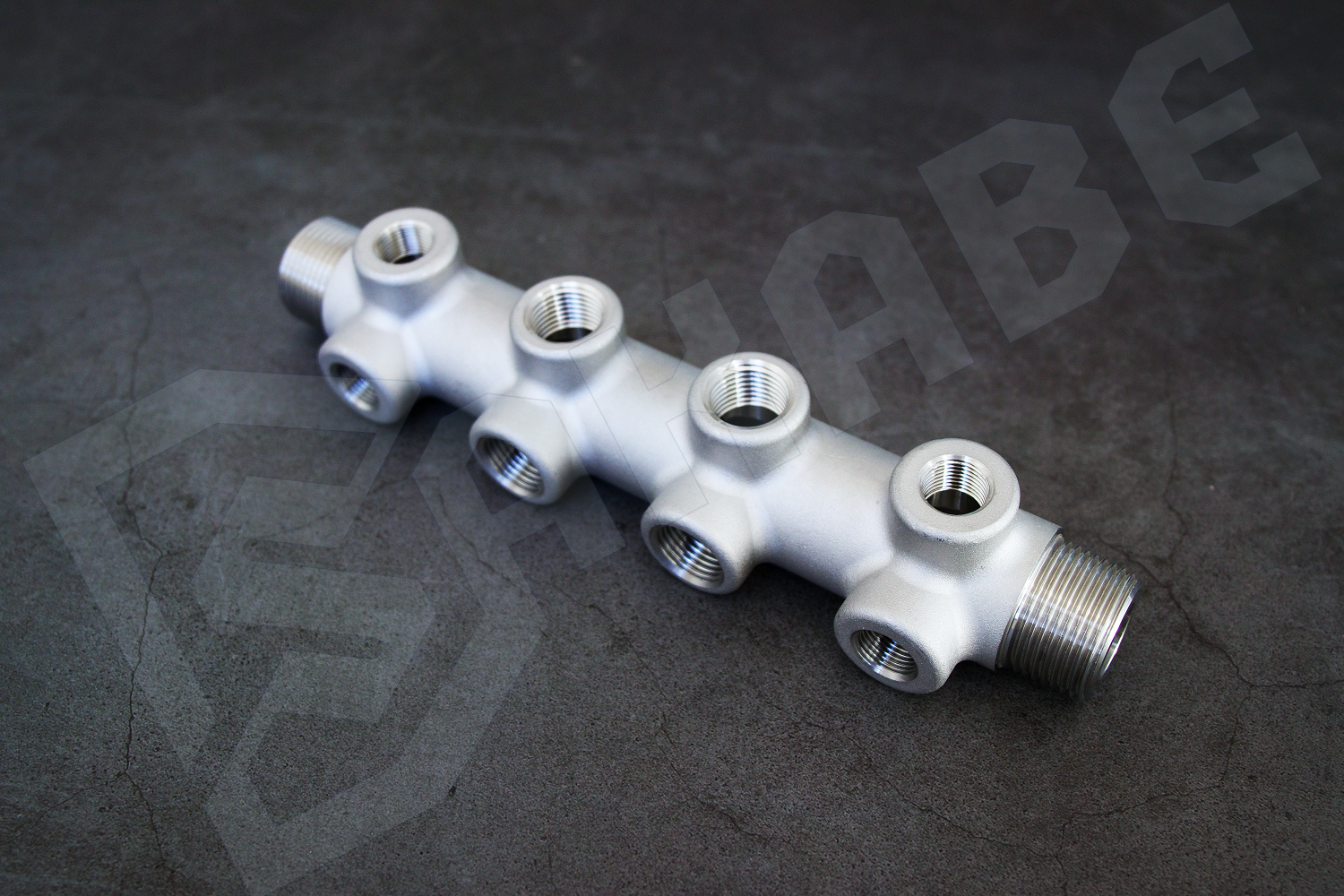
One of the most significant advantages of investment casting for flowmeter parts is its exceptional dimensional accuracy. The process allows for tight tolerances, which is crucial for flowmeters that require precise measurement to ensure optimal performance. The precision achieved through investment casting reduces the need for extensive machining, ultimately saving time and costs in the manufacturing process. This makes it an attractive option for manufacturers looking to enhance production efficiency while maintaining high-quality standards.
Moreover, investment casting offers a diverse range of material options. Common materials used in this process include stainless steel, aluminum, and various alloys. The choice of material plays a vital role in determining the durability and performance of the flowmeter. For instance, stainless steel is often favored for its corrosion resistance and strength, making it suitable for various fluid types and operating conditions. By selecting the appropriate material, manufacturers can ensure that the flowmeter parts produced through investment casting will withstand the demands of their specific applications.
The investment casting process begins with creating a wax pattern of the desired part. This pattern is coated with a ceramic shell, which is then heated to remove the wax and harden the shell. Once the shell is formed, molten metal is poured into the mold, taking the shape of the original wax pattern. After cooling, the ceramic shell is broken away, revealing the intricately cast part. This method not only produces high-quality components but also minimizes waste, aligning with today’s sustainability goals.
Investment casting also facilitates the production of intricate designs and features, such as internal passages and complex shapes that are often required in flowmeter components. These features can enhance the performance of the flowmeter by allowing for more efficient fluid dynamics and improved flow characteristics. The ability to create such complex designs with high precision makes investment casting a preferred choice for manufacturers in the flow measurement industry.
In conclusion, investment casting is a fundamental process in the manufacturing of flowmeter parts, offering numerous advantages including precision, material versatility, and the ability to produce complex geometries. As the demand for reliable and efficient flow measurement solutions grows, investment casting will undoubtedly continue to play a crucial role in meeting these industry needs. Understanding this process allows manufacturers to make informed decisions that can lead to improved product performance and customer satisfaction.
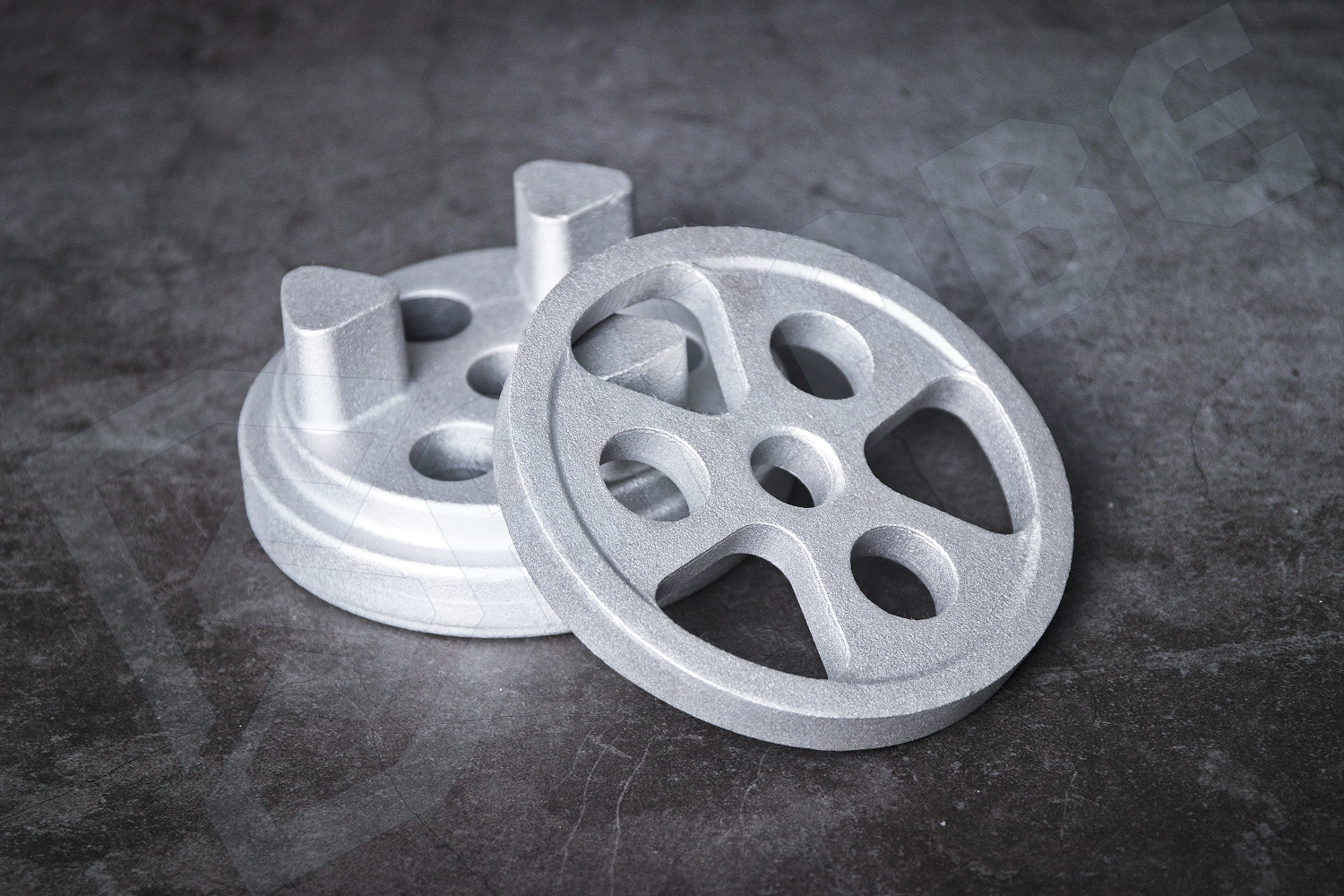
Heat Treatment Tool Casting: Enhancing Performance and Durability in Manufacturing
Heat treatment is an indispensable aspect of tool casting that significantly contributes to the performance and durability of industrial tools
2024/10/23

Unlocking Precision: The Role of Casting in Medical Tool Parts
In the ever-evolving landscape of medical tool manufacturing, medical tool parts casting stands out as a critical process that ensures precision, reliability, and innovation
2024/10/23
Medical Equipment Parts Casting Ensures Precision Quality and Innovation in Healthcare Manufacturing
Another significant aspect of medical equipment parts casting is the consistency it offers. High-quality casting processes ensure that each part produced meets the necessary specifications and tolerances
2024/10/23

The Environmental Impact of Flowmeter Parts Casting in Manufacturing
The environmental impact of flowmeter parts casting in manufacturing is a pressing issue that requires immediate attention. By understanding the implications of traditional casting processes and embracing sustainable practices and technological innovations, manufacturers can significantly reduce their ecological footprints.
2024/10/23
CONTACT US
Tel: +86 136-5494-1611
E-mail: alexzheng@sakabe.cn
Office Address:
No.18 Dongbei Qi Street, Jinpu New Area, Dalian, Liaoning, China
Factory Address:
No.26 Fuan Street, Jinpu New Area, Dalian, Liaoning, China
