


One of the key benefits of using investment casting for flowmeter housing is its ability to produce components with exceptional surface finishes. The precision of the mold allows manufacturers to minimize machining requirements, reducing production time and costs. This is especially important in the flowmeter industry, where accuracy and reliability are crucial for measuring fluid dynamics.
Another advantage of investment casting lies in its versatility. Various metals and alloys can be utilized in this process, including stainless steel, aluminum, and bronze, allowing manufacturers to choose materials that best suit their specific applications. This flexibility is essential in flowmeter production, where different environments may require different materials to withstand pressure, temperature, or corrosive substances.
Moreover, investment casting is capable of producing large quantities of parts with uniform quality. Once the initial mold is created, multiple components can be cast simultaneously, leading to higher productivity. This mass production capability is crucial for industries that demand a consistent supply of flowmeter housings without compromising on quality.
In addition to its practical benefits, investment casting also supports sustainable practices in manufacturing. The process generates minimal waste since the wax can be recycled and reused for future patterns. This not only conserves resources but also aligns with the growing emphasis on environmentally friendly manufacturing methods.
Overall, investment casting for flowmeter housing is a sophisticated and efficient method that delivers high-quality results. By combining precision, versatility, and sustainability, this casting technique meets the complex demands of modern manufacturing. Understanding the intricacies of investment casting can help professionals make informed decisions and optimize their production processes, ensuring that they produce reliable and accurate flowmeter housings tailored to their customers' needs.

Understanding the Critical Role of Heat Treatment in Tool Casting for Enhanced Performance
In conclusion, the role of heat treatment tool casting in tool casting is indispensable for manufacturers seeking to enhance the performance and longevity of their tools
2024/08/20
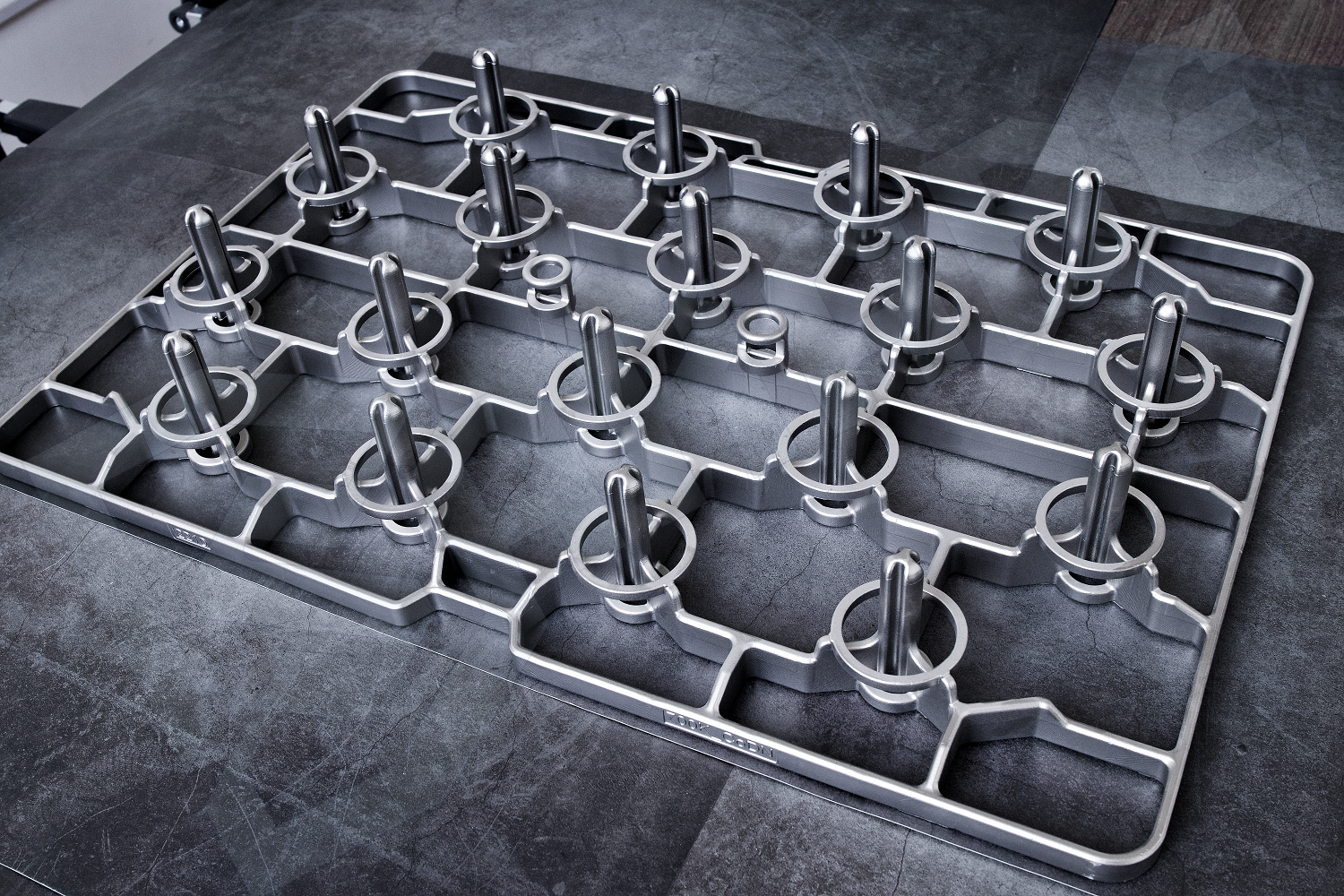
The choice of materials is paramount in medical tool parts casting. Common materials include stainless steel, aluminum, and titanium, each offering unique properties suitable for specific applications
2024/08/20

Advancing Medical Equipment Through Precision Casting: Processes, Benefits, and Future Directions
Medical equipment parts casting is a cornerstone of modern manufacturing in the healthcare industry
2024/08/20
CONTACT US
Tel: +86 136-5494-1611
E-mail: alexzheng@sakabe.cn
Office Address:
No.18 Dongbei Qi Street, Jinpu New Area, Dalian, Liaoning, China
Factory Address:
No.26 Fuan Street, Jinpu New Area, Dalian, Liaoning, China
